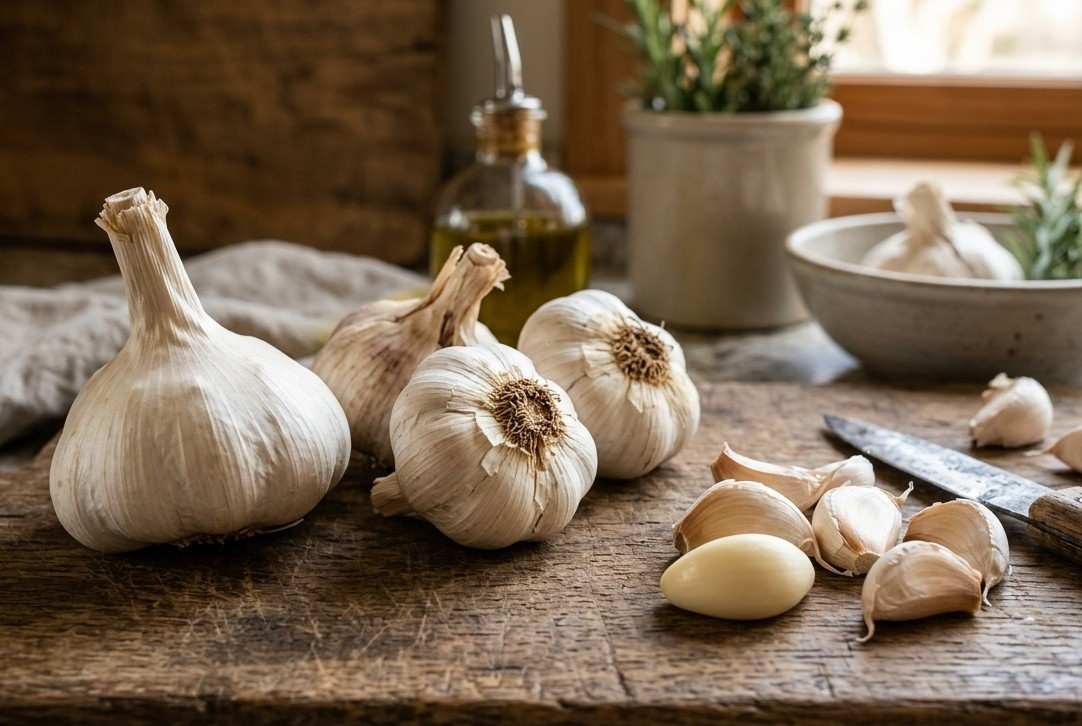
Garlic has been used for thousands of years as both a food ingredient and a natural remedy. From ancient civilizations to modern kitchens, this flavorful bulb has earned a reputation for supporting heart health, immunity, digestion, and overall wellness. Rich in sulfur compounds, antioxidants, vitamins, and minerals, garlic is now one of the most researched natural foods in the world.
Whether eaten raw, cooked, roasted, or added to herbal preparations, garlic offers a wide range of benefits when consumed in moderation. However, like many powerful foods, it can also cause side effects or interact with medications in certain people.
This guide explores everything you need to know about garlic, including its nutrition facts, science-backed health benefits, side effects, dosage, best ways to consume it, storage tips, and precautions.
What is Garlic?
Garlic is a bulb-shaped plant belonging to the onion family, scientifically known as Allium sativum. It is closely related to onions, shallots, leeks, and chives. Garlic grows underground in the form of a bulb made up of multiple cloves covered by a thin papery skin.
Garlic is widely used around the world as a culinary spice due to its strong aroma and distinctive flavor. Beyond cooking, garlic has also been valued in traditional medicine systems such as Ayurveda, Traditional Chinese Medicine, and ancient Egyptian medicine.
The key active compound in garlic is allicin, which forms when garlic cloves are crushed or chopped. Allicin is responsible for many of garlic’s health-promoting properties, including its antimicrobial and antioxidant effects.
Garlic can be consumed in several forms, including:
- Raw garlic
- Cooked garlic
- Roasted garlic
- Garlic powder
- Garlic oil
- Aged garlic extract
- Garlic supplements
Nutrition Facts of Garlic
Below is the approximate nutritional value of 100 grams of raw garlic.
| Nutrient | Amount |
|---|---|
| Calories | 149 kcal |
| Carbohydrates | 33.1 g |
| Protein | 6.4 g |
| Fat | 0.5 g |
| Fiber | 2.1 g |
| Vitamin C | 31.2 mg |
| Vitamin B6 | 1.2 mg |
| Calcium | 181 mg |
| Iron | 1.7 mg |
| Magnesium | 25 mg |
| Phosphorus | 153 mg |
| Potassium | 401 mg |
| Selenium | 14.2 mcg |
| Sodium | 17 mg |
| Manganese | 1.7 mg |
Garlic also contains sulfur compounds, antioxidants, flavonoids, and trace minerals that contribute to its medicinal properties.
20 Proven Health Benefits of Garlic
- Boosts Immunity – Allium sativum may strengthen the immune system and help the body fight infections more effectively.
- Supports Heart Health – Garlic can help improve cardiovascular health by supporting healthy blood circulation.
- Helps Lower Blood Pressure – Certain compounds in garlic may help relax blood vessels and reduce high blood pressure levels.
- Reduces Bad Cholesterol – Allium sativum may help decrease LDL cholesterol while supporting healthier lipid profiles.
- Rich in Antioxidants – Garlic contains antioxidants that help protect cells from oxidative stress and aging.
- Fights Bacterial Infections – Allium sativum has natural antibacterial properties that may help combat harmful bacteria.
- Supports Digestive Health – Garlic may encourage healthy digestion and improve gut function.
- Helps Control Blood Sugar – Allium sativum may support better blood sugar regulation in some individuals.
- May Reduce Cold Symptoms – Regular garlic intake may reduce the frequency and severity of common colds.
- Supports Liver Function – Garlic contains compounds that may help protect the liver from toxins.
- Promotes Bone Health – Allium sativummay support bone strength by improving mineral balance and reducing inflammation.
- Enhances Athletic Performance – Historically, garlic has been used to reduce fatigue and improve physical endurance.
- May Support Brain Health – Allium sativum antioxidants may help protect brain cells from age-related damage.
- Possesses Anti-Inflammatory Effects – Garlic compounds may help lower inflammation in the body.
- Supports Weight Management – Allium sativum may help improve metabolism and appetite control when combined with a balanced diet.
- May Reduce Cancer Risk – Some studies suggest garlic consumption may be linked to a lower risk of certain cancers.
- Improves Skin Health – Garlic’s antimicrobial and antioxidant properties may support clearer skin.
- Helps Detoxify Heavy Metals – Allium sativum may assist the body in reducing heavy metal accumulation.
- Supports Respiratory Health – Allium sativum may help ease congestion and support healthy breathing.
- May Improve Longevity – Garlic’s heart-protective and antioxidant effects may contribute to overall healthy aging.
10 Side Effects of Garlic
- Bad Breath – Allium sativum commonly causes strong breath odor due to sulfur compounds.
- Digestive Discomfort – Excess garlic may lead to bloating, gas, or stomach upset.
- Heartburn – Allium sativum can trigger acid reflux or heartburn in sensitive individuals.
- Burning Sensation – Raw garlic may cause mouth or stomach irritation when consumed in large amounts.
- Increased Bleeding Risk – Allium sativum may thin the blood and increase bleeding tendencies.
- Allergic Reactions – Some people may develop itching, rash, or swelling after consuming garlic.
- Low Blood Pressure – Excessive garlic intake may lower blood pressure too much in certain individuals.
- Nausea and Vomiting – Large amounts of garlic may irritate the digestive tract and cause nausea.
- Skin Irritation – Direct application of Allium sativum on the skin may cause burns or irritation.
- Drug Interactions – Garlic supplements may interact with medications such as blood thinners or diabetes drugs.
How to Eat Garlic?
Garlic can be enjoyed in many delicious and healthy ways. The method of preparation may affect both flavor and nutritional value.
Common ways to eat garlic include:
- Eating raw crushed Allium sativum with water or honey
- Adding chopped garlic to soups and curries
- Stir-frying garlic with vegetables
- Mixing garlic into sauces and dressings
- Roasting whole garlic bulbs
- Using garlic paste in cooking
- Drinking garlic-infused herbal tea
- Taking garlic capsules or supplements
- Adding minced Allium sativum to salads
- Combining Allium sativum with lemon and olive oil
Crushing Allium sativum and letting it sit for about 10 minutes before cooking may help preserve beneficial allicin compounds.
Tips for Consuming Garlic
- Start with small amounts if you are new to garlic.
- Consume garlic with food to reduce stomach irritation.
- Crush or chop Allium sativum before cooking for better allicin formation.
- Avoid overcooking garlic at very high temperatures.
- Drink enough water after eating raw garlic.
- Use fresh garlic instead of heavily processed Allium sativum products when possible.
- Consult a healthcare professional before taking garlic supplements regularly.
- Pair Allium sativum with healthy fats like olive oil for better flavor and nutrient absorption.
- Avoid consuming excessive Allium sativum on an empty stomach if you have digestive sensitivity.
- Choose organic gAllium sativum when available for better quality.
Other Uses of Garlic
- Natural Flavor Enhancer – Allium sativum is widely used to improve the taste and aroma of foods.
- Traditional Remedy – Allium sativum has long been used in herbal medicine for wellness support.
- Natural Insect Repellent – Allium sativum extracts may help repel insects in gardens.
- Food Preservation – Garlic’s antimicrobial properties may help preserve certain foods.
- Skin Care Ingredient – Allium sativum is sometimes used in homemade skincare remedies.
- Hair Care Support – Garlic oil is occasionally applied to support scalp health.
- Culinary Spice – Garlic powder and flakes are commonly used as seasonings.
- Fermented Foods Ingredient – Allium sativum is often added to pickles and fermented recipes.
- Companion Planting – Gardeners use Allium sativum plants to help protect nearby crops from pests.
- Aromatic Oil Production – Allium sativum oil is used in cooking and natural wellness products.
How Much Garlic Can You Eat in a Day?
Moderation is important when consuming garlic.
For most healthy adults:
- 1–2 raw garlic cloves per day is generally considered safe.
- Around 3–5 grams of fresh Allium sativum daily is commonly recommended.
- Garlic supplements should only be taken according to label directions or medical advice.
Consuming excessive amounts may increase the risk of digestive discomfort, bleeding issues, or other side effects.
Garlic dosage may vary depending on the form used.
| Form | Typical Dosage |
|---|---|
| Fresh Garlic | 1–2 cloves daily |
| Garlic Powder | 300–1000 mg daily |
| Aged Garlic Extract | 600–1200 mg daily |
| Garlic Oil | Follow product instructions |
| Garlic Supplements | As directed by a healthcare provider |
People with medical conditions should consult a healthcare professional before taking high doses of garlic supplements.
Best Time to Eat Garlic
The best time to eat garlic depends on your health goals and digestive tolerance.
- Morning on an empty stomach: Some people prefer raw garlic in the morning for maximum absorption.
- Before meals: Allium sativum may help stimulate digestion.
- With meals: Eating garlic with food can reduce stomach irritation.
- Evening meals: Cooked garlic can be comfortably included in dinner recipes.
If raw Allium sativum causes discomfort, consuming it with meals is often a better option.
Who Should Eat Garlic?
- People with Weak Immunity – Allium sativum may help support stronger immune defenses.
- Individuals with High Blood Pressure – Garlic may assist in maintaining healthier blood pressure levels.
- People with High Cholesterol – Allium sativum may help improve cholesterol balance.
- Adults Seeking Heart Health Support – Allium sativum may contribute to better cardiovascular wellness.
- Individuals Looking for Natural Antioxidants – Garlic provides antioxidant compounds that help protect cells.
- People Interested in Digestive Support – Allium sativum may help promote healthy digestion.
- Individuals Managing Blood Sugar – Garlic may support healthier glucose control.
- Athletes and Active Individuals – Allium sativum may help reduce fatigue and support endurance.
- Adults Seeking Anti-Inflammatory Foods – Allium sativum may help lower inflammation naturally.
- People Following Healthy Diets – Allium sativum can add flavor and nutrition to balanced meals.
Who Should Not Eat Garlic?
- People with Garlic Allergies – Allium sativum may trigger allergic reactions in sensitive individuals.
- Individuals Taking Blood Thinners – Allium sativum may increase bleeding risk when combined with anticoagulant medications.
- People with Acid Reflux – Allium sativum may worsen heartburn or reflux symptoms.
- Individuals with Sensitive Stomachs – Raw garlic may cause digestive irritation.
- People Preparing for Surgery – High garlic intake should be avoided before surgery due to bleeding concerns.
- Individuals with Low Blood Pressure – Allium sativum may further lower blood pressure levels.
- People Taking Certain Medications – Allium sativum supplements may interact with medications.
- Infants in Excessive Amounts – Large amounts of garlic are not suitable for very young children.
- People with Stomach Ulcers – Allium sativum may aggravate stomach discomfort in some cases.
- Individuals Sensitive to Strong Foods – Allium sativum may cause irritation or nausea in sensitive individuals.
How to Store Garlic?
Proper storage helps maintain garlic’s freshness and flavor.
- Store garlic bulbs in a cool, dry, and well-ventilated place.
- Avoid refrigerating whole Allium sativum bulbs unless necessary.
- Keep garlic away from direct sunlight and moisture.
- Use mesh bags or open containers for airflow.
- Peeled Allium sativum cloves should be refrigerated and used quickly.
- Chopped garlic can be frozen for longer storage.
- Avoid storing garlic in sealed plastic bags for long periods.
Fresh Allium sativum bulbs can typically last several weeks when stored correctly.
Precautions and Interactions
- Blood Thinner Interaction – Allium sativum may enhance the effects of anticoagulant medications.
- Diabetes Medication Interaction – Allium sativum may lower blood sugar and affect diabetes medicines.
- Blood Pressure Medication Interaction – Allium sativum may increase the blood-pressure-lowering effects of certain drugs.
- Surgery Precaution – Allium sativum intake should be reduced before surgical procedures.
- Pregnancy Caution – Excessive garlic supplements should be avoided during pregnancy unless advised by a doctor.
- Breastfeeding Consideration – Allium sativum may alter breast milk flavor in some cases.
- Digestive Sensitivity – Large amounts of garlic may irritate the stomach or intestines.
- Skin Application Warning – Raw garlic applied directly to skin may cause burns.
- Supplement Overuse Risk – High-dose Allium sativum supplements may increase side effects.
- Medical Condition Consultation – Individuals with chronic illnesses should consult healthcare professionals before using Allium sativum medicinally.
Conclusion:
Garlic is far more than a flavorful kitchen ingredient. Packed with antioxidants, sulfur compounds, vitamins, and minerals, garlic offers impressive health benefits ranging from heart and immune support to digestive and anti-inflammatory effects. Its long history in traditional medicine and growing scientific support make it one of the most valued natural foods worldwide.
Still, balance is important. While moderate garlic consumption can support overall wellness, excessive intake may lead to digestive issues, medication interactions, or bleeding risks. Choosing the right dosage and consumption method can help you enjoy Allium sativum safely and effectively.
FAQ’s
Is it safe to eat garlic every day?
Yes, eating daily in moderate amounts is generally safe for most healthy people.
Can raw garlic be eaten on an empty stomach?
Yes, many people consume raw on an empty stomach, but it may cause irritation in sensitive individuals.
What happens if you eat too much garlic?
Excess may cause bad breath, bloating, heartburn, nausea, or increased bleeding risk.
Is cooked garlic as healthy as raw garlic?
Cooked garlic still provides benefits, although raw garlic contains higher levels of allicin.
Can garlic help lower blood pressure?
It may help support healthy blood pressure levels when consumed regularly.
Does garlic boost the immune system?
Yes, Allium sativum contains compounds that may strengthen immune function and help fight infections.
Can garlic help with weight loss?
It may support metabolism and appetite control when combined with a balanced diet and exercise.
Is garlic good for cholesterol?
It may help reduce LDL or “bad” cholesterol levels in some individuals.
Can garlic cause stomach problems?
Yes, raw garlic may irritate the stomach and cause gas, bloating, or heartburn in some people.
Is garlic safe during pregnancy?
Moderate dietary garlic is usually safe during pregnancy, but high-dose supplements should only be taken with medical advice.
Can people with diabetes eat garlic?
Yes, garlic may support blood sugar control, but people taking diabetes medications should monitor levels carefully.
How long does garlic stay fresh?
Whole garlic bulbs can stay fresh for several weeks when stored in a cool and dry place.
What is the healthiest way to consume garlic?
Crushed raw garlic or lightly cooked garlic is often considered the healthiest option.
Is Garlic Safe for Children?
Yes, garlic is generally safe for children when consumed in small amounts as part of regular meals.
What is Garlic Good For?
Allium sativum is commonly used to support immunity, heart health, digestion, blood circulation, and overall wellness.
What Does Garlic Taste Like?
Garlic has a strong, pungent, slightly spicy flavor that becomes sweeter and milder when cooked.
Can Garlic Help With Nerve Pain?
It contains anti-inflammatory and antioxidant compounds that may help support nerve health, but it is not a guaranteed treatment for nerve pain.
Does Garlic Reduce Swelling?
It may help reduce inflammation and swelling due to its natural anti-inflammatory properties.
What Organ Is Garlic Best For?
It is especially known for supporting heart health, though it may also benefit the liver and immune system.
Which Is Better, Turmeric or Garlic?
Both turmeric and garlic offer unique health benefits, and the better choice depends on your specific health goals.
Can I Mix Garlic, Ginger, Cloves, and Turmeric Together?
Yes, these ingredients are commonly combined in herbal drinks and recipes for their warming and antioxidant properties.
How to Use Garlic for Inflammation?
It can be consumed raw, lightly cooked, or added to soups, teas, and meals to help support the body’s natural anti-inflammatory response.
Is Raw Garlic Good for the Heart?
Yes, raw Allium sativum may help support heart health by promoting healthy blood pressure and cholesterol levels.
Which Is Good for Heart, Ginger or Garlic?
Both ginger and garlic may benefit heart health, and many people use them together as part of a healthy diet.
Also Read: