Farro: Nutrition, 20 Benefits, Side Effects & How Much to Eat

Farro

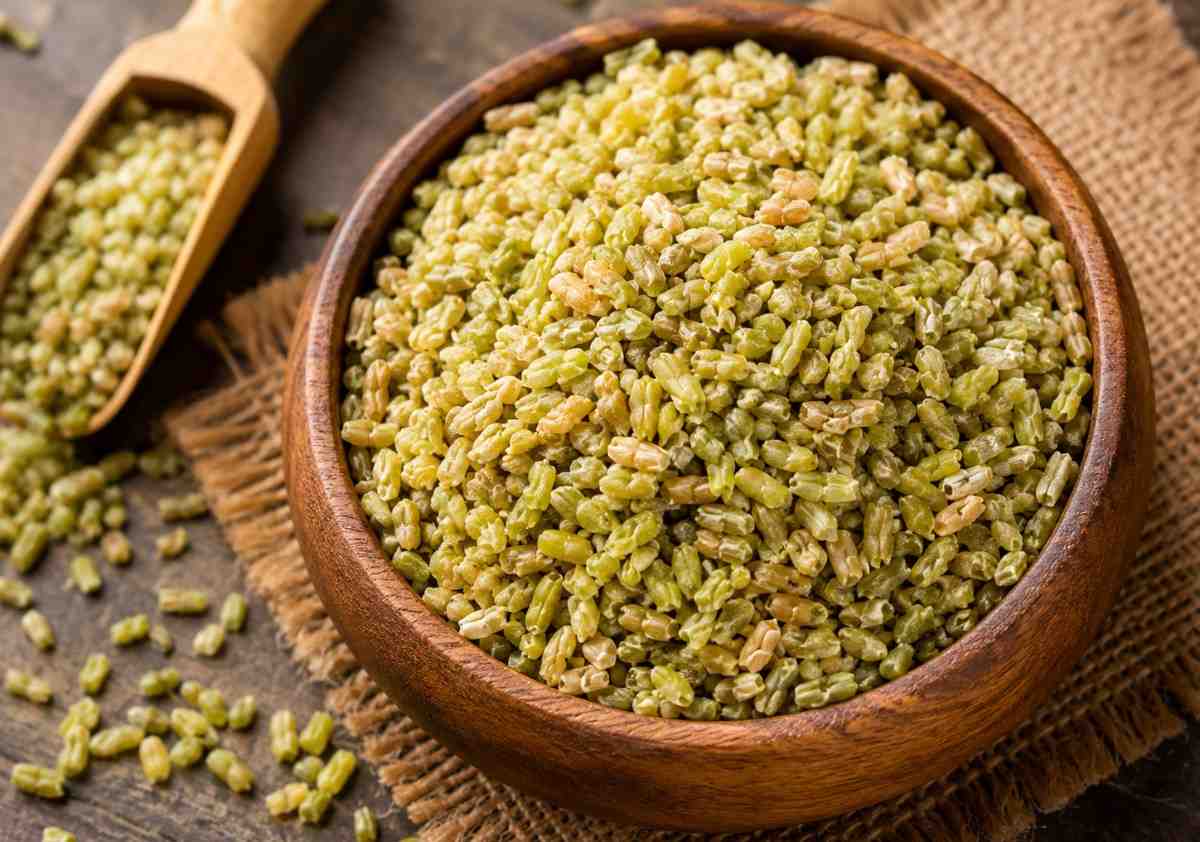
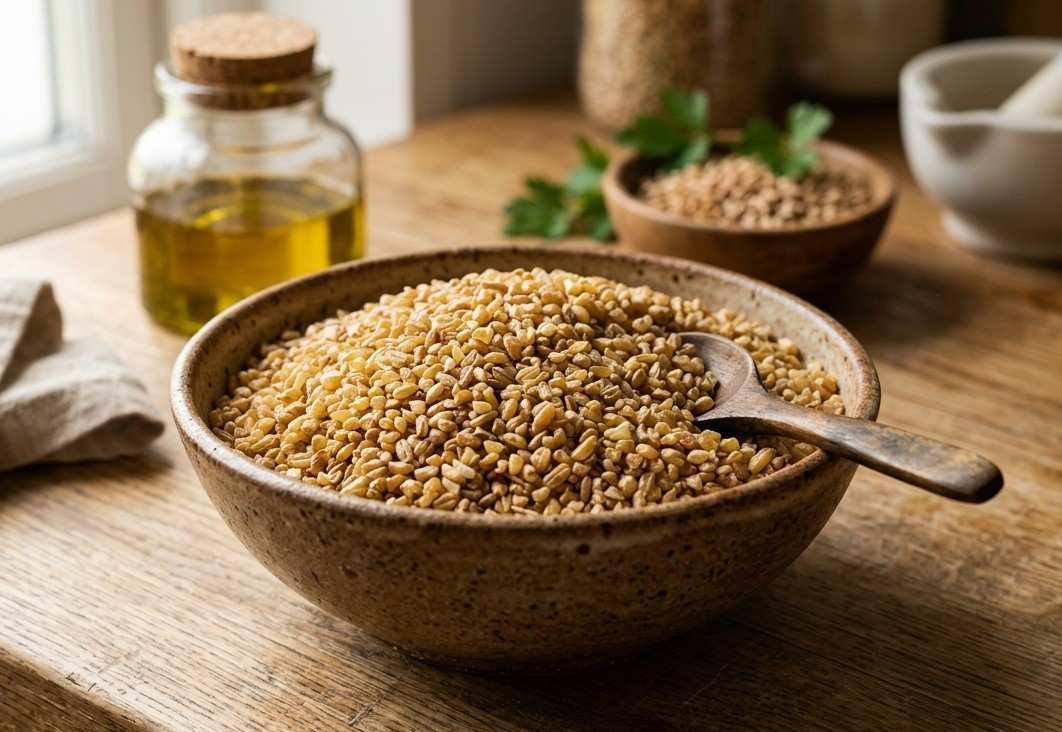
Farro is an ancient grain that has gained popularity among health-conscious individuals due to its impressive nutritional profile and versatility. Known for its nutty flavor and chewy texture, farro has been a staple food in Mediterranean regions for thousands of years. Today, it is widely used in salads, soups, grain bowls, and healthy meal plans. … Read more

Teff: Nutrition, 20 Benefits, Side Effects & How Much to Eat

Teff

Teff is one of the world’s oldest cultivated grains and has been a staple food in Ethiopia and Eritrea for thousands of years. Despite its tiny size, teff is packed with nutrients, making it a popular choice among health-conscious individuals, athletes, and those following gluten-free diets. Rich in fiber, protein, vitamins, minerals, and antioxidants, teff … Read more

Buckwheat: Nutrition, 20 Benefits, Side Effects & How Much to Eat

Buckwheat

Buckwheat is a highly nutritious, gluten-free seed that has been consumed for centuries across Asia, Europe, and North America. Despite its name, buckwheat is not related to wheat and is actually a pseudocereal, meaning it is used like a grain but comes from a different plant family. Rich in protein, fiber, antioxidants, vitamins, and minerals, … Read more

Millet: Nutrition, 20 Benefits, Side Effects & How Much to Eat

Millet

Millet is one of the oldest cultivated grains in the world and has been a staple food in Asia and Africa for thousands of years. In recent years, millet has gained worldwide attention due to its impressive nutritional profile, gluten-free nature, and numerous health benefits. This ancient grain is highly versatile and can be used … Read more

Sorghum: Nutrition, 20 Benefits, Side Effects & How Much to Eat

Sorghum

Sorghum is one of the world’s oldest cultivated grains and has been a staple food in many parts of Africa and Asia for thousands of years. Known for its impressive nutritional profile, drought resistance, and versatility, sorghum has gained popularity among health-conscious consumers seeking gluten-free and nutrient-rich alternatives to traditional grains. Whether consumed as whole … Read more

Barley: Nutrition, 20 Benefits, Side Effects & How Much to Eat

Barley

Barley (Jau) is one of the oldest cultivated grains in the world and has been a staple food for thousands of years. Known for its chewy texture and mild nutty flavor, barley is highly nutritious and versatile. It is commonly used in soups, stews, breads, cereals, and beverages. Rich in fiber, vitamins, minerals, and antioxidants, … Read more

Rye: Nutrition, 20 Benefits, Side Effects & How Much to Eat

Rye

Rye is one of the oldest cultivated cereal grains in the world. Known for its hardy nature and rich nutritional profile, rye has been a staple food in many parts of Europe and Asia for centuries. It is commonly used to make bread, flour, crackers, cereals, and beverages. Compared to many refined grains, rye contains … Read more

Oats: Nutrition, 20 Benefits, Side Effects & How Much to Eat

Oats

Oats are among the healthiest whole grains available today. They are highly nutritious, versatile, and easy to include in daily meals. Whether enjoyed as oatmeal, overnight oats, smoothies, cookies, or baked dishes, oats provide a rich source of fiber, vitamins, minerals, and plant-based nutrients. Known for their heart-friendly properties and long-lasting energy, oats have become … Read more

Durum Wheat: Nutrition, 20 Benefits, Side Effects & Uses

Durum Wheat

Durum Wheat (most commonly known as pasta wheat or macaroni wheat) is one of the most important wheat varieties in the world and is widely used to make pasta, couscous, bulgur, semolina, bread, and various traditional foods. Known for its rich golden color, firm texture, and high protein content, durum wheat is a nutritious grain … Read more

Semolina: Nutrition, 20 Benefits, Side Effects & How to Use It

Semolina

Semolina is a versatile grain product made from durum wheat and is widely used in cuisines around the world. It is commonly used to prepare pasta, porridge, desserts, bread, and traditional dishes such as upma and halwa. Rich in carbohydrates, protein, and several essential nutrients, semolina can be a valuable addition to a balanced diet. … Read more