Pointed White Cabbage: 20 Benefits, Side Effects & How to Eat It
Pointed White Cabbage

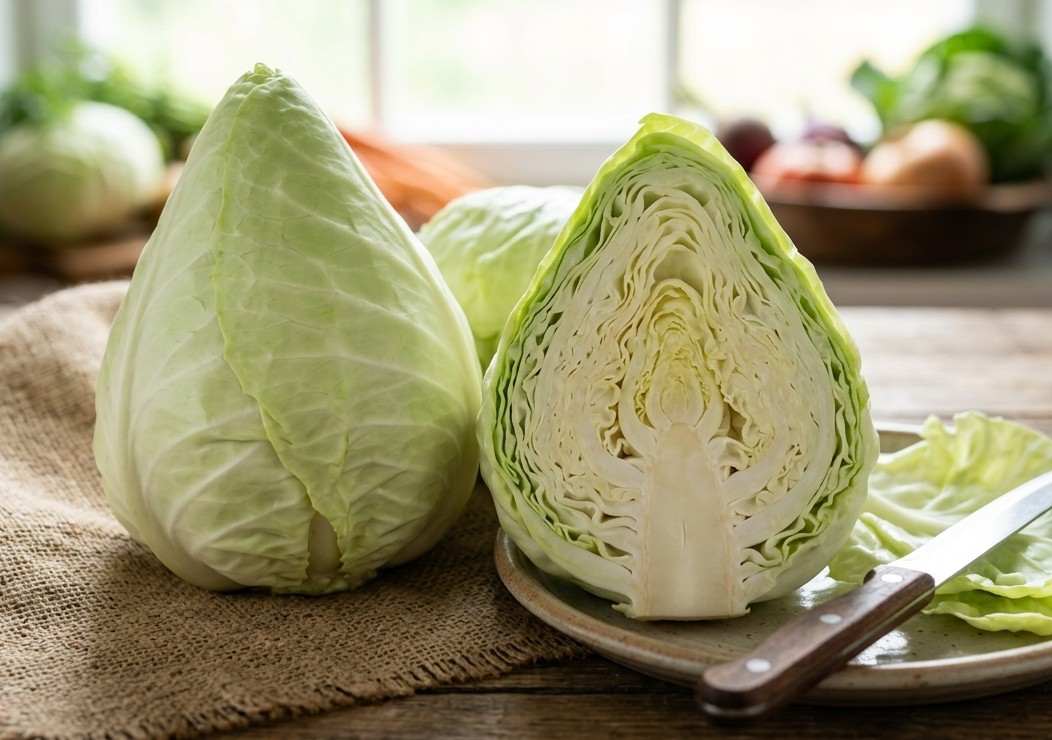
Pointed white cabbage is a crisp, mildly sweet vegetable that can be a nutritious addition to everyday meals. Its tender leaves, distinctive cone-shaped head, and delicate flavor make it suitable for salads, soups, stir-fries, steamed dishes, and fermented foods. It provides vitamin C, vitamin K, folate, fiber, and other nutrients that support overall health. Whether … Read more
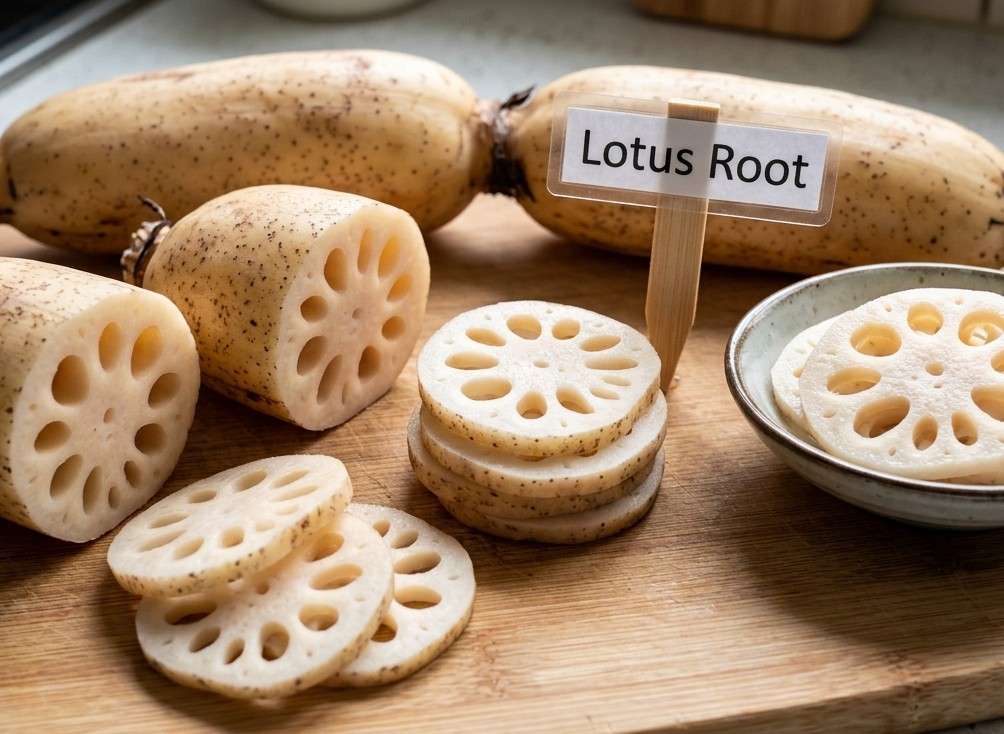
Lotus Root: 20 Benefits, Side Effects & How to Eat It

Lotus Root

Lotus root, also known as Lotus stems, or Kamal kakdi, is a crunchy, mildly sweet vegetable that has been used in Asian cooking for centuries. Despite its name, it is not actually a conventional root—it is the edible underground rhizome of the lotus plant (Nelumbo nucifera). When sliced, lotus root has a distinctive pattern of … Read more

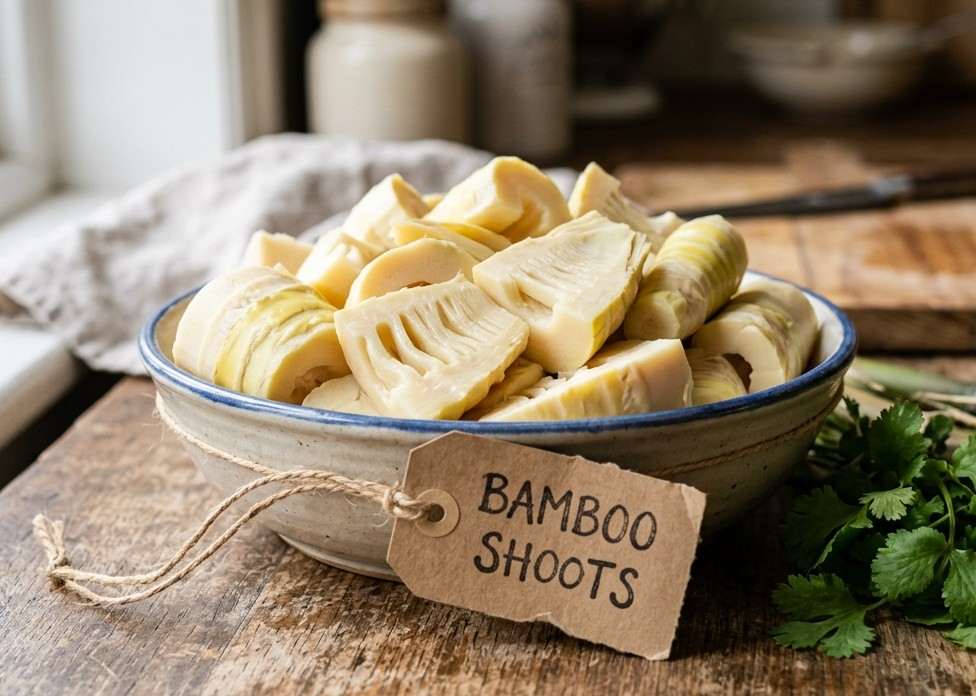
Bamboo Shoots: 20 Benefits, Side Effects & How to Eat It

Bamboo Shoots

Bamboo shoots (also known as bamboo sprouts, bamboo flesh, or bamboo embryo) are a crisp, tender vegetable harvested from young bamboo plants. They are popular in many Asian cuisines and are increasingly being used in salads, stir-fries, soups, curries, pickles, and other dishes. What makes bamboo shoots interesting is their combination of low calories, dietary … Read more

Romanesco: 20 Benefits, Nutrition, Side Effects & How to Eat It

Romanesco

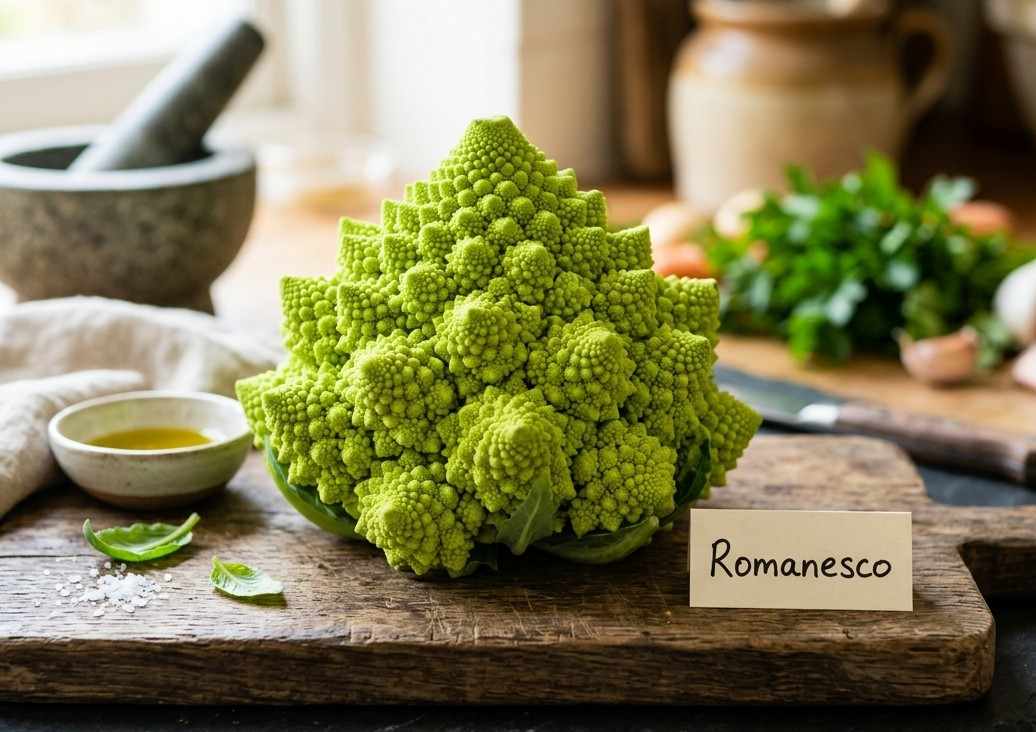
Romanesco is one of those vegetables that immediately catches your attention. Its bright green color and naturally occurring spiral, pointed florets make it look almost geometric, but its appeal is more than visual. Romanesco is a member of the Brassica oleracea family and is closely related to cauliflower and broccoli. It has a mild, slightly … Read more

Baby Corn: Nutrition, 20 Benefits, Side Effects & How to Eat It

Baby Corn

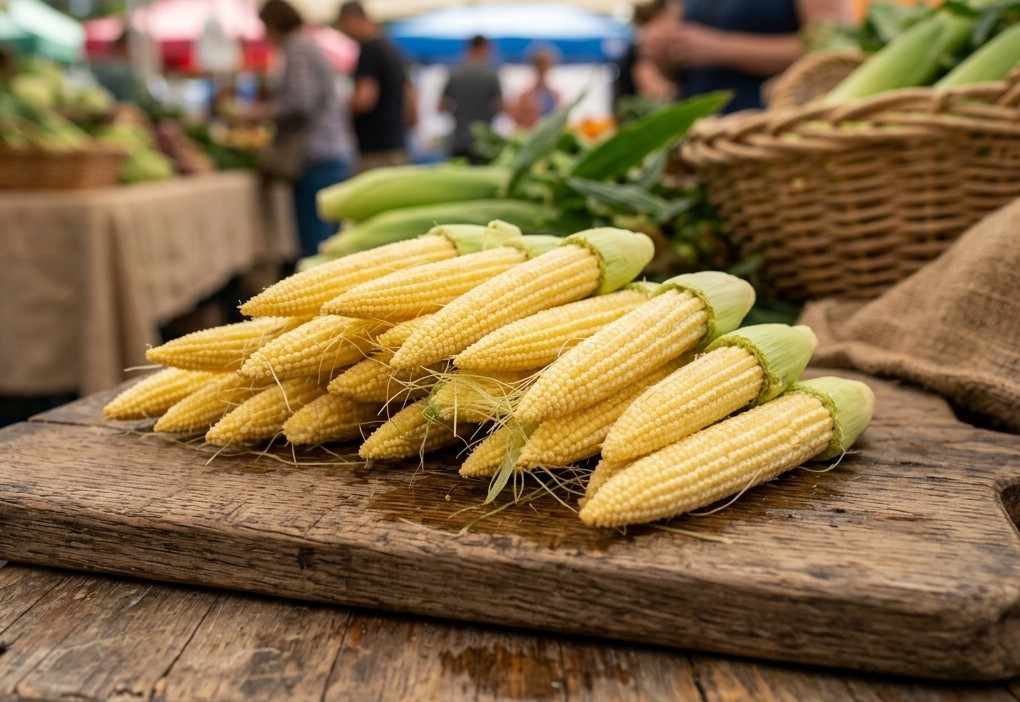
Baby corn, also known as young corn or cornlettes, is a small, tender version of corn that is harvested before the kernels fully develop. Unlike mature corn, the entire baby corn cob is soft enough to eat, including the cob itself. Its mild sweetness, crunchy texture, and versatility make it a popular ingredient in stir-fries, … Read more

White Corn: Nutrition, 20 Benefits, Side Effects & How to Eat It

White Corn

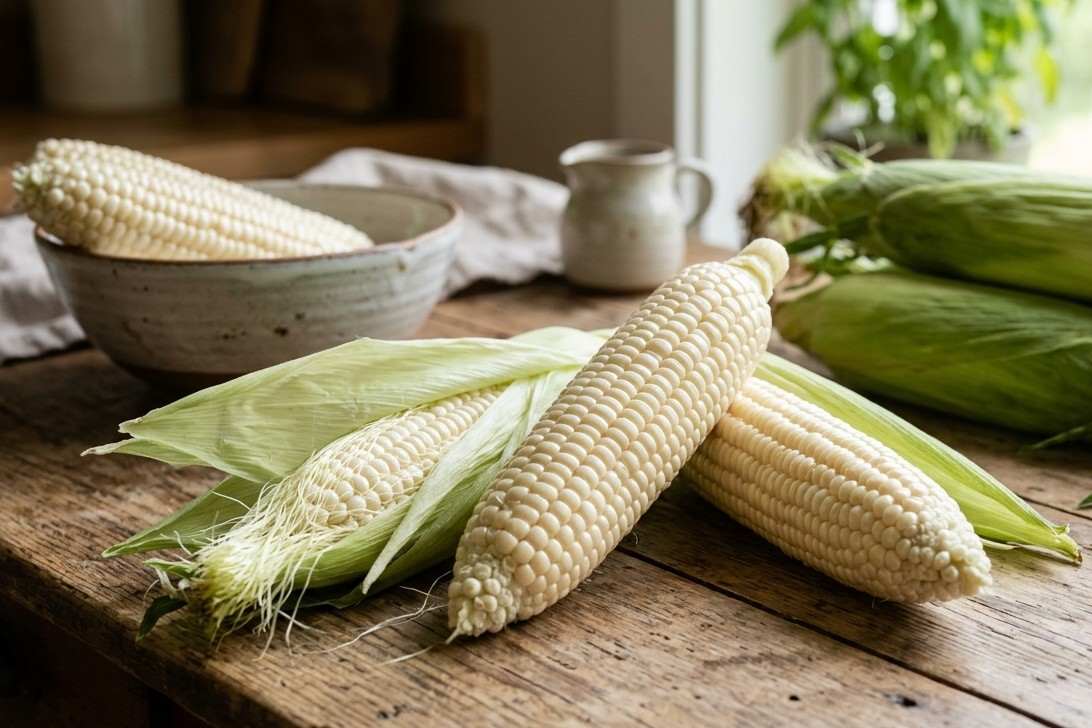
White corn is a popular variety of corn known for its pale or creamy-colored kernels, naturally sweet flavor, and soft texture when cooked. It is widely eaten fresh, boiled, grilled, steamed, roasted, or added to soups, salads, curries, tortillas, porridges, and other dishes. Like yellow corn, white corn provides carbohydrates, fiber, plant protein, vitamins, and … Read more

Glass Gem Corn: 20 Benefits, Side Effects & How to Eat It

Glass Gem Corn

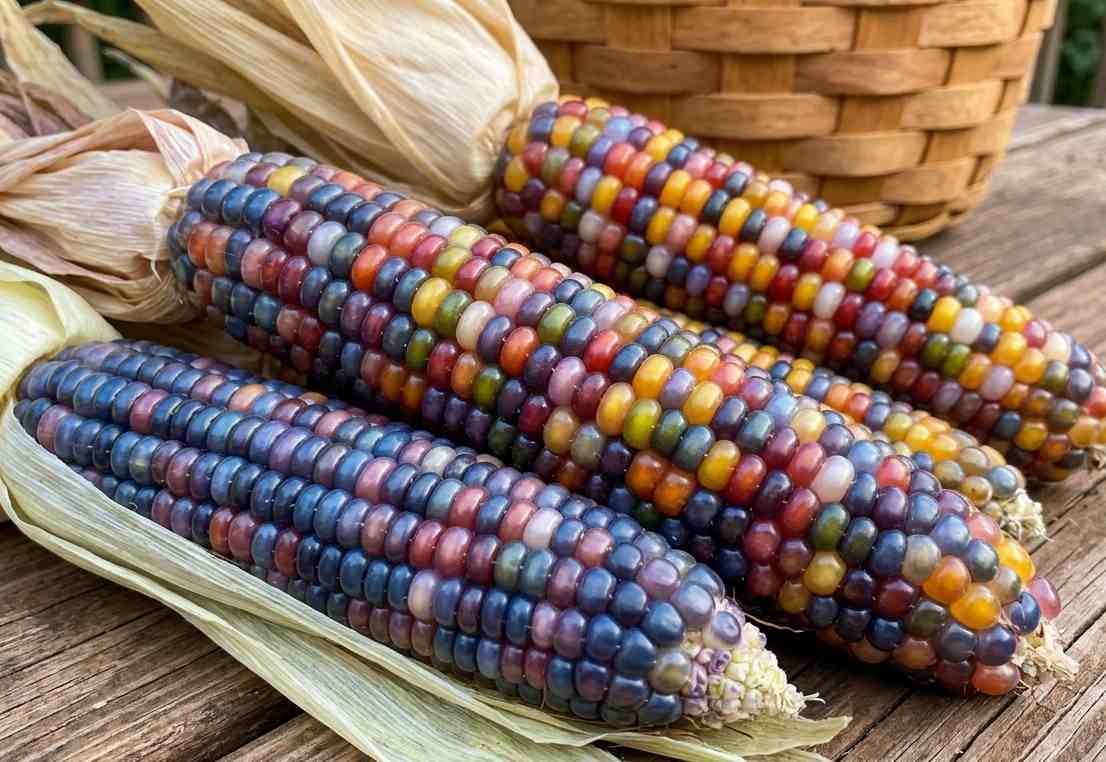
Glass Gem Corn, also known as rainbow corn, Indian corn, or calico corn, is one of the most visually striking varieties of corn, with kernels that can look like tiny pieces of glass, beads, or gemstones. Its naturally occurring colors may range from blue, purple, red, pink, orange, yellow, white, and multicolored combinations. Despite its … Read more

Red Corn: Nutrition, 20 Benefits, Side Effects & How to Eat It

Red Corn

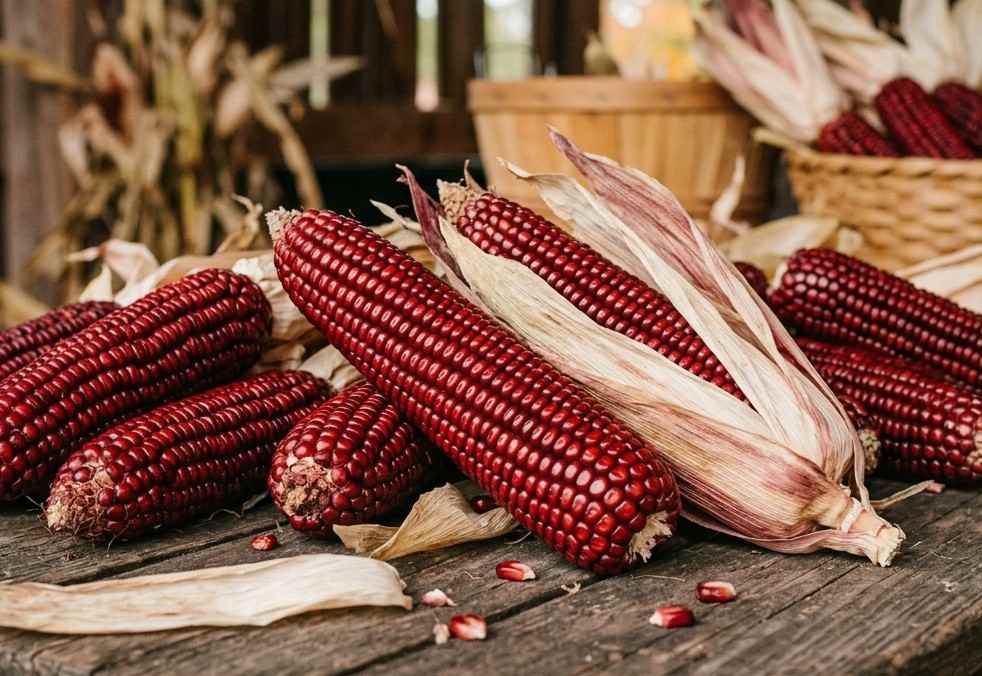
Red corn, also known as red maize, is a colorful variety of maize that has attracted attention because of its distinctive red kernels and naturally occurring plant compounds. Unlike ordinary yellow or white corn, red corn contains pigments such as anthocyanins and other phenolic compounds that contribute to its color and antioxidant activity. It can … Read more

Black Corn: Nutrition, 20 Benefits, Side Effects & How to Eat It

Black Corn

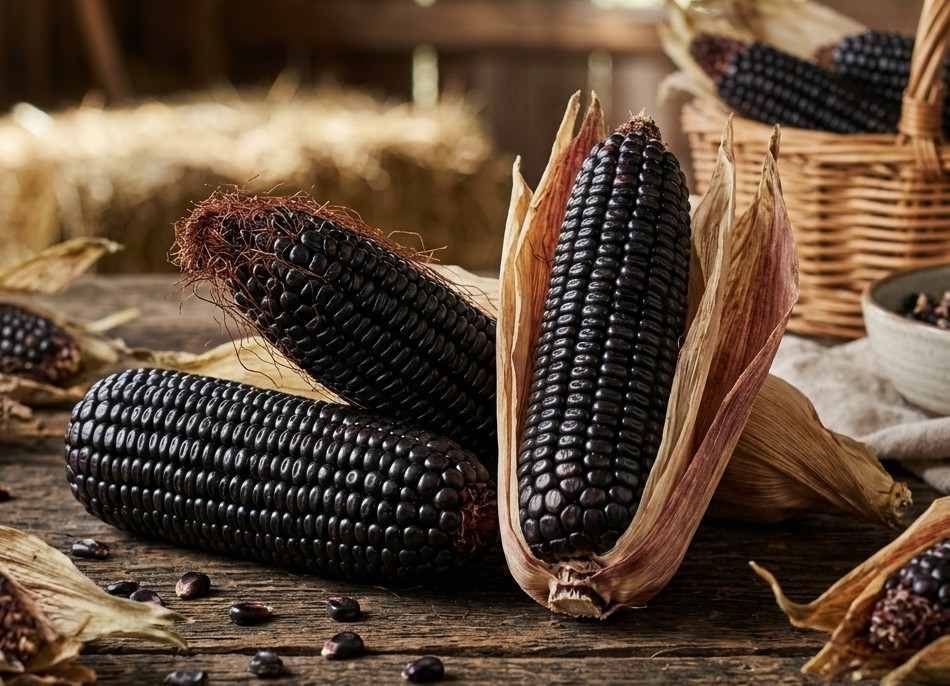
Black corn (also known as purple corn, or black maize) is an eye-catching variety of corn known for its deep purple-to-black kernels and slightly sweet, earthy flavor. Unlike ordinary yellow corn, black corn contains naturally occurring pigments called anthocyanins, which are also found in foods such as purple cabbage, blueberries, and black rice. These plant … Read more

Garden Cress: Nutrition, 20 Benefits, Uses, Side Effects & How to Eat It

Garden cress

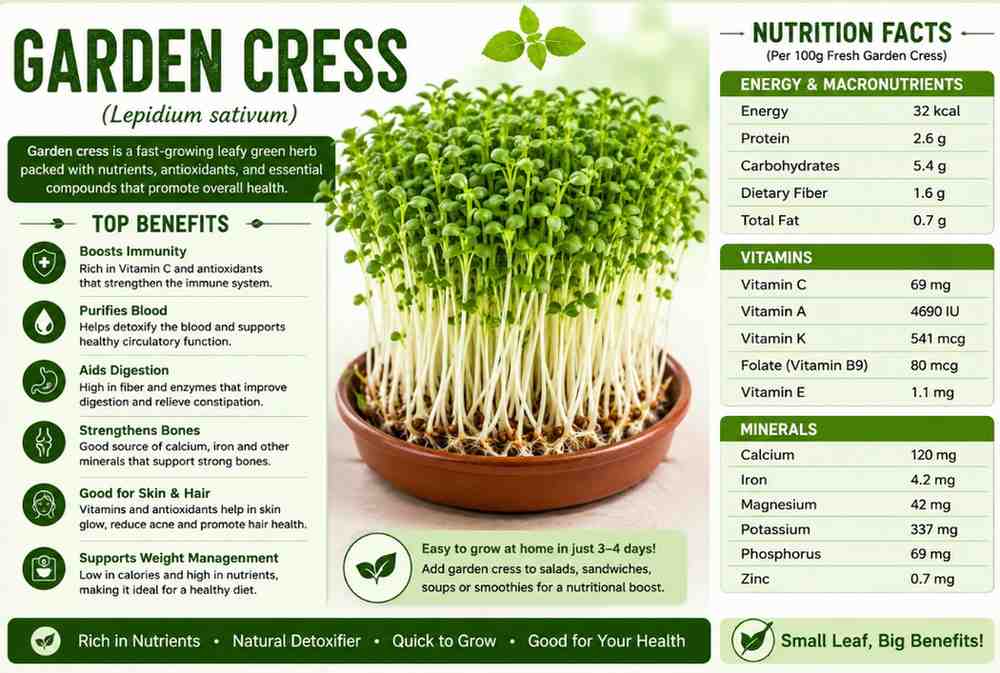
Garden cress is a small but remarkably nutrient-dense herb that has been used as both food and traditional medicine for centuries. Its tiny seeds are particularly popular in India, where they are known as halim, aliv, or chandrasur. The plant is scientifically known as Lepidium sativum and belongs to the Brassicaceae family, the same botanical … Read more