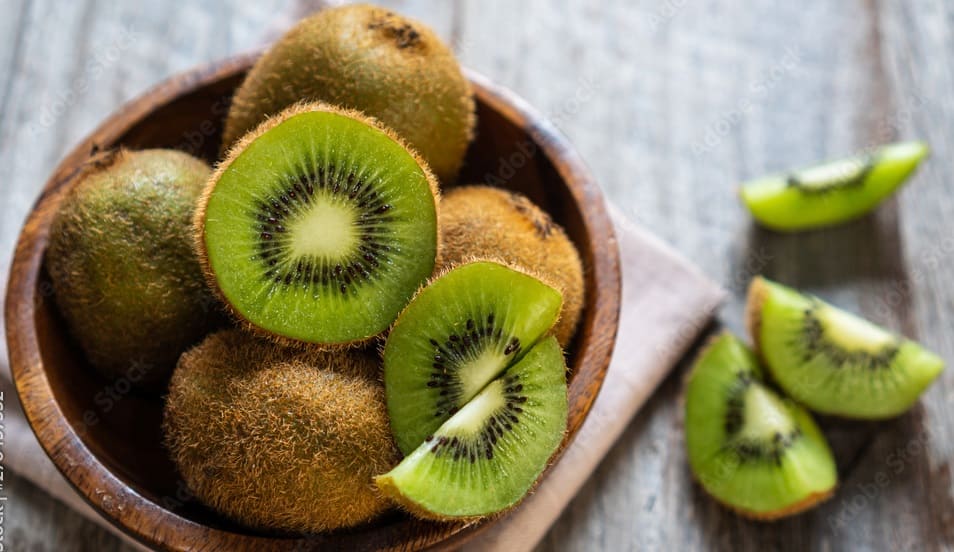
Kiwi, also known as the “Chinese gooseberry,” is a small, brown, fuzzy fruit with vibrant green or golden flesh inside. Despite its tiny size, this fruit packs a punch of nutrients, antioxidants, and unique health benefits that make it a true superfood. From boosting immunity to supporting digestion, kiwi has earned its place as one of the healthiest fruits in the world. In this guide, we will dive deep into everything you need to know about kiwi, including its nutritional value, health benefits, side effects, how to eat it, and precautions you should keep in mind.
What is Kiwi?
Kiwi (scientific name: Actinidia deliciosa) is a nutrient-rich fruit originally native to China. It is now grown worldwide, especially in New Zealand, Italy, Chile, and Greece. This small fruit has a fuzzy brown skin and a bright green or golden interior, speckled with tiny black seeds that are edible.
There are two main types of kiwi:
- Green Kiwi – tangy in taste, with bright green flesh.
- Golden Kiwi – sweeter, with smooth, golden flesh and a thinner skin.
Kiwi is low in calories yet loaded with essential vitamins, particularly Vitamin C, Vitamin K, dietary fiber, and antioxidants.
Nutrition Facts of Kiwi (per 100 grams)
| Nutrient | Amount |
|---|---|
| Calories | 61 kcal |
| Carbohydrates | 14.7 g |
| Sugars | 8.9 g |
| Dietary Fiber | 3 g |
| Protein | 1.1 g |
| Fat | 0.5 g |
| Vitamin C | 92.7 mg (over 100% DV) |
| Vitamin K | 40.3 µg (34% DV) |
| Vitamin E | 1.5 mg |
| Folate | 25 µg |
| Potassium | 312 mg |
| Calcium | 34 mg |
| Magnesium | 17 mg |
| Phosphorus | 34 mg |
| Copper | 0.13 mg |
DV = Daily Value (based on a 2000-calorie diet)
This shows that kiwi is one of the richest natural sources of Vitamin C, even higher than oranges.
20 Proven Health Benefits of Kiwi
Kiwi is more than just a refreshing snack. Here are science-backed health benefits of this incredible fruit:
- Boosts Immunity – High Vitamin C strengthens the immune system.
- Supports Heart Health – Potassium helps control blood pressure, and fiber lowers cholesterol.
- Aids Digestion – Contains actinidin, an enzyme that helps break down proteins.
- Improves Skin Health – Rich in Vitamin C and antioxidants, supporting collagen production.
- Promotes Better Sleep – Contains serotonin and antioxidants that improve sleep quality.
- Helps in Weight Management – Low-calorie, high-fiber content promotes satiety.
- Regulates Blood Pressure – Potassium reduces sodium levels in the body.
- Reduces Risk of Stroke – Antioxidants and anti-inflammatory properties support vascular health.
- Good for Eye Health – Contains lutein and zeaxanthin, which protect against macular degeneration.
- Improves Gut Health – Fiber feeds healthy gut bacteria.
- Supports Pregnancy – Rich in folate, essential for fetal development.
- Boosts Iron Absorption – Vitamin C enhances absorption of non-heme iron.
- Controls Blood Sugar Levels – Low glycemic index prevents sugar spikes.
- Enhances Respiratory Health – Studies suggest kiwi reduces wheezing and asthma symptoms.
- Reduces Oxidative Stress – Antioxidants protect cells from free radical damage.
- Supports Bone Health – Contains calcium, magnesium, and Vitamin K.
- Promotes Wound Healing – Vitamin C speeds up tissue repair.
- Helps Reduce Blood Clots – Kiwi naturally thins blood, lowering clot risks.
- Anti-Cancer Properties – Rich in antioxidants and phytochemicals that may reduce cancer risk.
- Boosts Mood and Mental Health – Improves serotonin levels, which enhance mood.
Kiwi Benefits for Men
Kiwi provides several nutrients that support men’s overall health. Its vitamin C, potassium, fiber, and antioxidants contribute to normal body functions.
- Supports Heart Health: Potassium and fiber contribute to cardiovascular health when included in a balanced diet.
- Supports Immune Function: Vitamin C helps maintain a healthy immune system.
- Supports Digestive Health: Dietary fiber helps promote regular bowel movements.
- Provides Antioxidants: Kiwi contains antioxidants that help protect cells from oxidative stress.
- Supports Muscle Function: Potassium contributes to normal muscle contraction and nerve function.
- Supports Skin Health: Vitamin C is essential for collagen production and normal skin function.
- Helps Maintain Healthy Blood Pressure: Potassium supports healthy blood pressure regulation.
- Supports Iron Absorption: Vitamin C helps the body absorb non-heme iron from plant-based foods.
Kiwi Benefits for Women
Kiwi is a nutrient-dense fruit that can support women’s nutritional needs. It provides vitamin C, folate, potassium, and dietary fiber.
- Supports Skin Health: Vitamin C contributes to collagen formation and helps maintain healthy skin.
- Supports Digestive Health: Fiber helps maintain regular bowel movements and digestive function.
- Provides Folate: Folate supports normal cell division and is particularly important before and during early pregnancy.
- Supports Immune Health: Vitamin C contributes to normal immune system function.
- Supports Bone Health: Vitamin K contributes to maintaining healthy bones.
- Helps Iron Absorption: Vitamin C improves the absorption of non-heme iron from plant foods.
- Supports Heart Health: Potassium and fiber contribute to cardiovascular health.
- Provides Antioxidants: Kiwi contains beneficial plant compounds that help protect cells from oxidative stress.
- Supports Weight Management: Its fiber and relatively low calorie content make it a useful addition to balanced meals.
- Supports Overall Nutrition: Kiwi provides essential vitamins and minerals that contribute to general health.
Kiwi Benefits for Skin
Kiwi contains vitamin C, vitamin E, and antioxidants that help support healthy skin. Including kiwi in a balanced diet can provide nutrients involved in collagen production and protection against oxidative stress.
- Supports Collagen Production: Vitamin C helps the body produce collagen, which maintains skin structure and firmness.
- Provides Antioxidant Protection: Antioxidants help protect skin cells against oxidative damage.
- Supports Skin Hydration: Kiwi contains water that contributes to overall hydration.
- Helps Maintain Skin Elasticity: Vitamin C supports normal collagen formation, which is important for skin structure.
- Supports Skin Repair: Vitamin C plays a role in normal wound healing and tissue repair.
- Provides Vitamin E: Vitamin E helps protect cells from oxidative stress.
- Supports Healthy Skin Appearance: Its combination of vitamins and antioxidants contributes to overall skin health.
- Supports Nutrient Intake: Chinese gooseberry provides nutrients that help maintain normal skin function.
Eating kiwi fruit supports skin nutrition, but it is not a treatment for acne, wrinkles, pigmentation, or other skin conditions.
10 Side Effects of Kiwi
While kiwi fruit is generally safe, excessive consumption or allergies can cause side effects:
- Allergic Reactions – Some people experience itching, rashes, or swelling.
- Oral Allergy Syndrome – Tingling or itching in the mouth after eating kiwi.
- Diarrhea – High fiber can cause digestive upset if eaten in large amounts.
- Kidney Issues – Excess potassium may harm people with kidney disease.
- Bleeding Risk – Chinese gooseberry can thin the blood, risky for those on anticoagulants.
- Gallstones Formation – High oxalates may contribute to kidney or gallstones.
- Interference with Medications – May interact with blood pressure and blood-thinning drugs.
- Low Blood Sugar – Excess Chinese gooseberry may cause hypoglycemia in some individuals.
- Skin Irritation – Handling kiwi peel can cause rashes in sensitive skin.
- Bloating and Gas – Excess fiber can lead to digestive discomfort.
How to Eat Kiwi?
Kiwi fruit can be enjoyed in several ways:
- Eat it raw by cutting it in half and scooping with a spoon.
- Add to fruit salads for a tangy twist.
- Blend into smoothies or juices for a refreshing drink.
- Use in desserts like cakes, tarts, and puddings.
- Pair with yogurt or oats for a nutritious breakfast.
- Dehydrate to make kiwi chips.
- Use in marinades as its enzymes tenderize meat.
Is It Better to Eat Kiwi With or Without the Skin?
Kiwi can be eaten with or without its skin. However, eating Chinese gooseberry with the skin provides additional dietary fiber, antioxidants, and vitamin E. The skin is particularly beneficial for people who want to increase their daily fiber intake.
- With Skin: Provides more fiber and antioxidants and may support digestive health.
- Without Skin: Easier to eat for people who dislike the fuzzy texture or have difficulty digesting the skin.
Wash kiwi thoroughly under running water before eating it with the skin. If the texture bothers you, peeling it is perfectly fine.
Tips for Consuming Kiwi
- Wash thoroughly before eating, especially if eating with the peel.
- Try golden Chinese gooseberry if you prefer a sweeter flavor.
- Combine with Vitamin E-rich foods (like nuts) for better antioxidant benefits.
- Avoid eating too many at once to prevent stomach upset.
- Choose ripe kiwis – slightly soft but not mushy.
- Store in the refrigerator to extend freshness.
- Eat the peel for extra fiber and antioxidants (optional).
Other Uses of Kiwi
Apart from eating, Chinese gooseberry has other uses:
- In skincare – Kiwi extracts are used in face masks and creams for glowing skin.
- In cooking – Acts as a natural meat tenderizer.
- In beverages – Used in cocktails, mocktails, and smoothies.
- In traditional medicine – Believed to aid digestion and boost immunity.
How Much Kiwi Should You Eat Per Day?
For most people, eating 1–2 medium kiwis per day is enough to enjoy the benefits without side effects. This provides sufficient Vitamin C, fiber, and antioxidants for daily needs.
Best Time to Eat Kiwi
- Morning – Boosts digestion and energy levels.
- Before Bed – Studies suggest kiwi improves sleep quality due to serotonin content.
- Before Exercise – Provides quick energy and hydration.
Who Should Eat Kiwi?
- People with weak immunity.
- Individuals with high blood pressure or cholesterol.
- Those trying to lose weight.
- Pregnant women (for folate).
- People struggling with constipation or poor digestion.
- Athletes needing a nutrient boost.
Who Should Not Eat Kiwi?
- People allergic to Chinese gooseberry or related fruits (banana, avocado).
- Individuals on blood-thinning medications.
- Patients with chronic kidney disease (due to potassium).
- People prone to gallstones or kidney stones.
- Children under 5 (if allergic reactions are suspected).
Precautions and Interactions
- Medication Interactions: Kiwi can interact with aspirin, warfarin, and other blood-thinning medications.
- Pregnancy: Safe in moderate amounts, but consult a doctor if allergic.
- Diabetes: Though low glycemic, overconsumption may affect blood sugar.
- Kidney Patients: Should monitor potassium intake.
Is Kiwi Good for Digestion and Constipation?
Yes, kiwi may support digestion and help relieve constipation because it contains dietary fiber and an enzyme called actinidin. These components may help support bowel regularity and digestive comfort.
How Kiwi Supports Digestion?
- Promotes Regular Bowel Movements: Dietary fiber helps increase stool bulk and supports regular bowel movements.
- May Relieve Constipation: Clinical research suggests that eating two green kiwifruits daily may improve bowel movement frequency.
- Supports Protein Digestion: Actinidin is a natural enzyme that helps break down certain dietary proteins.
- Supports Gut Health: Chinese gooseberry fiber can contribute to a healthy gut microbiome.
- Helps Maintain Stool Consistency: Its fiber and water content may help support comfortable bowel movements.
- Supports Digestive Comfort: Research suggests Chinese gooseberry consumption may improve gastrointestinal comfort in some people.
How Much Kiwi Should You Eat for Constipation?
Research suggests that eating two green kiwifruits daily may help improve constipation in adults. However, individual results can vary.
For better digestive health, combine Chinese gooseberry with adequate water, vegetables, whole grains, and regular physical activity.
If constipation is persistent, severe, or accompanied by blood in the stool or unexplained weight loss, consult a healthcare professional.
Final Thoughts
Kiwi is a powerhouse of nutrients, offering numerous health benefits, from boosting immunity to improving digestion and heart health. However, like any food, it should be eaten in moderation. By being mindful of allergies, medication interactions, and your body’s needs, you can enjoy this fruit as part of a balanced diet. Whether eaten raw, blended in smoothies, or added to salads, Chinese gooseberry is a versatile fruit that deserves a spot in your daily routine.
FAQ’s
Is kiwi a superfood?
Yes, Chinese gooseberry is often considered a superfood because it is packed with Vitamin C, fiber, antioxidants, and other nutrients that promote overall health.
Can you eat kiwi skin?
Yes, Chinese gooseberry skin is edible and contains extra fiber and antioxidants. However, wash it thoroughly to remove any dirt or pesticides.
Is kiwi high in sugar?
Chinese gooseberry contains natural sugars (around 9 g per 100 g), but it has a low glycemic index, making it safe for most people, including diabetics, when eaten in moderation.
Is kiwi good for weight loss?
Yes, Chinese gooseberry is low in calories and high in fiber, which helps you feel full and supports weight management.
Can pregnant women eat kiwi?
Yes, Chinese gooseberry is safe during pregnancy and provides folate, Vitamin C, and other nutrients important for fetal development. However, women with allergies should avoid it.
Does kiwi help with sleep?
Studies suggest that eating Chinese gooseberry before bed may improve sleep quality due to its serotonin and antioxidant content.
Is kiwi safe for diabetics?
Yes, Chinese gooseberry is safe for diabetics in moderate amounts because of its low glycemic index and high fiber content.
Can kiwi cause allergies?
Yes, some people may experience itching, swelling, or rashes after eating Chinese gooseberry, especially those allergic to latex, bananas, or avocados.
What does kiwi taste like?
Chinese gooseberry has a unique sweet-tart flavor. Green kiwi tastes slightly tangy and refreshing, while golden kiwi is sweeter and less acidic.
Is kiwi safe for children?
Yes, Chinese gooseberry is safe for children and provides essential vitamins like Vitamin C and fiber. However, it’s best to introduce it in small amounts to check for any allergic reactions.
Is kiwi safe to eat every day?
Yes, Chinese gooseberry can be eaten daily in moderation (1–2 kiwis per day). It provides antioxidants, fiber, and immunity-boosting nutrients without adding many calories.
What is kiwi fruit good for?
Chinese gooseberry is excellent for boosting immunity, supporting digestion, improving skin health, regulating blood pressure, and aiding weight management.
What is kiwi called in India?
In India, kiwi is simply called “kiwi fruit.” It is widely available in supermarkets and fruit markets across the country.
Is kiwi good for kidneys?
Chinese gooseberry can be good for kidney health because of its antioxidants and low sodium levels. However, people with chronic kidney disease should limit kiwi intake due to its high potassium content.
Is kiwi good for constipation?
Yes, Chinese gooseberry may help relieve constipation because it contains dietary fiber and the enzyme actinidin. Research suggests that eating two green kiwis daily may improve bowel movement frequency and digestive comfort.
Is green kiwi healthier than golden kiwi?
Both green and golden Chinese gooseberry are nutritious. Green kiwi generally provides more fiber, while golden kiwi is often richer in vitamin C. Both can be part of a healthy diet.
Can you eat kiwi at night?
Yes, you can eat kiwi at night. It provides fiber, vitamin C, and other nutrients. Some limited research also suggests potential sleep benefits when kiwi is eaten before bedtime.
What happens if you eat too much kiwi?
Eating too much Chinese gooseberry may cause bloating, gas, diarrhea, or stomach discomfort because of its fiber content. Excessive consumption may also trigger allergic reactions in sensitive individuals.
Is kiwi good for your stomach?
Yes, Chinese gooseberry may support digestive health by providing dietary fiber and actinidin, an enzyme that helps break down proteins. It may also support regular bowel movements.
Sources / References:
Disclaimer: This article is for informational purposes only and is not a substitute for professional medical advice. Consult a healthcare professional if you have allergies, medical conditions, or concerns about eating kiwi.
Also Read: