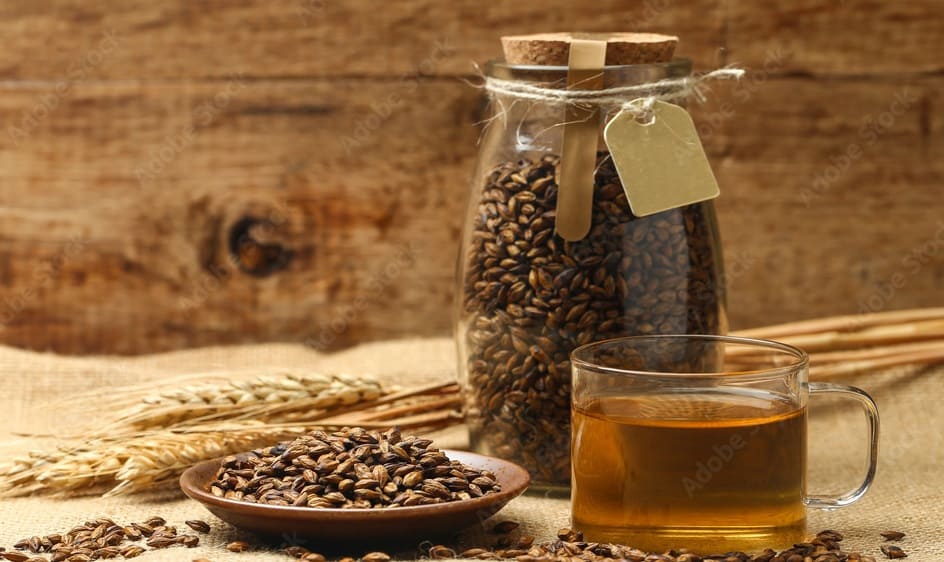
Barley tea, also known as mugicha in Japan and bori-cha in Korea, is a caffeine-free herbal infusion made from roasted barley grains. This tea has been a staple in East Asian cultures for centuries and is now gaining popularity around the world for its refreshing taste and impressive health benefits.
Unlike traditional teas such as green or black tea, barley tea is not made from the Camellia sinensis plant. Instead, it’s prepared by roasting barley grains and steeping them in hot water, resulting in a nutty, slightly smoky flavor with a toasty aroma. It can be enjoyed hot in the winter or cold during the summer, making it a versatile drink for all seasons. This guide will take you through everything you need to know about barley tea—from its nutritional facts and proven health benefits to its side effects, preparation methods, and precautions.
What is Barley Tea?
Barley tea is a traditional East Asian drink prepared by roasting barley kernels until they develop a rich aroma and then steeping them in water. The result is a tea with a mild, nutty, and slightly bitter flavor profile.
In Japan, it’s served chilled in summer to beat the heat, while in Korea, it is consumed both hot and cold throughout the year. Unlike coffee or green tea, barley tea contains no caffeine, making it suitable for children, the elderly, and anyone sensitive to stimulants.
Barley itself is a whole grain packed with fiber, vitamins, and minerals, which infuses the tea with health-boosting properties. While it does not contain as many nutrients as the whole grain (since it’s steeped, not eaten), it still provides antioxidants and beneficial plant compounds.
Nutritional Facts of Barley Tea
While barley tea is a low-calorie drink, it does offer trace minerals and plant-based compounds that support health. Below is a nutritional profile for one 240 ml cup (8 oz) of barley tea:
| Nutrient | Amount (Approx.) |
|---|---|
| Calories | 0–2 kcal |
| Carbohydrates | 0 g |
| Protein | 0 g |
| Fat | 0 g |
| Fiber | 0 g |
| Caffeine | 0 mg |
| Antioxidants | Present (phenolic compounds, melatonin, quercetin) |
| Minerals (trace amounts) | Magnesium, selenium, manganese, iron, phosphorus |
Note: The exact nutritional composition depends on brewing strength and preparation method. The primary benefits come from antioxidants, plant compounds, and trace minerals that leach into the tea during steeping.
20 Science-Backed Health Benefits of Barley Tea
Barley tea has been studied for its wide range of health benefits. Here are 20 evidence-based reasons why it’s worth adding to your diet:
- Improves Digestion – Barley tea contains fiber and compounds that support healthy bowel movements and prevent constipation.
- Aids Weight Management – As a zero-calorie, caffeine-free drink, it helps curb cravings without adding calories.
- Boosts Metabolism – Antioxidants and trace minerals may help improve metabolic processes.
- Supports Heart Health – Barley tea may help lower cholesterol and improve circulation.
- Regulates Blood Sugar – Studies suggest barley compounds improve insulin sensitivity and prevent blood sugar spikes.
- Strengthens the Immune System – Its antioxidants (like quercetin) help fight oxidative stress and support immunity.
- Promotes Better Sleep – Naturally caffeine-free, barley tea helps calm the body and promote restful sleep.
- Hydrates the Body – A refreshing alternative to sugary sodas and juices, barley tea aids in hydration.
- Detoxifies the Body – Barley tea may support liver function and detoxification processes.
- Rich in Antioxidants – Helps neutralize free radicals, protecting against cell damage.
- Supports Kidney Health – Traditionally used in Asian cultures to promote kidney function and prevent stones.
- Anti-Inflammatory Properties – The phenolic compounds in barley tea reduce inflammation in the body.
- Improves Blood Circulation – Certain compounds help thin the blood and promote vascular health.
- Helps in Managing Blood Pressure – The potassium content in barley supports blood pressure regulation.
- Supports Oral Health – Barley tea is mildly antimicrobial and may reduce bacteria in the mouth.
- Enhances Skin Health – Antioxidants support healthy, glowing skin by reducing oxidative stress.
- Boosts Energy Naturally – Even without caffeine, barley tea provides a refreshing energy lift.
- Supports Weight Loss Goals – Helps reduce bloating and water retention.
- Protects Against Certain Cancers – Some studies suggest antioxidants in barley may lower cancer risk.
- Gentle on the Stomach – Unlike coffee or black tea, it’s non-acidic and easy on digestion.
10 Side Effects of Barley Tea
While barley tea is generally safe, excessive consumption or certain health conditions may cause problems. Here are 10 possible side effects:
- Gluten Sensitivity – Barley contains gluten, making it unsuitable for those with celiac disease.
- Allergic Reactions – Rare, but possible in individuals with grain allergies.
- Digestive Upset – Overconsumption may cause bloating or gas.
- Interaction with Medication – May interfere with diabetes or blood-thinning medicines.
- Excessive Detox Effect – Large amounts can overstimulate the kidneys.
- Possible Blood Sugar Drops – Can cause low blood sugar in diabetics if consumed excessively.
- Excess Urination – Its mild diuretic effect may increase bathroom trips.
- Reduced Nutrient Absorption – Barley contains phytic acid, which may bind to minerals.
- Pregnancy Concerns – Some experts suggest avoiding barley tea during pregnancy due to uterine stimulation (though evidence is limited).
- Not for Infants – Should not be given to babies due to gluten and digestive immaturity.
How to Make Barley Tea?
Barley tea can be prepared in two main ways—using roasted barley grains or pre-packaged tea bags.
Ingredients:
- 2–3 tablespoons roasted barley (or 1–2 tea bags)
- 4 cups water
Instructions (Hot Barley Tea):
- Roast barley grains in a pan until they turn golden brown and aromatic.
- Boil 4 cups of water in a pot.
- Add roasted barley and simmer for 10–15 minutes.
- Strain into cups and enjoy hot.
Instructions (Cold Barley Tea):
- Brew the tea as above and let it cool.
- Refrigerate for a few hours or overnight.
- Serve chilled, optionally with ice.
Other Uses of Barley Tea
- As a Coffee Alternative – Its roasted flavor makes it a caffeine-free substitute for coffee.
- For Cooking – Used as a base for soups or broths in Korean cuisine.
- As a Summer Drink – Served iced in households and restaurants across Japan.
- Traditional Medicine – Used historically to support digestion and detoxification.
How Much Barley Tea Can You Drink a Day?
Moderation is key. Most experts recommend 2–3 cups per day for general health benefits. Drinking more is usually safe, but individuals with kidney conditions, low blood sugar, or gluten intolerance should be cautious.
Tips for Consuming Barley Tea
- Brew it fresh instead of using instant powders for maximum benefits.
- Drink it without added sugar to keep it healthy.
- Pair it with light meals for better digestion.
- Store brewed tea in the refrigerator for up to 2 days.
- Opt for organic barley to avoid pesticide exposure.
Best Time to Drink Barley Tea
- Morning – Refreshing start to the day without caffeine jitters.
- After Meals – Supports digestion and prevents bloating.
- Before Bedtime – Helps relax the body and promote sleep.
- During Hot Weather – A cooling drink that replenishes hydration.
Who Should Drink Barley Tea?
- People seeking a caffeine-free alternative to tea or coffee.
- Those wanting to improve digestion and hydration.
- Individuals managing high blood pressure or cholesterol.
- Anyone trying to lose weight naturally.
- People looking for a refreshing summer drink.
Who Should Not Drink Barley Tea?
- People with celiac disease or gluten sensitivity.
- Pregnant women (without consulting a doctor).
- Infants and very young children.
- Individuals with severe kidney disease.
- People taking medications for diabetes or blood thinners without medical advice.
Precautions and Interactions
- Drug Interactions: Barley tea may interact with blood pressure medications, anticoagulants, and diabetes drugs.
- Pregnancy & Breastfeeding: Limited evidence on safety, so consult your doctor before use.
- Medical Conditions: Avoid if you have kidney disease or gluten-related disorders.
- Storage Precautions: Store tea in a clean, airtight container to prevent contamination.
Final Thoughts
Barley tea is more than just a refreshing drink—it’s a cultural tradition and a health-boosting beverage rolled into one. From aiding digestion and hydration to supporting heart and kidney health, its benefits are vast. However, like any natural remedy, it should be consumed in moderation and with awareness of individual health conditions. If you’re looking for a caffeine-free, versatile, and nourishing drink, barley tea is worth adding to your daily routine.
FAQ’s
Does barley tea have caffeine?
No, barley tea is naturally caffeine-free, making it safe for children, the elderly, and those sensitive to stimulants.
Is barley tea good for weight loss?
Yes, barley tea is a low-calorie drink that supports digestion, reduces bloating, and may aid in weight management when paired with a healthy diet.
Can pregnant women drink barley tea?
Pregnant women should consult their doctor before drinking barley tea, as some sources suggest it may stimulate the uterus.
Is barley tea gluten-free?
No, barley tea is not gluten-free because barley contains gluten. People with celiac disease or gluten intolerance should avoid it.
Can you drink barley tea every day?
Yes, drinking 2–3 cups of barley tea daily is considered safe for most people. However, those with kidney disease or on certain medications should consult a doctor.
What does barley tea taste like?
Barley tea has a roasted, nutty, and slightly bitter taste with a toasty aroma, often compared to light coffee but without caffeine.
Is barley tea better hot or cold?
Both versions are beneficial—hot barley tea is soothing in winter, while iced barley tea is refreshing during summer.
Does barley tea help digestion?
Yes, barley tea has mild digestive benefits and is often consumed after meals in East Asia to reduce bloating and support gut health.
Can kids drink barley tea?
Yes, children can drink barley tea since it’s caffeine-free. However, it should not be given to infants due to gluten and digestive immaturity.
Where can I buy barley tea?
Barley tea is widely available in Asian supermarkets, health food stores, and online retailers in the form of roasted grains or tea bags.
Why do Japanese people drink barley tea?
In Japan, barley tea (mugicha) is a cultural staple consumed for its refreshing, roasted flavor and health benefits. It is especially popular in summer as a chilled drink to beat the heat, and since it’s caffeine-free, families often serve it to children and the elderly.
Is barley tea good for the kidneys?
Yes, barley tea is traditionally believed to support kidney health. It has mild diuretic properties that help flush out toxins and excess fluids, potentially reducing the risk of kidney stones. However, people with existing kidney disease should consult their doctor before drinking it regularly.
Does barley tea raise blood sugar?
No, barley tea does not raise blood sugar. In fact, studies suggest barley compounds may improve insulin sensitivity and help regulate glucose levels, making it beneficial for people managing diabetes when consumed in moderation.
Can barley tea lower cholesterol?
Yes, barley tea may help lower cholesterol levels. Barley is rich in beta-glucans and antioxidants that support heart health and reduce LDL (bad cholesterol), though the effect is milder compared to eating whole barley.
Does barley tea cause gas?
Barley tea is generally easy on digestion, but excessive intake may cause gas or bloating in some people, especially those sensitive to grains or gluten. Drinking it in moderation usually prevents this issue.
Is barley tea good for uric acid?
Yes, barley tea may help lower uric acid levels due to its mild diuretic effect, which supports flushing out excess uric acid through urine. This makes it a supportive drink for people with gout or high uric acid, though it should not replace medical treatment.
Also Read: