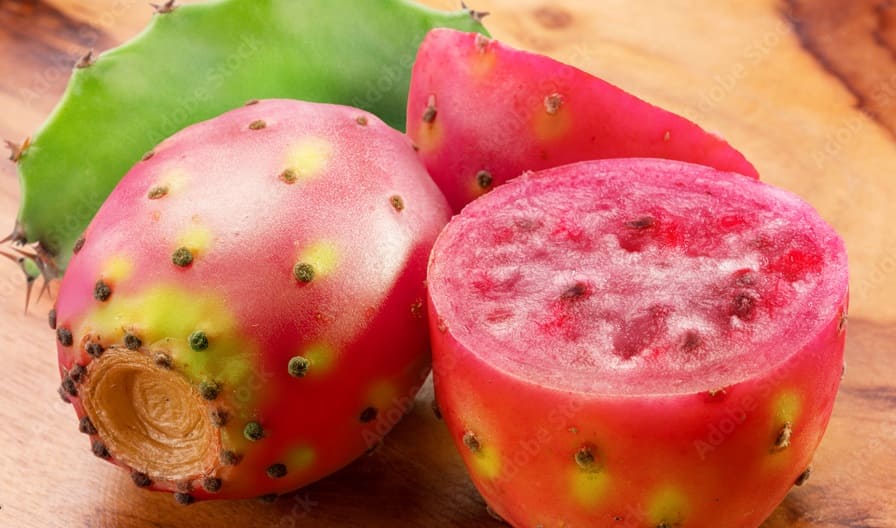
When it comes to fruits that surprise you with both their looks and health benefits, the Prickly Pear easily stands out. Known for its bright colors, unique taste, and medicinal properties, this fruit has been valued for centuries — especially in desert regions where it grows naturally. But beyond its striking appearance lies a powerhouse of nutrients that can support digestion, control blood sugar, and even promote glowing skin. Let’s explore everything you need to know about Prickly Pear — from its nutrition facts to benefits, side effects, and the best ways to enjoy it.
What is Prickly Pear?
Prickly Pear (scientific name: Opuntia ficus-indica) is a fruit that grows on the nopal cactus, a plant native to North and South America, particularly Mexico. It’s also known as cactus fruit, tuna fruit, or nopal fruit. The fruit appears oval-shaped with a thick outer skin covered in small, hair-like spines (called glochids). Inside, it holds a juicy, sweet pulp filled with small edible seeds.
Depending on the variety, the fruit can range in color from green and yellow to deep red and purple. Its taste is a mix of watermelon, bubblegum, and kiwi — refreshing yet subtly sweet. Beyond being a food source, Prickly Pear has long been used in traditional medicine to treat inflammation, high cholesterol, and type 2 diabetes. Today, it’s gaining global recognition as a superfruit for its incredible nutritional and medicinal value.
Nutrition Facts of Prickly Pear
Here’s a breakdown of the nutritional composition of one cup (149 grams) of raw Prickly Pear fruit:
| Nutrients | Amount (per 149g serving) |
|---|---|
| Calories | 61 |
| Carbohydrates | 14 grams |
| Protein | 1 gram |
| Fat | 0.8 grams |
| Fiber | 5 grams |
| Vitamin C | 35% of the Daily Value (DV) |
| Magnesium | 30 mg |
| Calcium | 83 mg |
| Potassium | 328 mg |
| Folate | 14 mcg |
| Vitamin A | 4% of the DV |
| Iron | 1 mg |
| Antioxidants | High (Betalains, Polyphenols) |
Prickly Pear is low in calories and fat but rich in dietary fiber, antioxidants, vitamins (especially C and A), and minerals like magnesium and potassium. This makes it an excellent choice for hydration, energy, and immune support.
20 Proven Health Benefits of Prickly Pear
Prickly Pear isn’t just another exotic fruit — it’s packed with bioactive compounds that contribute to overall health. Here are 20 science-backed benefits.
1. Boosts Immunity
With a high vitamin C content, Prickly Pear strengthens the immune system, helping your body fight off infections and seasonal illnesses.
2. Aids Digestion
Its rich fiber content supports healthy digestion by promoting bowel regularity and preventing constipation.
3. Regulates Blood Sugar
Studies show that compounds in the Prickly Pear may help lower blood glucose levels by improving insulin sensitivity and slowing sugar absorption.
4. Promotes Heart Health
Rich in antioxidants and fiber, this fruit helps reduce bad cholesterol (LDL) and improves good cholesterol (HDL), lowering heart disease risk.
5. Supports Weight Management
The combination of fiber and low calories helps you feel fuller for longer, curbing unnecessary snacking.
6. Hydrates the Body
Since it grows in desert regions, Prickly Pear naturally stores water, making it an excellent fruit for hydration — especially during summer.
7. Reduces Inflammation
It contains betalains, natural anti-inflammatory compounds that can help reduce muscle pain, joint stiffness, and inflammation-related issues.
8. Enhances Skin Health
The vitamin C and antioxidants support collagen production and protect against skin aging caused by free radicals.
9. Improves Liver Function
Research suggests that Prickly Pear can protect the liver from oxidative damage caused by toxins or alcohol.
10. Lowers Cholesterol Levels
Regular consumption can reduce total cholesterol, especially LDL levels, its fiber and antioxidant content.
11. Supports Bone Strength
The calcium and magnesium in Prickly Pear contribute to bone density and prevent conditions like osteoporosis.
12. Improves Vision
Being rich in vitamin A and beta-carotene, it supports good eyesight and reduces the risk of age-related eye disorders.
13. Detoxifies the Body
Its antioxidant compounds help flush out toxins and cleanse the liver, promoting better overall health.
14. Helps with Hangover Relief
Traditionally, Prickly Pear juice is used as a hangover remedy as it reduces nausea and inflammation caused by alcohol.
15. Promotes Healthy Skin Glow
The natural antioxidants, especially in the seeds and oil, rejuvenate dull skin and restore its natural glow.
16. Reduces Risk of Ulcers
Its mucilage content soothes the digestive tract and helps prevent stomach ulcers.
17. Strengthens Hair Health
The vitamin E and fatty acids in Prickly Pear seed oil nourish the scalp, strengthen hair roots, and reduce dryness.
18. Helps Manage Blood Pressure
Potassium-rich Prickly Pear balances sodium levels in the body, helping maintain stable blood pressure.
19. Provides Antioxidant Protection
Betalains, flavonoids, and polyphenols neutralize free radicals, reducing the risk of chronic diseases.
20. Boosts Energy and Mood
Its natural sugars and micronutrients provide steady energy release without spiking blood sugar levels.
10 Side Effects of Prickly Pear
Although it is generally safe, consuming it excessively or improperly can cause some side effects.
1. Digestive Discomfort
Overeating may lead to bloating, diarrhea, or mild cramping due to its high fiber content.
2. Low Blood Sugar
People on diabetes medications should be cautious as the fruit can enhance the effects, leading to hypoglycemia.
3. Allergic Reactions
Some individuals may experience itching, rashes, or swelling after consuming Prickly Pear.
4. Difficulty in Digestion
The small hard seeds may cause discomfort for those with sensitive stomachs or digestive issues.
5. Kidney Problems
People with kidney disease should avoid excess intake due to its potassium content.
6. Stomach Upset
Eating too much of the fruit or drinking too much juice may cause nausea or an upset stomach.
7. Intestinal Blockage
The seeds, if not chewed properly, might cause intestinal issues in rare cases.
8. Hypotension
As it may lower blood pressure, people with low blood pressure should consume it cautiously.
9. Interactions with Medications
It can interact with diabetes or diuretic medications, altering their effects.
10. Overhydration
Due to its water-retaining nature, excessive intake might disrupt electrolyte balance in rare instances.
How to Eat Prickly Pear?
Prickly Pear can be enjoyed in several delicious ways, but you need to handle it carefully because of its tiny spines. Here’s how to eat it safely:
- Wear gloves to avoid touching the spines.
- Rinse the fruit under running water to remove dust and loose glochids.
- Peel the skin using a knife — slice off both ends, make a shallow cut down the side, and peel away the outer layer.
- Scoop the pulp and eat it fresh, or strain it to remove the seeds.
- Enjoy it raw or use it in smoothies, salads, or desserts.
You can also make Prickly Pear juice, jam, syrup, or even candy. Its natural sweetness pairs beautifully with lime or mint.
Tips for Consuming Prickly Pear
- Always remove the spines before eating.
- Start with small portions if trying it for the first time.
- Drink plenty of water to help digest its fiber.
- Combine with lemon or lime juice to balance sweetness.
- Avoid eating the skin unless it’s been cooked or processed.
Other Uses of Prickly Pear
Beyond being a fruit, it has a variety of other uses in beauty, medicine, and food.
1. Skincare
Prickly Pear seed oil is a popular ingredient in skincare products for its moisturizing, anti-aging, and brightening effects.
2. Hair Care
It nourishes the scalp, strengthens hair follicles, and adds shine to dull hair.
3. Culinary Uses
Used in jams, juices, candies, and salads, it adds a tropical twist to recipes.
4. Traditional Medicine
Used in Mexican folk medicine for managing diabetes, liver problems, and wounds.
5. Livestock Feed
The cactus pads are often used as animal feed in arid regions.
6. Natural Dye
The fruit’s vibrant pigments are used as natural colorants in foods and textiles.
7. Hydrating Beverages
Prickly Pear juice or smoothies are popular summer refreshments that help prevent dehydration.
How Much Prickly Pear Can You Eat in a Day?
It’s safe to eat 1–2 medium-sized Prickly Pears per day or about 1 cup of diced fruit. This provides a healthy dose of fiber, vitamins, and hydration without overwhelming your digestive system. If consuming in juice form, limit intake to a small glass (around 150–200 ml) daily.
Best Time to Eat Prickly Pear
The best time to eat is:
- Morning – To boost hydration and provide natural energy.
- Before lunch – Helps manage appetite and prevent overeating.
- After workouts – A great way to rehydrate and replenish electrolytes.
Avoid eating it late at night as the high fiber may cause mild bloating for some people.
Who Should Eat Prickly Pear?
Prickly Pear is beneficial for:
- People with diabetes (in moderation, as it helps control blood sugar)
- Those with high cholesterol
- Individuals seeking weight management
- People with digestive issues or constipation
- Athletes and outdoor workers needing hydration
- Anyone looking for a natural antioxidant source
Who Should Not Eat Prickly Pear?
Certain individuals should avoid or limit Prickly Pear intake:
- People with kidney disease (due to high potassium)
- Individuals on diabetes medication (to prevent hypoglycemia)
- Those with low blood pressure
- Pregnant or breastfeeding women, unless approved by a doctor
- People with sensitive stomachs or chronic digestive disorders
How to Store Prickly Pear?
To preserve freshness and nutrients, store properly:
- Refrigerate: Store peeled fruit in an airtight container for up to 5 days.
- Freezing: You can freeze peeled and cubed fruit for up to 3 months.
- Juice or Syrup: Keep refrigerated and consume within a week.
- Avoid room temperature storage for long periods as it spoils quickly in warm weather.
Precautions and Interactions
- Always remove all spines before handling or consuming.
- If you’re on medication for diabetes, high blood pressure, or diuretics, consult your doctor before including it in your diet.
- Do not consume in excess, as it may cause digestive issues.
- Avoid eating the fruit on an empty stomach if you’re prone to acid reflux.
- Store and prepare the fruit hygienically to prevent bacterial contamination.
Final Thoughts
The Prickly Pear is more than just a colorful desert fruit — it’s a treasure trove of nutrients and healing properties. From boosting immunity and improving digestion to supporting heart and skin health, it has something to offer everyone.
However, like most natural foods, balance is key. Enjoy it fresh, in juice form, or as part of your meals — but always with proper preparation and moderation. Incorporating it into your diet can be a refreshing way to nourish your body naturally while exploring a fruit that’s as fascinating as it is beneficial.
FAQ’s
What does Prickly Pear taste like?
Prickly Pear tastes mildly sweet, similar to a mix of watermelon and bubblegum with a hint of tartness.
Can you eat Prickly Pear seeds?
Yes, the seeds are edible but hard. Many people prefer to blend and strain the juice instead of eating the seeds.
Can pregnant women eat Prickly Pear?
In moderate amounts, it’s generally safe, but it’s best to consult a doctor before consuming it during pregnancy.
Is Prickly Pear good for diabetics?
Yes, it can help lower blood sugar levels, but diabetic individuals should monitor intake and consult their healthcare provider.
Can you drink Prickly Pear juice daily?
Yes, but limit it to one small glass per day to avoid digestive discomfort.
Is Prickly Pear the same as dragon fruit?
No. Though both are cactus fruits, they belong to different plant species and have distinct flavors and textures.
Can Prickly Pear help with weight loss?
Yes. Its fiber and low-calorie nature make it an excellent addition to a weight-loss diet.
How long does Prickly Pear last in the fridge?
Peeled fruit lasts up to 5 days when stored in an airtight container.
What part of the Prickly Pear is edible?
The inner pulp and seeds are edible once the outer spiny skin is removed.
Can you make tea from Prickly Pear?
Yes, you can brew Prickly Pear pads or fruit to make a soothing and mildly sweet herbal tea.
Is Prickly Pear safe to eat daily?
Yes, Prickly Pear is generally safe to eat daily when consumed in moderation. Eating one or two fruits per day provides beneficial nutrients and antioxidants. However, overconsumption may lead to digestive discomfort due to its high fiber content.
Can children eat Prickly Pear?
Yes, children can eat in small quantities once the spines and skin are completely removed. It’s a nutritious and hydrating fruit, but parents should introduce it gradually to avoid any digestive issues. Always ensure the fruit is cleaned and peeled properly before serving.
Is Prickly Pear good for you?
Absolutely. Prickly Pear is packed with vitamins, antioxidants, and fiber that support digestion, boost immunity, protect the heart, and hydrate the body. Its low-calorie, nutrient-rich profile makes it a great addition to a balanced diet.
Is Prickly Pear good for the liver?
Yes, Prickly Pear supports liver health. Research suggests it helps reduce oxidative stress and inflammation in the liver, protecting it from damage caused by toxins or alcohol. Drinking juice in moderation can aid in natural liver detoxification.
Do Prickly Pears grow in India?
Yes, Prickly Pears do grow in India, particularly in dry and semi-arid regions such as Rajasthan, Gujarat, and parts of Maharashtra and Andhra Pradesh. The cactus adapts well to India’s hot climate and is even cultivated for its fruit and pads (nopal).
Are Prickly Pear cacti poisonous?
No, Prickly Pear cacti are not poisonous. Both the fruit and cactus pads (after removing spines) are edible and safe. However, eating the raw pads or fruit without cleaning off the tiny spines can cause irritation in the mouth or throat. Always handle and prepare it carefully.
Also Read: