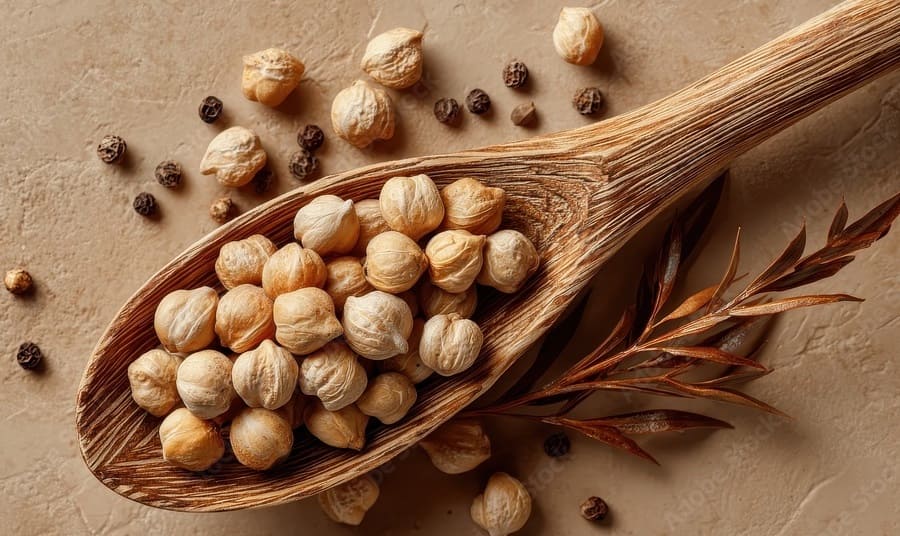
Candlenuts are one of those hidden treasures of nature that not many people talk about—yet they’ve been used for centuries in traditional foods, medicines, and even crafts. If you’re someone who loves discovering unique superfoods from around the world, candlenuts definitely deserve a spot on your radar.
These rich, oily nuts are popular in Southeast Asian cuisines—especially in Indonesia, Malaysia, and the Pacific Islands—where they are used not just to enhance flavor but also for their amazing health benefits. Known scientifically as Aleurites moluccanus, candlenuts have a fascinating history and a strong cultural presence. Let’s dive deep into everything you need to know about candlenuts—from what they are to how they influence your health.
What Are Candlenuts?
Candlenuts come from the candleberry tree (also called the kukui nut tree), which grows in tropical regions. The name “candlenut” comes from their traditional use as a natural source of light—they burn like candles due to their extremely high oil content.
They look somewhat like macadamia nuts: round, creamy-white inside, and covered in a tough, brown shell. However, unlike macadamia nuts, candlenuts must be cooked before eating. Raw candlenuts are toxic and can cause serious digestive distress.
Interesting facts about candlenuts:
- They are the state tree of Hawaii, where they are known as “kukui”.
- Historically used for making torches, candles, and varnish.
- A staple thickening ingredient in Southeast Asian dishes like curries and sambal.
Not only do candlenuts elevate food flavor and texture, but they are also packed with nutrients that support overall wellness.
Nutrition Facts of Candlenuts
Here’s what you get from a 100 g serving of candlenuts:
| Nutrient | Amount (per 100 g) |
|---|---|
| Energy | 630 calories |
| Protein | 15 g |
| Fat | 63 g |
| Carbohydrates | 7 g |
| Fiber | 1.5 g |
| Calcium | 40 mg |
| Iron | 1.5 mg |
| Magnesium | 80 mg |
| Potassium | 450 mg |
| Vitamin E | Present in small amounts |
| Omega-3 Fatty Acids | High concentration |
These nuts are primarily valued for their healthy fats, especially polyunsaturated fatty acids that support heart and brain health.
20 Proven Health Benefits of Candlenuts
Here are science-backed and traditional wellness benefits that make candlenuts a real health powerhouse:
- Supports Heart Health: Rich in omega-3 fatty acids, candlenuts help reduce cholesterol and protect heart function.
- Boosts Brain Function: Healthy fats nourish brain cells and may improve memory and cognition.
- Anti-Inflammatory Properties: The nut’s oil helps reduce inflammation inside the body.
- Promotes Digestive Regularity: Candlenuts act as a natural mild laxative when consumed properly.
- Strengthens Bones: Minerals like calcium and magnesium support bone density and joint health.
- Improves Skin Health: Oil extracted from candlenuts is commonly used to hydrate and protect the skin.
- Enhances Hair Health: Kukui nut oil is known to prevent dryness, reduce hair fall, and add shine.
- Antioxidant Boost: Vitamin E helps protect cells against damage from free radicals.
- Helps in Weight Management: Protein and healthy fats keep you full longer, reducing overeating.
- Supports Immune System: Nutrients in candlenuts promote better body defense against illness.
- Reduces Constipation: Traditionally used as a natural digestive relief food.
- Good for Respiratory Health: Some cultures use candlenut derivatives to help with coughs and asthma.
- Anti-bacterial Effects: Helps protect against harmful microorganisms.
- Improves Hormonal Balance: Healthy fats are essential for hormone production and regulation.
- Promotes Wound Healing: Kukui oil supports faster tissue recovery when applied topically.
- Nourishes Nails: Stronger, healthier nails due to naturally nutrient-rich composition.
- May Reduce Cancer Risk: Antioxidants help in reducing cell mutation risks.
- Protects Liver Health: Helps flush toxins and supports liver performance.
- Improves Metabolic Function: Protein and fats help maintain a balanced metabolism.
- Boosts Overall Energy Levels: High-calorie content provides sustained energy for daily activities.
10 Side Effects of Candlenuts
Candlenuts definitely offer great health benefits, but like many powerful natural foods, they must be consumed with caution. Especially when raw, they can be harmful. Here are the main side effects to keep in mind:
- Toxic When Raw: Raw candlenuts contain toxic compounds that can irritate the stomach and intestines.
- Severe Nausea and Vomiting: Eating them without properly cooking may lead to immediate discomfort and vomiting.
- Diarrhea and Loose Stools: Candle nuts act as a strong laxative if taken in excess and can cause dehydration.
- Stomach Pain and Cramping: Overconsumption may trigger abdominal pain and digestive spasms.
- Allergic Reactions: People allergic to nuts may experience itching, swelling, rashes, or breathing difficulties.
- Low Blood Pressure Risk: Certain compounds may lead to a drop in blood pressure, especially if you already have hypotension.
- Risk During Pregnancy or Breastfeeding: Due to their laxative effect and toxicity risk when undercooked, pregnant or breastfeeding women should avoid them unless medically advised.
- Potential Interaction With Medications: They may intensify the effects of laxatives, diuretics, or medicines affecting digestion.
- Skin Irritation (Topical Use): Applying candlenut oil to sensitive or broken skin may cause redness or irritation.
- Bowel Discomfort in Sensitive Individuals: People with IBS, chronic diarrhea, or gut inflammation may react strongly even to small quantities.
Safety rule: Always cook candlenuts before eating. Never consume them raw.
How to Eat Candlenuts?
Candle nuts are not eaten like regular nuts. They are mostly used as an ingredient in:
- Curries
- Stir-fries
- Sambal (spicy chili paste)
- Soups and stews
- Nut-based sauces
They add a creamy, slightly bitter, rich taste to dishes and also act as a thickener.
How to prepare them safely:
- Roast or boil before using
- Grind and mix with other ingredients
- Add in small amounts for flavor balance
Tips for Consuming Candlenuts
- Always cook thoroughly.
- Start with small amounts to see how your body reacts.
- Combine with healthy fresh ingredients.
- Use in moderation due to high fat content.
- Store properly to prevent oil rancidity.
Other Uses of Candlenuts
Beyond the kitchen, candle nuts have many fascinating applications:
- Kukui oil for skincare and haircare
- Used in soaps and massage oils
- Natural varnish and wood polish
- Fuel for candles and torches
- Traditional tattoo ink base
- Ingredient in herbal medicine
They are truly versatile nuts with cultural significance and functional benefits.
How Much Candlenuts Can You Eat in a Day?
The recommended maximum:
2–3 cooked candlenuts per day
Because of their strong digestive effects, consuming too many is not advisable.
Candlenuts Dosage
| Purpose | Recommended Intake |
|---|---|
| General health | 1–2 cooked nuts daily |
| Digestive relief | Up to 2–3 cooked nuts daily (short-term only) |
| As a food ingredient | Small amount blended into dishes |
Never exceed recommended amounts without professional guidance.
Best Time to Eat Candlenuts
Candle nuts are best consumed:
- In the morning with meals for better digestion
- Along with cooked dishes to avoid stomach irritation
Avoid eating them late at night, as they may stimulate bowel movement.
Who Should Eat Candlenuts?
Candle nuts may be beneficial for:
- People with constipation
- Those seeking natural skincare or hair remedies
- Individuals needing nutrient-rich healthy fats
- People looking for plant-based energy sources
Who Should Not Eat Candlenuts?
Avoid or consult a doctor if you:
- Have nut allergies
- Are breastfeeding or pregnant (without medical advice)
- Have chronic digestive disorders
- Have low blood pressure
- Are currently on laxatives or diuretics
Health safety first—when in doubt, consult a healthcare professional.
How to Store Candlenuts?
Store properly to maintain freshness and prevent oil spoilage:
- Keep them in an airtight container
- Refrigerate or freeze for long-term storage
- Avoid exposure to heat, sunlight, or moisture
- Store away from strong-smelling foods
Freshness matters because the oils turn rancid over time.
Precautions and Interactions
- Never consume raw candle nuts due to toxicity.
- Can interact with digestive medicines and blood pressure medications.
- Introduce gradually to avoid stomach issues.
- Monitor for allergic reactions.
- Use under guidance if taking herbal remedies with laxative effects.
Safety is key when adding any powerful natural food to your diet.
Final Thoughts
Candlenuts prove that nature hides remarkable wellness treasures in unexpected places. They are nutrient-rich, beneficial for digestion, skin, and heart health, and add depth to some of the most delicious Southeast Asian cuisines.
However, they must be handled with care. Raw candle nuts are toxic, and even cooked ones should be consumed in moderation. When used properly, though, they make an excellent addition to both your kitchen and your wellness routine. If you’re exploring superfoods to level up your health journey, candle nuts are definitely worth trying—just remember to cook them well.
FAQ’s
What do candlenuts taste like?
Candle nuts have a mild, creamy, and slightly bitter taste. They are often used as a thickener in curries and sauces rather than eaten on their own.
Can you eat raw candlenuts?
No. Raw candle nuts are toxic and can cause nausea, vomiting, and diarrhea. They must always be roasted, boiled, or cooked properly before eating.
Are candlenuts healthy?
Yes, when consumed in recommended amounts. They provide healthy fats, protein, antioxidants, and minerals that support heart, brain, skin, and digestive health.
Can pregnant women eat candlenuts?
Pregnant women should avoid eating candle nuts unless advised by a healthcare professional due to their laxative effects and potential toxicity if not cooked correctly.
Are candlenuts good for digestion?
Yes. Candle nuts have natural laxative properties that help relieve constipation when consumed in moderation.
Are candlenuts the same as macadamia nuts?
They look similar, but they are not the same. Macadamia nuts are safe to eat raw, while candle nuts must be cooked before eating due to toxicity.
How are candlenuts used in cooking?
They are commonly ground and added to curries, sambal, thick sauces, soups, and stir-fries to enhance texture and flavor.
Can children eat candlenuts?
Children can eat candle nuts only when they are fully cooked and given in very small amounts. Because candle nuts have strong laxative effects, they should never be served raw. It’s best to consult a pediatrician before introducing them to a child’s diet.
Is candlenuts safe to eat every day?
Candle nuts can be eaten daily, but only in moderation. A small amount (1–2 cooked nuts per day) is usually considered safe. Eating too many candle nuts may lead to diarrhea or stomach discomfort.
What is a candlenut called in India?
Candle nuts are sometimes referred to as Indian walnuts in local markets. They are not very common in Indian traditional cooking, so names may vary depending on the region and seller.
What are candlenuts used for?
Candle nuts are mainly used in Southeast Asian cooking as a thickener in curries, sauces, and sambal. Beyond food, their oil is widely used in skincare, haircare, and traditional herbal remedies.
What can I substitute for candlenuts?
The best substitutes for candle nuts are macadamia nuts because they have a similar creamy texture. Cashews and Brazil nuts are also good alternatives for thickening dishes and adding richness.
Are candlenuts safe to eat?
Yes, candle nuts are safe when cooked properly. Raw candle nuts are toxic and can cause nausea, vomiting, and stomach upset. Cooking removes harmful compounds and makes them safe for consumption.
How long to cook candlenuts?
Candle nuts should be cooked thoroughly before eating. Boil them for about 10–15 minutes or lightly roast them for 8–10 minutes until they are completely cooked through.
How to use candlenuts for hair?
Candlenut (kukui) oil can be applied to the scalp and hair to reduce dryness, strengthen strands, and add shine. It’s typically used as a nourishing hair oil treatment and washed out after a few hours.
How to cook with candlenuts?
Candle nuts are usually roasted or boiled first, then ground into a paste and added to dishes. They help thicken curries, stews, and chili pastes while enhancing flavor and giving a creamy consistency.
Also Read: