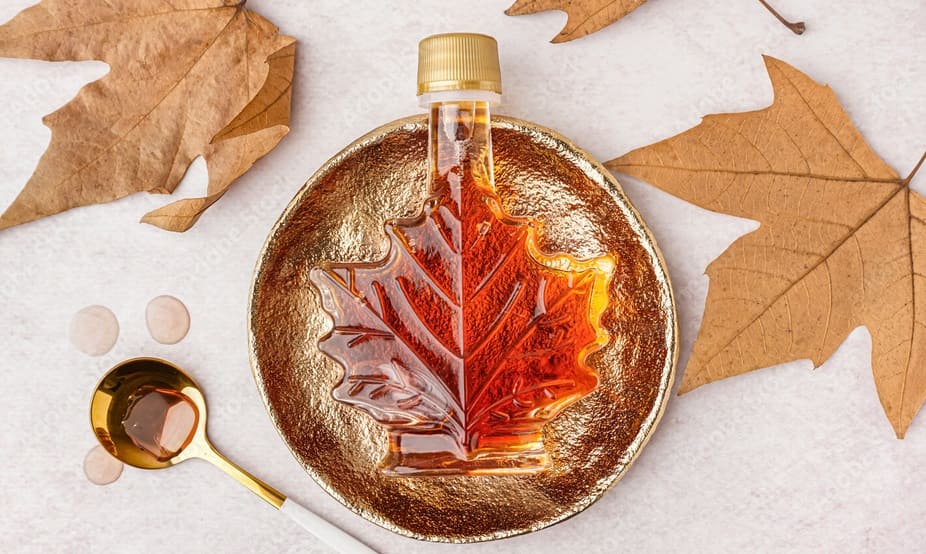
When you think of pancakes on a cozy Sunday morning, what’s the first thing that comes to mind? For most people, it’s that golden drizzle of maple syrup slowly flowing over the stack, soaking into every layer, and adding that perfect touch of sweetness. But maple syrup is much more than just a delicious topping—it’s a natural sweetener with a fascinating history, impressive nutritional properties, and surprising health benefits.
In guide, we’ll explore everything about maple syrup: what it is, how it’s made, its nutrition facts, the science-backed health benefits, potential side effects, and tips on how to enjoy it responsibly.
What is Maple Syrup?
Maple syrup is a natural sweetener made from the sap of maple trees, primarily the sugar maple (Acer saccharum), though red and black maples can also be used. The sap is collected in early spring, typically between February and April, when temperatures fluctuate between freezing nights and warmer days.
This temperature cycle causes the sap to flow from the roots up into the trunk, allowing farmers to tap it by drilling small holes in the trees and collecting the clear, watery sap that emerges. Once gathered, the sap is boiled down to remove excess water, leaving behind a thick, amber-colored syrup. In fact, it takes around 40 liters of maple sap to produce just one liter of maple syrup, showing how concentrated and precious this natural sweetener truly is.
A Brief History of Maple Syrup
The story of maple syrup stretches back centuries, long before European settlers arrived in North America. Indigenous peoples in the northeastern regions of the continent were the first to discover and harvest maple sap. They collected the sap and either drank it as a refreshing spring beverage or boiled it into a thick syrup to sweeten food and preserve energy for the months ahead.
When European settlers learned about this practice, they adopted it, eventually developing more efficient methods for tapping and boiling the sap. Over time, maple syrup became an important economic and cultural product, particularly in Canada, which today produces about 70–80% of the world’s supply—most of it from the province of Quebec.
Nutritional Facts of Maple Syrup (per 100 grams)
| Nutrient | Amount |
|---|---|
| Calories | 260 kcal |
| Carbohydrates | 67 g |
| Sugars | 60 g |
| Protein | 0 g |
| Fat | 0 g |
| Calcium | 102 mg |
| Iron | 0.1 mg |
| Magnesium | 21 mg |
| Potassium | 212 mg |
| Zinc | 1.2 mg |
| Manganese | 2.9 mg |
| Riboflavin (Vitamin B2) | 1.2 mg |
Maple syrup is primarily composed of natural sugars, mostly sucrose, with small amounts of glucose and fructose. However, it also contains valuable minerals and antioxidants, which give it an edge over refined white sugar.
20 Proven Health Benefits of Maple Syrup
While it’s still a sweetener and should be used in moderation, maple syrup offers a surprising range of potential health benefits, especially when compared to processed sugars. Let’s explore these in detail.
1. Rich in Antioxidants
Maple syrup contains over 20 different antioxidant compounds, including phenolic acids and flavonoids. These help neutralize free radicals and reduce oxidative stress in the body.
2. Supports Heart Health
Due to its manganese, zinc, and antioxidant content, maple syrup may contribute to better cardiovascular health by supporting proper heart function and reducing inflammation.
3. Helps Boost Energy Levels
Maple syrup provides quick, natural energy because it’s rich in simple carbohydrates that your body can absorb easily, making it a better pre-workout alternative to refined sugars.
4. Contains Anti-Inflammatory Properties
Some compounds found in maple syrup, such as quebecol (formed during boiling), have been shown to have anti-inflammatory effects.
5. May Help Manage Blood Sugar Better Than Refined Sugar
Although it still raises blood sugar levels, the presence of polyphenols and minerals makes maple syrup slightly better for glycemic control than white sugar or corn syrup.
6. Promotes a Healthy Immune System
Maple syrup is a good source of zinc and manganese, both of which are crucial for maintaining immune system health and protecting against infections.
7. Supports Bone Health
The calcium and magnesium in maple syrup help keep bones strong, making it a small but supportive addition to your diet when consumed wisely.
8. May Improve Digestion
Unlike artificial sweeteners, maple syrup is natural and less likely to cause bloating or gut discomfort.
9. Enhances Brain Function
Manganese plays a role in brain and nerve function, potentially helping with memory and focus.
10. Natural Skin Nourisher
When used in skincare masks, maple syrup can help moisturize and soothe the skin due to its humectant properties.
11. Contains Fewer Additives
Unlike many commercial sweeteners, pure maple syrup doesn’t contain preservatives, colorants, or artificial flavoring agents.
12. Supports Healthy Metabolism
The presence of riboflavin (vitamin B2) helps in the metabolism of carbohydrates, fats, and proteins, ensuring efficient energy use.
13. May Help Reduce Oxidative Damage
Antioxidants in maple syrup protect cells from oxidative stress, which can contribute to aging and chronic diseases.
14. Less Processed Than Other Sweeteners
Pure maple syrup undergoes minimal processing compared to refined sugar or high-fructose corn syrup.
15. A Better Alternative for Sweetening Beverages
Using maple syrup in coffee, tea, or smoothies adds a touch of sweetness without the harsh spike and crash associated with refined sugar.
16. Contains Unique Phytochemicals
Studies have identified certain compounds like maple lignans and phenolic compounds that may have anti-cancer and anti-bacterial properties.
17. Helps Combat Fatigue
The quick energy from natural sugars and the minerals in maple syrup make it a good choice to fight fatigue after physical activity.
18. May Aid Liver Health
Some studies suggest that natural sweeteners like maple syrup put less strain on the liver compared to refined sugar.
19. Improves Mood
Consuming natural sugars in moderation helps maintain serotonin levels, improving mood and reducing irritability.
20. A Sustainable Natural Product
Pure maple syrup production is environmentally friendly, as it relies on renewable tree sap and minimal processing.
10 Side Effects of Maple Syrup
Even though maple syrup has many benefits, it’s still high in sugar and calories. Overconsumption can lead to certain health issues.
1. Can Raise Blood Sugar Levels
Despite being natural, maple syrup has a high glycemic index and can raise blood sugar levels quickly.
2. May Contribute to Weight Gain
Excess intake adds calories, which can lead to unwanted weight gain if not balanced with physical activity.
3. Not Suitable for Diabetics in Large Amounts
People with diabetes should consume it cautiously since it still contains a significant amount of sugar.
4. Possible Tooth Decay
Like any sweetener, maple syrup can promote cavities if proper dental hygiene isn’t maintained.
5. Allergic Reactions (Rare)
Some individuals may experience mild allergic reactions to maple syrup, though it’s uncommon.
6. Possible Contamination in Low-Quality Syrups
Commercial or artificial syrups labeled as “maple-flavored” often contain additives like high-fructose corn syrup, which are unhealthy.
7. Excessive Manganese Intake
While manganese is beneficial, consuming excessive maple syrup can lead to too much of it, potentially affecting nerve function.
8. Calorie-Dense
One tablespoon of maple syrup has about 52 calories—making it easy to overconsume without realizing it.
9. Can Disrupt Blood Lipid Levels
Excess sugar intake may affect cholesterol and triglyceride levels over time.
10. May Cause Sugar Cravings
Frequent use of any sweetener, even natural ones, can increase dependency on sweet foods.
How to Eat Maple Syrup?
Maple syrup can be used in countless ways beyond just topping your pancakes. Here are some creative and delicious ways to enjoy it:
- As a breakfast drizzle – Pour it over pancakes, waffles, or French toast.
- In beverages – Add a teaspoon to your coffee, tea, or smoothies for a natural sweetness.
- For baking – Substitute sugar with maple syrup in cakes, muffins, or cookies for a rich flavor.
- With yogurt or oatmeal – A light drizzle can enhance the taste and provide minerals.
- In salad dressings – Combine with olive oil, vinegar, and mustard for a tangy-sweet dressing.
- As a glaze for meats – Works wonderfully with roasted ham, salmon, or chicken.
- Over roasted vegetables – Try it on carrots, sweet potatoes, or Brussels sprouts.
- In sauces and marinades – Adds depth to BBQ or teriyaki-style dishes.
- In desserts – Perfect for topping ice cream, pancakes, or fruit salad.
Tips for Consuming Maple Syrup
- Always choose pure maple syrup, not the artificial “pancake syrup” versions that are mostly corn syrup and flavoring.
- Use moderation—even natural sugar should be limited to maintain healthy blood sugar levels.
- Store it properly in a cool, dark place, and refrigerate after opening to prevent spoilage.
- Experiment with grades—Grade A Light Amber is mild and delicate, while Grade A Dark Amber offers a deeper, caramelized taste.
- Combine with fiber-rich foods to slow down sugar absorption and prevent spikes in blood sugar.
- Avoid boiling it again after opening, as high heat can degrade its nutrients.
- Read labels carefully—look for “100% pure maple syrup” with no additives.
- Consider portion size—one tablespoon (about 20 grams) is typically enough for flavoring a dish.
Other Uses of Maple Syrup
Besides its role as a sweetener, maple syrup has some fascinating other uses:
- In skincare – Its moisturizing and antibacterial properties make it useful in DIY face masks and scrubs.
- In hair care – When mixed with olive oil or coconut oil, it can help soften and nourish dry hair.
- As a throat soother – A teaspoon of maple syrup in warm water or tea can help soothe a sore throat.
- As a natural preservative – Its sugar content can help in preserving fruits or making jams.
- In homemade energy snacks – Combine it with oats and nuts for natural energy bars.
How Much Maple Syrup Can You Eat in a Day?
Health experts suggest limiting added sugars (including natural ones) to no more than 25–30 grams per day for most adults. Since one tablespoon of maple syrup has about 12–14 grams of sugar, you can safely enjoy 1–2 tablespoons daily without negative effects—if balanced with a healthy diet.
Best Time to Eat Maple Syrup
There’s no strict “best” time, but here are some helpful guidelines:
- Morning: Great for adding quick energy to your breakfast.
- Pre-workout: Provides a natural carbohydrate source for endurance and stamina.
- Post-meal dessert: Works well as a healthier alternative to sugary desserts.
Avoid consuming large amounts late at night, as sugar intake can interfere with sleep quality.
Maple Syrup Dosage
While maple syrup offers several nutrients and antioxidants, it’s still primarily composed of sugar. To enjoy its benefits without the drawbacks, moderation is key.
- Recommended amount:
Adults can safely consume 1–2 tablespoons (about 15–30 ml) per day as part of a balanced diet. - For children:
Limit intake to 1 teaspoon (about 5 ml) per serving and avoid giving it regularly to prevent sugar dependency. - For diabetics or people monitoring sugar:
Use only ½ tablespoon (about 7 ml) occasionally, and pair it with fiber-rich foods to minimize blood sugar spikes.
Always remember: even though maple syrup is natural, too much of any sugar—natural or refined—can lead to weight gain, insulin resistance, or tooth decay.
Who Should Eat Maple Syrup?
Maple syrup can be a good option for people who want a natural alternative to refined sugar or artificial sweeteners. Here’s who may benefit most from including it (in moderation):
- Athletes and physically active individuals: Its simple carbohydrates provide quick, clean energy for workouts and recovery.
- People seeking natural sweeteners: Those wanting to move away from white sugar or high-fructose corn syrup can use maple syrup for its minerals and antioxidants.
- Individuals with mineral deficiencies: Maple syrup contains small but useful amounts of manganese, zinc, and potassium.
- Those looking for plant-based sweeteners: It’s completely vegan and suitable for those on plant-based or clean diets.
- People with mild fatigue or low energy levels: A small amount can provide a natural energy boost when consumed in the morning or before physical activity.
Who Should Not Eat Maple Syrup?
Even though maple syrup is natural, it’s not suitable for everyone. Some individuals should avoid or strictly limit their intake:
- People with diabetes or insulin resistance: Maple syrup can raise blood sugar levels, so it should be used rarely and in very small quantities.
- Individuals on low-sugar or ketogenic diets: It’s high in carbohydrates and can interfere with ketosis or low-carb dietary goals.
- People with obesity or weight management concerns: Since it’s calorie-dense, frequent use may contribute to weight gain.
- Those with dental issues: Excessive sugar intake promotes tooth decay and cavities.
- Infants under one year old: Although maple syrup doesn’t contain botulinum spores like honey, it’s still best avoided in infants due to high sugar content.
- People with certain metabolic disorders: Anyone with sugar metabolism disorders should consult their healthcare provider before consuming maple syrup regularly.
How to Make Maple Syrup?
Here’s a simple yet traditional overview of how maple syrup is made.
1. Collecting the Sap:
The process begins in early spring when the days are warm, and the nights are still cold. This temperature fluctuation causes the sap in maple trees (especially sugar maples) to flow.
- A small hole is drilled into the trunk of a mature maple tree.
- A spout (also called a tap) is inserted to allow the sap to flow out.
- The sap is then collected in buckets or through tubing systems that transport it to a central storage tank.
The sap that flows out looks almost like water—it’s clear, slightly sweet, and contains only about 2% sugar.
2. Filtering the Sap:
Before boiling, the sap is filtered to remove any bits of bark, wood, or debris. This ensures a cleaner syrup and prevents impurities from affecting the flavor during boiling.
3. Boiling the Sap:
The magic happens during boiling.
- The sap is poured into large, shallow pans and heated—traditionally over a wood fire or modern evaporators.
- As the sap boils, water evaporates, and the sugars begin to caramelize.
- The boiling continues for several hours until the syrup reaches the right density (around 66–67% sugar content).
It takes a lot of sap to make syrup—about 40 liters (10 gallons) of sap for just 1 liter (1 quart) of maple syrup!
4. Skimming and Filtering:
During boiling, foam or impurities may rise to the top. These are skimmed off regularly.
Once the syrup thickens and reaches the right consistency, it’s filtered again to remove sugar sand (a natural mineral residue) that can make the syrup cloudy.
5. Grading and Flavor:
Maple syrup is graded based on color and flavor:
- Golden (Delicate Taste): Light and mild in flavor, often made from early-season sap.
- Amber (Rich Taste): Medium color with a balanced, buttery sweetness.
- Dark (Robust Taste): Stronger flavor, ideal for cooking or baking.
- Very Dark (Strong Taste): Intense flavor, used more for recipes than direct consumption.
The darker the syrup, the more intense the flavor.
6. Bottling:
After reaching the perfect consistency, the syrup is hot-filtered one final time and poured into sterilized bottles while still hot to prevent contamination.
Once cooled, the bottles are sealed and stored in a cool, dark place—or refrigerated after opening.
Homemade Maple Syrup (Alternative for Non-Maple Regions)
If you live in a region where maple trees aren’t common (like India), you can make a maple syrup-style sweetener using natural ingredients. Here’s a simple version:
Ingredients:
- 1 cup brown sugar or jaggery
- ½ cup water
- 1 tablespoon butter (optional)
- ½ teaspoon maple extract or vanilla essence
Instructions:
- In a saucepan, combine sugar (or jaggery) and water.
- Heat over medium flame, stirring until the sugar dissolves.
- Add the butter and continue simmering for 5–7 minutes until it thickens slightly.
- Stir in the maple or vanilla essence for that warm, syrupy aroma.
- Let it cool before storing in a glass jar.
While it won’t have the exact complexity of true syrup, it’s a delicious and affordable alternative for pancakes, waffles, or desserts.
How to Store Maple Syrup?
Proper storage ensures that syrup retains its flavor, texture, and nutritional value. Because it’s a natural product without preservatives, it requires a bit of care.
Before Opening:
- Store in a cool, dark place, such as a pantry or cupboard.
- Keep it away from direct sunlight or heat, as high temperatures can darken and alter its flavor.
After Opening:
- Always refrigerate after opening to prevent mold growth.
- Use a tightly sealed glass container or the original bottle with a secure cap.
- For long-term storage, you can freeze pure syrup; it won’t solidify but will thicken slightly.
- Avoid contamination—don’t dip spoons or other utensils directly into the bottle unless clean and dry.
Shelf Life:
- Unopened pure maple syrup: 1–2 years.
- Opened maple syrup (refrigerated): Up to 1 year.
- If you notice any mold, crystallization, or off-odor, discard it immediately.
Precautions and Interactions
Although syrup is generally safe for most people, a few precautions should be noted to avoid potential side effects or interactions.
1. Sugar-Related Conditions:
Syrup, despite being natural, contains sucrose and other sugars that can raise blood glucose levels.
- People with diabetes, pre-diabetes, or metabolic syndrome should be cautious.
- If consumed, pair it with fiber, protein, or healthy fats to reduce the glycemic effect.
2. Weight Management:
Regular consumption can add extra calories, making it harder to maintain or lose weight. Always measure portions and avoid daily use in large amounts.
3. Drug Interactions:
- There are no known direct drug interactions with syrup.
- However, people taking anti-diabetic medications or blood sugar–regulating drugs should monitor their levels closely when consuming syrup.
4. Allergic Reactions:
Though rare, some people may be allergic to compounds in syrup or to contaminants introduced during processing. Symptoms can include:
- Itching or hives
- Digestive discomfort
- Skin irritation
If such reactions occur, discontinue use and consult a doctor.
5. Quality and Authenticity:
Many commercial “maple-flavored syrups” are actually mixtures of corn syrup and artificial flavoring, offering none of the benefits of real maple syrup. Always choose 100% pure, organic maple syrup labeled as such.
6. Pregnant or Breastfeeding Women:
Syrup is safe when used in moderation, but large quantities should be avoided due to sugar content. It’s best to consult a healthcare provider before regular consumption.
7. Children and Infants:
Children can enjoy syrup occasionally, but it should never replace nutrient-dense foods. Avoid giving to infants under one year due to high sugar load.
Final Thoughts
Maple syrup is more than just a sweet topping—it’s a reflection of nature’s balance between flavor and nutrition. With its rich antioxidants, essential minerals, and pure sweetness, it stands out as one of the most wholesome natural sweeteners available. However, like any sugar source, it must be enjoyed in moderation.
Choosing 100% pure maple syrup ensures you’re getting all its natural goodness—free from additives or artificial flavors. Whether drizzled over breakfast or used in a savory glaze, syrup brings a comforting, earthy sweetness that connects us to the forests and traditions from which it was born.
FAQ’s
Can you eat maple syrup raw?
Yes, pure syrup can be consumed raw. It’s safe to eat straight from the bottle or as a topping for pancakes, yogurt, or desserts.
Is maple syrup healthier than sugar?
Yes, syrup is slightly healthier because it contains minerals and antioxidants, unlike refined white sugar. However, it should still be consumed in moderation due to its high sugar content.
Can children eat maple syrup?
Yes, children can enjoy syrup occasionally as part of a balanced diet, but avoid giving it in large quantities due to its sugar content.
Is maple syrup suitable for diabetics?
It’s not recommended for diabetics in large amounts because it still raises blood sugar levels. If used, it should be in very small quantities with medical guidance.
Does maple syrup go bad?
Yes, once opened, syrup can spoil over time if not refrigerated. Always store it in the fridge to extend its shelf life.
How is maple syrup different from honey?
Honey is made by bees from flower nectar, while syrup is derived from the sap of maple trees. Syrup has a more earthy flavor, and honey is slightly thicker and sweeter.
What is the healthiest type of maple syrup?
The healthiest choice is 100% pure, organic Grade A or B syrup, free from artificial additives and preservatives.
Can you use maple syrup in cooking?
Absolutely. syrup works beautifully in both sweet and savory dishes—from baking to marinades and salad dressings.
Is maple syrup vegan?
Yes, pure syrup is 100% plant-based and suitable for vegan diets.
Can pregnant women eat maple syrup?
Yes, pregnant women can eat syrup in moderation. It’s a natural sweetener that provides small amounts of minerals like zinc and manganese. However, since it’s high in sugar, overconsumption can lead to unnecessary weight gain or affect blood sugar levels. Always choose 100% pure syrup and enjoy it sparingly.
What does maple syrup taste like?
Syrup has a rich, sweet, and slightly smoky flavor with hints of caramel and vanilla. Lighter grades taste mild and buttery, while darker ones have a deeper, more robust sweetness with earthy undertones.
Is maple syrup safe to eat every day?
Syrup is safe to eat daily in small amounts—about one to two tablespoons a day. Although it’s natural, it’s still high in sugar and calories, so moderation is key to avoiding spikes in blood sugar or unwanted weight gain.
Is maple syrup healthier than honey?
Both syrup and honey are natural sweeteners with nutrients and antioxidants. Syrup has slightly fewer calories and a lower glycemic index, while honey contains more antibacterial properties. Both can be part of a healthy diet if used in moderation.
Is maple syrup good for health?
Yes, syrup offers antioxidants and minerals like calcium, potassium, and manganese, which can support heart and bone health. However, it should be used as a natural sweetener—not a health supplement—because it’s still high in sugar.
Is maple syrup jaggery?
No, syrup is not jaggery. Maple syrup comes from the sap of maple trees, while jaggery is made from sugarcane juice or palm sap. Both are natural sweeteners but differ in texture, flavor, and nutritional content.
What is the Indian alternative to maple syrup?
Common Indian alternatives include jaggery syrup (gur ka sharbat), date syrup, and honey. These natural sweeteners offer similar flavor and consistency, making them good substitutes in recipes and beverages.
Is maple syrup bad like sugar?
Syrup isn’t as bad as refined sugar because it contains minerals and antioxidants. Still, it’s high in natural sugar and calories, so excessive intake can have similar effects as refined sugar on blood glucose and weight.
Can I replace sugar with maple syrup?
Yes, you can replace sugar with syrup in recipes. Use ¾ cup of syrup for every 1 cup of sugar and reduce other liquids slightly. It adds sweetness with a rich, natural flavor and some nutritional benefits.
What is maple syrup made of in India?
Pure syrup isn’t made in India since maple trees don’t grow widely there. Most products sold as syrup are imported or maple-flavored syrups made from sugar syrup and flavoring. Always read the label for “100% pure maple syrup.”
Does maple syrup count towards sugar intake?
Yes, syrup counts as added sugar. One tablespoon contains about 12–14 grams of sugar, so it should be included in your daily sugar limit to maintain healthy blood sugar levels.
Does 100% pure maple syrup spike blood sugar?
Yes, pure syrup can raise blood sugar, but it has a lower glycemic index than refined sugar. It causes a slower, gentler spike, making it a slightly better option for those monitoring blood sugar.
What is a good substitute for maple syrup?
Good substitutes for syrup include honey, agave nectar, molasses, or date syrup. These natural sweeteners provide similar taste and texture, though the flavor may vary slightly depending on the recipe.
Does maple syrup affect cholesterol?
Syrup doesn’t contain cholesterol and doesn’t directly increase cholesterol levels. Its antioxidants may even help reduce inflammation linked to heart disease. However, consuming too much can still impact overall heart health due to added sugars.
Also Read: