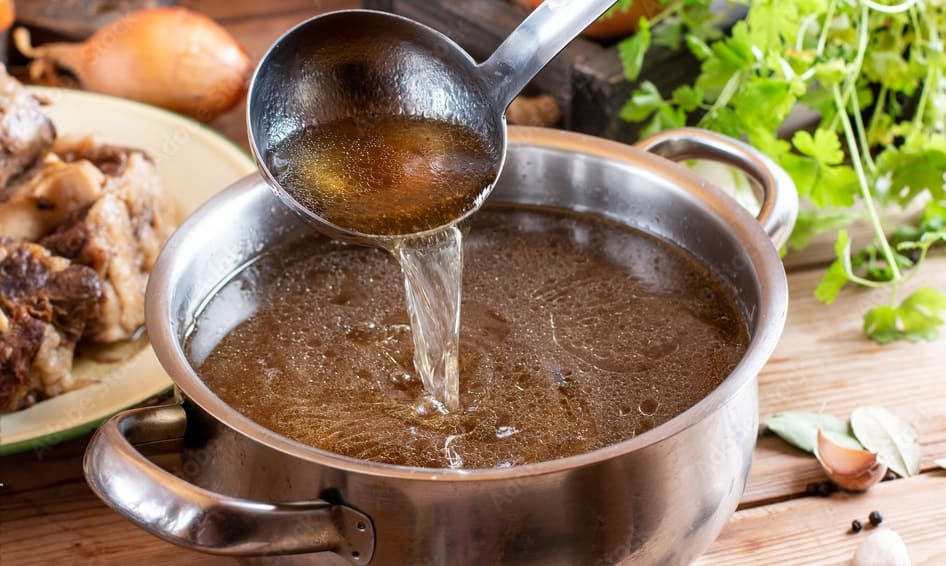
For centuries, bone broth has been considered a healing tonic across cultures. Whether it’s your grandmother’s remedy for a cold, a post-workout recovery drink, or a soothing winter soup base, bone broth has long held a place in traditional kitchens. But lately, this ancient liquid has resurfaced as a modern wellness trend — praised by nutritionists, athletes, and health enthusiasts alike. So, what makes bone broth so special? Let’s take a deep dive into its history, nutrition, science-backed benefits, potential downsides, and practical tips for enjoying it in your daily life.
What is Bone Broth?
Bone broth is a nutrient-rich liquid made by simmering animal bones and connective tissues — often from chicken, beef, pork, or fish — for long periods (typically 12 to 48 hours). Unlike a quick stock, the slow-cooking process extracts collagen, gelatin, amino acids, minerals, and other nutrients from the bones and marrow, creating a flavorful and deeply nourishing drink.
Many cultures have their own versions of bone broth:
- In China, it’s been used for thousands of years as a medicinal tonic.
- In France, chefs use bouillon or consommé as the base for soups and sauces.
- In Japan, tonkotsu broth gives ramen its rich, creamy depth.
- In India, traditional mutton or chicken soup is often made by simmering bones for hours to boost immunity and strength.
What unites all these versions is the belief that bone broth nourishes the body from the inside out.
Nutritional Facts of Bone Broth (Per 1 Cup / 240 ml)
| Nutrient | Approximate Amount |
|---|---|
| Calories | 35–50 kcal |
| Protein | 7–10 g |
| Fat | 0.5–2 g |
| Carbohydrates | 0–2 g |
| Collagen / Gelatin | 6–8 g |
| Calcium | 20–40 mg |
| Magnesium | 10–15 mg |
| Phosphorus | 50–70 mg |
| Potassium | 80–120 mg |
| Sodium | 90–200 mg |
| Iron | 0.5–1 mg |
| Zinc | 0.3–0.5 mg |
Note: Nutrient content varies depending on the bones used, cooking time, and added ingredients.
20 Proven Health Benefits of Bone Broth
Bone broth is more than just comfort food — it’s a powerhouse of nutrients that support everything from gut health to glowing skin. Let’s explore its many benefits.
1. Strengthens Bones and Joints
The collagen, gelatin, and minerals in bone broth support bone density and joint lubrication. The gelatin acts like a cushion between bones, reducing friction and pain, especially for those with arthritis or joint stiffness.
2. Promotes Gut Health
Bone broth is rich in gelatin, which can help heal the intestinal lining and promote healthy digestion. People with leaky gut syndrome, IBS, or chronic bloating often find bone broth soothing and restorative.
3. Boosts Immunity
The amino acids found in bone broth, like arginine and glutamine, support the immune system. This is one reason why chicken soup (a type of bone broth) has been a traditional cold remedy for generations.
4. Improves Skin Elasticity
Collagen is the secret to youthful, glowing skin. Regular consumption of bone broth can increase skin elasticity, reduce wrinkles, and promote hydration from within.
5. Aids Weight Management
Bone broth is low in calories but high in protein, which helps you feel full for longer. It’s often used in intermittent fasting and detox diets as a light yet nourishing option.
6. Supports Muscle Repair and Growth
The amino acids in bone broth, such as glycine and proline, are essential for repairing muscle tissue. Athletes and gym-goers often consume it post-workout to aid recovery.
7. Promotes Better Sleep
Glycine — a key amino acid in bone broth — has been shown to improve sleep quality, reduce fatigue, and calm the nervous system when taken before bedtime.
8. Enhances Hair and Nail Strength
Keratin, a protein responsible for hair and nail growth, relies on amino acids like proline and glycine, both abundant in bone broth.
9. Improves Joint Flexibility
Glucosamine and chondroitin sulfate naturally present in bone broth help reduce joint pain, stiffness, and inflammation, especially in aging adults.
10. Reduces Inflammation
The broth’s rich supply of amino acids (like cysteine and arginine) has anti-inflammatory properties, helping those with autoimmune disorders or chronic pain.
11. Detoxifies the Liver
Glycine and potassium in bone broth assist the liver in removing toxins, supporting overall detoxification and better metabolic health.
12. Balances Electrolytes
Bone broth provides sodium, potassium, and magnesium — key electrolytes that help maintain hydration and nerve function, especially after exercise or illness.
13. Aids in Digestion and Nutrient Absorption
Its gelatin content helps the body digest food more efficiently and absorb nutrients like calcium and magnesium more effectively.
14. May Support Heart Health
Amino acids like proline help strengthen artery walls and maintain healthy cholesterol levels, contributing to better cardiovascular health.
15. Improves Mental Clarity and Focus
Bone broth contains small amounts of minerals and amino acids that support brain function and reduce brain fog.
16. Boosts Energy Levels
Due to its nutrient density, bone broth can restore energy when you’re fatigued, stressed, or recovering from illness.
17. Helps Balance Hormones
Collagen and amino acids support the production of hormones, improving mood, energy, and reproductive health.
18. May Help Reduce Cellulite
Regular collagen intake may help reduce the appearance of cellulite by strengthening connective tissue beneath the skin.
19. Improves Overall Hydration
Since bone broth contains electrolytes and water, it’s an excellent hydrating drink for hot climates or post-exercise recovery.
20. Comforts the Soul
There’s something deeply comforting about sipping warm bone broth — it warms the body, calms the mind, and brings a sense of nourishment that few foods can match.
10 Possible Side Effects of Bone Broth
While bone broth is generally safe and healthy, it’s not perfect for everyone. Here are some potential side effects to consider:
1. High Sodium Content
Many store-bought versions are loaded with salt, which can lead to bloating, high blood pressure, or water retention.
2. Heavy Metal Contamination
Depending on the source of the bones, bone broth may contain traces of lead or other heavy metals. Always choose organic, grass-fed, or pasture-raised bones.
3. Digestive Discomfort
Some people may experience bloating or gas when first consuming bone broth due to its high gelatin content.
4. Allergic Reactions
If made from certain animal bones (like fish or chicken), it can trigger allergies in sensitive individuals.
5. High Histamine Levels
Bone broth can increase histamine levels, potentially causing headaches, hives, or digestive upset in people with histamine intolerance.
6. May Contain Unwanted Additives
Commercially packaged bone broths might include flavor enhancers, preservatives, or MSG, reducing their health value.
7. Overconsumption of Collagen
Too much collagen may cause digestive distress or imbalance in amino acids for some people.
8. Not Suitable for Strict Vegans
Bone broth, being animal-based, doesn’t fit into vegan diets. However, plant-based “vegan broth” alternatives exist.
9. May Be High in Fat (Depending on Recipe)
If not skimmed properly, bone broth made from fatty cuts may contain excess saturated fats.
10. Possible Gout Flare-ups
People prone to gout should be cautious, as bone broth contains purines that may increase uric acid levels.
How to Make Bone Broth at Home?
Making bone broth at home is simple and allows you to control the ingredients for the best nutrition and flavor.
Ingredients:
- 2–3 lbs of animal bones (chicken, beef, pork, or fish)
- 2 tbsp apple cider vinegar (helps extract minerals)
- 1 onion, chopped
- 2 carrots, chopped
- 2 celery stalks
- 3–4 garlic cloves
- Salt and pepper (to taste)
- 10–12 cups water
- Optional herbs: bay leaf, parsley, thyme, ginger
Instructions:
- Roast the bones (optional) at 400°F (200°C) for 30 minutes for deeper flavor.
- Place bones and vegetables in a large pot or slow cooker.
- Add vinegar and water until bones are fully submerged.
- Bring to a boil, then reduce to low heat.
- Simmer for 12–24 hours (the longer, the richer the broth).
- Strain the broth and discard solids.
- Cool and refrigerate. A gelatinous texture indicates a nutrient-rich broth.
Store it in the refrigerator for up to 5 days or freeze for several months.
Tips for Consuming Bone Broth
- Start small: Begin with ½ cup daily, especially if you have digestive sensitivities.
- Add flavor: Season with herbs, turmeric, or ginger for extra taste and anti-inflammatory benefits.
- Drink warm: Sipping it like tea provides a soothing experience.
- Use in meals: Add it to soups, stews, gravies, or even when cooking rice or quinoa.
- Stay consistent: For visible benefits (like better skin or joint relief), consume it regularly over weeks.
Other Uses of Bone Broth
- Cooking Base: Use it instead of water for cooking grains or making sauces.
- Recovery Drink: Ideal after workouts or illness to restore nutrients.
- Hair and Skin Tonics: Collagen from broth supports natural beauty.
- Pet Supplement: Some pet owners add unsalted bone broth to dog food for joint support.
- Homemade Soups: Combine with vegetables and spices for hearty meals.
Ways to Drink Bone Broth
- Sip it warm like tea for a soothing, nourishing drink, especially in the morning or before bed.
- Use it as a soup base for chicken, vegetable, or noodle soups to enhance flavor and nutrition.
- Add it to smoothies or protein shakes in small amounts for an extra dose of collagen and amino acids.
- Drink it post-workout to replenish electrolytes and aid muscle recovery naturally.
- Use it during fasting or detox days as a light, nutrient-rich option that keeps you full and hydrated.
- Mix it with herbs and spices such as turmeric, ginger, or garlic to boost its immune-strengthening and anti-inflammatory benefits.
- Replace water with broth when cooking rice, quinoa, or pasta to give your meals a savory depth.
- Drink it before meals to improve digestion and reduce overeating by promoting satiety.
- Add vegetables or greens like spinach, kale, or carrots to turn your bone broth into a wholesome mini-meal.
- Enjoy it before bedtime for relaxation and improved sleep, due to the calming amino acid glycine.
How Much Bone Broth Should You Drink a Day?
Most nutritionists recommend 1–2 cups (250–500 ml) of bone broth daily for general wellness.
For specific health goals:
- Gut healing: 2 cups per day
- Joint or skin support: 1 cup per day
- Post-workout recovery: 1 cup immediately after exercise
Always listen to your body — start with smaller amounts and increase gradually.
Who Should Drink Bone Broth?
Bone broth can be beneficial for almost everyone:
- Athletes and fitness enthusiasts should drink bone broth to support muscle recovery, joint strength, and hydration after workouts.
- Older adults can benefit from bone broth because its collagen and minerals help maintain bone density and joint flexibility.
- People with digestive issues such as leaky gut, IBS, or bloating can use bone broth to soothe and heal the gut lining.
- Individuals recovering from illness, surgery, or fatigue should drink bone broth to regain energy and restore lost nutrients.
- People with joint pain or arthritis may find relief, as the gelatin, glucosamine, and chondroitin in bone broth support cartilage and reduce inflammation.
- Those looking to improve skin, hair, and nail health can benefit from the collagen and amino acids that promote elasticity and repair.
- Individuals on weight loss or intermittent fasting plans can use bone broth as a low-calorie, nutrient-rich option to stay full and nourished.
- People experiencing chronic stress or poor sleep may find that the glycine in bone broth promotes relaxation and better sleep quality.
- Pregnant and postpartum women can benefit from its easily digestible protein and minerals that support tissue repair and overall wellness.
- Anyone seeking immune system support can drink bone broth regularly, as its amino acids and minerals help strengthen the body’s natural defenses.
Who Should Not Drink Bone Broth?
- People with histamine intolerance should avoid bone broth because long-simmered broths can trigger symptoms like headaches, skin rashes, and digestive upset.
- Individuals suffering from gout or high uric acid levels should limit broth, as it contains purines that can worsen gout flare-ups.
- Those with high blood pressure or heart disease should be cautious, since many broths are high in sodium and can raise blood pressure.
- People with allergies to specific animal proteins such as chicken, beef, or fish should not consume broth made from those sources.
- Individuals concerned about heavy metal exposure should avoid broth made from low-quality or non-organic bones, as it may contain trace amounts of lead or other metals.
- Vegans and vegetarians should skip broth since it’s made from animal bones and tissues.
- People with sensitive digestion, such as those with IBS or SIBO, may experience bloating or discomfort and should introduce bone broth slowly.
- Those with chronic kidney disease or conditions requiring low-protein diets should limit intake to prevent overloading the kidneys.
- Individuals on low-sodium or electrolyte-sensitive medications should drink broth carefully, as it may interfere with fluid balance.
- People who experience bloating, rashes, or fatigue after drinking bone broth should stop consumption and consult a doctor.
Best Time to Drink Bone Broth
- Morning: On an empty stomach for better nutrient absorption
- Pre-workout: For an energy boost
- Post-workout: To aid muscle recovery
- Before bed: To relax and promote deeper sleep
How to Store Bone Broth?
- Refrigerate the broth within two hours after cooking to prevent bacterial growth and spoilage.
- Store in airtight glass jars or containers to preserve freshness and prevent odors from spreading in the fridge.
- Keep in the refrigerator for up to 4–5 days if you plan to use it soon. Always reheat before drinking.
- Freeze bone broth in portions if you want to store it long-term — ice cube trays or freezer-safe bags work best for easy use.
- Label containers with the date so you know when each batch was made and avoid consuming old broth.
- Thaw frozen broth in the refrigerator overnight or place the sealed container in warm water before heating.
- Avoid reheating repeatedly, as it can reduce nutritional quality and flavor over time.
- Remove the fat layer before storing if you prefer a lighter broth, or keep it intact as a natural seal to extend shelf life.
- Do not leave bone broth at room temperature for extended periods, as it can spoil quickly and become unsafe to consume.
- Check the smell and texture before using; if it smells sour or appears slimy, discard it immediately.
Precautions Before Drinking Bone Broth
Even if you don’t fall into the “avoid” category, taking a few precautions can ensure you get the benefits of bone broth safely.
1. Choose High-Quality Bones: Always use bones from organic, pasture-raised, or grass-fed animals. This reduces the risk of contaminants, hormones, and antibiotics that might leach into the broth during cooking.
2. Watch the Sodium Levels: Many packaged broths contain excessive salt. Opt for unsalted or low-sodium varieties, and season it yourself if needed. This helps prevent high blood pressure or water retention.
3. Start Slowly: If you’re new to broth, start with half a cup per day to see how your body reacts. Some people may experience mild bloating or digestive changes initially.
4. Avoid Overcooking: While long simmering extracts nutrients, excessively cooking the broth (over 48 hours) can increase histamine content and make it harder for some to digest.
5. Store Safely: Always refrigerate broth within 2 hours of cooking. Consume within 5 days or freeze it for later use. Spoiled broth can harbor bacteria and cause foodborne illness.
6. Skim Excess Fat: If your broth forms a thick fat layer after cooling, skim it off before reheating. Too much saturated fat may affect cholesterol levels.
7. Don’t Rely on It as a Complete Meal: Bone broth is nutrient-rich but not balanced enough to replace full meals. It lacks fiber, carbohydrates, and several vitamins, so it’s best used as a supplement or side dish.
Interactions with Medications and Health Conditions
Although bone broth is natural, it may still interact with certain medications or medical conditions. Awareness helps prevent complications.
- People taking blood pressure medications should be cautious, as sodium-rich broth can reduce the effectiveness of these drugs and raise blood pressure.
- Those on diuretics (water pills) need to watch their intake because the sodium and potassium in broth can disturb electrolyte balance.
- Individuals with chronic kidney disease should consult a doctor before drinking broth, since its protein and mineral content may burden the kidneys.
- People taking anti-inflammatory drugs (NSAIDs) like ibuprofen should consume broth in moderation, as excessive collagen may irritate the stomach.
- Those on gout medications such as allopurinol or colchicine should limit bone broth because its purines can raise uric acid levels.
- Individuals with autoimmune conditions who are sensitive to histamines should monitor their reactions, as long-cooked broth may increase inflammation in rare cases.
- People taking iron supplements should avoid drinking broth at the same time, since calcium and magnesium in the broth can reduce iron absorption.
- Those using low-blood-pressure medications should drink bone broth in moderation because glycine in the broth can lower blood pressure further.
- Individuals on low-sodium diets should read labels carefully, as packaged broths can contain excessive salt that may interfere with dietary restrictions.
- People with electrolyte-sensitive conditions or on specific medications should seek medical advice before drinking large amounts of broth regularly.
When to Seek Medical Advice?
If you experience any of the following symptoms after drinking broth, stop consuming it and consult your doctor:
- Persistent bloating or nausea
- Rashes, itching, or swelling
- Headaches or dizziness
- Joint pain flare-ups (especially for gout patients)
- Unusual fatigue or digestive discomfort
FAQ’s
Is bone broth really good for you?
Yes. Broth is rich in collagen, amino acids, and minerals that support your joints, gut, skin, and immune system. When made from quality ingredients, it’s one of the most nutrient-dense liquids you can consume.
Can I drink bone broth every day?
Absolutely. Drinking 1–2 cups daily is safe for most people and offers steady benefits over time. Just ensure it’s low in sodium and made from organic bones.
Is bone broth good for weight loss?
Yes. Broth is low in calories but high in protein, helping reduce hunger and cravings. It’s often used in fasting and detox diets.
Can pregnant women drink bone broth?
Yes, in moderation. broth provides collagen, minerals, and amino acids beneficial during pregnancy. However, it’s important to use clean, well-sourced bones.
Is bone broth good for skin and hair?
Definitely. The collagen and amino acids in broth improve skin elasticity, hydration, and hair strength, helping you maintain a youthful glow.
How long should I simmer bones for bone broth?
For maximum nutrients, simmer for 12–24 hours (chicken bones) or 24–48 hours (beef or pork bones).
Is bone broth better than regular stock?
Yes. While stock is simmered for a few hours, broth is cooked much longer, resulting in a thicker, more nutrient-rich liquid with higher collagen and mineral content.
Can vegetarians have bone broth?
Traditional broth is animal-based, but vegetarians can try plant-based broths made from mushrooms, seaweed, and vegetables, which offer similar minerals.
Is store-bought bone broth healthy?
Some are, but always read labels carefully. Look for brands that use organic, grass-fed bones, no preservatives, and minimal sodium.
Can children drink bone broth?
Yes. Homemade, low-sodium broth can be a nutritious addition to a child’s diet, supporting growth and immunity.
What bones are best for making bone broth?
Use marrow bones, knuckles, feet, or necks from chicken, beef, or fish. These contain the most collagen and nutrients.
Can bone broth replace a meal?
Not entirely. While broth is nutritious, it’s low in calories and lacks fiber or carbohydrates. It’s better as a supplement rather than a full meal replacement.
Can bone broth go bad?
Yes. Homemade broth lasts up to 5 days in the fridge or 3–4 months in the freezer. Always store in airtight containers.
Why does my bone broth turn into jelly?
That’s a good sign! The gelatin comes from collagen in the bones — it means your broth is rich in nutrients.
Can bone broth help with inflammation?
Yes. Amino acids like glycine and proline have anti-inflammatory properties that can soothe inflammation and support overall health.
What is bone broth called in India?
In India, broth is commonly known as “Paya soup” or “Paya shorba” in many regions. It’s traditionally made using goat, lamb, or beef bones simmered for several hours with spices like turmeric, black pepper, and garlic. The dish is especially popular during winters for its warmth and nutritional richness.
What does bone broth taste like?
Broth has a rich, savory, and slightly earthy flavor. The taste depends on the type of bones and vegetables used. When simmered slowly, it develops a deep umami flavor that’s both comforting and nourishing. Adding herbs and salt enhances its aroma and makes it more flavorful.
Why do I feel weird after drinking bone broth?
Some people may feel lightheaded, bloated, or nauseous after drinking broth due to its high amino acid content or histamine levels. If your body isn’t used to such nutrient density, you might experience temporary discomfort. Starting with small amounts and gradually increasing your intake can help your body adjust.
What happens when you drink bone broth on an empty stomach?
Drinking broth on an empty stomach can boost digestion and nutrient absorption. It allows the collagen and amino acids to be absorbed quickly, supporting gut and joint health. However, if you’re sensitive to rich foods, it’s best to start with a small serving to avoid any stomach upset.
Is bone broth good for acid reflux?
Yes, broth can be soothing for acid reflux because it helps coat the stomach lining and supports digestive health. The gelatin and amino acids in it may reduce inflammation in the digestive tract. However, avoid overly spicy or fatty broths, as these can worsen reflux symptoms for some people.
Why is there a lead warning on bone broth?
Broth sometimes carries a lead warning because animal bones can contain trace amounts of lead absorbed from their environment or feed. During the long cooking process, some of that lead may leach into the broth. Using organic, pasture-raised animal bones can reduce this risk significantly.
Is bone broth good for knee pain?
Yes, broth can be beneficial for knee and joint pain. It’s rich in collagen, glucosamine, and chondroitin — nutrients that help repair cartilage and reduce inflammation in joints. Regular consumption may improve flexibility and ease stiffness over time.
Can I just boil bones to make bone broth?
Yes, you can simply boil bones to make broth, but simmering them slowly for 12–24 hours releases more nutrients like collagen, minerals, and gelatin. Adding vinegar helps extract minerals from the bones, while vegetables and herbs enhance flavor and nutritional value.
What vegetables enhance bone broth?
Vegetables like carrots, onions, celery, garlic, leeks, and parsley enhance both the flavor and nutrition of broth. You can also add ginger, turmeric, or bay leaves for extra depth and anti-inflammatory benefits. Always simmer vegetables along with the bones for a well-rounded, nutrient-rich broth.
Is it cheaper to make bone broth or buy it?
It’s generally cheaper to make broth at home, especially if you use leftover bones from meals. Store-bought versions can be convenient but often cost more and may contain preservatives or less gelatin. Homemade broth is more customizable and nutrient-dense.
How fast does bone broth heal the gut?
The healing effects of broth on the gut vary from person to person. Some people notice improvements in digestion and bloating within a few days to a week, while others may take a few weeks of regular use to feel the full benefits. Consistency and overall diet play a big role in gut healing.
Also Read: