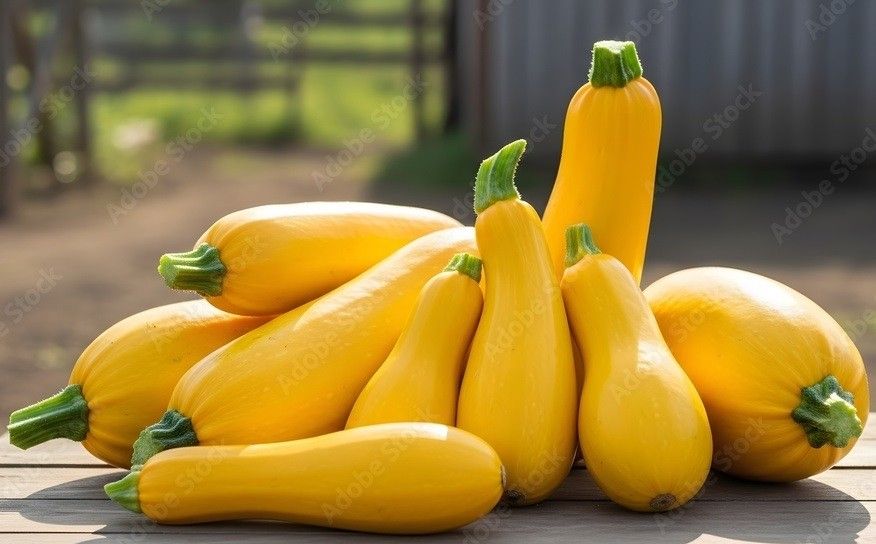
If you’ve ever walked through a farmer’s market or the fresh produce aisle, you’ve probably noticed bright, sunshine-colored vegetables shaped like small, curved cucumbers or plump cylinders. That cheerful vegetable is yellow squash. Often overshadowed by zucchini and pumpkins, yellow squash is a quiet nutritional hero that deserves its moment in the spotlight.
Whether you’re a health-conscious eater, a home cook looking for new ideas, or someone trying to eat more vegetables without sacrificing flavor, yellow squash can be a beautiful addition to your plate. In this guide, let’s explore what yellow squash really is, why it’s good for you, how to use it safely, and the many ways it can support your overall health.
What is Yellow Squash?
Yellow squash is a type of summer squash belonging to the Cucurbita pepo family, the same family as zucchini, pumpkins, and cucumbers. It is known for its bright yellow skin and soft, edible flesh. There are two main types of yellow squash:
- Straightneck squash – straight and smooth
- Crookneck squash – curved with a slightly bumpy texture
Unlike winter squashes (like butternut or acorn squash), yellow squash has:
- Thin, edible skin
- High water content
- A mild, slightly sweet taste
- Soft texture when cooked
It is usually harvested while still tender and small, making it perfect for fast cooking methods and light summer dishes. Because it grows easily and matures quickly, yellow squash is widely available in many parts of the world and is commonly used in Mediterranean, American, and Asian cuisines.
Nutrition Facts of Yellow Squash (per 100g, raw)
| Nutrient | Amount |
|---|---|
| Calories | 16 kcal |
| Water | 94% |
| Carbohydrates | 3.4 g |
| Protein | 1.2 g |
| Fat | 0.2 g |
| Fiber | 1.1 g |
| Vitamin C | 17% of RDI |
| Vitamin A | 6% of RDI |
| Vitamin B6 | 5% of RDI |
| Folate | 4% of RDI |
| Potassium | 262 mg |
| Magnesium | 14 mg |
| Iron | 2% of RDI |
| Calcium | 2% of RDI |
| Antioxidants | Present (lutein, zeaxanthin, beta-carotene) |
Yellow squash is low in calories but rich in hydration, antioxidants, and essential vitamins, making it an excellent food for weight management and overall wellness.
20 Proven Health Benefits of Yellow Squash
- Supports Heart Health: The potassium and fiber in yellow squash help regulate blood pressure and reduce the risk of heart disease.
- Enhances Digestive Health: Its fiber content promotes smooth digestion and prevents constipation.
- Boosts Immunity: Rich in vitamin C and antioxidants, it strengthens the immune system against infections.
- Good for Eye Health: Contains lutein and zeaxanthin that protect the eyes from age-related damage and blue light.
- Supports Weight Loss: Very low in calories and high in water, it keeps you full without overeating.
- Promotes Healthy Skin: Vitamins A and C help improve skin texture and fight premature aging.
- Regulates Blood Sugar Levels: Low in carbohydrates and rich in fiber, it is diabetic-friendly.
- Improves Bone Health: Contains magnesium and calcium that contribute to strong bones.
- Reduces Inflammation: Antioxidants help calm inflammation throughout the body.
- Supports Kidney Function: Its water content promotes toxin elimination and proper hydration.
- Improves Brain Health: Vitamin B6 supports brain development and cognitive performance.
- Helps Lower Cholesterol: Fiber binds to excess cholesterol and removes it from the body.
- Reduces Risk of Certain Cancers: Antioxidants may help protect against colon and breast cancer.
- Aids in Detoxification: High water and fiber help flush toxins naturally.
- Prevents Anemia: Contains a small amount of iron and helps enhance iron absorption.
- Maintains Electrolyte Balance: Potassium helps your body maintain fluid balance.
- Good for Pregnancy (in moderation): Folate supports baby’s neural development.
- Relieves Bloating: Soothing to the digestive system when cooked.
- Improves Sleep Quality: Magnesium helps relax muscles and calm the nervous system.
- Supports Men’s Health: Nutrients contribute to prostate health and improved circulation.
10 Side Effects of Yellow Squash
- May cause bloating and gas: Eating large amounts, especially raw, can lead to stomach discomfort in people with sensitive digestion.
- Potential allergic reactions: In rare cases, yellow squash can cause itching, rashes, or swelling in people allergic to vegetables from the gourd family.
- Toxic when bitter (cucurbit poisoning): If the squash tastes unusually bitter, it may contain toxic compounds called cucurbitacins and should not be eaten.
- Can upset the stomach: Overconsumption might lead to nausea, cramps, or diarrhea.
- May lower blood sugar too much: When combined with diabetes medication, it can sometimes cause blood sugar levels to drop too low.
- May increase kidney stone risk: Contains small amounts of oxalates that can contribute to kidney stone formation when eaten in excess.
- Can interfere with certain medications: Its potassium content may interact with blood pressure or diuretic medications if consumed in very high amounts.
- May cause vomiting if spoiled: Eating old or improperly stored yellow squash can trigger food poisoning symptoms.
- Could trigger migraines in sensitive individuals: Though rare, some people report headaches after eating squash.
- Digestive discomfort in children or elderly: Raw or undercooked squash may be harder for sensitive digestive systems to handle.
Bitter-tasting squash should never be eaten, as it may contain natural toxins.
How to Eat Yellow Squash?
Yellow squash is incredibly versatile. You can enjoy it in many forms:
- Raw in salads (thinly sliced)
- Steamed as a simple side dish
- Grilled with olive oil and herbs
- Sautéed with onions and garlic
- Baked into casseroles
- Added to soups and curries
- Spiralized into noodles
- Stuffed and baked
- Mixed into omelets
- Added to pasta dishes
Its mild taste blends beautifully with spices, herbs, and sauces.
Tips for Consuming Yellow Squash
- Choose firm, bright summer squash without spots
- Always wash well before use
- Eat with the skin for maximum nutrients
- Do not consume if it tastes bitter
- Cook lightly to preserve nutrients
- Combine with healthy fats like olive oil for better vitamin absorption
- Pair with protein for a balanced meal
Other Uses of Yellow Squash
Besides being eaten as food, yellow squash can be used in other ways:
- Natural face masks for hydration
- Added to smoothies for fiber
- Used as natural animal feed
- In gardening as compost material
- Decorative elements in harvest displays
Yellow squash seeds can also be roasted as a healthy snack similar to pumpkin seeds.
How to Cook Yellow Squash?
Here are a few simple methods:
1. Sautéed Yellow Squash: Slice, add olive oil, garlic, and cook for 6–8 minutes.
2. Roasted Yellow Squash: Cut into rounds, sprinkle salt, pepper, and bake at 400°F (200°C) for 20 minutes.
3. Yellow Squash Soup: Cook squash, onions, garlic in broth, then blend.
4. Stuffed Squash: Hollow out and fill with rice, vegetables, and spices, then bake.
5. Yellow Squash Curry: Add chunks to curry sauce and cook until tender.
Cooking makes it easier to digest and enhances its slightly sweet flavor.
How Much Yellow Squash Can You Eat in a Day?
A safe and healthy amount is:
- 1 to 2 cups per day (about 150–300 grams)
This provides plenty of nutrients without causing digestive issues. When eating for specific health purposes, balance it with other vegetables for a varied diet.
Best Time to Eat Yellow Squash
Yellow squash can be eaten at any time of day, but ideal times include:
- Lunch – Light and energizing
- Dinner – Helps with digestion
- Post-workout – Rehydrates the body
It is best avoided late at night if eaten raw, as it may cause mild bloating in some people.
Who Should Eat Yellow Squash?
Yellow squash is especially beneficial for:
- People trying to lose weight
- Diabetics (in moderation)
- Heart patients
- Pregnant women
- Children and growing teens
- Elderly people
- People with digestive issues
- Athletes and gym-goers
- Anyone wanting to increase vegetable intake
Its mild nature makes it suitable for all age groups.
Who Should Not Eat Yellow Squash?
Certain people should be cautious:
- Those allergic to squash family vegetables
- People with severe kidney stones (limit intake)
- Those on potassium-restricted diets
- Anyone who experiences digestive discomfort
- Individuals sensitive to raw vegetables
Always consult a doctor if you have a medical condition and want to add it regularly to your diet.
How to Store Yellow Squash?
For best freshness:
Refrigerator:
- Store in a plastic or paper bag
- Keep in the vegetable drawer
- Use within 5–7 days
Freezer:
- Blanch first (boil for 2–3 minutes)
- Store in airtight container
- Use within 2–3 months
Do not store near apples or bananas as they release ethylene gas which speeds up ripening.
Precautions and Interactions
- Do not eat bitter yellow squash
- Wash thoroughly to remove pesticides
- Avoid combining with strong laxatives
- Monitor potassium intake if you have kidney problems
- Introduce slowly into your diet if you have a sensitive stomach
- Keep portion sizes moderate
- Consult your doctor if on blood pressure or diabetes medication
Final Thoughts
Yellow squash is more than just a pretty vegetable. It’s light, healing, nourishing, and incredibly versatile. Whether you’re adding it to a simple stir-fry, mixing it into soup, or grilling it for a summer meal, summer squash brings both color and nutrition to your plate.
Small changes in your diet can make a big difference in your health, and adding summer squash is one of the easiest and tastiest changes you can make.
FAQ’s
Is yellow squash good for you?
Yes, summer squash is very good for your health. It is low in calories and rich in fiber, vitamins, antioxidants, and minerals that support digestion, heart health, immunity, and skin health.
Can I eat yellow squash every day?
Yes, you can eat summer squash daily in moderate amounts (1–2 cups). It is safe and nutritious, but it’s important to balance it with other vegetables for a well-rounded diet.
Is yellow squash better than zucchini?
Both are healthy and very similar in nutrition. Yellow squash has slightly more vitamin A, while zucchini has slightly more vitamin C. Neither is necessarily better; both are excellent choices.
Is yellow squash good for weight loss?
Absolutely. Yellow squash is low in calories and high in water and fiber, which helps you feel full while consuming fewer calories, making it great for weight loss.
Can people with diabetes eat yellow squash?
Yes, summer squash is very good for people with diabetes because it is low in carbs and has a low glycemic index, helping to maintain stable blood sugar levels.
Is it safe to eat yellow squash raw?
Yes, summer squash can be eaten raw in small quantities, especially in salads. However, it is easier to digest when cooked.
Does yellow squash cause bloating?
For some people, especially when eaten raw or in large amounts, it can cause mild bloating. Cooking it usually reduces this effect.
How long does yellow squash last in the fridge?
When stored properly in the vegetable drawer, summer squash can last for up to 5–7 days in the refrigerator.
Can pregnant women eat yellow squash?
Yes, pregnant women can safely eat summer squash in moderate amounts. It provides folate, vitamin C, and fiber, which support both the mother’s health and the baby’s development. However, it should always be washed properly and cooked well to avoid any risk of contamination.
What does yellow squash taste like?
Yellow squash has a mild, slightly sweet, and delicate flavor. When cooked, it becomes soft and slightly creamy, absorbing the taste of the spices or ingredients it is cooked with. This makes it an easy vegetable to include in many dishes.
Can children eat yellow squash?
Yes, children can eat summer squash safely. It is soft, easy to chew when cooked, and rich in important vitamins that support growth. It works especially well in soups, mashed foods, or lightly sautéed as a side.
What is yellow squash in India?
In India, yellow squash is not a traditional vegetable but may sometimes be found in specialty or imported vegetable stores. It is often confused with or treated like zucchini, bottle gourd (lauki), or pumpkin, as they belong to the same family.
Is yellow squash the same as zucchini?
No, yellow squash and zucchini are not exactly the same, although they are closely related. Zucchini is usually dark green and more cylindrical, while summer squash is bright yellow and can have a curved neck. Their taste and nutrition are very similar.
Is yellow squash healthy?
Yes, summer squash is very healthy. It is low in calories and rich in vitamins A and C, fiber, antioxidants, and minerals like potassium and magnesium, which support heart health, digestion, immunity, and skin health.
Is yellow squash high in sugar?
No, summer squash is very low in natural sugar. This makes it an excellent vegetable for people with diabetes or for those trying to reduce their sugar and carbohydrate intake.
Is yellow squash good for your kidneys?
In moderate amounts, summer squash can support kidney health because of its high water content and hydration benefits. However, people with kidney disease or on potassium-restricted diets should consult a doctor before eating it regularly.
Which squash is better, yellow or green?
Both yellow and green squash (zucchini) are healthy and offer similar nutritional benefits. Summer squash contains slightly more vitamin A, while green squash contains slightly more vitamin C. The better choice is the one you enjoy more.
What is the healthiest way to eat yellow squash?
The healthiest way to eat summer squash is steamed, sautéed with minimal oil, grilled, or added to soups. These methods preserve nutrients without adding excess fat or calories.
Also Read: