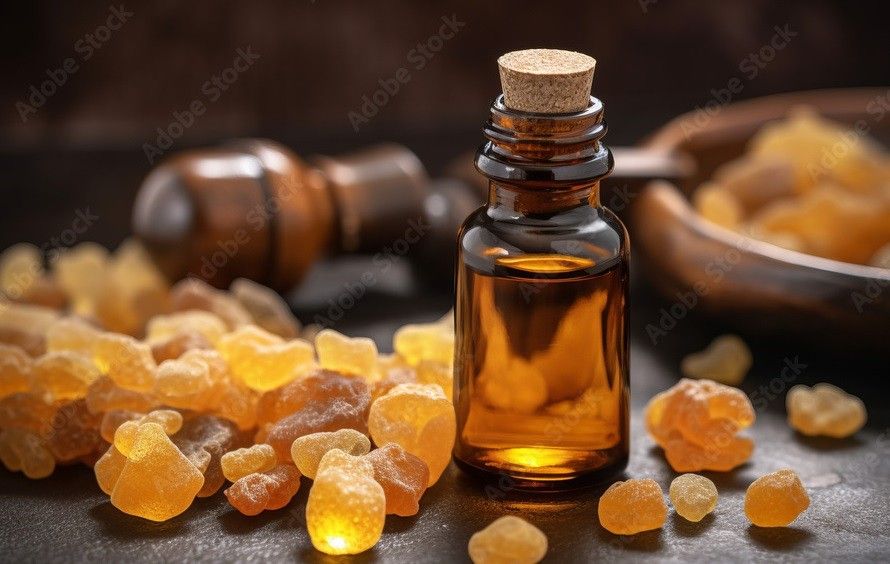
Frankincense oil has been treasured for thousands of years. From ancient Egyptian rituals to Ayurvedic healing, this aromatic resin has held a sacred place in wellness practices around the world. Today, frankincense essential oil is widely used for skincare, hormonal balance, anxiety relief, respiratory support, pain management, and even spiritual grounding. In this guide, you’ll learn everything you need to know about frankincense oil, including its science-backed benefits, side effects, dosage, how to make it at home, and the best ways to use it safely.
What is Frankincense Oil?
Frankincense oil is a natural essential oil extracted from the resin of Boswellia trees, commonly found in regions like Oman, Somalia, Ethiopia, and India. When the tree bark is cut, it releases a sticky golden resin, often called “liquid gold.” This resin is then steam-distilled to produce frankincense essential oil.
Historically, frankincense was considered more valuable than gold. It was used in temples, for meditation, in funeral rites, and as medicine for inflammation, infections, and skin healing. Its warm, woody, slightly spicy aroma is known for creating a relaxing and grounding effect. Frankincense oil is rich in bioactive compounds such as boswellic acids, monoterpenes, and sesquiterpenes, which are responsible for its therapeutic properties.
Nutrition Facts of Frankincense Oil
Frankincense essential oil is not typically consumed for nutritional value, but rather for its therapeutic compounds. Here is a breakdown of the key constituents:
| Nutrient / Compound | Amount (Approx.) | Function |
|---|---|---|
| Boswellic Acids | Varies | Anti-inflammatory, analgesic |
| Alpha-pinene | 30–60% | Antimicrobial, calming effect |
| Limonene | 5–15% | Detoxifying, antioxidant |
| Incensole Acetate | Trace amounts | Mood-enhancing, anti-anxiety |
| Sabinene | 5–15% | Anti-inflammatory |
| Beta-caryophyllene | Varies | Pain relief, inflammation reduction |
| Monoterpenes | High | Immune support |
| Calories | 0 | Not a source of energy |
| Fat | 0 | No dietary fat |
| Vitamins | Trace | Minimal nutritional value |
Note: As an essential oil, it should never be consumed directly unless highly diluted and approved by a health professional.
20 Proven Benefits of Frankincense Oil
1. Reduces Inflammation
Frankincense oil is rich in boswellic acids that block inflammation-causing enzymes. It may help relieve arthritis, joint stiffness, and muscle swelling.
2. Supports Immune Function
Its antimicrobial and antiseptic properties strengthen the body’s defense system and reduce susceptibility to infections.
3. Promotes Relaxation and Reduces Stress
Frankincense has a grounding aroma that calms the nervous system, reduces cortisol levels, and helps with emotional balance.
4. Eases Anxiety and Depression
Incensole acetate, a compound in frankincense, has mood-lifting and anxiety-relieving effects. It helps regulate neurotransmitters and supports mental clarity.
5. Improves Sleep Quality
Inhaling frankincense oil before bedtime helps relax the body, reduce overthinking, and support deeper sleep.
6. Supports Respiratory Health
Frankincense can help open airways, reduce phlegm, relieve chest congestion, and soothe asthma-like symptoms.
7. Enhances Skin Health
Frankincense oil is known for improving skin elasticity, reducing scars, minimizing wrinkles, healing wounds, and calming acne.
8. Anti-Aging Properties
It promotes collagen production, reduces fine lines, and prevents premature aging by fighting free radicals.
9. Helps Heal Scars and Stretch Marks
Its regenerative properties support skin cell turnover, making it useful for healing scars, marks, and pigmentation.
10. Supports Digestion
Frankincense oil may help reduce bloating, gas, and stomach discomfort when used aromatically or diluted topically.
11. Anti-Microbial and Anti-Fungal
It helps fight bacteria, fungi, and viruses, making it useful for wounds, infections, and immune support.
12. Reduces Headaches and Migraines
Massaging diluted frankincense oil on temples or inhalation can help relax the mind and ease headaches.
13. Hormonal Balance
It may support hormone regulation, especially during PMS or menopause, reducing irritability, cramps, and mood swings.
14. Improves Memory and Focus
Frankincense helps calm mental chatter and improves cognitive clarity, making it beneficial for studying or work.
15. Supports Oral Health
Its antibacterial properties help reduce bad breath, gum inflammation, and oral infections.
16. Speeds Wound Healing
Frankincense helps regenerate tissues, reduce swelling, and lower infection risk.
17. May Support Anti-Cancer Activity
Some studies show that boswellic acids may inhibit cancer cell growth, although more research is needed.
18. Pain Relief
Its anti-inflammatory properties help reduce muscular pain, menstrual cramps, and chronic pain symptoms.
19. Detoxifies the Body
Limonene in frankincense supports liver detoxification and promotes overall cleansing.
20. Supports Spiritual and Meditation Practices
Frankincense has been used in rituals for centuries. Its aroma helps deepen meditation, improve focus, and create a calming spiritual environment.
10 Side Effects of Frankincense Oil
While generally safe, frankincense oil may cause some side effects:
1. Skin Irritation
Applying undiluted frankincense oil can cause redness, itching, and irritation, especially for sensitive skin.
2. Allergic Reactions
Some people may develop allergies, including rashes, swelling, or itching when using the oil.
3. Digestive Issues
Ingesting frankincense oil without proper dilution can cause stomach pain, nausea, or acid reflux.
4. Interactions With Medications
Frankincense may interact with immunosuppressants, anticoagulants, and anxiety medications.
5. Lowered Blood Pressure
It may reduce blood pressure, which is risky for people with chronic low blood pressure.
6. Risk During Pregnancy
High doses may stimulate uterine contractions. Pregnant women should avoid ingesting it.
7. Headaches or Nausea
Strong aromas may cause headaches or nausea in sensitive individuals.
8. Hormonal Effects
Frankincense can influence hormones, which may not be suitable for individuals with hormonal disorders.
9. Respiratory Irritation
In rare cases, inhaling too much may cause coughing or throat irritation.
10. Drug Interaction During Surgery
It may interfere with anesthesia and blood clotting, so use should be stopped two weeks before surgery.
How to Use Frankincense Oil?
Frankincense oil can be used in different ways depending on your needs:
1. Aromatherapy
Add a few drops to a diffuser to promote relaxation, sleep, or mood balance.
2. Topical Application
Always dilute with a carrier oil like coconut oil or almond oil before applying to the skin.
3. Steam Inhalation
Add two drops to hot water, cover your head with a towel, and inhale deeply to relieve congestion.
4. Massage
Mix with carrier oil for joint, muscle, or back pain.
5. Skincare
Add a drop to your moisturizer to improve skin tone and reduce wrinkles.
Other Uses of Frankincense Oil
- Used in natural perfumes and incense.
- Helps cleanse and purify home environment.
- Used in meditation, yoga, and spiritual practices.
- Added to homemade soaps or lotions.
- Used in natural cleaning solutions due to antimicrobial properties.
Tips for Consuming Frankincense Oil
- Only consume food-grade frankincense oil.
- Dilute heavily (one drop in 200 ml of water).
- Use under guidance of a trained aromatherapist or doctor.
- Never ingest it daily for long periods.
- Start with very small amounts.
- Stop use immediately if stomach discomfort occurs.
How to Take Frankincense Oil?
You may use it:
- Through aromatherapy
- Mixed in carrier oils
- As a diluted oral solution (only if approved)
- In capsules (provided by manufacturers)
- In skincare products
Never take the essential oil undiluted.
How to Make Frankincense Oil at Home?
Making pure frankincense essential oil at home requires steam distillation equipment. However, you can make frankincense-infused oil, which is easier and safe:
Ingredients:
- Frankincense resin tears
- Carrier oil (olive, jojoba, almond)
- Clean glass jar
Steps:
- Crush the frankincense resin lightly.
- Add it to a jar and cover with carrier oil.
- Seal and keep in a warm place for 2 weeks.
- Shake the jar daily.
- Strain the oil and store it in a dark bottle.
This infused oil can be used for massage or skincare.
How Much Frankincense Oil Can You Use Per Day?
For topical and aromatic use, 2–3 drops per use is enough.
For ingestion (only if allowed), 1 drop per day diluted heavily is the maximum safe limit.
Frankincense Oil Dosage
Aromatherapy
3–5 drops in a diffuser.
Topical Use
1 drop frankincense oil + 5 drops carrier oil.
Oral Use (Only with approval)
1 drop in 200–300 ml water or 1 capsule of food-grade frankincense extract.
Best Time to Use Frankincense Oil
- For sleep: at night
- For stress relief: during evening relaxation
- For meditation: morning or any calm moment
- For skincare: before bedtime
- For pain relief: anytime needed
Who Should Use Frankincense Oil?
- People with stress or anxiety
- Those seeking natural pain relief
- Individuals with aging skin
- People with respiratory congestion
- Anyone looking to enhance meditation or relaxation
- Those wanting natural antimicrobial support
Who Should Not Use Frankincense Oil?
- Pregnant women
- Breastfeeding mothers (without medical advice)
- Individuals with low blood pressure
- People with known allergies to essential oils
- Those on anticoagulants
- People undergoing surgery
- Individuals with hormone-related medical conditions
How to Store Frankincense Oil?
- Keep in a dark glass bottle
- Store in a cool, dry place
- Avoid exposure to direct sunlight
- Keep tightly sealed
- Keep away from children and pets
Precautions and Interactions
- Always dilute before applying to skin
- Perform a patch test
- Avoid contact with eyes
- Do not use internally without expert guidance
- May interact with blood thinners
- May affect hormone-related disorders
- Stop using 2 weeks before surgery
- Keep away from pregnant and breastfeeding women without advice
FAQ’s
What is Frankincense Oil used for?
Frankincense oil is commonly used for reducing stress, improving skin health, supporting immunity, easing inflammation, aiding sleep, and enhancing meditation or spiritual practices.
Can I use frankincense oil on my face?
Yes, but only when diluted with a carrier oil or mixed into a moisturizer. It helps reduce wrinkles, fade scars, and improve skin elasticity.
Can you ingest frankincense oil?
Ingesting frankincense oil should only be done if it’s food-grade and approved by a healthcare professional. Essential oils are highly concentrated and can cause digestive issues if used incorrectly.
Is frankincense oil safe for kids?
For children over 6 years old, diluted topical use or gentle diffusion is generally safe. Avoid ingestion or strong concentrations. Always consult a pediatrician first.
Is frankincense good for hair growth?
Frankincense oil may support hair health by improving scalp circulation, reducing dandruff, and strengthening hair roots. Always dilute before use.
How long does frankincense oil last?
Frankincense essential oil typically lasts 3–5 years when stored in a cool, dark place in an airtight amber bottle.
Can pregnant women use frankincense oil?
Pregnant women should avoid ingesting frankincense oil. Topical use may be acceptable when diluted, but medical guidance is recommended due to potential hormonal effects.
Can frankincense oil reduce anxiety?
Yes. Diffusing frankincense oil helps calm the nervous system, reduce stress, and promote emotional balance.
How often can I apply frankincense oil to my skin?
You can use it once or twice daily when diluted. Avoid overuse to prevent irritation.
Can I use frankincense oil every day?
Yes, for aromatherapy or diluted topical use. If consuming internally, daily use should only be done under professional guidance.
What does frankincense oil smell like?
Frankincense oil has a warm, woody, earthy aroma with hints of spice. It’s often described as calming and spiritually grounding.
Is frankincense oil good for acne?
Yes. Its anti-inflammatory and antibacterial properties help reduce acne, soothe redness, and promote skin healing.
Can frankincense oil help with joint pain?
Frankincense oil has natural anti-inflammatory effects and may reduce joint pain when massaged with a carrier oil.
How do I dilute frankincense oil?
Use 1 drop of frankincense oil per 5–6 drops of carrier oil like coconut, jojoba, or almond oil.
Can I mix frankincense oil with other essential oils?
Yes. It pairs well with lavender, cedarwood, sandalwood, myrrh, bergamot, and rose essential oils.
Is frankincense oil antibacterial?
Yes. It has proven antibacterial, antifungal, and antimicrobial properties helpful for wound care and skin infections.
Can I use frankincense oil on scars?
Yes. It promotes cell regeneration and helps fade scars, stretch marks, and dark spots over time.
Can frankincense oil help with digestion?
It may help reduce gas, bloating, and discomfort when used aromatically. Oral use should only be done with medical approval.
Also Read: