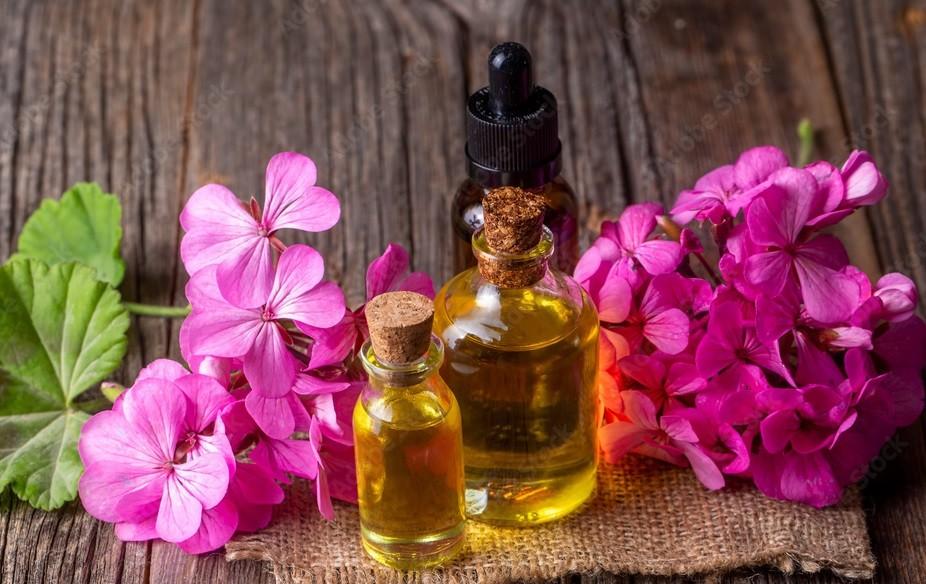
Geranium oil has gained popularity in recent years for its versatile health and beauty applications. Extracted from the leaves and stems of the geranium plant through steam distillation, this essential oil offers a unique aroma and a wide range of therapeutic properties. From skincare to stress relief, geranium oil is a natural solution for improving overall well-being. This guide explores what geranium oil is, its benefits, side effects, and how to use it safely.
What is Geranium Oil?
Geranium oil is an essential oil derived from the leaves, stems, and flowers of the Pelargonium graveolens plant, commonly known as the rose-scented geranium. Native to South Africa, this plant belongs to the Geraniaceae family and is cultivated worldwide for its fragrant oils. The oil is extracted through steam distillation, which preserves its rich aroma and potent bioactive compounds, including citronellol, geraniol, linalool, and menthone.
Geranium oil is renowned for its balancing and restorative properties. It is often used in aromatherapy to relieve stress, anxiety, and hormonal imbalances. Additionally, it has applications in skincare, hair care, and natural remedies for various health issues.
Components of Geranium Oil
Though geranium oil is not a source of nutrients in the conventional sense like food, it contains active chemical compounds that provide therapeutic benefits. Here is a simplified table highlighting the primary bioactive components:
| Component | Concentration (%) | Benefits |
|---|---|---|
| Citronellol | 20-30 | Anti-inflammatory, antibacterial |
| Geraniol | 10-20 | Antioxidant, antimicrobial |
| Linalool | 5-10 | Stress relief, calming effects |
| Menthone | 3-5 | Analgesic, cooling sensation |
| Isomenthone | 2-4 | Pain relief, anti-inflammatory |
| Beta-Caryophyllene | 1-2 | Anti-inflammatory, immune system support |
| Terpinene | 1-2 | Antimicrobial, skin healing |
These bioactive compounds make geranium oil valuable in aromatherapy, skin care, and holistic wellness practices.
20 Proven Benefits of Geranium Oil
Geranium oil offers a broad spectrum of benefits due to its antibacterial, anti-inflammatory, and antioxidant properties. Here are 20 health benefits:
- Reduces Stress and Anxiety: Geranium oil has a calming aroma that helps reduce cortisol levels, promoting relaxation and emotional balance. Aromatherapy with geranium oil can help manage anxiety and mild depression.
- Improves Skin Health: The oil has antibacterial and anti-inflammatory properties, making it effective for acne, eczema, and dermatitis. It helps reduce redness, swelling, and irritation on the skin.
- Balances Hormones: Geranium oil is believed to regulate hormonal fluctuations in women, especially during menstruation and menopause. It may help alleviate PMS symptoms and reduce mood swings.
- Promotes Wound Healing: Applying diluted geranium oil to minor cuts, burns, or scrapes can accelerate healing due to its antibacterial and anti-inflammatory properties.
- Acts as an Antimicrobial Agent: The oil can fight bacteria and fungi, making it useful for preventing infections. It is particularly effective against Staphylococcus aureus and Candida albicans.
- Supports Hair Health: Geranium oil strengthens hair, reduces dandruff, and promotes hair growth by improving circulation to the scalp.
- Reduces Inflammation: The anti-inflammatory compounds in geranium oil can alleviate muscle pain, arthritis, and joint inflammation when used in massage oils.
- Relieves Menstrual Discomfort: Massaging diluted geranium oil on the lower abdomen can reduce menstrual cramps and bloating.
- Enhances Circulation: Geranium oil stimulates blood flow, which can improve overall energy levels and support cardiovascular health.
- Acts as a Natural Deodorant: Its antimicrobial properties make geranium oil effective in controlling body odor without harmful chemicals.
- Boosts Immune System: Regular aromatherapy or topical application of geranium oil can strengthen immunity by combating infections and reducing inflammation.
- Alleviates Headaches: Inhaling geranium oil or applying it to temples can relieve tension headaches and migraines.
- Reduces Swelling and Edema: Geranium oil helps regulate fluid balance in the body, reducing swelling caused by excess water retention.
- Improves Respiratory Health: Its antibacterial and anti-inflammatory properties can ease respiratory infections and congestion.
- Acts as an Antioxidant: Geranium oil neutralizes free radicals, protecting cells from oxidative stress and slowing down aging.
- Supports Digestive Health: When used in diluted form, geranium oil may help relieve bloating, indigestion, and gastrointestinal discomfort.
- Balances Sebum Production: For both oily and dry skin, geranium oil can regulate sebum production, keeping skin hydrated and less prone to acne.
- Repels Insects: The citronellol content acts as a natural insect repellent, protecting against mosquitoes and other pests.
- Reduces Scar Formation: Regular application can improve skin elasticity and reduce the appearance of scars and stretch marks.
- Enhances Emotional Well-being: Its uplifting scent helps alleviate fatigue, irritability, and nervous tension, promoting a sense of calm and balance.
10 Side Effects of Geranium Oil
While geranium oil is generally safe, excessive or improper use may lead to side effects. Here are ten potential risks:
- Skin Irritation: Undiluted geranium oil may cause redness, itching, or rash, especially in sensitive skin.
- Allergic Reactions: Some individuals may develop an allergic response, including hives or swelling.
- Photosensitivity: Geranium oil can increase sensitivity to sunlight, leading to sunburn when applied topically and exposed to UV rays.
- Headaches: Excessive inhalation may cause headaches or dizziness in sensitive individuals.
- Nausea: Strong scent exposure can occasionally trigger nausea.
- Hormonal Effects: Overuse may interfere with hormone-sensitive conditions, so caution is advised for individuals with endocrine disorders.
- Blood Sugar Interference: People with diabetes should monitor blood sugar closely, as geranium oil can affect glucose levels in some cases.
- Low Blood Pressure: Geranium oil may reduce blood pressure, which can be risky for those with hypotension.
- Pregnancy Concerns: High doses during pregnancy can stimulate uterine contractions; use only under professional guidance.
- Drug Interactions: Geranium oil may interact with medications, including anticoagulants and antihypertensive drugs.
How to Use Geranium Oil?
Geranium oil can be used in various ways depending on your goals:
- Aromatherapy: Add a few drops to a diffuser to relieve stress and improve mood.
- Topical Application: Dilute with carrier oil (like coconut or jojoba oil) and massage into the skin or scalp.
- Bath: Add 3–5 drops to warm bath water for relaxation and skin nourishment.
- Inhalation: Place a few drops on a handkerchief and inhale for mental clarity and headache relief.
Other Uses of Geranium Oil
Beyond health benefits, geranium oil has other applications:
- Cosmetics: Added to soaps, lotions, and perfumes for fragrance and skin benefits.
- Household: Can be used as a natural cleaner or insect repellent.
- Massage: Often blended with carrier oils for massage therapy to ease muscle tension.
Tips for Consuming Geranium Oil
Geranium oil is generally not ingested unless approved by a healthcare professional. If used for consumption (in therapeutic doses):
- Always use food-grade essential oil.
- Dilute in carrier oil or honey.
- Start with a very small amount.
- Avoid prolonged daily ingestion.
How to Take Geranium Oil?
- Topically: Diluted in carrier oil and massaged onto the desired area.
- Aromatically: Via diffusers or inhalers for mental and emotional support.
- Bath: Adding drops to bathwater for relaxation.
Ingesting geranium oil should be under supervision of a professional.
How to Make Geranium Oil at Home?
- Materials Needed: Fresh geranium leaves, carrier oil (like olive or coconut oil), glass jar, strainer, dark glass bottle.
- Steps:
- Chop geranium leaves and fill a jar halfway.
- Pour carrier oil over the leaves, covering them completely.
- Seal the jar and place in sunlight for 2–3 weeks, shaking occasionally.
- Strain the oil through a fine mesh or cheesecloth.
- Store in a dark bottle away from sunlight.
How Much Geranium Oil Can You Use Per Day?
- For aromatherapy: 2–5 drops in a diffuser, 1–3 times daily.
- For topical use: 2–3 drops diluted per teaspoon of carrier oil.
- Avoid consuming more than the recommended dose if taken internally.
Geranium Oil Dosage
- Topical: 2–3 drops per teaspoon of carrier oil.
- Aromatherapy: 3–5 drops in a diffuser for 15–30 minutes.
- Bath: 3–5 drops in warm bath water.
Best Time to Use Geranium Oil
- Morning: To boost mood and energy levels.
- Evening: To relax and relieve stress before bedtime.
- During Menstrual Periods: To ease cramps and bloating.
Who Should Use Geranium Oil?
- Individuals with stress, anxiety, or fatigue.
- Those seeking skincare benefits such as acne or inflammation reduction.
- People looking for natural hormonal balance during menstrual cycles.
- Anyone who wants hair care support or to promote hair growth.
Who Should Not Use Geranium Oil?
- Pregnant or breastfeeding women should avoid high doses.
- Individuals with allergies to geranium or related plants.
- People with low blood pressure or diabetes without professional guidance.
- Anyone taking blood-thinning medications should consult a doctor.
How to Store Geranium Oil?
- Keep in a dark glass bottle to prevent oxidation.
- Store in a cool, dry place away from sunlight and heat.
- Avoid storing near radiators, stoves, or humid areas like bathrooms.
- Properly stored oil can last 1–2 years.
Precautions and Interactions
- Always dilute before topical use.
- Conduct a patch test to avoid allergic reactions.
- Avoid direct contact with eyes and mucous membranes.
- Consult a doctor before using if you have chronic conditions or are on medications.
- Avoid internal use unless supervised by a healthcare professional.
Conclusion
Geranium oil is a versatile essential oil with a wide range of therapeutic benefits for the skin, hair, and emotional well-being. With its antibacterial, anti-inflammatory, and antioxidant properties, it has proven applications in skincare, aromatherapy, and natural remedies. However, like all essential oils, geranium oil should be used responsibly, with attention to dosage, dilution, and potential interactions. By following the guidelines outlined in this article, you can safely enjoy the numerous advantages of geranium oil in your daily routine.
FAQ’s
What is Geranium Oil good for?
Geranium oil is good for reducing stress, balancing hormones, improving skin and hair health, promoting wound healing, and enhancing overall emotional well-being.
Can Geranium Oil be used on the face?
Yes, geranium oil can be used on the face when diluted with a carrier oil. It helps with acne, inflammation, and maintaining healthy skin.
How do you use Geranium Oil for hair?
Dilute 2–3 drops of geranium oil in a teaspoon of carrier oil and massage into the scalp to strengthen hair, reduce dandruff, and promote growth.
Can Geranium Oil be ingested?
Geranium oil is generally not recommended for ingestion unless approved by a healthcare professional and in very small, controlled amoun
What is the best way to use Geranium Oil for stress relief?
For stress relief, use geranium oil in a diffuser or add a few drops to bathwater. Inhaling its aroma promotes relaxation and reduces anxiety.
Can Geranium Oil help with menstrual cramps?
Yes, diluted geranium oil massaged on the lower abdomen may help reduce menstrual cramps and bloating.
Can I use geranium oil every day?
Yes, geranium oil can be used daily, but it should be properly diluted with a carrier oil for topical use. For aromatherapy, 2–5 drops in a diffuser a few times a day is safe. Avoid excessive internal use.
Is geranium oil safe during pregnancy?
Geranium oil should be used with caution during pregnancy. High doses may stimulate uterine contractions. It is best to consult a healthcare professional before using it while pregnant.
Is geranium oil safe for children?
Geranium oil can be used for children in small, diluted amounts. For aromatherapy, 1–2 drops in a diffuser or diluted in a carrier oil for topical use is generally considered safe. Always do a patch test first.
What is geranium oil used for?
Geranium oil is used for stress relief, hormonal balance, skincare, hair care, wound healing, boosting immunity, reducing inflammation, and aromatherapy for emotional well-being.
Does geranium oil regrow hair?
Geranium oil may help improve scalp circulation, strengthen hair follicles, and reduce hair fall. While it supports hair growth, results vary and it is not a guaranteed solution for complete hair regrowth.
Can you put geranium oil on your skin?
Yes, geranium oil can be applied to the skin, but always dilute it with a carrier oil like coconut or jojoba oil to prevent irritation. It can help with acne, scars, inflammation, and dry skin.
Is geranium oil good for dark spots?
Geranium oil may help lighten dark spots and improve skin tone over time due to its antioxidant and skin-regenerating properties. Consistent, diluted topical use is recommended.
Does geranium oil affect hormones?
Yes, geranium oil can influence hormone balance, especially in women. It may help regulate menstrual cycles and reduce PMS symptoms. However, overuse can potentially interfere with hormone-sensitive conditions.
Also Read: