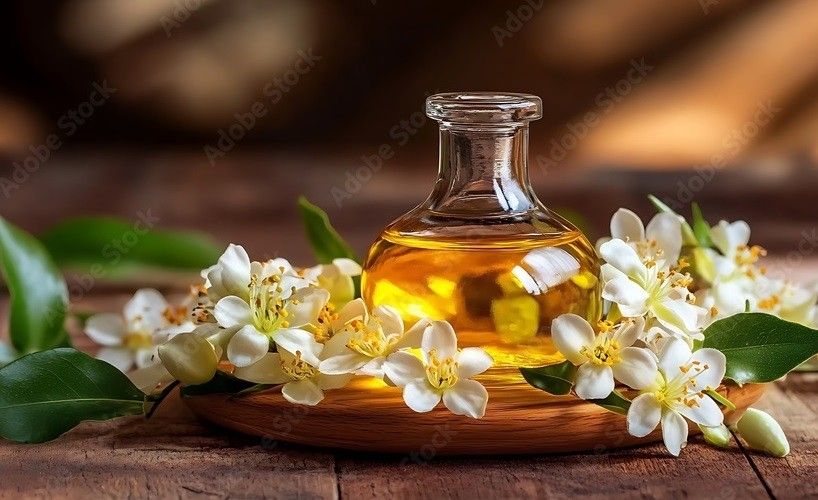
Neroli oil, often referred to as “the oil of youth,” has captivated the wellness and beauty world for centuries. Extracted from the delicate blossoms of the bitter orange tree (Citrus aurantium), this essential oil is prized for its aromatic, therapeutic, and cosmetic properties. From calming the mind to enhancing skin health, neroli oil has become a staple in holistic health practices. This guide delves deep into what neroli oil is, its benefits, side effects, dosage, and more.
What is Neroli Oil?
Neroli oil is an essential oil derived from the flowers of the bitter orange tree, native to Morocco, Tunisia, and Italy. The oil is obtained through steam distillation of fresh orange blossoms, producing a fragrant, golden-yellow liquid with a slightly sweet and floral aroma.
Historically, neroli oil has been used in perfumes, cosmetics, and traditional medicine. It is known for its calming, antidepressant, and skin-healing properties, making it a versatile essential oil in aromatherapy, skincare, and even culinary applications.
Components of Neroli Oil
Unlike conventional oils or foods, neroli oil is used in small amounts, and its nutritional content is primarily in its bioactive compounds. Here’s a key active components of neroli oil:
| Component | Approximate Content (%) | Benefits |
|---|---|---|
| Linalool | 25–30 | Antidepressant, calming, anti-inflammatory |
| Limonene | 5–10 | Antioxidant, digestive aid, anti-cancer properties |
| Nerolidol | 2–5 | Anti-fungal, stress-relief |
| Geraniol | 5–10 | Skin-healing, anti-aging |
| Citral | 1–3 | Antimicrobial, anti-inflammatory |
| Farnesol | 0.5–2 | Antioxidant, antibacterial |
Note: The actual composition may vary based on the region, climate, and distillation process.
20 Proven Benefits of Neroli Oil
Neroli oil offers a wide range of health benefits due to its potent bioactive compounds. Here are 20 science-backed health benefits:
- Reduces Anxiety and Stress: Neroli oil is widely used in aromatherapy to alleviate stress, anxiety, and nervous tension. Its soothing aroma promotes relaxation and calms the mind.
- Improves Sleep Quality: The sedative effect of neroli oil helps combat insomnia and promotes restful sleep when diffused or applied topically.
- Boosts Mood: Regular inhalation of neroli oil can enhance mood and reduce feelings of sadness or mild depression.
- Supports Heart Health: Neroli oil may help in lowering blood pressure and improving circulation due to its vasodilatory and calming properties.
- Antibacterial Properties: It helps fight harmful bacteria on the skin and in minor wounds, supporting natural healing.
- Antifungal Benefits: Neroli oil can combat fungal infections like athlete’s foot and candida due to its antifungal compounds.
- Anti-inflammatory Effects: It helps reduce inflammation both topically and aromatically, making it useful for skin irritations and joint pain.
- Enhances Skin Health: Neroli oil improves skin elasticity, reduces the appearance of fine lines, and promotes regeneration of skin cells.
- Reduces Scars and Stretch Marks: Regular application can lighten scars, stretch marks, and other skin blemishes due to its regenerative properties.
- Balances Hormones: Neroli oil may support hormonal balance in women, helping with menstrual discomfort and menopausal symptoms.
- Antioxidant Effects: It protects cells from free radical damage, supporting overall health and slowing aging.
- Improves Digestion: When used in minimal amounts, oil can stimulate digestion and relieve bloating or indigestion.
- Relieves Menstrual Pain: Topical massage with diluted oil may help reduce cramps and discomfort during menstruation.
- Enhances Libido: Its natural aphrodisiac properties can improve sexual desire and intimacy.
- Supports Immune System: Regular use can enhance immunity due to its antimicrobial and antioxidant effects.
- Reduces Headaches: Inhalation or topical application can relieve tension headaches and migraines.
- Detoxifying Effects: Neroli oil promotes the elimination of toxins from the body through its stimulating effect on circulation.
- Respiratory Benefits: It can relieve coughs and congestion when inhaled in steam or diffused.
- Alleviates Nausea: The scent of oil can reduce nausea, making it useful for motion sickness or morning sickness in pregnancy.
- Enhances Mental Clarity: Neroli oil promotes focus, mental clarity, and cognitive function through aromatherapy.
10 Side Effects of Neroli Oil
Although neroli oil is generally safe, it can cause side effects in certain individuals:
- Skin Irritation: Applying undiluted oil may cause redness, itching, or irritation. Always dilute with a carrier oil.
- Allergic Reactions: Some people may develop rashes or hives after topical use.
- Photosensitivity: Excessive exposure to sunlight after applying oil can increase the risk of sunburn.
- Nausea or Vomiting: Overconsumption or strong inhalation may trigger nausea in sensitive individuals.
- Headaches: Strong scents or excessive aromatherapy sessions can cause headaches.
- Low Blood Pressure: Neroli oil can lower blood pressure; caution is needed in individuals with hypotension.
- Pregnancy Concerns: While generally safe in diluted forms, excessive use may not be recommended during pregnancy.
- Interaction with Medications: May interact with blood pressure medications or sedatives.
- Eye Irritation: Accidental contact with eyes can cause burning or stinging.
- Dizziness: Prolonged inhalation in high concentrations may cause lightheadedness or dizziness.
How to Use Neroli Oil?
Oil can be used in multiple ways depending on the desired effect:
- Aromatherapy: Add a few drops to a diffuser to reduce stress and anxiety.
- Topical Application: Dilute with a carrier oil (like jojoba or coconut oil) before applying to skin.
- Bath: Add 3–5 drops to warm bathwater for relaxation.
- Massage: Mix with a carrier oil for soothing massages to relieve tension.
- Inhalation: Add a few drops to a handkerchief or inhaler to uplift mood.
Other Uses of Neroli Oil
Beyond health and skincare, oil has a variety of uses:
- Perfume Making: Its fragrant aroma makes it a key ingredient in perfumes.
- Hair Care: Helps prevent hair breakage and promotes scalp health.
- Home Fragrance: Can be used in candles or diffusers to freshen the home.
- Natural Cleaning Agent: Its antibacterial properties make it a natural cleaner.
- Culinary Use: Occasionally used as flavoring in desserts and beverages in very small amounts.
Tips for Consuming Neroli Oil
- Always dilute before ingesting. Never take large amounts directly.
- Use high-quality, therapeutic-grade oil.
- Start with a minimal amount to check for tolerance.
- Pair with honey or carrier oils if consumed orally.
- Avoid combining with alcohol or medications without professional advice.
How to Take Neroli Oil?
Oral consumption is rare and should be done cautiously:
- Mix 1–2 drops in a teaspoon of honey or olive oil.
- Do not exceed recommended amounts to avoid gastrointestinal discomfort.
- Consult a healthcare professional before oral use.
How to Make Neroli Oil at Home?
Ingredients: Fresh bitter orange blossoms, carrier oil (olive or jojoba), glass jar, strainer.
Steps:
- Wash and dry fresh orange blossoms.
- Place the flowers in a clean glass jar.
- Pour carrier oil to fully cover the flowers.
- Seal the jar and keep it in a warm, dark place for 2–3 weeks, shaking occasionally.
- Strain the oil using a fine mesh or cheesecloth.
- Store in a dark glass bottle.
How Much Neroli Oil Can You Use Per Day?
- Topical Use: 1–3 drops diluted in carrier oil per area.
- Aromatherapy: 3–5 drops in a diffuser, 1–2 times daily.
- Oral Consumption: Maximum 1–2 drops mixed with honey or oil per day.
Neroli Oil Dosage
- Diffuser: 3–5 drops per session.
- Massage: 3 drops per teaspoon of carrier oil.
- Bath: 3–5 drops per tub.
- Oral: Only under guidance; 1–2 drops is considered safe.
Best Time to Use Neroli Oil
- Morning: To boost mood and energy.
- Evening: To relax, reduce stress, and improve sleep quality.
- Before Meditation or Yoga: For mental clarity and calmness.
Who Should Use Neroli Oil?
- People dealing with stress, anxiety, or depression.
- Individuals seeking anti-aging skincare.
- People with sleep disorders or insomnia.
- Anyone looking to boost mood and mental clarity.
- Those with minor skin issues like scars, stretch marks, or inflammation.
Who Should Not Use Neroli Oil?
- People with allergies to citrus or essential oils.
- Pregnant or breastfeeding women should consult a doctor before use.
- Individuals with low blood pressure or on blood pressure medication.
- People prone to photosensitivity should avoid sun exposure after topical use.
How to Store Neroli Oil?
- Keep in dark glass bottles to protect from light.
- Store in a cool, dry place away from direct sunlight.
- Avoid contact with plastic containers or metals.
- Properly stored oil can last 1–2 years without losing potency.
Precautions and Interactions
- Always dilute before topical use to prevent skin irritation.
- Avoid using on broken or sensitive skin without guidance.
- Consult a doctor if taking medications for blood pressure, depression, or sedatives.
- Stop use if you experience rash, dizziness, or nausea.
- Avoid excessive sun exposure after applying neroli oil on the skin.
Conclusion
Neroli oil is more than just a fragrant essential oil—it is a natural elixir that can benefit the mind, body, and skin when used responsibly. Whether used in aromatherapy, skincare, or even in small amounts for oral benefits, oil remains a versatile and precious ingredient in natural wellness routines.
FAQ’s
What is Neroli Oil used for?
Oil is used for stress relief, improving sleep, enhancing skin health, reducing scars, and as a natural fragrance in aromatherapy and skincare products.
Can Neroli Oil be applied directly to skin?
It should always be diluted with a carrier oil before applying to the skin to prevent irritation or allergic reactions.
Is Neroli Oil safe during pregnancy?
Pregnant women should use oil cautiously and consult a doctor before use, as excessive amounts may not be recommended.
Can Neroli Oil improve sleep?
Yes, diffusing oil in the bedroom or applying a few diluted drops to pulse points can promote relaxation and improve sleep quality.
Can Neroli Oil be ingested?
Yes, but only in very small amounts (1–2 drops) mixed with honey or carrier oil, and always under professional guidance.
Can I use neroli oil every day?
Yes, oil can be used daily in small, diluted amounts for aromatherapy, skincare, or massage. However, avoid excessive use to prevent skin irritation or sensitivity.
Is neroli oil safe for children?
Oil is generally safe for children when heavily diluted with a carrier oil. Avoid direct application and always consult a pediatrician before use, especially for children under two years old.
Why is neroli oil so expensive?
Oil is costly because it takes a large number of orange blossoms to produce a small amount of oil. The extraction process is labor-intensive, and high-quality oil requires careful cultivation and distillation.
Is neroli oil good for skin tightening?
Yes, oil helps improve skin elasticity and firmness. Its regenerative properties stimulate collagen production, making it beneficial for reducing sagging and promoting youthful-looking skin.
What is neroli oil called in India?
In India, neroli oil is commonly referred to as “Orange Blossom Oil” or “Neroli Essential Oil”. It is used in aromatherapy, skincare, and traditional remedies.
Also Read: