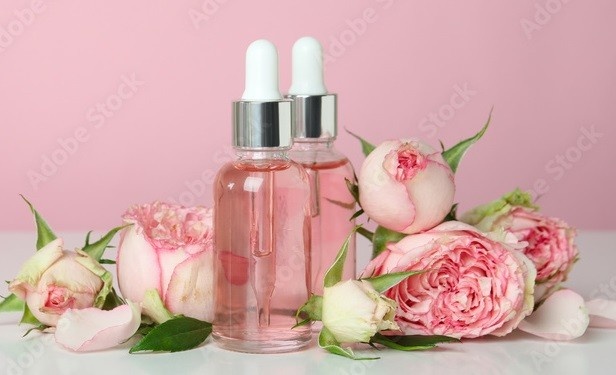
There is something incredibly comforting about roses. Whether it is their soft petals, calming fragrance, or their presence in beauty rituals across centuries, roses have always held a special place in human history. But beyond their charm, roses also offer one of the most precious natural oils in the world: Rose Oil.
Often described as liquid gold for the skin, mind, and overall wellness, rose oil has earned its reputation through its therapeutic benefits and versatility. In this guide, let’s walk through everything you need to know about rose oil, its science-backed health benefits, uses, dosage, side effects, and how you can even make it at home.
What is Rose Oil?
Rose oil is a highly concentrated essential oil extracted from the petals of roses, mainly Rosa damascena (Damask rose) and Rosa centifolia (Cabbage rose). It is one of the most expensive essential oils in the world because it takes thousands of rose petals to produce just one ounce of oil.
There are two major types of rose oil:
- Rose Otto – Obtained through steam distillation
- Rose Absolute – Obtained through solvent extraction, making it more aromatic but slightly less pure than rose otto
Rose oil has been used traditionally in aromatherapy, medicine, skincare, and spiritual rituals. Its soothing fragrance and powerful active compounds make it a favorite across cultures.
Components of Rose Oil
While rose oil is not consumed as a typical food, it contains several bioactive compounds that contribute to its therapeutic properties.
| Nutrient / Compound | Approximate Value / Presence |
|---|---|
| Citronellol | 30 to 40 percent |
| Geraniol | 10 to 20 percent |
| Nerol | Present |
| Phenyl ethanol | Present |
| Eugenol | Trace amounts |
| Vitamin C (in trace form) | Very low |
| Fatty acids | Minimal |
| Calories | Negligible in topical/aroma use |
These natural compounds are responsible for rose oil’s antibacterial, anti-inflammatory, antioxidant, and mood-enhancing properties.
20 Proven Benefits of Rose Oil
Rose oil’s benefits extend far beyond its beautiful scent. Here are the top 20 health, wellness, and beauty benefits people experience.
1. Reduces Stress and Anxiety
Breathing in oil activates the parasympathetic nervous system, helping the mind relax and reducing feelings of anxiety.
2. Helps Improve Mood
The aroma of roses has an uplifting effect, often used in aromatherapy to ease emotional tension.
3. Promotes Glowing Skin
Rose oil deeply hydrates and nourishes the skin, leaving it soft, supple, and radiant.
4. Contains Antibacterial Properties
Its natural antibacterial compounds help fight acne-causing bacteria and reduce breakouts.
5. Reduces Inflammation
Rose oil is soothing for irritated skin and can help calm redness, swelling, or sensitivity.
6. Helps Balance Hormones
Some studies suggest rose oil aromatherapy may ease PMS symptoms and promote hormonal balance.
7. Supports Better Sleep
Using oil before bedtime can improve sleep quality by calming the nervous system.
8. Reduces Signs of Aging
Rose oil contains antioxidants that reduce fine lines, wrinkles, and promote collagen production.
9. Helps Relieve Headaches
Massaging diluted oil on temples can relieve stress-induced headaches.
10. Natural Aphrodisiac
Its soothing scent is known to enhance intimacy, confidence, and emotional connection.
11. Boosts Skin Healing
Rose oil supports skin regeneration and helps with scars, stretch marks, and minor wounds.
12. Helps Balance Oily Skin
It controls excess sebum without stripping natural moisture.
13. Eases Menstrual Discomfort
Aromatherapy or gentle massage with rose oil can help reduce menstrual pain.
14. Supports Digestive Comfort
When diluted and used topically, oil may help ease stomach discomfort.
15. May Enhance Immunity
Its antibacterial and anti-inflammatory effects support the body’s natural defenses.
16. Reduces Body Odor Naturally
Because of its antibacterial properties, rose oil is used in natural deodorants.
17. Improves Hair Health
Rose oil hydrates the scalp, reduces dandruff, and promotes healthy hair.
18. Calms Skin Conditions
People with eczema, dermatitis, or rosacea may find relief with diluted oil.
19. Enhances Spiritual Practices
Used in meditation and rituals, the scent of roses promotes emotional grounding.
20. Acts as a Natural Perfume
A small amount goes a long way in offering a gentle, elegant fragrance.
10 Side Effects of Rose Oil
Rose oil is powerful, so it must be used correctly. Possible side effects include:
1. Skin Irritation
Using undiluted oil can cause burning, redness, or irritation.
2. Allergic Reactions
Some people may develop rashes or itching due to sensitivity.
3. Headaches from Strong Aroma
Strong essential oils may trigger headaches in sensitive individuals.
4. Nausea
Excessive inhalation can cause nausea or stomach discomfort.
5. Respiratory Irritation
People with asthma may feel discomfort around strong essential oils.
6. Hormonal Effects
Rose oil may influence hormones, so caution is recommended during pregnancy.
7. Photosensitivity
Rare, but some people may feel more sensitive to sunlight.
8. Eye Irritation
Accidental contact with eyes can cause burning and watering.
9. Interaction with Medication
It may interfere with hormonal medicines or mood-altering drugs.
10. Overuse Risk
Excessive use can cause dizziness, fatigue, or skin damage.
How to Use Rose Oil?
Rose oil is versatile and can be used in many ways:
Aromatherapy
Add a few drops to a diffuser to calm your mind and reduce stress.
Topical Application
Always dilute with a carrier oil like coconut, almond, or jojoba oil before applying to skin.
Massage
Use diluted rose oil for relaxing massages, especially around shoulders, neck, and abdomen.
Bath Remedy
Add a few drops to warm bathwater for relaxation and skin nourishment.
Haircare
Mix it into your shampoo or hair oil to improve shine and scalp health.
Other Uses of Rose Oil
Aside from personal care, oil has several additional uses:
- Natural room freshener
- Ingredient in perfumes
- Used in soaps and creams
- Spiritual or meditation rituals
- Adds fragrance to homemade candles or lotions
Tips for Consuming Rose Oil
Rose essential oil is generally not meant for internal consumption unless specified as food-grade and approved by a professional. If using edible oil:
- Only consume extremely small amounts
- Mix it with honey, milk, or tea
- Never take it directly
- Follow professional dosage recommendations
How to Take Rose Oil?
Because oil is highly concentrated, the safest ways to take it include:
1. Aromatherapy Use
Inhalation is the safest and most effective method.
2. Topical Use
Dilute 1 drop of rose oil in 1 teaspoon of carrier oil (1 percent dilution).
3. Edible Use (Only if Food-Grade)
Use only 1 drop diluted in an entire recipe or drink.
How to Make Rose Oil at Home?
Homemade rose oil is not as potent as professionally extracted rose essential oil, but it still carries many benefits.
Ingredients:
- Fresh or dried rose petals
- Carrier oil (coconut, olive, almond, or jojoba)
- A clean glass jar
Method:
- Loosely fill a jar with rose petals.
- Warm your carrier oil gently.
- Pour the warm oil over the petals.
- Seal the jar and let it infuse for 48 hours.
- Strain the oil and repeat if you want stronger fragrance.
- Store in a dark glass container.
This infusion can be used for skin and hair care.
How Much Rose Oil Can You Use Per Day?
For safety:
- Topical use: 1 to 2 drops diluted in a carrier oil
- Aromatherapy: 3 to 5 drops in a diffuser
- Internal use (food-grade only): 1 drop per day, deeply diluted
Never exceed recommended amounts, as oil is extremely concentrated.
Rose Oil Dosage
| Usage Type | Recommended Dosage |
|---|---|
| Aromatherapy | 3–5 drops |
| Massage Oil | 1 drop per 1 teaspoon carrier oil |
| Skincare | 1–2 drops per product |
| Haircare | 1–2 drops in shampoo or oil |
| Edible (Food-grade only) | 1 drop per day |
Best Time to Use Rose Oil
The ideal time varies depending on your purpose:
- For sleep: Before bedtime
- For stress relief: Anytime during the day
- For skincare: Nighttime routine
- For haircare: Before washing or overnight oiling
Who Should Use Rose Oil?
Oil can be helpful for:
- People with dry, sensitive, or mature skin
- Individuals dealing with stress, anxiety, or mood imbalance
- People looking for natural perfume or aromatherapy solutions
- Those with mild inflammation or skin irritation
- Anyone wanting a soothing, luxurious beauty ritual
Who Should Not Use Rose Oil?
The following individuals should avoid or limit use:
- Pregnant women (unless advised by a doctor)
- People allergic to roses or essential oils
- Individuals with very sensitive skin
- Those taking hormonal medications
- Young children (undiluted oils can be dangerous)
How to Store Rose Oil?
To keep oil fresh:
- Store in a dark glass bottle
- Keep it in a cool, dark place
- Avoid exposure to sunlight or heat
- Keep the lid tightly closed
- Use within 1 to 2 years
Precautions and Interactions
Before using oil, consider:
- Always perform a patch test
- Never use undiluted essential oil on skin
- Avoid contact with eyes
- Consult a doctor if pregnant or breastfeeding
- Keep away from children
- May interact with antidepressants or hormonal medications
- Do not consume non-food-grade oil
FAQ’s
What is rose oil used for?
Oil is used for skincare, aromatherapy, stress relief, improving mood, reducing inflammation, and adding natural fragrance to beauty products.
Can I apply rose oil directly on my skin?
No. oil should always be diluted with a carrier oil to prevent irritation or allergic reactions.
Is rose oil good for the face?
Yes, when diluted. It helps hydrate skin, reduce wrinkles, control acne, and improve radiance.
Can rose oil be used on hair?
Yes, mixing 1–2 drops of oil into hair oil or shampoo can improve scalp health and add shine.
Can I ingest rose oil?
Only food-grade oil should be consumed, and even then, just 1 drop diluted in food or drink. Most essential oils are not safe for internal use.
Is rose oil safe during pregnancy?
Pregnant and breastfeeding women should avoid using oil unless recommended by a healthcare professional.
Does rose oil help with anxiety?
Yes, inhaling oil’s aroma can reduce stress and promote relaxation.
Can I use rose oil every day?
Yes, you can use oil daily as long as it is properly diluted. For skincare, 1–2 drops mixed with a carrier oil or moisturizer is safe for most people. Avoid overuse to prevent irritation.
Is rose oil safe for children?
Oil should not be used directly on children, especially infants. If needed, only very mild, highly diluted aromatherapy (1 drop in a diffuser) may be used, but always consult a pediatrician first.
What is another name for rose oil?
Rose oil is also known as Rose Otto (steam-distilled) or Rose Absolute (solvent-extracted). Its scientific name is often listed as Rosa damascena essential oil.
What is the difference between rose oil and rose water?
Oil is a highly concentrated essential oil extracted from rose petals, while rose water is a much lighter byproduct of steam distillation. Oil is potent and oily; rose water is gentle and water-based, suitable for daily skincare.
Why is rose oil so expensive?
Oil is costly because thousands of rose petals are needed to produce even a small amount. Harvesting is labor-intensive, and roses must be picked early in the morning to preserve their fragrance and oil content.
Which country is famous for rose oil?
Bulgaria is one of the most famous producers of high-quality oil, especially from the Rose Valley. Other major producers include Turkey, Iran, and Morocco.
How to know if rose oil is real?
Real oil has a deep, rich floral scent, solidifies slightly at cooler temperatures, and comes in dark glass bottles. It is always expensive. If it smells too sweet, is very cheap, or comes in plastic, it is likely synthetic or diluted.
How long does homemade rose oil last?
Homemade rose-infused oil typically lasts 6 to 12 months, depending on the carrier oil used and how it’s stored. Keeping it in a cool, dark place in a sterilized glass bottle helps extend its shelf life.
Also Read: