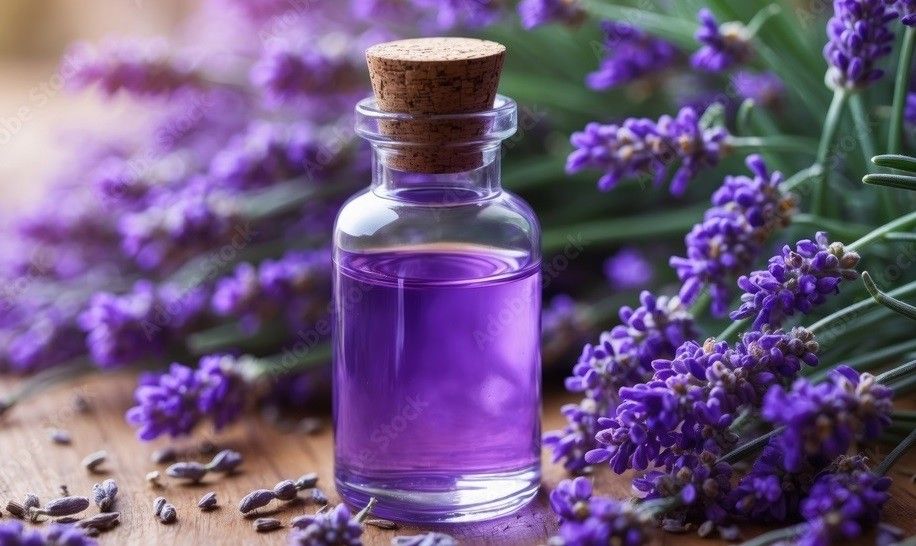
Lavender oil has quietly become one of the most loved natural remedies across the world. It is soothing, versatile, fragrant, and surprisingly powerful when it comes to healing. Whether you are struggling with stress, skin problems, sleep issues, or simply want a comforting wellness ritual, lavender oil is often the go-to solution.
This guide takes you through everything you need to know about lavender oil: what it is, how it works, its health benefits, side effects, correct usage, dosage, and even how you can make it at home. The aim is to give you a complete, guide that feels helpful, relatable, and easy to follow.
What Is Lavender Oil?
Lavender oil is an essential oil extracted from the flowers of the lavender plant, scientifically known as Lavandula angustifolia. It is obtained through steam distillation and is celebrated for its calming aroma and therapeutic properties.
For centuries, lavender oil has been used in traditional medicine, skincare, aromatherapy, and even household cleaning. Its sweet, floral scent has a natural ability to relax the nervous system, making it a popular choice for stress relief and sleep support. Lavender oil is also packed with compounds that help reduce inflammation, fight bacteria, soothe skin irritation, relieve pain, and support emotional wellness.
Components of Lavender Oil
| Component | Description | Benefits |
|---|---|---|
| Linalool | A natural alcohol found in lavender | Calming, sedative, anti-anxiety, anti-inflammatory |
| Linalyl acetate | Ester compound responsible for floral aroma | Relaxation, anti-stress, skin soothing |
| Camphor | Aromatic compound | Pain relief, improves blood circulation |
| Lavandulol | Alcohol compound | Anti-microbial, healing |
| Terpinen-4-ol | Main active terpene | Anti-fungal, anti-inflammatory |
| β-caryophyllene | Sesquiterpene | Helps reduce pain and inflammation |
| 1,8-cineole | Oxide compound | Respiratory support, clearing congestion |
| Geraniol | Fragrant compound | Skin healing, anti-microbial |
| Coumarins | Natural aromatic chemicals | Improve sleep and mood |
| Tannins | Polyphenols | Skin tightening, antioxidant support |
20 Proven Benefits of Lavender Oil
Here are science-backed benefits of lavender oil and how they can genuinely support your wellbeing.
1. Reduces Stress and Anxiety
Lavender oil is widely known for its calming effect. Just inhaling its aroma can help relax your nervous system, reduce cortisol levels, and bring a sense of emotional balance.
2. Improves Sleep Quality
Lavender is a natural sleep promoter. It helps calm overactive thoughts, relax muscles, and create a peaceful atmosphere. Many people use it in diffusers or pillow sprays.
3. Helps With Headaches and Migraines
Massaging diluted oil around the temples can ease tension headaches. Its anti-inflammatory properties also help with migraine-related pain.
4. Soothes Skin Irritation
Lavender oil can calm redness, itching, and mild skin rashes. It is often added to moisturizers for sensitive skin.
5. Fights Acne
Oil has antibacterial qualities that help reduce acne-causing bacteria. It also regulates excess sebum production.
6. Promotes Hair Growth
Lavender oil improves blood circulation in the scalp, strengthens hair roots, and may help reduce hair loss.
7. Reduces Dandruff
Its anti-fungal properties help control dandruff and soothe an itchy scalp.
8. Helps Heal Wounds
Lavender oil promotes faster skin healing by increasing collagen production and reducing inflammation.
9. Relieves Muscle and Joint Pain
Lavender-infused massages help relax stiff muscles and reduce joint discomfort.
10. Supports Respiratory Health
Inhaling lavender can help relieve congestion, cough, and cold symptoms due to its anti-inflammatory and antimicrobial effects.
11. Improves Mood and Emotional Health
Oil can help reduce irritability, restlessness, and emotional tension. It promotes a sense of inner balance.
12. Natural Insect Repellent
Mosquitoes and insects dislike the smell of lavender. It can be used in sprays or on the skin when diluted.
13. Helps With Menstrual Pain
Massaging diluted lavender oil on the lower abdomen may ease period cramps and reduce discomfort.
14. Supports Digestive Health
Lavender oil can reduce bloating and nausea when used aromatically or very carefully in ingestible form.
15. Balances Oily Skin
Its sebum-regulating effect helps maintain balanced skin without over-drying.
16. Helps Reduce Scars
Oil promotes skin regeneration, which can help diminish scars and marks over time.
17. Boosts Immunity
Its antibacterial and antiviral properties support stronger immunity and help keep infections at bay.
18. Helps With Burns
Lavender oil is cooling and soothing, making it helpful for mild burns and sunburns when diluted.
19. Natural Room Freshener
Its clean, floral scent makes your home smell fresh without harmful chemicals.
20. Supports Relaxation During Meditation
Lavender aroma encourages deeper relaxation, making it great for meditation, yoga, and mindfulness practices.
10 Side Effects of Lavender Oil
Lavender oil is generally safe, but using it incorrectly or excessively can cause side effects.
1. Skin Irritation
Direct application without dilution can cause redness, burning, or itching.
2. Allergic Reactions
Some people may experience rashes or hives, especially if they have sensitive skin.
3. Hormonal Imbalance
High or prolonged use may influence hormones, especially in children. It should be used cautiously in young boys.
4. Headaches From Overuse
Too much inhalation can sometimes cause headaches instead of relieving them.
5. Digestive Issues
Consuming oil without proper dilution can lead to nausea, vomiting, or stomach irritation.
6. Breathing Problems
People with asthma may experience sensitivity to strong essential oil vapors.
7. Photosensitivity
Lavender oil may increase sensitivity to sunlight for some individuals.
8. Interaction With Medications
It can interact with sedatives, blood thinners, or antidepressants.
9. Low Blood Pressure
Lavender can slightly reduce blood pressure, which may cause dizziness in people with already low levels.
10. Hormonal Sensitivity During Pregnancy
Pregnant women should use lavender oil cautiously because essential oils may cross the placenta.
How to Use Lavender Oil?
Here are the safest and most effective ways to use lavender oil:
Aromatherapy
Add 3 to 5 drops to a diffuser to relax your mind and improve sleep.
Topical Application
Mix 2 to 3 drops with a carrier oil like coconut, almond, or jojoba oil before applying to skin or scalp.
Massage
Blend oil with massage oil for pain relief, muscle relaxation, and improved sleep.
Bath
Add 5 drops to warm bathwater along with a tablespoon of Epsom salt for total relaxation.
Compress
Mix a few drops in warm water, soak a cloth, and apply to sore muscles or painful areas.
Other Uses of Lavender Oil
Oil offers many practical uses beyond wellness:
- As a natural perfume
- Added to homemade candles
- In laundry for fragrance
- As a natural cleaning aid
- In linen and pillow sprays
- To freshen wardrobes and shoes
- For DIY skin care and hair care recipes
Tips for Consuming Lavender Oil
Lavender oil must be consumed with extreme caution. Follow these rules:
- Always dilute before use.
- Start with the smallest possible dose.
- Choose only food-grade lavender oil if ingesting.
- Avoid mixing oil with alcohol or strong medications.
- Never exceed the recommended dosage.
- Stop immediately if you feel any discomfort.
How to Take Lavender Oil?
If consuming lavender oil, here are safe methods:
Under the Tongue
One drop of food-grade lavender oil mixed with honey.
Mixed With Warm Water
1 drop in a glass of warm water for digestion or relaxation.
Capsules
Lavender oil capsules are available for anxiety and sleep support.
In Tea
Add 1 drop to chamomile or mint tea for a calming effect.
How to Make Lavender Oil at Home?
Here is a simple homemade lavender oil recipe:
Ingredients:
- Fresh or dried lavender flowers
- Carrier oil (olive oil, coconut oil, or almond oil)
- A glass jar with lid
Steps:
- Wash and dry lavender flowers completely.
- Fill the jar halfway with flowers.
- Pour carrier oil until flowers are fully submerged.
- Close the jar tightly and place it in a warm, sunny spot.
- Let it sit for 3 to 4 weeks, shaking gently every day.
- Strain the oil using a fine cloth.
- Store in a dark bottle.
This gives you infused oil, not essential oil, but it is excellent for skin, hair, and relaxation.
How Much Lavender Oil Can You Use Per Day?
- Topical use: 2 to 4 drops diluted.
- Aromatherapy: 3 to 5 drops in a diffuser.
- Oral use: 1 drop per day of food-grade lavender oil (if tolerated).
Always seek professional advice before ingesting essential oils.
Lavender Oil Dosage
| Purpose | Recommended Dosage |
|---|---|
| Stress relief | 3–5 drops aromatherapy |
| Sleep | 2–3 drops on pillow or diffuser |
| Headache | 1–2 drops on temples (diluted) |
| Skin issues | 2–3 drops mixed with carrier oil |
| Oral use | 1 drop daily (food-grade only) |
| Massage | 5–10 drops in 1 tablespoon carrier oil |
Best Time to Use Lavender Oil
- For sleep: Evening or bedtime.
- For stress: Anytime during the day.
- For skincare: Morning or night after cleansing.
- For haircare: Before a shower or as an overnight scalp treatment.
Who Should Use Lavender Oil?
Oil can be beneficial for:
- People dealing with stress or anxiety
- Individuals struggling with sleeplessness
- Those with minor skin irritations
- People with headaches or migraines
- Individuals with scalp issues
- Those seeking natural fragrance and wellness alternatives
Who Should Not Use Lavender Oil?
Avoid oil if you:
- Are pregnant or breastfeeding without medical guidance
- Have severe allergies or asthma
- Are under 10 years of age
- Are on sedatives or antidepressants
- Have low blood pressure
- Are sensitive to essential oils
How to Store Lavender Oil?
Proper storage helps preserve its therapeutic properties.
- Keep it in a dark glass bottle
- Store in a cool, dry place
- Keep away from sunlight
- Close tightly to prevent oxidation
- Avoid plastic containers
Precautions and Interactions
- Always dilute before applying to skin
- Avoid contact with eyes and inner ears
- Do not use undiluted oil on children
- Avoid if you have hormone-sensitive conditions
- Use cautiously if you take sedatives or blood pressure medications
- Perform a patch test before first use
- If pregnant or breastfeeding, seek medical advice
FAQ’s
What is lavender oil used for?
Lavender oil is commonly used for stress relief, better sleep, skin healing, hair growth, pain relief, and aromatherapy.
Can you apply lavender oil directly to the skin?
It is safer to dilute oil with a carrier oil before applying it to your skin to avoid irritation.
Can lavender oil help you sleep?
Yes, its calming aroma relaxes the nervous system and helps improve sleep quality naturally.
Is lavender oil safe for hair?
Yes, when diluted, it helps reduce dandruff, promote hair growth, and soothe an itchy scalp.
Can you ingest lavender oil?
Only food-grade oil can be consumed, and even then, strictly in very small amounts, such as one diluted drop.
Can pregnant women use lavender oil?
Pregnant women should consult a doctor before using any essential oils, including lavender oil.
Does lavender oil reduce anxiety?
Yes, its aroma helps lower stress hormones and promotes relaxation.
Is lavender oil safe for children?
Essential oils should be used with extreme caution for children. Oil should not be applied to young children without medical advice.
Can I use lavender oil every day?
Yes, you can use oil daily as long as you use it correctly and in small, diluted amounts. Daily use through aromatherapy, skin application, or hair care is generally safe for most people. However, consuming oil daily should be done cautiously and preferably under guidance. If you notice irritation or headaches, take a break.
Why put lavender oil on feet?
Applying oil to the feet helps absorption because the skin on the soles is thick and contains large pores. Many people find that massaging diluted oil on their feet before bed improves relaxation and sleep. It also helps soothe tired muscles and creates a grounding, calming effect.
How long does it take for lavender oil to work?
Oil works fairly quickly. When inhaled, you may feel calmer within 5 to 15 minutes. For sleep, it may take 20 to 30 minutes to notice relaxation. Topically, it may take a few days to a few weeks to see improvement in skin or hair concerns, depending on the issue.
What does putting lavender oil in your belly button do?
Applying diluted oil to the belly button is a traditional practice believed to support relaxation, digestion, and emotional balance. The area around the navel contains many nerve endings and is connected to blood vessels, so absorption can be quick. While scientific evidence is limited, many people use this method for calming the mind and reducing stress.
Also Read: