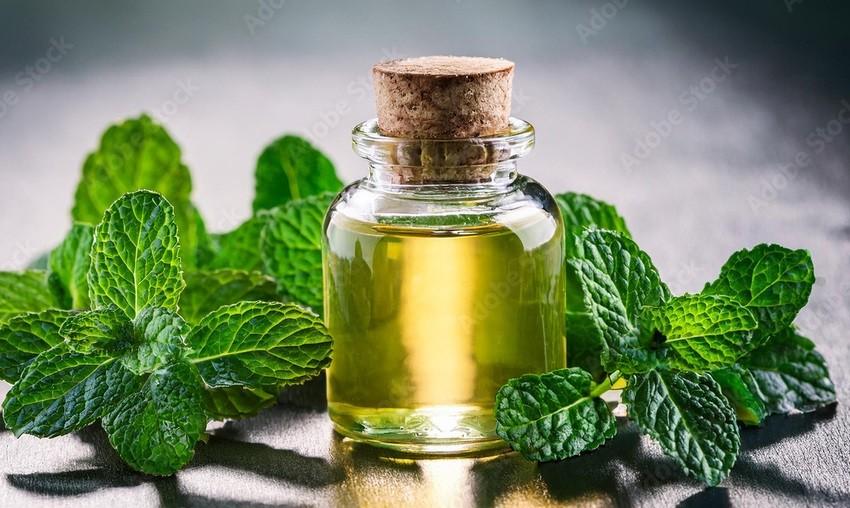
Peppermint oil has been used for centuries, yet it continues to be one of the most loved natural remedies around the world. Whether you’ve suffered from headaches, digestive discomfort, sinus congestion, or fatigue, someone has probably told you to “try peppermint oil.” And honestly, they weren’t wrong.
This refreshing, minty essential oil is packed with therapeutic properties that can support your body, mind, and even your home. But like every powerful natural remedy, it deserves a proper understanding before use. In this guide, we dive deep into everything you need to know about peppermint oil: what it is, how it works, health benefits, side effects, how to use it safely, and even how to make it at home.
What Is Peppermint Oil?
Peppermint oil is a highly concentrated essential oil extracted from the leaves of the peppermint plant, scientifically known as Mentha × piperita. Peppermint is actually a hybrid of watermint and spearmint, which makes it stronger, sharper, and more aromatic than regular mint.
The oil is typically extracted by steam distillation, which captures the plant’s most powerful compounds, especially menthol and menthone. These compounds are responsible for the cooling sensation peppermint oil gives you on your skin, in your mouth, and even in your breathing.
For centuries, peppermint oil has been used in traditional medicine across cultures for digestion, respiratory issues, headaches, and pain relief. Today, you’ll find it in balms, shampoos, teas, supplements, aromatherapy blends, and even cleaning solutions.
Components of Peppermint Oil
Below are major active components found in peppermint oil:
| Component | Percentage (Approx.) | Role/Benefits |
|---|---|---|
| Menthol | 35–45% | Cooling effect, pain relief, antimicrobial properties |
| Menthone | 10–35% | Aroma, anti-inflammatory effects |
| Menthyl acetate | 3–10% | Sweet minty scent |
| 1,8-Cineole | 5–13% | Respiratory benefits, decongestant |
| Limonene | 1–5% | Antioxidant properties |
| Beta-caryophyllene | 1–3% | Anti-inflammatory benefits |
| Pulegone | <1% | Toxic in high amounts; regulated |
| Carvone | <1% | Digestive benefits |
20 Proven Benefits of Peppermint Oil
Peppermint oil is known for its versatility. Here are twenty science-backed and traditional benefits:
1. Reduces Headaches and Migraines
Peppermint oil’s menthol relaxes muscles and improves blood flow, which can ease tension headaches. Applying diluted oil on the temples often provides quick relief. Many people find this more effective than over-the-counter balms.
2. Relieves Digestive Discomfort
Oil can relax the muscles of the gastrointestinal tract. This helps reduce bloating, gas, indigestion, stomach cramps, and feelings of fullness.
3. Helps with IBS (Irritable Bowel Syndrome)
Peppermint oil capsules are clinically proven to reduce IBS symptoms like abdominal pain, spasms, and discomfort. The antispasmodic effect of menthol works directly on the intestines.
4. Improves Sinus Congestion
Its cooling vapor opens blocked nasal passages, clears mucus, and provides relief from sinus pressure. Inhaling steam with a few drops of oil works wonders.
5. Boosts Energy and Alertness
Its strong aroma acts as a natural stimulant. A whiff of peppermint oil can reduce fatigue, increase focus, and elevate mood during long working hours.
6. Soothes Sore Muscles
Oil offers a cooling, pain-relieving effect that eases muscle tension. It’s especially helpful after workouts or long periods of sitting.
7. Reduces Nausea
Inhaling peppermint oil or drinking peppermint tea can help reduce nausea caused by travel sickness, pregnancy (with doctor’s approval), or indigestion.
8. Relieves Joint Pain
Oil, often combined with eucalyptus or lavender, acts as a natural analgesic. It supports blood circulation and reduces inflammation around joints.
9. Supports Respiratory Health
It acts as a decongestant and helps clear airways. Peppermint oil is helpful for cough, asthma symptoms, colds, and mild bronchitis.
10. Improves Oral Health
Oil is antibacterial and leaves the mouth feeling fresh. It helps reduce bad breath, plaque, and gum irritation.
11. Promotes Hair Growth
It increases scalp circulation, which may support hair growth. Many people use diluted peppermint oil in hair oils or shampoos.
12. Reduces Itching and Skin Irritations
Its cooling effect can calm insect bites, rashes, and mild skin irritation. But always dilute it before applying.
13. Acts as a Natural Insect Repellent
Mosquitoes, ants, spiders, and flies dislike the strong aroma of oil. It’s often used for natural pest control.
14. Relieves Menstrual Cramps
Peppermint oil’s antispasmodic properties help relax uterine muscles, offering relief from period pain.
15. Improves Mental Clarity
The invigorating smell helps boost cognitive function, memory, and alertness. It’s excellent for study or work sessions.
16. Supports Skin Health
Oil helps control excess oil and has antimicrobial properties that may support clearer skin.
17. Freshens Air Naturally
Just a few drops in a diffuser can remove bad odors and create a refreshing environment.
18. Eases Stress and Anxiety
Though stimulating, peppermint oil also has a calming and cooling effect that helps reduce mental tension.
19. Supports Immune Health
It contains antioxidants and antimicrobial compounds that help the body fight infections more effectively.
20. Helps Reduce Fever (Cooling Effect)
Oil’s menthol helps provide a cooling sensation when applied diluted on the forehead or neck.
10 Side Effects of Peppermint Oil
Peppermint oil is powerful, so overusing it—or using it incorrectly—can lead to side effects:
1. Skin Irritation
Undiluted oil can cause redness, burning, or rashes, especially on sensitive skin.
2. Allergic Reactions
Some people may experience itching, swelling, or hives.
3. Heartburn
Peppermint oil relaxes the esophageal sphincter, which can trigger acid reflux in some people.
4. Nausea (In High Doses)
Ironically, too much oil can cause nausea instead of reducing it.
5. Mouth Irritation
Undiluted ingestion can cause burning sensations or mouth sores.
6. Headaches (From Overuse)
Strong essential oil fumes can trigger sensitivity headaches in certain individuals.
7. Interference with Medications
Peppermint oil may interact with antacids, blood pressure medications, or cyclosporine.
8. Breathing Difficulties in Infants
Oil should never be used on or near infants due to risk of respiratory spasms.
9. Lowered Iron Absorption
Large amounts may interfere with iron absorption.
10. Toxicity (If Consumed Undiluted)
Ingesting pure, undiluted peppermint oil can be dangerous and highly toxic.
How to Use Peppermint Oil?
You can use oil in many ways:
1. Aromatherapy
Add 3–5 drops to a diffuser for focus, energy, or sinus support.
2. Topical Use
Always dilute with a carrier oil like coconut or almond oil.
Recommended ratio: 1 drop peppermint oil : 3–5 drops carrier oil.
3. Massage
Use diluted peppermint oil to massage sore muscles, joints, or the abdomen.
4. Steam Inhalation
Add 2–3 drops to hot water, cover your head with a towel, and inhale deeply.
5. Bath
Mix peppermint oil with a carrier oil before adding to water to avoid skin irritation.
6. Oral Use
Only consume peppermint oil if specifically labeled for internal use. Peppermint tea or capsules are safer options.
Other Uses of Peppermint Oil
Beyond health benefits, oil can be used for:
- Natural cleaning sprays
- Floor mopping solutions
- Repelling insects
- Freshening laundry
- Removing bad odors from shoes
- Car air freshening
- Pet-safe (diffused in small amounts, not applied on pets)
Tips for Consuming Peppermint Oil
- Never take undiluted oil directly.
- Use enteric-coated capsules for digestive issues.
- Start with the lowest dose.
- Avoid consuming during pregnancy unless approved by a doctor.
- Don’t mix with antacids unless guided by a professional.
- Drink plenty of water after consuming peppermint oil capsules.
- Stop immediately if you feel burning or irritation.
How to Take Peppermint Oil?
You can take oil in various safe ways:
1. Capsules
The safest and most recommended way for digestive issues.
2. Diluted Drops
Add 1–2 drops to warm water or tea (only if the oil is food-grade).
3. Peppermint Tea
A very gentle way to enjoy benefits similar to peppermint oil.
4. Inhaling Vapor
Good for sinus and respiratory relief.
How to Make Peppermint Oil at Home?
Homemade peppermint oil is less concentrated than essential oil, but still wonderful for massage and skincare.
Ingredients:
- Fresh peppermint leaves
- Carrier oil (olive, almond, jojoba)
- Clean glass jar
Method:
- Wash and dry the peppermint leaves completely.
- Crush the leaves slightly to release oils.
- Place them in a clean glass jar.
- Pour carrier oil over them until fully covered.
- Close the jar and keep it in sunlight for 3–5 days.
- Shake daily.
- Strain the oil and store it in a clean bottle.
This oil is great for massage, hair, and aromatherapy.
How Much Peppermint Oil Can You Use Per Day?
Below are general guidelines:
For oral use
- 1–2 enteric-coated capsules per day, or
- 1 drop food-grade peppermint oil diluted in water (only if approved).
For topical use
- 3–4 drops diluted in a carrier oil, used 1–3 times per day.
For aromatherapy
- 3–5 drops in a diffuser.
Never exceed more than 3 drops of essential oil orally per day unless medically supervised.
Peppermint Oil Dosage
Here are commonly recommended dosages:
| Purpose | Dosage |
|---|---|
| IBS | 180–225 mg peppermint oil capsule, 2–3 times daily |
| Indigestion | 1 capsule 1–2 times daily |
| Headache | Diluted peppermint oil applied on temples 1–2 times daily |
| Sinus congestion | 2–3 drops in steam inhalation |
| Muscle pain | 3–4 drops in carrier oil applied as needed |
Best Time to Use Peppermint Oil
- For energy and focus: Morning or before work
- For digestion: After meals
- For headaches: As soon as symptoms begin
- For sinus congestion: Morning or evening steam
- For muscle pain: After exercise or at night
- For sleep (if used lightly): Evening, but avoid strong doses since peppermint is stimulating
Who Should Use Peppermint Oil?
Peppermint oil may benefit:
- Adults with headaches, migraines, or muscle pain
- People with IBS or digestive issues
- Those with sinus or respiratory congestion
- Individuals struggling with focus or fatigue
- People looking for natural skincare or haircare remedies
- Anyone seeking a natural insect repellent
Who Should Not Use Peppermint Oil?
Avoid peppermint oil if you are:
- An infant or applying around infants
- Pregnant or breastfeeding without medical approval
- Allergic to menthol or mint
- Suffering from severe acid reflux
- Taking antacids or certain medications
- Having gallbladder disease or bile duct obstruction
How to Store Peppermint Oil?
To maintain its potency:
- Keep in a cool, dark place
- Store in an amber glass bottle
- Avoid direct sunlight
- Keep tightly closed
- Keep away from heat sources
- Do not store in plastic containers
Properly stored peppermint oil lasts for several years.
Precautions and Interactions
Before using oil, keep these precautions in mind:
- Always dilute before applying on the skin.
- Avoid eye contact; it can cause burning.
- Do not apply directly inside the nose.
- Avoid high doses to prevent toxicity.
- Keep away from children and pets.
- If you are on medications, consult your doctor.
- Do not mix multiple essential oils without understanding interactions.
- Test a small area before full application.
FAQ’s
What is peppermint oil used for?
Oil is commonly used for headaches, digestion, nausea, sinus congestion, muscle pain, hair growth, and boosting energy. It also works as a natural insect repellent and air freshener.
Can I apply peppermint oil directly to the skin?
No, you should always dilute peppermint oil with a carrier oil because it is too strong to use directly. Undiluted use can cause burning, redness, or irritation.
Can I take peppermint oil orally?
Yes, but only if it’s food-grade or in enteric-coated capsule form. Do not swallow undiluted essential oil drops. Always follow recommended dosage guidelines.
Is peppermint oil safe for pregnant women?
Pregnant or breastfeeding women should avoid peppermint oil unless a doctor approves. It may trigger acidity or interact with hormones.
Can children use peppermint oil?
Oil should not be used on or near infants and young children. For older kids, use only in diluted form and after medical advice.
Does peppermint oil help hair growth?
Yes, oil may improve scalp circulation, which can support hair growth and thickness. Always dilute it before applying to the scalp.
Does peppermint oil help with digestion?
Yes, oil is well-known for reducing indigestion, bloating, gas, and IBS symptoms. Enteric-coated capsules are most effective for digestive support.
Can I use peppermint oil every day?
Yes, you can use oil daily as long as it is properly diluted and used in recommended amounts. Avoid overuse to prevent skin irritation or headaches.
What’s the best way to use peppermint oil?
The best methods are inhalation for congestion or energy, topical use (diluted) for headaches or pain, and enteric-coated capsules for digestion or IBS.
Can I leave peppermint oil overnight?
Yes, you can leave diluted oil overnight on the skin or scalp. Never use it undiluted, and always do a patch test if you have sensitive skin.
What not to mix peppermint oil with?
Avoid mixing oil with other strong essential oils like clove or oregano unless you know proper ratios. Also avoid combining it with antacids or certain medications without medical advice.
Can I mix peppermint oil with coconut oil?
Yes, coconut oil is one of the best carrier oils for oil. It helps dilute the oil safely and is ideal for scalp, massage, and skincare use.
What does rubbing peppermint oil on your feet do?
Applying oil (diluted) on the feet can help cool the body, reduce fatigue, relieve muscle tension, and refresh tired feet due to its strong menthol effect.
How long does it take for peppermint oil to work?
Most people feel its effects within minutes. For headaches or congestion, relief may come in 5–15 minutes. Digestive benefits from capsules may take a few hours.
Why is peppermint oil expensive?
Oil is costly because it takes a large amount of peppermint leaves to produce a small amount of pure essential oil. High-quality oils also go through strict distillation processes.
Can I buy pure peppermint oil?
Yes, you can buy pure, therapeutic-grade oil from reputable brands. Always check labels to ensure it is 100% pure essential oil with no fillers.
What is the medical use of peppermint oil?
Medically, oil is used for IBS, indigestion, headaches, muscle pain, nausea, and respiratory congestion. Enteric-coated capsules are commonly used for digestive treatment.
Can you use peppermint oil without diluting it?
No, oil should not be used undiluted on the skin. It can cause burning, redness, and irritation. Always mix with a carrier oil.
How to use peppermint oil for vertigo?
Inhale oil through a diffuser or apply a diluted mix on your temples and the back of your neck. Its cooling effect may help reduce dizziness and nausea.
Where to rub peppermint oil for anxiety?
For anxiety relief, apply diluted oil on the temples, wrists, back of the neck, or behind the ears. Its scent helps calm the mind and increase mental clarity.
Also Read: