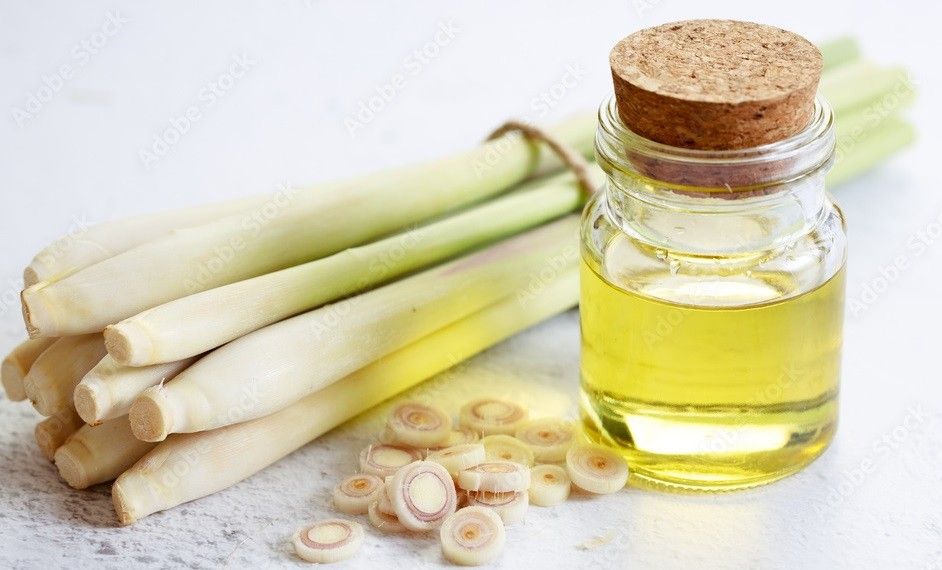
Lemongrass oil is one of those refreshing, citrusy, deeply aromatic oils that instantly lifts your mood the moment you open the bottle. Whether you’ve encountered it in a spa, an aromatherapy diffuser, herbal medicine, or even in a homemade bug repellent, you already know its energizing smell. But beyond the pleasant fragrance, lemongrass oil is also packed with healing properties. From easing inflammation to supporting digestion and skin health, it has quietly become one of the most popular essential oils around the world.
In this guide, we’ll walk through everything you need to know about lemongrass oil in daily life—its science-backed health benefits, side effects, how to use it, how much you should take, precautions, and even a simple DIY recipe to make your own at home.
What is Lemongrass Oil?
Lemongrass oil is an essential oil extracted from the fresh or partially dried leaves of the lemongrass plant (Cymbopogon citratus and Cymbopogon flexuosus). These long, aromatic grasses are native to Asia and Africa but are now cultivated worldwide because of their culinary and medicinal value.
The oil is typically extracted using steam distillation, which captures the powerful compounds present in the plant—especially citral, the main component responsible for its lemony smell and strong therapeutic potential.
Traditionally, lemongrass has been used in Ayurveda, Chinese medicine, and folk remedies to support digestion, relieve pain, reduce fever, fight infections, and improve skin health. Today, lemongrass oil remains popular in aromatherapy, skincare, natural medicine, and household cleaning products because of its versatility.
Nutrition Facts of Lemongrass Oil
Although essential oils are not consumed as food, lemongrass oil contains bioactive compounds that contribute to its therapeutic actions.
| Nutrient / Compound | Approx. Percentage | Role / Benefit |
|---|---|---|
| Citral (Geranial + Neral) | 70–80% | Antimicrobial, anti-inflammatory, strong lemon aroma |
| Geraniol | 5–10% | Antioxidant, skin health support |
| Limonene | 1–5% | Antioxidant, boosts mood |
| Myrcene | 1–3% | Pain relief, anti-inflammatory |
| Citronellal | 1–5% | Insect repellent |
| Linalool | 1–2% | Calming, soothing |
| Flavonoids | Trace | Antioxidant activity |
| Phenolic compounds | Trace | Anti-inflammatory effects |
These natural compounds work together to make lemongrass oil a powerful therapeutic agent, even in very small quantities.
20 Proven Benefits of Lemongrass Oil
1. Reduces inflammation
Lemongrass oil contains citral and myrcene, which help calm inflammation in tissues. This makes it useful for swelling, sore muscles, joint pain, and inflammatory skin conditions.
2. Fights harmful bacteria
The oil has potent antimicrobial properties that help kill or slow down the growth of harmful bacteria, making it effective in natural cleaning products, acne care, and wound care (when diluted).
3. Supports digestive health
Traditionally, lemongrass has been used to relieve stomach upset, bloating, indigestion, and gas. Aromatherapy or diluted topical use may help relax muscles in the digestive tract.
4. Helps reduce anxiety and stress
The refreshing citrus scent has mood-lifting effects, helping reduce stress, tension, and mental fatigue. Many spas use lemongrass oil for this reason.
5. Acts as a natural pain reliever
Lemongrass oil has analgesic properties, making it helpful for headaches, muscle cramps, body pain, and menstrual discomfort when applied with a carrier oil.
6. Natural deodorizer
Its fresh, lemony aroma neutralizes unpleasant odors. It’s often used in room sprays, diffusers, and natural deodorants.
7. Improves skin health
Lemongrass oil helps reduce acne-causing bacteria, balances excessive oil, minimizes pores, and tones the skin. When diluted properly, it can improve skin texture and clarity.
8. Helps fight fungal infections
Its antifungal properties make it useful for conditions such as athlete’s foot, ringworm, and nail fungus when used with proper dilution.
9. Boosts immunity
The oil’s antimicrobial and antioxidant compounds help support the body’s natural defenses.
10. Supports natural detoxification
Lemongrass traditionally helps the body flush out toxins. While the oil isn’t consumed directly, inhaling or applying diluted lemongrass oil may support circulation and lymphatic drainage.
11. Helps lower fever (traditional use)
In traditional medicine, lemongrass has been used as a fever reducer due to its cooling and anti-inflammatory effects.
12. Promotes hair health
When used in diluted form on the scalp, lemongrass oil may strengthen hair follicles, reduce dandruff, and improve scalp cleanliness.
13. Natural insect repellent
Citral and citronellal help keep mosquitoes, ants, and flies away. It’s used in natural repellents and sprays.
14. May help improve sleep
Its calming aroma may help relax the mind and body, promoting better sleep quality.
15. Helps improve circulation
Lemongrass oil stimulates blood flow, which can reduce muscle stiffness and help the body feel refreshed.
16. Supports hormonal balance
Some traditional practices use lemongrass to support hormonal balance, especially related to stress hormones.
17. Helps manage fungal dandruff
Its antifungal nature may help reduce dandruff and scalp irritation caused by fungal overgrowth.
18. Improves oral hygiene
The oil’s antimicrobial effects make it useful in homemade mouth rinses (only when extremely diluted and never swallowed).
19. May support weight management indirectly
Through stress reduction, digestion support, and improved detoxification, lemongrass oil can help support weight goals indirectly.
20. Helps boost energy and alertness
The refreshing citrus scent helps improve mental clarity, alertness, and concentration.
10 Side Effects of Lemongrass Oil
While lemongrass oil is beneficial, it must be used carefully. Here are the main side effects you should be aware of.
1. Skin irritation or burning
Direct application without dilution can cause redness, burning, or irritation because the oil is very strong.
2. Allergic reactions
Some people may be allergic. Symptoms can include rash, itching, or swelling after use.
3. Headaches or nausea
Strong aromas sometimes trigger nausea or headaches in scent-sensitive individuals.
4. Eye irritation
If the oil accidentally gets into the eyes, it can cause severe burning or irritation.
5. Stomach upset (if ingested improperly)
Lemongrass oil should never be consumed directly. Ingesting it without medical supervision can cause vomiting, nausea, or toxicity.
6. Increased sensitivity in pregnant individuals
Pregnant women should avoid topical or internal use without medical guidance, as essential oils can affect hormones.
7. Interaction with medications
The oil may interact with medications, especially diuretics or those affecting the liver.
8. Photosensitivity
Although not severe compared to some oils, lemongrass can make the skin slightly more sensitive to sunlight.
9. Burning sensation on sensitive skin
People with eczema, psoriasis, or sensitive skin may experience increased irritation.
10. Toxicity with excessive use
Using too much essential oil (either topically or internally) may cause toxicity, especially in children and pets.
How to Use Lemongrass Oil?
Lemongrass oil can be used in several safe and effective ways:
1. Aromatherapy
Add a few drops to a diffuser to reduce stress, improve air quality, and lift your mood.
2. Massage oil
Mix 2–3 drops with a tablespoon of carrier oil such as coconut, almond, or jojoba oil. Use it for sore muscles, headaches, or relaxation.
3. Skincare
Use diluted oil as a toner, acne treatment, or face mist (only if your skin is not sensitive).
4. Haircare
Add a drop to your shampoo or conditioner to improve scalp health.
5. Foot soak
Add 3–4 drops to warm water to relax tired feet and reduce fungal infections.
6. Cleaning spray
Mix with water and vinegar to make a natural antibacterial cleaning spray.
Other Uses of Lemongrass Oil
- Natural air freshener
- Bug repellent
- Laundry freshener
- Car freshener
- Yoga or meditation scent
- Natural floor cleaner
- Pet-safe (in small diluted quantities) odor remover
Tips for Consuming Lemongrass Oil
Since essential oils are not meant to be consumed directly, any internal use must be under professional guidance. If you use lemongrass for culinary or medicinal purposes:
- Use lemongrass tea, not the essential oil, for internal consumption.
- Never swallow pure lemongrass oil.
- Only consume preparations prescribed by a qualified practitioner.
How to Take Lemongrass Oil?
The safest ways include:
- Aromatherapy inhalation
- Diluted topical application
- Adding to bath water
- Using in homemade skincare products
- Adding in humidifiers (water-based)
Avoid direct oral consumption unless guided by a healthcare professional.
How to Make Lemongrass Oil at Home?
If you enjoy DIY remedies, you can make a simple lemongrass-infused oil at home.
Ingredients:
- Fresh lemongrass stalks
- Carrier oil (olive, coconut, or jojoba)
- Clean glass jar
Method:
- Wash and dry the lemongrass stalks.
- Crush them lightly to release natural oils.
- Chop into small pieces and place in a jar.
- Pour warm carrier oil over the lemongrass.
- Seal the jar and keep it in sunlight for 48 hours.
- Strain and store the oil.
This creates lemongrass-infused oil, not the concentrated essential oil, but it is excellent for massage and skincare.
How Much Lemongrass Oil Can You Use Per Day?
For essential oil:
- Topical use: 2–3 drops diluted in carrier oil.
- Aromatherapy: 3–5 drops in a diffuser.
There’s no recommended “daily dose,” but use it moderately to avoid irritation.
For safe use:
- Topical: 0.5%–2% dilution for adults.
- Aromatherapy: Up to 30 minutes of inhalation per session.
- Haircare: 1 drop added to shampoo or conditioner.
- Bath: 4–5 drops mixed in bath water with carrier oil.
Best Time to Use Lemongrass Oil
Lemongrass oil is best used:
- In the morning for energy and focus
- In the evening for relaxation
- After a workout for muscle relief
- During humid weather for freshness
Who Should Use Lemongrass Oil?
It is ideal for:
- Adults seeking natural stress relief
- People with oily or acne-prone skin (diluted)
- Those with muscle pain or fatigue
- People needing a natural deodorizer or insect repellent
- Individuals looking for natural cleaning products
Who Should Not Use Lemongrass Oil?
Avoid use if:
- You are pregnant or breastfeeding (without medical advice)
- You have highly sensitive skin
- You are allergic to grasses
- You have eczema or psoriasis
- You are taking diuretics or liver medications
- You are planning to use it on young children or pets (consult a professional first)
How to Store Lemongrass Oil?
To keep the oil fresh:
- Store it in a dark glass bottle
- Keep it away from sunlight and heat
- Close the cap tightly
- Store in a cool, dry place
- Keep away from children and pets
Proper storage helps preserve its aroma and potency for up to 2 years.
Precautions and Interactions
- Always dilute before applying to the skin.
- Do a patch test before first use.
- Do not ingest essential oil directly.
- Avoid eye and mucous membrane contact.
- Consult a doctor if you have asthma; strong scents may irritate airways.
- Avoid mixing with strong citrus oils if you have skin sensitivity.
- If you take medications for liver, kidney, or hormonal issues, check with your doctor before use.
FAQ’s
What is lemongrass oil used for?
Lemongrass oil is used for reducing stress, improving digestion, relieving pain, supporting skin health, fighting bacteria, repelling insects, and freshening the air. It is popular in aromatherapy and natural remedies.
Can I apply lemongrass oil directly on the skin?
No. Lemongrass oil is very strong and must be diluted with a carrier oil before applying to the skin to avoid irritation or burns.
Can you ingest lemongrass essential oil?
Pure lemongrass essential oil should not be ingested unless guided by a qualified medical professional. For internal use, lemongrass tea or infused oil is safer.
Is lemongrass oil good for hair?
Yes. When added to shampoo or diluted with a carrier oil, lemongrass oil helps reduce dandruff, cleanses the scalp, controls excess oil, and strengthens hair roots.
Is lemongrass oil safe during pregnancy?
Pregnant women should avoid using lemongrass oil unless cleared by a healthcare provider, as essential oils can influence hormones.
Can lemongrass oil help with anxiety?
Yes. The refreshing citrus aroma can help reduce stress, anxiety, and mental fatigue when used in aromatherapy.
Does lemongrass oil repel mosquitoes?
Yes. Lemongrass oil contains citronellal and citral, which act as natural insect repellents.
How do you dilute lemongrass oil for skin use?
Mix 2–3 drops of lemongrass oil with 1 tablespoon of carrier oil such as coconut, jojoba, or almond oil.
What is lemongrass oil good for?
Lemongrass oil is good for relieving stress, improving mood, reducing inflammation, fighting bacteria, repelling mosquitoes, easing muscle pain, and supporting skin and scalp health. It’s widely used in aromatherapy, natural remedies, and skincare because of its strong antimicrobial and calming properties.
Can I use lemongrass oil every day?
Yes, you can use lemongrass oil daily, but only in very small, diluted amounts. Daily topical use should always be done with a carrier oil to prevent irritation, and aromatherapy use should be limited to short sessions. Overuse may cause skin sensitivity, so moderation is important.
Is lemongrass oil safe for children?
Oil should be used cautiously for children. It must always be heavily diluted, and it should never be applied near the face of infants or toddlers. For children under 10, consult a pediatrician or aromatherapist before use, as essential oils can be too strong for young skin and airways.
What does lemongrass oil smell like?
Lemongrass oil has a refreshing, bright, and lemony aroma with slightly earthy and herbal undertones. Its scent is crisp, clean, and energizing, which is why it’s commonly used in spas, diffusers, and natural cleaning products.
Can I put lemongrass oil in my hair?
Yes, you can use oil for hair, but always dilute it. Add one drop to your shampoo or mix 2–3 drops with a carrier oil before massaging it into your scalp. It helps reduce dandruff, excess oil, and scalp irritation while refreshing the hair.
Can I apply lemongrass oil on my face?
You can apply oil on your face, but only when properly diluted. It helps control oil, tighten pores, and reduce acne-causing bacteria. However, it can be too strong for sensitive skin, so always do a patch test and avoid using it undiluted to prevent irritation or burning.
Also Read: