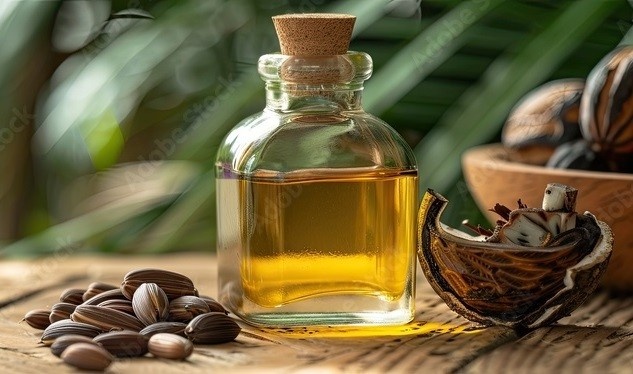
If you have been exploring natural oils lately, you might have come across Babassu oil, a rising star in the world of skincare, haircare, and wellness. While coconut oil, jojoba oil, and argan oil often dominate the spotlight, Babassu oil is slowly earning its place due to its soothing texture, impressive nutrient profile, and gentle nature. Whether you are curious about what makes Babassu oil special, how to use it, or whether it fits your lifestyle and skin type, this guide breaks everything down in a simple way.
What is Babassu Oil?
Babassu oil is a lightweight, non-greasy natural oil extracted from the nuts of the Attalea speciosa palm tree, commonly known as the Babassu palm. This tree grows abundantly in the Amazon region of Brazil.
At room temperature, Babassu oil usually stays solid, similar to coconut oil. However, the moment it touches your skin, it melts instantly, giving a smooth, silky feel without leaving an oily residue. This quick-absorption texture is one of the biggest reasons people are switching to Babassu oil for skincare and haircare routines.
It contains healthy fats, antioxidants, and anti-inflammatory nutrients that make it useful for moisturizing dry skin, soothing irritation, strengthening hair, and even cooking in some cultures.
Nutrition Facts of Babassu Oil (Per 1 Tablespoon – Approximate)
| Nutrient | Amount |
|---|---|
| Calories | 120 kcal |
| Total Fat | 14 g |
| Saturated Fat | 11 g |
| Lauric Acid | 45–50 percent |
| Myristic Acid | 15–20 percent |
| Oleic Acid | 10–12 percent |
| Palmitic Acid | 7–9 percent |
| Stearic Acid | 3–5 percent |
| Vitamin E | Trace amounts |
| Antioxidants | Moderate |
Babassu oil is mostly made of medium-chain fatty acids, similar to coconut oil, but is lighter, more breathable, and better suited for sensitive or acne-prone skin.
20 Proven Benefits of Babassu Oil
Below are the science-backed and traditional benefits of Babassu oil:
1. Deeply Moisturizes Skin Without Feeling Greasy:
Babassu oil quickly melts into the skin and hydrates deeply while leaving zero heaviness. This makes it ideal for people who dislike the sticky feel of oils but still want intense moisture.
2. Helps Soothe Inflammation:
Due to its anti-inflammatory fatty acids, oil calms irritated and inflamed skin. People with eczema, dermatitis, or sensitive skin often find relief using it regularly.
3. Suitable for Acne-Prone Skin:
Unlike coconut oil, which can clog pores on oily skin, oil is lighter and more breathable. It may help reduce redness and irritation without worsening acne.
4. Strengthens Hair Strands:
Its fatty acids penetrate the hair shaft, strengthening weak strands and reducing breakage. It can be used as a pre-shampoo treatment or leave-in conditioner.
5. Helps Reduce Dandruff:
Babassu oil’s antimicrobial and moisturizing properties help soothe flaky, itchy scalp conditions, reducing dandruff naturally.
6. Reduces Fine Lines and Wrinkles:
The antioxidants in oil help fight free radicals, which contribute to aging. Regular use can minimize fine lines and improve overall skin texture.
7. Softens Rough Body Areas:
Areas like elbows, knees, and heels respond beautifully to Babassu oil’s deep nourishment. It smoothens rough patches and restores skin softness.
8. Works as a Natural Makeup Remover:
Because it melts easily and binds to makeup, oil makes a gentle yet effective makeup remover without stripping the skin.
9. Helps Improve Skin Barrier:
Its fatty acids support the skin’s natural protective layer, making it stronger against pollution, sun exposure, and irritants.
10. Excellent for Baby Skin:
Babassu oil is gentle, mild, and soothing, making it suitable for baby massages, diaper rashes, and dry patches.
11. Supports Wound Healing:
Its antimicrobial and anti-inflammatory properties may help minor cuts, scrapes, or burns heal faster.
12. Lightens Scars and Blemishes:
With regular use, oil may help fade mild scars, marks, and uneven pigmentation due to improved moisture retention and skin repair.
13. Helps Reduce Stretch Marks:
By boosting skin elasticity and hydration, Babassu oil can help reduce the appearance of stretch marks over time.
14. Protects Hair from Heat Damage:
Applied before heat styling, oil forms a protective layer around hair strands, reducing dryness and split ends.
15. Hydrates Lips and Prevents Cracking:
Its smooth, buttery texture makes it a great natural lip balm for dry, cracked lips.
16. Acts as a Natural Deodorant Ingredient:
Babassu oil has antibacterial qualities and is often used in natural deodorants to reduce odor-causing bacteria.
17. Helps Comfort Sunburn:
Because it cools on contact, Babassu oil can soothe hot, sunburned skin and support healing.
18. Supports Nail and Cuticle Health:
Massaging it into nails strengthens them, prevents peeling, and hydrates dry cuticles.
19. Useful in Cooking in Some Cultures:
In Brazil, Babassu oil is used for frying and sautéing due to its stability at high heat. It has a mild, pleasant taste.
20. Great for DIY Products:
You can use oil to make soaps, lotions, hair creams, balms, candles, and more. It adds a luxurious feel to homemade beauty products.
10 Side Effects of Babassu Oil
While Babassu oil is generally safe, it may not suit everyone. Here are potential side effects to keep in mind.
1. May Cause Allergic Reactions:
People allergic to tree nuts may react to Babassu oil, although these cases are rare. A patch test is recommended.
2. Can Trigger Breakouts in Very Oily Skin:
Although lighter than coconut oil, Babassu oil might still cause breakouts in extremely oily or acne-prone skin types.
3. May Cause Scalp Build-Up:
If used excessively on the scalp, it may cause buildup leading to itching or heaviness.
4. Excessive Use May Clog Pores:
Overuse can clog pores on the face, especially in people with combination or oily skin.
5. Not Suitable for People with Certain Nut Allergies:
Since Babassu comes from a nut, individuals with nut sensitivities should consult a doctor before using it.
6. May Cause Skin Irritation in Sensitive Individuals:
Very sensitive skin may react with redness or itching. Dilution is advised.
7. Consuming Too Much Can Cause Digestive Upset:
In large amounts, its high saturated fat content may cause stomach discomfort.
8. May Increase Calorie Intake:
Like all oils, Babassu oil is calorie-dense. Overconsumption may lead to weight gain.
9. Not Advisable for People with Fat Metabolism Disorders:
People with certain digestive or liver disorders may have difficulty processing saturated fats.
10. May Affect Cholesterol Levels:
If consumed in excess, its saturated fats may raise LDL cholesterol in some individuals.
How to Use Babassu Oil?
Here are practical ways to use Babassu oil daily:
For Skin
- As a moisturizer after cleansing
- As a makeup remover
- As a body butter for dry areas
- In DIY scrubs and masks
For Hair
- Pre-shampoo mask to strengthen hair
- Mixed with conditioner for smoothness
- As a scalp treatment for dryness
- As a heat protectant before blow-drying
For Cooking
- Use sparingly for frying or sautéing
- Add to smoothies or warm dishes
Other Uses of Babassu Oil
- Lip balms
- Lotions
- Natural deodorants
- Candle making
- Soap making
- Beard oils
- Shaving creams
- Oil pulling
Babassu oil’s mild fragrance and rich texture make it an excellent base for many homemade or commercial beauty products.
Tips for Consuming Babassu Oil
- Start small: begin with half to one teaspoon per day.
- Use only food-grade Babassu oil.
- Avoid heated consumption if you have high cholesterol.
- Pair with vegetables or whole foods.
- Do not overuse; moderation is key.
How to Take Babassu Oil?
You can take Babassu oil:
- Orally by adding a teaspoon to warm foods
- In smoothies
- As a cooking oil (in very small quantities)
- As a supplement, if available in capsule form
Always start slow to see how your body reacts.
How to Make Babassu Oil at Home?
Making pure Babassu oil at home can be time-consuming but possible if you have access to Babassu nuts.
Steps:
- Crack the Babassu nuts to remove the kernels.
- Dry the kernels under sunlight.
- Grind the dried kernels into a coarse paste.
- Heat the paste gently to release the oil.
- Strain the mixture through a cloth to separate the oil.
- Allow it to cool and solidify.
This homemade method retains natural nutrients but requires access to fresh Babassu nuts and time.
How Much Babassu Oil Can You Use Per Day?
- Topical use: Safe daily in small amounts.
- Oral consumption: Most experts recommend up to 1 tablespoon per day maximum, due to its saturated fat content.
Babassu Oil Dosage
- For skin and hair: use a pea-sized to teaspoon amount, depending on the area.
- For ingestion: start with ½ teaspoon, gradually increasing if needed.
Best Time to Use Babassu Oil
- Skin: Best after showering when skin is slightly damp.
- Hair: Best before shampooing or overnight as a mask.
- Consumption: Best with foods, not on an empty stomach.
Who Should Use Babassu Oil?
Babassu oil is ideal for:
- People with dry, sensitive, inflamed, or irritated skin
- Individuals who dislike heavy oils
- Those with damaged or frizzy hair
- People looking for natural skincare alternatives
- Babies and children (in moderation)
- Anyone with dandruff or dry scalp
- People who want a natural makeup remover
Who Should Not Use Babassu Oil?
Avoid or consult a doctor if:
- You have nut allergies
- You have extremely oily skin
- You are prone to clogged pores
- You have high cholesterol (for oral use)
- You have fat metabolism disorders
- You are pregnant or breastfeeding and unsure about consumption
How to Store Babassu Oil?
- Keep in a cool, dry place
- Store in an airtight glass container
- Avoid direct heat or sunlight
- Refrigeration is optional but can prolong shelf life
Stored properly, Babassu oil lasts 1 to 2 years.
Precautions and Interactions
- Always perform a patch test before applying to skin.
- Avoid contact with eyes.
- Do not use expired Babassu oil.
- If taking medications for cholesterol or digestion, avoid oral consumption without medical advice.
- Do not overheat the oil, as this can damage its nutrients.
- Stop use if irritation occurs.
Final Thoughts
Babassu oil might just be the gentle, versatile natural oil your routine has been missing. Its lightweight texture, deep nourishment, and wide range of benefits make it an excellent choice for skin, hair, and even limited culinary use. Like all natural products, the key is balance, moderation, and awareness of how your body responds. If you want a nourishing oil that hydrates without heaviness, supports skin health, strengthens hair, and works well even for sensitive skin types, Babassu oil is worth adding to your wellness toolkit.
FAQ’s
What is Babassu oil good for?
Oil is good for moisturizing the skin, strengthening hair, reducing inflammation, soothing irritation, supporting wound healing, and acting as a natural makeup remover. It is also used in creams, lotions, soaps, and even cooking in some regions.
Can I use Babassu oil on my face?
Yes, you can use oil on your face. It is lightweight and absorbs quickly, making it suitable for dry, sensitive, and combination skin. However, people with very oily or acne-prone skin should test it first.
Can I cook with Babassu oil?
Yes, you can cook with food-grade Babassu oil. It has a high smoke point and is used for frying and sautéing in some cultures. However, limit your intake due to its high saturated fat content.
Is Babassu oil safe for babies?
Oil is generally safe for babies when used topically. It is soothing, mild, and moisturizing. Avoid ingestion for babies unless advised by a pediatrician.
Does Babassu oil clog pores?
Oil is considered non-comedogenic for most people. However, very oily or acne-prone skin may still experience clogged pores if used excessively.
How long does Babassu oil last?
When stored properly in a cool, dry place, oil can last between 1 and 2 years.
Can Babassu oil help with dandruff?
Yes, oil has antimicrobial and soothing properties that help reduce dandruff, dryness, and scalp irritation.
Should people with nut allergies avoid Babassu oil?
Since oil comes from a nut, people with nut allergies should perform a patch test or consult a doctor before using it to avoid allergic reactions.
What is Babassu oil used for?
Oil is widely used for moisturizing the skin, nourishing hair, soothing irritation, treating dandruff, and reducing dryness. It is also used as an ingredient in lotions, soaps, conditioners, lip balms, natural deodorants, and massage oils. In some regions, it is also used for cooking.
Is Babassu oil safe during pregnancy?
Oil is generally safe for topical use during pregnancy and is often used for dry skin and stretch marks. However, pregnant women should avoid ingesting Babassu oil without medical guidance due to its high saturated fat content.
Can I use Babassu oil every day?
Yes, oil can be used daily on both skin and hair. Its non-greasy texture makes it suitable for everyday use. However, people with very oily or acne-prone skin should apply it sparingly or perform a patch test first.
Is Babassu oil safe for children?
Oil is generally safe for children when used on the skin. It is mild, soothing, and helpful for dry patches or irritation. Avoid giving it orally unless recommended by a pediatric healthcare provider.
What does Babassu oil smell like?
Oil has a very mild, clean, and slightly nutty scent. It is not overpowering, making it a good option for people who prefer fragrance-free or lightly scented skincare products.
What does Babassu oil taste like?
Oil has a neutral to mild nutty taste. It is not strong or overly aromatic, which is why it can be used in cooking in some cultures. However, it should always be consumed in moderation.
Does Babassu oil grow hair?
Oil does not directly grow new hair, but it strengthens existing hair, reduces breakage, moisturizes the scalp, and minimizes damage. Healthier hair is less likely to fall out and more likely to grow longer over time.
Is Babassu oil better than coconut oil?
Babassu oil is lighter, absorbs faster, and feels less greasy than coconut oil. It is often preferred by people with sensitive or acne-prone skin because it is less likely to clog pores. Coconut oil, however, may be richer for very dry or coarse hair. The better choice depends on your skin and hair needs.
What is another name for Babassu oil?
Babassu oil is sometimes called Cusi oil or Orbignya oil, based on its botanical origin. It may also be labeled as Attalea speciosa seed oil in cosmetic ingredient lists.
Also Read: