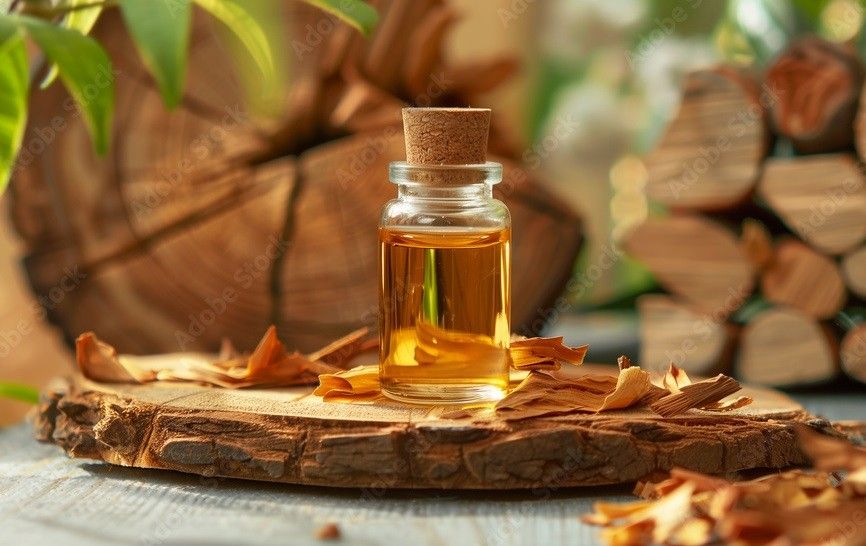
Sandalwood oil has been treasured for centuries for its calming fragrance, healing properties, and spiritual significance. Whether it’s used in perfumes, skincare, aromatherapy, or traditional medicine, this aromatic oil has a reputation that spans cultures and time. Today, sandalwood oil continues to shine as one of the most sought-after essential oils, not just for its scent but also for its therapeutic potential.
In this guide, we dive deep into everything you need to know about sandalwood oil—from what it is, its benefits, side effects, and tips for safe use to how you can even make your own oil at home.
What is Sandalwood Oil?
Sandalwood oil is a highly prized essential oil extracted from the heartwood of the sandalwood tree. The most valued variety comes from the Santalum album species, native to India. The oil has a warm, woody, earthy scent that is both soothing and grounding. It has been used for thousands of years in Ayurvedic medicine, religious rituals, skincare, and aromatherapy.
Traditionally, sandalwood oil was used to calm the mind, purify the skin, reduce inflammation, and support spiritual practices. Today, it continues to play a major role in cosmetic formulations, natural perfumery, meditation routines, and therapeutic applications. Authentic sandalwood oil is expensive due to the slow growth of the tree and the fact that only mature trees produce high-quality oil. However, the benefits make it a valuable addition to wellness routines.
Components of Sandalwood Oil
Sandalwood oil does contain several bioactive compounds responsible for its effects.
| Nutrient / Compound | Approximate Composition | Role / Benefit |
|---|---|---|
| Alpha-Santalol | 50–55% | Anti-inflammatory, antimicrobial, calming effects |
| Beta-Santalol | 20–25% | Mood-enhancing, antiseptic |
| Santalenes | 5–10% | Aroma compounds |
| Terpenoids | Trace amounts | Antioxidant activity |
| Phenolic compounds | Small quantities | Skin protection |
| Calories | Negligible (not food-grade) | Not intended for nutritional intake |
20 Proven Benefits of Sandalwood Oil
Sandalwood oil offers a surprisingly wide range of healing properties. Below are twenty science-backed benefits:
1. Reduces Stress and Anxiety
The aroma of sandalwood oil has a calming effect on the nervous system. When inhaled or diffused, it promotes relaxation, reduces stress hormone levels, and supports emotional balance.
2. Enhances Sleep Quality
Its soothing fragrance helps quiet the mind, making it easier to fall asleep naturally. People struggling with insomnia often find that sandalwood oil creates a peaceful environment for rest.
3. Improves Skin Texture
Oil helps soothe irritated skin, soften rough patches, and improve overall skin texture. It’s often used in creams and face packs for glowing, smooth skin.
4. Reduces Acne and Pimples
Due to its antibacterial and anti-inflammatory properties, sandalwood oil helps reduce acne-causing bacteria and calm inflamed breakouts.
5. Helps Fade Scars and Dark Spots
Sandalwood oil may help lighten pigmentation and support skin healing, making scars and dark spots less noticeable over time.
6. Anti-Aging Properties
Its antioxidant content helps reduce fine lines, wrinkles, and skin damage caused by free radicals, giving skin a youthful appearance.
7. Supports Wound Healing
Oil has antiseptic properties that help accelerate the healing of minor cuts, scrapes, and burns while reducing infection risk.
8. Reduces Inflammation
The alpha-santalol in sandalwood oil is known for its strong anti-inflammatory effects, which can soothe irritated or inflamed skin and muscles.
9. Natural Antiseptic
It helps prevent bacterial, viral, and fungal infections, making it useful in skincare and minor wound care.
10. Boosts Mental Clarity
The scent of sandalwood helps increase focus, alertness, and concentration. It’s often used during meditation or study sessions.
11. Balances Oily Skin
Sandalwood oil helps regulate sebum production, making it beneficial for people with oily or combination skin.
12. Relieves Itching and Rashes
Its cooling effect soothes itchy skin caused by heat, allergies, or dryness.
13. Improves Complexion
Regular use can brighten the skin and give it a naturally radiant tone.
14. Helps Treat Eczema and Psoriasis
Its calming, anti-inflammatory nature helps reduce redness, irritation, and scaling.
15. Natural Deodorant
Sandalwood oil has a pleasant fragrance and antibacterial properties, which help prevent body odor naturally.
16. Supports Digestive Health (When Used Correctly)
In traditional medicine, very diluted oil was sometimes used to soothe digestive issues. However, modern guidelines advise extreme caution with ingestion.
17. Boosts Immunity
Its antimicrobial compounds may help support the body’s defense system when used aromatically or topically.
18. Helps With Coughs and Respiratory Issues
When inhaled with steam, sandalwood oil may help soothe sore throats, chest tightness, and mild respiratory discomfort.
19. Acts as a Natural Aphrodisiac
Sandalwood has been used for centuries in traditional cultures to enhance intimacy and support emotional connection.
20. Enhances Meditation and Spiritual Practices
Its grounding fragrance helps improve focus, calmness, and spiritual awareness.
10 Side Effects of Sandalwood Oil
Although sandalwood oil is generally considered safe, especially when used topically, some people may experience adverse reactions.
1. Skin Irritation
Undiluted sandalwood oil can cause redness, dryness, or irritation. Always dilute with a carrier oil.
2. Allergic Reactions
Some individuals may experience itching, rash, or swelling. A patch test is important.
3. Headaches
Excessive inhalation of strong essential oils can cause headaches or dizziness in sensitive individuals.
4. Nausea
Using too much sandalwood oil, especially in enclosed spaces, may cause nausea.
5. Photosensitivity
For a small number of people, it may increase sensitivity to sunlight, although this is rare.
6. Hormonal Effects (Rare)
Excessive usage may affect hormone levels, especially in children or pregnant women.
7. Digestive Discomfort (If Consumed Improperly)
Ingesting sandalwood oil without guidance may cause vomiting, stomach cramps, or diarrhea.
8. Respiratory Irritation
Too much inhalation or steam inhalation can irritate the throat and lungs.
9. Drug Interactions
It may interact with certain medications, especially sedatives.
10. Toxicity (Extreme Overuse)
Overuse or ingestion in high doses can be toxic.
How to Use Sandalwood Oil?
Sandalwood oil can be used in multiple ways, depending on your purpose:
1. Aromatherapy
Add a few drops to a diffuser to promote relaxation or meditation.
2. Topical Application
Always dilute with carrier oils like coconut oil, almond oil, or jojoba oil. Apply for skin benefits or massage.
3. In Bathwater
Add 3–5 drops mixed with a carrier oil or bath salt for relaxation.
4. Face Masks
Mix with honey, rose water, or aloe vera for glowing skin.
5. Perfume
Use it as a natural, long-lasting fragrance on pulse points.
Other Uses of Sandalwood Oil
Oil is not limited to skincare or aromatherapy. It is used for:
- Incense sticks and cones
- Spiritual and religious rituals
- Natural room fresheners
- Ayurvedic massage oils
- Natural soaps
- Creams and serums
- Meditation blends
- Natural insect repellents
Tips for Consuming Sandalwood Oil
Most modern aromatherapists advise avoiding internal consumption unless recommended by a trained professional. If you plan to consume it:
- Only use food-grade oil.
- Keep doses extremely low.
- Never take it undiluted.
- Mix with honey, ghee, or warm water.
- Avoid long-term internal use.
How to Take Sandalwood Oil?
If prescribed by an expert:
- Mix 1 drop of sandalwood oil in 1 teaspoon of honey or ghee.
- Consume only once per day.
- Never exceed recommended doses.
How to Make Sandalwood Oil at Home?
Making pure sandalwood oil at home takes patience but is possible.
Ingredients:
- Sandalwood powder or chips
- Carrier oil (such as jojoba or almond oil)
Steps:
- Grind sandalwood chips into fine powder.
- Mix the powder with warm carrier oil.
- Store the mixture in a glass jar.
- Keep it in a warm place for 2–3 weeks.
- Shake the jar every day.
- Strain the oil using a clean cloth.
This won’t produce pure essential oil, but an infused oil that still carries many benefits.
How Much Sandalwood Oil Can You Use Per Day?
For topical or aromatherapy use, most guidelines recommend:
- 2–4 drops per day for skin application (diluted)
- 3–5 drops in a diffuser
For internal use (only if advised):
- 1 drop per day, diluted
Sandalwood Oil Dosage
Here are general dosage guidelines:
| Purpose | Recommended Dose |
|---|---|
| Aromatherapy | 3–5 drops in diffuser |
| Massage | 2–3 drops mixed in 1 tablespoon carrier oil |
| Skincare | 1–2 drops in creams/lotions |
| Bath | 3–5 drops with carrier oil |
| Internal (expert-guided only) | 1 drop diluted |
Best Time to Use Sandalwood Oil
- For relaxation: evening or before bed
- For meditation: early morning
- For skincare: night skincare routine
- For stress relief: during work breaks
- For massage: any time of the day
Who Should Use Sandalwood Oil?
Oil is great for:
- People with dry, oily, or sensitive skin
- Individuals with high stress
- Those struggling with insomnia
- People who meditate
- Individuals with acne-prone skin
- Those who prefer natural fragrances
Who Should Not Use Sandalwood Oil?
Avoid or use with caution if you are:
- Pregnant or breastfeeding
- A child under 10 years
- Someone with severe allergies
- Individuals with asthma
- Someone taking sedative medications
- People with sensitive skin (unless patch-tested)
How to Store Sandalwood Oil?
To maintain its quality:
- Store in a dark glass bottle
- Keep in a cool, dry place
- Avoid direct sunlight
- Tightly seal after every use
- Keep away from children and pets
Precautions and Interactions
- Always dilute before applying to skin.
- Do not ingest without expert advice.
- Avoid using near the eyes or mouth.
- Perform a patch test before use.
- If you experience irritation, stop immediately.
- It may interact with sedatives or sleep medications.
- Consult a doctor before use if you have chronic illnesses.
FAQ’s
What is sandalwood oil good for?
Oil is known for its calming, anti-inflammatory, antiseptic, and skin-soothing properties. It helps reduce stress, improves sleep, supports clear skin, enhances meditation, and promotes emotional balance. It is also used in natural perfumery and traditional wellness practices.
Can I use sandalwood oil on my face every day?
Yes, you can use oil on your face daily, but only in diluted form. Mix 1–2 drops with a carrier oil or your moisturizer. Using undiluted sandalwood oil may cause irritation.
Is sandalwood oil safe for children?
Oil should not be used on children under 10 years old unless approved by a doctor. Their skin is more sensitive, and essential oils may be too strong for them.
Can pregnant women use sandalwood oil?
Pregnant or breastfeeding women should avoid using oil unless cleared by a medical professional. Essential oils can sometimes affect hormonal balance.
How does sandalwood oil smell?
Oil has a warm, woody, creamy, earthy scent. It is soothing, calming, and commonly used in perfumes and meditation blends because of its long-lasting aroma.
Can sandalwood oil lighten skin?
Yes, oil may help lighten dark spots, pigmentation, and uneven skin tone when used consistently in diluted form. It supports skin regeneration and improves complexion.
Can sandalwood oil help with acne?
Yes, oil has antibacterial and anti-inflammatory properties that help reduce acne, calm redness, and prevent breakouts. Always dilute before applying.
Is sandalwood oil edible?
Oil is not meant for regular consumption. Only food-grade sandalwood oil prescribed by a qualified professional should be taken internally, and in very low quantities.
Does sandalwood oil expire?
Yes, oil can expire. When stored properly in a dark, cool place, it can last 3–5 years. If the scent changes or it becomes cloudy, it’s time to replace it.
What is sandalwood oil used for?
Oil is used for skincare, aromatherapy, relaxation, and meditation. It helps soothe skin, reduce acne, fade marks, and create a calming atmosphere.
Can I use sandalwood oil every day?
Yes, you can use it daily if it’s diluted. It’s gentle, but avoid applying it directly to the skin without a carrier oil.
Does sandalwood oil remove dark spots?
It may help lighten dark spots with regular use by reducing pigmentation and supporting skin healing.
Can sandalwood oil grow hair?
It may improve scalp health and strengthen roots, which can support better hair growth, but it’s not a quick hair-growth solution.
Also Read: