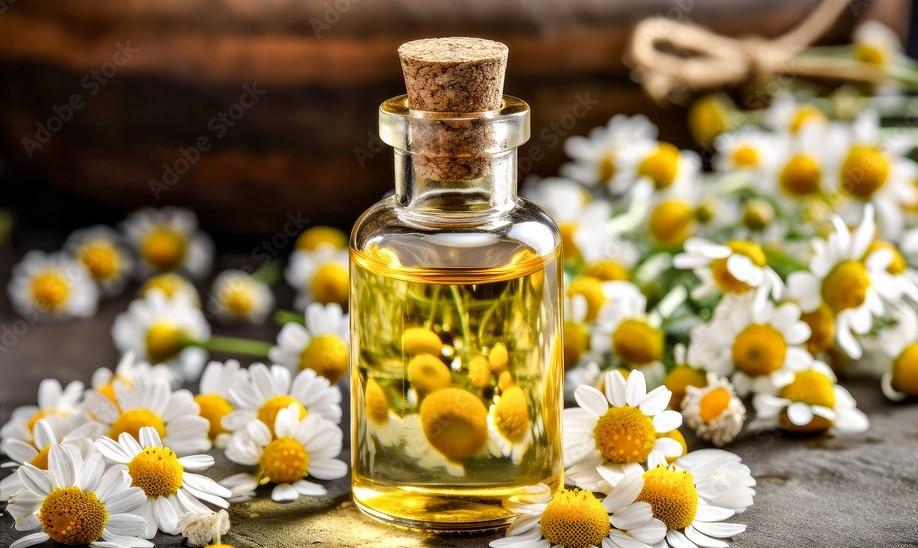
If you’ve ever sipped a cup of warm chamomile tea to relax after a long day, you already know how magical this little flower can be. But chamomile’s benefits go far beyond your teacup. In fact, chamomile oil has become a popular natural remedy for stress relief, skin health, better sleep, digestion, and even pain management. This guide breaks down everything you need to know about chamomile oil. Whether you’re considering adding it to your wellness routine or just curious about its benefits, you’ll find everything here.
What is Chamomile Oil?
Chamomile oil is an essential oil extracted from chamomile flowers. There are two major types of chamomile commonly used for making oil:
- German Chamomile (Matricaria chamomilla)
- Roman Chamomile (Chamaemelum nobile)
Both varieties offer calming and anti-inflammatory properties, but German chamomile is richer in chamazulene, the compound responsible for its strong blue color and antioxidant benefits.
Chamomile oil is usually extracted through steam distillation of dried chamomile flowers. It can be used in aromatherapy, skincare, massage oils, hair treatments, and natural medicine.
Components of Chamomile Oil
| Component | Approximate Content | Function |
|---|---|---|
| Chamazulene | 1–15 percent | Anti-inflammatory, antioxidant |
| Bisabolol | 40–50 percent | Skin-soothing, antimicrobial |
| Farnasene | Trace amounts | Anti-inflammatory |
| Flavonoids | Moderate | Antioxidant protection |
| Terpenoids | Moderate | Relaxation, pain relief |
| Esters | Trace to moderate | Calming effects |
| Coumarins | Trace | Supports relaxation |
| Quercetin | Trace | Antimicrobial, antioxidant |
| Vitamin E | Very small | Skin nourishment |
| Omega-like compounds | Trace | Hydration support |
20 Proven Benefits of Chamomile Oil
1. Reduces Stress and Anxiety:
One of the most popular uses of chamomile oil is relaxation. Its aroma triggers the brain to release feel-good hormones that help reduce nervousness and emotional tension.
2. Promotes Deep and Restful Sleep:
Oil activates the brain receptors that are responsible for sleep. Using it before bedtime can help you fall asleep faster and improve sleep quality.
3. Soothes Skin Irritation:
From rashes to redness and dry skin, chamomile oil has strong anti-inflammatory properties that calm irritated skin instantly.
4. Helps Manage Eczema and Dermatitis:
Chamomile oil’s bisabolol content helps reduce itching and inflammation, making it useful for eczema-prone skin.
5. Reduces Acne and Breakouts:
Its antibacterial properties help fight acne-causing bacteria while reducing redness and swelling around pimples.
6. Relieves Digestive Discomfort:
Chamomile oil has been traditionally used to ease indigestion, gas, bloating, and stomach cramps.
7. Helps Reduce Menstrual Pain:
Oil can relax uterine muscles and reduce inflammation, easing menstrual cramps naturally.
8. Supports Wound Healing:
Its antimicrobial nature can prevent infection and speed up the healing of small cuts, scrapes, and burns.
9. Good for Joint and Muscle Pain:
Chamomile oil reduces inflammation and relaxes tense muscles, making it a great massage oil after workouts or long days.
10. Improves Hair Health:
When diluted and applied to the scalp, chamomile oil improves circulation and can reduce dandruff and dryness.
11. Lightens Hair Naturally:
Roman chamomile is known to gently lighten hair when used regularly, especially in sunlight.
12. Reduces Headaches:
Inhaling chamomile oil or applying diluted oil to the temples can ease tension headaches.
13. Boosts Immunity:
The antioxidants in oil help your body fight infections and strengthen the immune system.
14. Helps Reduce Allergic Reactions:
Chamomile oil helps calm allergic symptoms like skin rashes or irritation caused by pollen or dust.
15. Helps Reduce Inflammation in the Body:
Chamazulene helps fight inflammation, making it beneficial for people with arthritis or chronic pain.
16. Supports Emotional Stability:
Its soothing aroma helps calm irritability, anger, and restlessness.
17. Useful for Babies and Kids:
When used properly and extremely diluted, chamomile oil can soothe colic, irritability, rashes, or difficulty sleeping.
18. Fights Fungal Infections:
Chamomile has antifungal effects that may help with athlete’s foot or fungal nail issues.
19. Freshens the Air Naturally:
Adding oil to a diffuser freshens your room with a calming natural scent.
20. Enhances Skin Glow:
Regular diluted use helps brighten the complexion by reducing inflammation and oxidative stress.
10 Side Effects of Chamomile Oil
Chamomile oil is generally safe, but like any natural remedy, it may not suit everyone.
1. Allergic Reactions:
People allergic to plants like ragweed, marigold, or daisies may react to chamomile oil.
2. Skin Irritation:
Using undiluted oil may cause burning or redness, especially on sensitive skin.
3. Eye Irritation:
Never apply chamomile oil near the eyes, as it may cause stinging or tearing.
4. Nausea:
Overuse or improper inhalation may lead to mild nausea in some people.
5. Drowsiness:
Because chamomile promotes sleep, using too much may cause unusual tiredness.
6. Headaches:
For some people, strong scents can trigger headaches instead of relieving them.
7. Drug Interactions:
Chamomile oil may interact with blood thinners, sedatives, and anti-anxiety medications.
8. Hormonal Effects:
Oil may have mild estrogen-like activity, so it may not be suitable for certain hormone-sensitive conditions.
9. Risk During Pregnancy:
High doses may not be safe for pregnant women because chamomile can stimulate uterine contractions.
10. Reduced Iron Absorption:
In rare cases, chamomile compounds may interfere with iron absorption when consumed excessively.
How to Use Chamomile Oil?
You can use chamomile oil in several different ways depending on your needs.
1. Aromatherapy
Add 3–4 drops to a diffuser to reduce stress and improve sleep.
2. Skin Application
Always dilute it with a carrier oil like coconut, almond, or jojoba oil.
Ratio:
1 drop chamomile oil + 2 teaspoons carrier oil.
3. Massage Oil
Mix chamomile oil with warm olive or almond oil to relax muscles and reduce joint pain.
4. Bath Soak
Add 5 drops to warm bathwater for full-body relaxation.
5. Hair Treatment
Mix 2–3 drops with your regular hair oil to reduce scalp irritation and dryness.
Other Uses of Chamomile Oil
Oil can be used for:
- Natural perfume
- Air purifier
- Baby care (diluted)
- Aromatic candles
- Anti-inflammatory balms
- Lip care
- Massage blends
- DIY moisturizers
- Compresses for pain relief
- Natural insect repellent
Tips for Consuming Chamomile Oil
Oil is rarely consumed directly. However, if you choose food-grade chamomile oil:
- Always dilute it with water or honey
- Start with the smallest dose
- Avoid consuming if pregnant or on medication
- Ensure the oil is labeled “food-grade”
- Stop use if you feel discomfort
How to Take Chamomile Oil?
For internal use (only food-grade oils):
- Add 1 drop to warm water or tea
- Mix 1 drop with a spoonful of honey
- Add to herbal blends or chamomile-infused oils
Always consult a professional before consuming chamomile oil.
How to Make Chamomile Oil at Home?
Homemade chamomile oil is usually an infused oil, not an essential oil.
Ingredients:
- 1 cup dried chamomile flowers
- 1 cup carrier oil (olive, coconut, jojoba)
Method:
- Add dried chamomile to a clean glass jar.
- Pour the carrier oil over it until flowers are fully covered.
- Close the jar tightly.
- Keep it in a warm, sunny spot for 1–2 weeks.
- Shake the jar every day.
- Strain the oil using a cheesecloth.
- Store in a dark glass bottle.
This oil is excellent for skin, hair, massages, and relaxation.
How Much Chamomile Oil Can You Use Per Day?
For external use: 5–10 drops diluted is safe for most people.
For internal use (only food-grade): 1 drop per day is sufficient.
Using more may increase the risk of irritation or side effects.
Chamomile Oil Dosage
| Purpose | Suggested Dosage |
|---|---|
| Aromatherapy | 3–4 drops in diffuser |
| Skin care | 1 drop diluted in 2 tsp carrier oil |
| Massage | 3–5 drops in 2 tbsp carrier oil |
| Hair care | 2–3 drops with hair oil |
| Internal (food-grade only) | 1 drop daily with water/honey |
Best Time to Use Chamomile Oil
- For sleep: Before bedtime
- For stress: Anytime during the day
- For skin: After shower or before bed
- For digestion: After meals (only food-grade oil)
- For hair: Before washing hair
Who Should Use Chamomile Oil?
Oil may be beneficial for:
- People with anxiety or stress
- Those with insomnia
- Individuals with sensitive or irritated skin
- People with digestive discomfort
- Those experiencing muscle tension
- Anyone seeking natural relaxation
Who Should Not Use Chamomile Oil?
Avoid oil if:
- You are pregnant (high doses are unsafe)
- You have ragweed or daisy allergies
- You are on blood thinners
- You have hormone-sensitive conditions
- You have very sensitive skin
- You are planning surgery (may increase bleeding risk)
How to Store Chamomile Oil?
Proper storage ensures your oil stays fresh and effective.
- Store in a dark glass bottle
- Keep away from direct sunlight
- Keep the cap tightly closed
- Store in a cool, dry place
- Keep away from children
Oil usually stays good for 3–5 years.
Precautions and Interactions
- Always dilute before skin use
- Do a patch test to check for allergies
- Do not consume unless labeled food-grade
- Avoid mixing with sedatives or sleep medications
- Stop use if you notice irritation
- Consult a healthcare provider if you are pregnant, nursing, or on medication
FAQ’s
Is chamomile oil safe for the skin?
Yes, oil is safe for the skin when properly diluted with a carrier oil. It helps soothe irritation, redness, and dryness. Avoid using it undiluted.
Can I use chamomile oil every day?
Yes, oil can be used daily in small, diluted amounts for skincare, hair care, and aromatherapy. Overuse may cause irritation in sensitive individuals.
Does chamomile oil help with sleep?
Oil is widely used as a natural sleep aid. Its aroma calms the nervous system and promotes deeper, more restful sleep when used before bedtime.
What does chamomile oil smell like?
Oil has a warm, sweet, herbaceous, and slightly fruity scent. Roman chamomile smells more apple-like, while German chamomile has a deeper, earthy aroma.
Can chamomile oil reduce anxiety?
Yes, its calming compounds help lower stress and anxiety levels when inhaled or used in aromatherapy.
Can pregnant women use chamomile oil?
Pregnant women should avoid using oil, especially in high doses, because it may stimulate uterine contractions and cause hormonal effects.
Can children use chamomile oil?
Yes, but only in very small, heavily diluted amounts. It is commonly used for baby rashes, colic, and sleep, but always consult a pediatrician first.
Is chamomile oil good for acne-prone skin?
Oil can help reduce acne by lowering inflammation and fighting bacteria. Always dilute before applying to the skin.
Can I ingest chamomile essential oil?
Only food-grade oil should be ingested, and even then, only 1 drop per day diluted in water or honey. Regular essential oils are not safe to consume.
How long does chamomile oil last?
When stored properly in a cool, dark place, oil can last for 3–5 years without losing its effectiveness.
What is chamomile oil good for?
Oil is good for calming the mind, reducing stress, improving sleep, soothing irritated skin, easing muscle tension, and supporting digestion. It also helps reduce inflammation, promotes wound healing, and can be used in aromatherapy for relaxation. Many people use it as a natural remedy for anxiety, insomnia, eczema, acne, and headaches.
What does chamomile oil taste like?
Oil has a mild, herbal, slightly sweet, and floral taste with a hint of apple-like flavor. However, essential chamomile oil is not meant to be consumed unless it is specifically labeled as food-grade. Its taste is stronger and more concentrated than chamomile tea.
What is chamomile oil used for?
Oil is used for aromatherapy, skincare, hair care, massage blends, stress relief, and sleep support. It is commonly applied to calm inflammation, reduce acne, soothe eczema, relieve menstrual pain, and ease muscle aches. In diffusers, it helps create a peaceful atmosphere and improves emotional well-being.
Does chamomile oil lighten skin?
Oil does not bleach or dramatically lighten the skin, but it can brighten the complexion by reducing inflammation, redness, and dark spots. Its antioxidants promote a more even skin tone, giving the skin a natural glow. It improves skin clarity but does not lighten skin tones permanently.
Also Read: