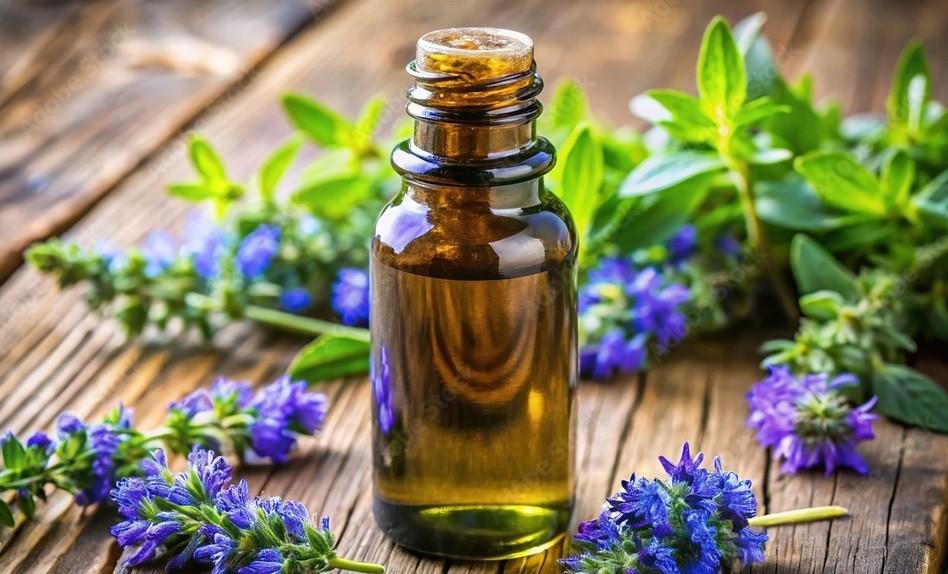
Hyssop oil may not be as famous as lavender or tea tree oil, but it has quietly held a respected place in traditional medicine for centuries. From ancient herbal healers to modern aromatherapy enthusiasts, hyssop oil has been valued for its powerful aroma, cleansing properties, and potential health benefits. However, it is also one of those essential oils that demands respect and careful use.
In this guide, we’ll walk through everything you need to know about hyssop oil—what it is, how it works, its science-backed health benefits, side effects, safe dosage, and who should or should not use it.
What Is Hyssop Oil?
Hyssop oil is an essential oil extracted from the leaves and flowering tops of the Hyssopus officinalis plant, a small, aromatic herb belonging to the mint family. Native to Southern Europe, the Middle East, and parts of Asia, hyssop has been used for centuries in herbal medicine, religious rituals, and culinary traditions.
The oil is typically extracted through steam distillation, resulting in a strong, slightly sweet, herbaceous aroma with camphor-like notes. Historically, hyssop was used for purification, respiratory support, digestion, and wound care. Even today, it is mainly valued for its therapeutic and aromatic properties rather than internal consumption.
Components of Hyssop Oil
| Component | Approximate Presence |
|---|---|
| Pinocamphone | High |
| Isopinocamphone | Moderate |
| Beta-pinene | Moderate |
| Myrcene | Low |
| Limonene | Trace |
| Sabinene | Trace |
| Volatile compounds | High |
| Calories | Not applicable |
| Vitamins | Not significant |
| Minerals | Not significant |
Note: Hyssop oil is highly concentrated and should never be treated like a nutritional oil.
20 Proven Benefits of Hyssop Oil
1. Supports Respiratory Health
Hyssop oil has long been used to help clear mucus and ease breathing. When diluted and inhaled, it may help with congestion, coughs, and sinus discomfort.
2. Acts as a Natural Expectorant
Its warming nature helps loosen phlegm, making it easier to expel mucus from the lungs during colds or seasonal allergies.
3. Helps Relieve Muscle Pain
When used in massage oil blends, hyssop oil may help soothe tired, stiff muscles by improving circulation.
4. Supports Digestive Comfort
Traditionally, hyssop was used to ease bloating, gas, and mild stomach cramps when used externally or aromatically.
5. Antimicrobial Properties
Hyssop oil contains compounds that may help fight certain bacteria and fungi when used topically in diluted form.
6. Promotes Emotional Balance
Its grounding aroma may help reduce nervous tension, emotional fatigue, and restlessness when used in aromatherapy.
7. May Support Immune Function
By supporting respiratory health and cleansing properties, oil may indirectly support immune defenses.
8. Helps with Cold and Flu Symptoms
Inhalation blends using hyssop oil may help ease chills, body aches, and chest congestion.
9. Supports Wound Cleansing
Traditionally used for cleaning minor cuts and scrapes when properly diluted.
10. May Help Reduce Menstrual Discomfort
Some herbal traditions suggest this oil supports menstrual flow and relieves cramps, but caution is essential.
11. Stimulates Circulation
Its warming nature may help improve blood flow when used in massage blends.
12. May Help Ease Joint Stiffness
Regular diluted massage may help with stiffness related to aging or overuse.
13. Supports Focus and Mental Clarity
The strong herbal aroma can feel invigorating and mentally stimulating.
14. Helps Reduce Stress-Related Fatigue
Aromatherapy use may help refresh the senses during emotional burnout.
15. May Support Skin Health
When used carefully, it may help with oily skin or clogged pores.
16. Acts as a Natural Deodorizer
Its intense scent helps neutralize unpleasant odors in natural cleaning blends.
17. Supports Oral Hygiene (External Use Only)
Used in very diluted form for mouth rinse blends under expert guidance.
18. Helps with Seasonal Discomfort
Inhaling hyssop oil may offer comfort during seasonal changes.
19. Traditional Use in Purification Rituals
Historically used for cleansing spaces and rituals due to its strong aroma.
20. Supports Overall Vitality
When used responsibly, oil can be a supportive part of a holistic wellness routine.
10 Side Effects of Hyssop Oil
1. Neurotoxicity Risk
Hyssop oil contains pinocamphone, which can overstimulate the nervous system.
2. May Trigger Seizures
Not safe for individuals with epilepsy or seizure disorders.
3. Skin Irritation
Can cause redness or burning if not properly diluted.
4. Not Safe During Pregnancy
May stimulate uterine contractions.
5. Unsafe for Breastfeeding Mothers
May affect infants through breast milk.
6. Internal Use Risks
Oral consumption can be toxic without professional supervision.
7. Headaches or Dizziness
Over-inhalation may cause discomfort.
8. High Blood Pressure Concerns
May stimulate circulation excessively in some individuals.
9. Allergic Reactions
Patch testing is essential before topical use.
10. Drug Interactions
May interact with anticonvulsants and nervous system medications.
How to Use Hyssop Oil?
Oil should be used externally or aromatically only, unless guided by a trained healthcare professional.
Common methods include:
- Aromatherapy diffusers
- Steam inhalation
- Diluted massage oils
- Compresses
- Natural cleaning blends
Other Uses of Hyssop Oil
- Natural air fresheners
- Herbal meditation practices
- Traditional spiritual cleansing
- Massage therapy blends
- DIY surface cleaners
Tips for Consuming Hyssop Oil
Oil is not recommended for regular internal consumption. If prescribed by a qualified herbalist:
- Use extremely low doses
- Never self-medicate
- Avoid prolonged use
How to Take Hyssop Oil?
- Aromatically: 2–3 drops in a diffuser
- Topically: Dilute 1 drop in 10 ml carrier oil
- Steam inhalation: 1 drop in hot water
How to Make Hyssop Oil at Home?
You can make infused oil, not essential oil.
Steps:
- Dry fresh hyssop leaves completely
- Place them in a clean glass jar
- Cover with olive or jojoba oil
- Seal and store in a warm place for 4–6 weeks
- Strain and store in a dark bottle
How Much Hyssop Oil Can You Use Per Day?
- Aromatherapy: Up to 2 sessions per day
- Topical: Once daily in diluted form
- Internal: Only under professional supervision
Hyssop Oil Dosage
| Usage Type | Safe Amount |
|---|---|
| Diffuser | 2–3 drops |
| Massage | 0.5–1% dilution |
| Steam inhalation | 1 drop |
| Internal | Not recommended |
Best Time to Use Hyssop Oil
- Morning for respiratory support
- Evening for muscle relaxation
- During seasonal changes
Avoid late-night use if it feels stimulating.
Who Should Use Hyssop Oil?
- Adults without neurological conditions
- People seeking respiratory comfort
- Aromatherapy users under guidance
- Those needing muscle relaxation
Who Should Not Use Hyssop Oil?
- Pregnant women
- Breastfeeding mothers
- Children
- People with epilepsy
- Individuals on anticonvulsant medication
How to Store Hyssop Oil?
- Store in a dark glass bottle
- Keep away from heat and sunlight
- Seal tightly after use
- Keep out of reach of children
Shelf life is usually 2–3 years when stored properly.
Precautions and Interactions
- Always dilute before use
- Perform a patch test
- Avoid internal use unless supervised
- Do not mix with other stimulating essential oils
- Consult a healthcare provider if on medication
Final Thoughts
Hyssop oil is powerful, aromatic, and deeply rooted in traditional healing practices. While it offers impressive benefits, it is not a casual oil. Respecting its strength, understanding its limits, and using it mindfully can help you enjoy its benefits while staying safe.
FAQ’s
What is hyssop oil used for?
Oil is mainly used in aromatherapy and topical applications for respiratory support, muscle relaxation, emotional balance, and natural cleansing. Traditionally, it has been used to help ease coughs, congestion, and fatigue when properly diluted and used with care.
What is hyssop oil good for?
Oil is known for its warming, cleansing, and stimulating properties. It may help support breathing comfort, ease muscle stiffness, improve circulation, and promote mental alertness. Its strong aroma also makes it useful in natural deodorizing and air-purifying blends.
Can hyssop oil be applied directly to the skin?
No, oil should never be applied directly to the skin. It is a highly concentrated essential oil and must always be diluted with a carrier oil to avoid irritation, burning, or allergic reactions. A patch test is strongly recommended before topical use.
Is hyssop oil safe for internal consumption?
Oil is generally not recommended for internal use. Due to its potent compounds, especially pinocamphone, oral consumption can be unsafe without professional supervision. Always consult a qualified healthcare provider or herbalist before considering internal use.
Does hyssop oil help with cough and congestion?
Yes, when used aromatically or through steam inhalation, this oil may help loosen mucus and support easier breathing. It has traditionally been used as an expectorant, but it should be used in small amounts and for short periods only.
Is hyssop oil safe during pregnancy?
No, oil is not considered safe during pregnancy. It may stimulate uterine activity and affect the nervous system. Pregnant women should avoid using hyssop oil in any form.
Can children use hyssop oil?
Oil is not recommended for children. Its strong chemical composition may overstimulate the nervous system and increase the risk of adverse reactions, especially in young or sensitive individuals.
Can hyssop oil trigger seizures?
Yes, oil contains compounds that may increase the risk of seizures. People with epilepsy or seizure disorders should avoid using oil entirely.
How should hyssop oil be diluted for topical use?
For adults, a dilution of about 0.5–1 percent is considered safer. This means using 1 drop of oil in 10–20 ml of a carrier oil such as coconut, almond, or jojoba oil.
What does hyssop oil smell like?
Oil has a strong, herbaceous aroma with slightly sweet and camphor-like notes. Its scent is often described as earthy, fresh, and cleansing.
How often can hyssop oil be used?
Oil should be used sparingly. Aromatic or topical use once a day is usually sufficient. Long-term or frequent use is not recommended without professional guidance.
How long does hyssop oil last?
When stored properly in a cool, dark place and sealed tightly, this oil typically lasts between two and three years. Changes in smell or texture may indicate that the oil has expired.
Can I use hyssop oil every day?
Oil is not recommended for daily, long-term use. Because it is a strong essential oil with stimulating compounds, frequent use may irritate the nervous system or skin. Occasional use in diluted form or short aromatherapy sessions is considered safer than daily use.
What does hyssop oil taste like?
Oil has a very strong, bitter, and camphor-like taste with sharp herbal notes. Due to its intensity and potential toxicity, it should not be tasted or consumed unless under the guidance of a qualified healthcare professional.
What is another name for hyssop oil?
Hyssop oil is also known as Hyssopus officinalis oil or hyssop essential oil. In some traditional contexts, it may simply be referred to as holy herb oil due to its historical and ritual significance.
Also Read: