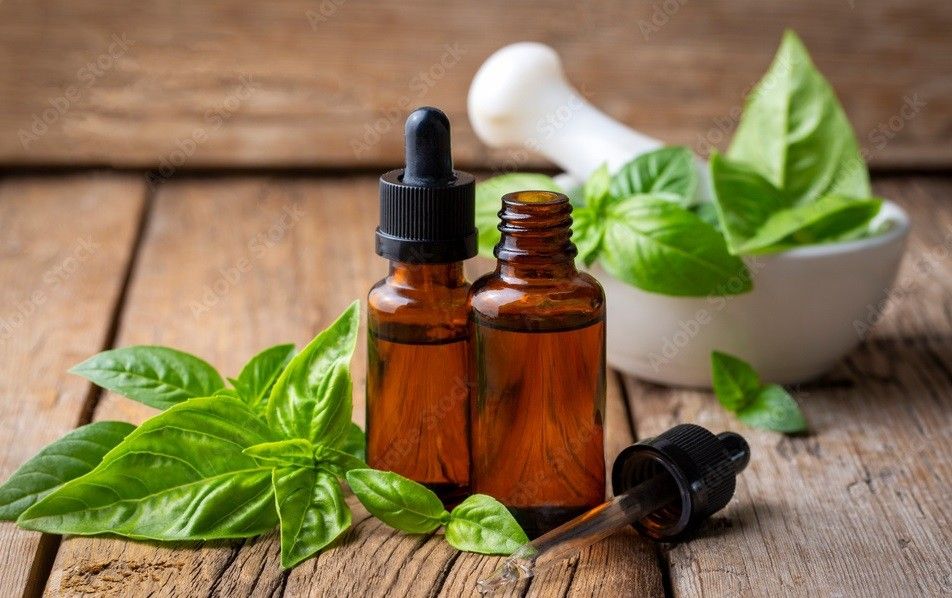
Basil oil, often referred to as Ocimum basilicum oil, is an essential oil derived from the leaves of the basil plant. Known for its aromatic scent and medicinal properties, basil oil has been used in traditional medicine, aromatherapy, and culinary practices for centuries. In this guide, we will explore everything you need to know about basil oil, including its benefits, side effects, dosage, and tips for safe use.
What is Basil Oil?
Basil oil is an essential oil extracted from the leaves of the basil plant. It contains a variety of bioactive compounds such as linalool, eugenol, methyl chavicol, and cineole, which contribute to its therapeutic properties. The oil is commonly used in aromatherapy to reduce stress and promote relaxation, in skincare for its antimicrobial and anti-inflammatory benefits, and in cooking to add flavor to dishes.
There are two main types of basil used to produce basil oil:
- Sweet Basil (Ocimum basilicum) – commonly used in aromatherapy and cooking.
- Holy Basil (Ocimum sanctum/Tulsi) – renowned for its medicinal properties, especially in Ayurvedic medicine.
Basil oil can be applied topically, inhaled as part of aromatherapy, or ingested in small quantities when diluted properly.
Nutrition Facts of Basil Oil
| Component | Approx. Percentage | Key Benefits |
|---|---|---|
| Linalool | 25–35% | Anti-anxiety, anti-inflammatory, antimicrobial, calming aroma |
| Eugenol | 10–20% | Anti-inflammatory, analgesic, antioxidant, antimicrobial |
| Methyl Chavicol (Estragole) | 5–10% | Antimicrobial, aromatic, supports digestion |
| Cineole (Eucalyptol) | 5–10% | Respiratory support, anti-inflammatory, decongestant |
| Camphor | 3–5% | Analgesic, relieves muscle pain, improves circulation |
| Beta-caryophyllene | 1–3% | Anti-inflammatory, antioxidant, pain relief |
| Caryophyllene oxide | Trace | Antimicrobial, antifungal |
| Others (Monoterpenes & Sesquiterpenes) | 5–10% | Contribute to aroma, antimicrobial, and therapeutic proper |
20 Proven Benefits of Basil Oil
Basil oil has numerous health benefits, backed by both traditional medicine and modern research.
- Reduces Stress and Anxiety: Oil is widely used in aromatherapy to calm the mind. Its compounds, particularly linalool, have mood-lifting properties that help reduce anxiety and stress.
- Supports Respiratory Health: Inhalation of basil oil may relieve congestion, coughs, and bronchial discomfort. Cineole and other compounds help clear airways and reduce inflammation.
- Improves Digestion: Basil oil stimulates digestive enzymes, reduces bloating, and alleviates gas. It may also help in managing indigestion or upset stomach.
- Anti-inflammatory Effects: Eugenol and linalool in basil oil help reduce inflammation in the body, making it useful for arthritis, muscle pain, and joint discomfort.
- Relieves Headaches: Applying diluted oil to the temples or inhaling its aroma may reduce tension headaches and migraines due to its calming and anti-inflammatory effects.
- Boosts Immunity: Oil contains antioxidants that help strengthen the immune system and fight infections. Regular use may reduce susceptibility to colds and flu.
- Improves Skin Health: Basil oil’s antibacterial and antifungal properties make it effective against acne, skin infections, and minor wounds. It can also reduce redness and irritation.
- Enhances Hair Health: Massaging the scalp with diluted oil may stimulate hair growth, reduce dandruff, and strengthen hair follicles.
- Reduces Blood Sugar Levels: Some studies suggest that compounds in oil may support healthy blood sugar levels, which can benefit people with diabetes when used alongside medical treatment.
- Supports Heart Health: Basil oil may help lower cholesterol and blood pressure levels, supporting overall cardiovascular health.
- Acts as an Antimicrobial Agent: Oil has antibacterial, antifungal, and antiviral properties, making it effective against infections and microbial growth.
- Reduces Muscle Pain and Spasms: Topical application of diluted basil oil can relieve muscle cramps, spasms, and soreness due to its anti-inflammatory properties.
- Improves Cognitive Function: Aromatherapy with oil may enhance mental clarity, focus, and memory. It is sometimes used to support cognitive performance and reduce mental fatigue.
- Aids Detoxification: Basil oil can support liver function and promote the elimination of toxins from the body.
- Relieves Nausea and Motion Sickness: Inhalation or topical application of oil may reduce feelings of nausea and discomfort caused by motion sickness or digestive upset.
- Supports Oral Health: Basil oil’s antimicrobial properties make it effective against oral bacteria, reducing bad breath and supporting healthy gums.
- Balances Hormones: Certain compounds in oil may help regulate hormonal imbalances, particularly in women with menstrual discomfort or irregular cycles.
- Acts as a Natural Insect Repellent: Basil oil can repel mosquitoes and other insects when used in sprays or diffusers.
- Enhances Mood and Emotional Health: Regular inhalation of oil can uplift mood, reduce fatigue, and promote emotional well-being.
- Helps with Skin Allergies and Rashes: Topical application of oil may soothe skin irritation, itching, and allergic reactions due to its anti-inflammatory effects.
10 Side Effects of Basil Oil
While basil oil has many benefits, it should be used with caution. Excessive or improper use can lead to side effects:
- Skin Irritation – Undiluted oil may cause redness, itching, or rash.
- Allergic Reactions – Some individuals may experience an allergic reaction, including swelling or hives.
- Gastrointestinal Issues – Excess ingestion may cause nausea, vomiting, or diarrhea.
- Blood Pressure Changes – Overuse may lower blood pressure excessively.
- Blood Sugar Fluctuations – People on diabetes medication may experience hypoglycemia if oil is used internally in large amounts.
- Interaction with Blood Thinners – Basil oil may interact with anticoagulant medications, increasing bleeding risk.
- Respiratory Reactions – Inhalation of concentrated oil may irritate sensitive lungs.
- Pregnancy Concerns – High doses may stimulate uterine contractions; caution is advised.
- Photosensitivity – Topical use may increase sensitivity to sunlight in some individuals.
- Dizziness or Headache – Excessive inhalation may cause mild dizziness or headache.
How to Use Basil Oil?
Oil can be used in several ways depending on the desired effect:
- Aromatherapy: Add a few drops to a diffuser or inhale directly.
- Topical Use: Dilute with a carrier oil (like coconut or olive oil) and massage onto the skin or scalp.
- Oral Use: Only in small, diluted amounts in food or beverages; consult a professional before ingesting.
- Massage Therapy: Mix with carrier oil to relieve muscle pain and tension.
Other Uses of Basil Oil
- Natural insect repellent – Apply diluted oil on the skin or use in sprays around the house.
- Air freshener – Add a few drops to water in a spray bottle for a natural fragrance.
- Hair care – Add to shampoos or conditioners to boost scalp health.
- Cleaning agent – Its antimicrobial properties make it useful in homemade cleaning solutions.
Tips for Consuming Basil Oil
- Always dilute before consuming.
- Start with very small quantities to assess tolerance.
- Use organic, high-quality oil for internal use.
- Combine with honey or olive oil to mask the strong taste.
How to Take Basil Oil?
- Orally: Add 1–2 drops to tea, smoothies, or salad dressing.
- Topically: Dilute 2–3 drops in 1 tablespoon of carrier oil for massage.
- Inhalation: Use 3–4 drops in a diffuser for stress relief and respiratory support.
How to Make Basil Oil at Home?
Ingredients:
- 1 cup fresh basil leaves
- 1 cup carrier oil (olive or coconut)
Method:
- Wash and dry basil leaves thoroughly.
- Crush the leaves gently to release oils.
- Heat the carrier oil on low heat.
- Add basil leaves to the oil and simmer for 10–15 minutes.
- Let the mixture cool and strain using a fine mesh or cheesecloth.
- Store in a dark glass bottle in a cool place.
How Much Basil Oil Can You Use Per Day?
- Orally: 1–2 drops in food or drinks, not exceeding 4–5 drops per day.
- Topically: 2–3 drops per tablespoon of carrier oil.
- Aromatherapy: 3–4 drops in a diffuser, up to 30 minutes at a time.
Basil Oil Dosage
- Adults: 1–2 drops orally, 2–3 drops topically per tablespoon of carrier oil.
- Children: Avoid internal use; use aromatherapy or very diluted topical application.
- Pregnant women: Use only under medical supervision, in very small amounts.
Best Time to Use Basil Oil
- Morning: To boost energy, mental clarity, and focus.
- Evening: For relaxation and stress relief before sleep.
- Before meals: Aromatherapy or small oral doses may improve digestion.
Who Should Use Basil Oil?
- Individuals experiencing stress or anxiety.
- People with digestive discomfort.
- Those seeking natural skin or hair care solutions.
- Individuals needing mild anti-inflammatory or pain relief.
- Aromatherapy enthusiasts looking for mood enhancement.
Who Should Not Use Basil Oil?
- Pregnant or breastfeeding women without professional guidance.
- Individuals allergic to basil or other Lamiaceae family plants.
- People on blood-thinning medication or blood sugar-lowering drugs.
- Children under 6 years old for oral use.
How to Store Basil Oil
- Store in a dark, airtight glass bottle.
- Keep away from direct sunlight and heat.
- Store at cool room temperature or refrigerate for longer shelf life.
- Avoid exposure to air to maintain potency and prevent oxidation.
Precautions and Interactions
- Always dilute basil oil before topical application to prevent irritation.
- Perform a patch test before using on skin.
- Avoid internal use without professional guidance.
- Consult a healthcare provider if you are taking medications for blood pressure, diabetes, or blood thinning.
- Discontinue use if any adverse reactions occur.
Final Thought
Basil oil is a versatile and powerful essential oil with numerous health benefits. When used responsibly and in proper doses, it can enhance mental clarity, support physical health, improve skin and hair, and promote overall well-being. By following the tips, precautions, and dosage guidelines above, you can safely incorporate oil into your daily routine.
FAQ’s
Can I use basil oil every day?
Yes, oil can be used daily in small, diluted amounts for aromatherapy, topical application, or culinary purposes. Avoid excessive use to prevent side effects.
Is basil oil safe for children?
Oil is generally safe for children when used in aromatherapy or very diluted topically. Avoid oral consumption for young children.
Can pregnant or breastfeeding women use basil oil?
Pregnant and breastfeeding women should consult a healthcare provider before using this oil, especially orally or in high concentrations, as it may affect hormone levels or cause uterine contractions.
What does basil oil smell like?
Oil has a fresh, herbaceous, slightly sweet aroma with hints of clove and pepper.
What is basil oil good for?
Oil is used for stress relief, improving digestion, enhancing skin and hair health, reducing inflammation, boosting immunity, and as an antimicrobial agent.
Can basil oil help regrow hair?
Oil may help strengthen hair follicles, reduce hair fall, and support hair growth when massaged into the scalp with a carrier oil.
How do I apply basil oil to the skin?
Always dilute oil with a carrier oil (like coconut or olive oil) before applying to the skin. Perform a patch test to check for sensitivity.
Can basil oil be ingested?
Yes, but only in very small, diluted amounts in food or beverages, and preferably under professional guidance.
How long does it take for basil oil to work?
The effects of this oil can be felt within minutes for aromatherapy (relaxation) and within a few days to weeks for topical or oral benefits, depending on the purpose.
What is basil oil used for?
Oil is used for stress relief, improving digestion, reducing inflammation, promoting skin and hair health, supporting respiratory health, and as an antimicrobial agent. It is also used in aromatherapy, massage, and sometimes in small amounts in cooking.
What does basil oil taste like?
Oil has a strong, aromatic flavor that is slightly sweet, peppery, and herbaceous. Due to its potency, it should be used sparingly in food or drinks.
Also Read: