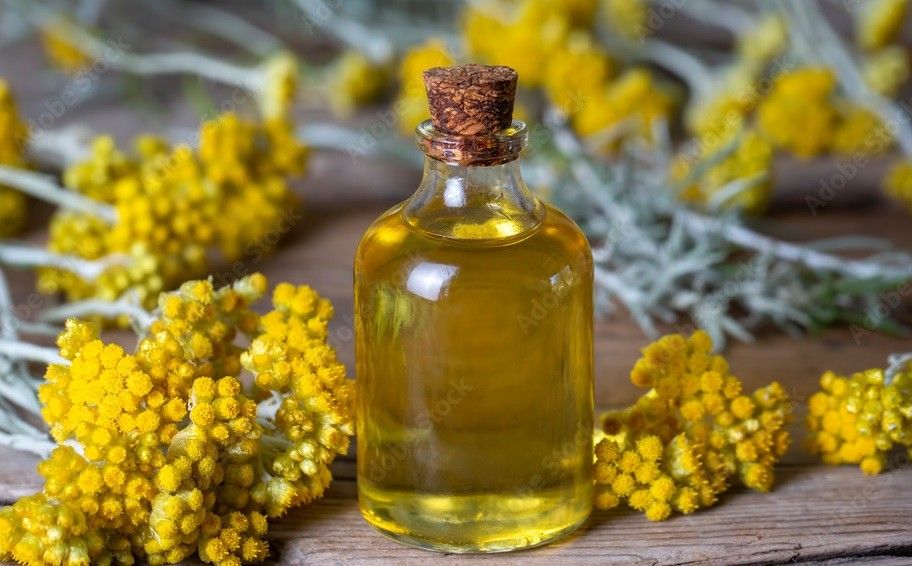
Helichrysum oil, often referred to as the “Immortelle Oil” or “Everlasting Oil,” has been celebrated for centuries in traditional medicine. Extracted from the vibrant yellow flowers of the Helichrysum italicum plant, this essential oil is renowned for its unique healing properties, anti-inflammatory effects, and skin-rejuvenating abilities. While it’s less commonly known than lavender or tea tree oil, Helichrysum oil has steadily gained recognition in the wellness community for its versatile applications in skincare, health, and holistic healing.
In this guide, we will explore everything you need to know about Helichrysum oil—from its composition and science-backed health benefits to safe usage, dosage, and storage tips.
What is Helichrysum Oil?
Helichrysum oil is a plant-derived essential oil obtained from the flowering tops of the Helichrysum italicum plant through a process called steam distillation. Native to the Mediterranean region, this oil has a sweet, earthy, and slightly fruity aroma. It is highly valued in aromatherapy, skincare formulations, and natural medicine due to its ability to promote skin regeneration, reduce inflammation, and accelerate healing.
Historically, Helichrysum flowers were used for wound healing and as a natural remedy for various skin conditions. Today, Helichrysum oil continues to be incorporated in therapeutic and cosmetic products for its anti-aging, antimicrobial, and antioxidant properties.
Components of Helichrysum Oil
The therapeutic properties of Helichrysum oil are largely due to its rich composition of bioactive compounds. Below is a primary chemical components found in Helichrysum oil:
| Component | Function / Benefit |
|---|---|
| Neryl acetate | Anti-inflammatory, skin-healing, analgesic |
| Gamma-curcumene | Antioxidant, promotes tissue regeneration |
| Alpha-pinene | Antimicrobial, supports respiratory health |
| Beta-caryophyllene | Anti-inflammatory, pain-relieving |
| Dihydroedulan | Skin-rejuvenating, antioxidant |
| Italidiones | Promote skin regeneration and wound healing |
| Linalool | Relaxing, anti-anxiety, antimicrobial |
These compounds work synergistically to provide a range of therapeutic benefits, making Helichrysum oil a multi-purpose essential oil.
20 Proven Benefits of Helichrysum Oil
Helichrysum oil is a powerhouse of benefits, particularly for skin health, healing, and overall wellness.
- Promotes Skin Regeneration: Oil accelerates skin cell regeneration, making it ideal for reducing scars, fine lines, and stretch marks. Its bioactive compounds stimulate fibroblast activity, which helps maintain skin elasticity.
- Reduces Inflammation: With potent anti-inflammatory properties, Helichrysum oil can help soothe inflamed skin, reduce redness, and alleviate discomfort caused by conditions like eczema or psoriasis.
- Heals Wounds and Cuts: It enhances the healing process of minor cuts, wounds, and abrasions by improving blood circulation and supporting tissue repair.
- Soothes Sunburns: The anti-inflammatory and cooling effects of Helichrysum oil make it a natural remedy for sunburned skin, reducing pain and redness.
- Fights Acne: Helichrysum oil’s antimicrobial properties combat acne-causing bacteria while reducing inflammation, making it effective for both adult and teenage acne.
- Reduces Bruising: Topical application of diluted Helichrysum oil can minimize bruising by promoting faster circulation and tissue repair.
- Alleviates Muscle Pain: Massage with this oil can relieve sore muscles, joint pain, and tension due to its analgesic and anti-inflammatory properties.
- Supports Respiratory Health: Inhalation of oil may ease respiratory issues such as congestion, cough, and mild asthma due to its decongestant effects.
- Acts as an Antioxidant: Helichrysum oil protects skin and cells from free radical damage, slowing down the aging process and maintaining overall skin health.
- Reduces Signs of Aging: By promoting collagen production and skin regeneration, this oil helps diminish fine lines, wrinkles, and sagging skin.
- Fights Fungal Infections: Its antifungal properties make oil effective against fungal skin infections, including athlete’s foot and ringworm.
- Calms Anxiety and Stress: Aromatherapy with this oil has a relaxing effect, reducing stress, anxiety, and emotional tension.
- Supports Liver Health: Some studies suggest Helichrysum oil may have hepatoprotective properties, aiding liver function and detoxification.
- Reduces Hyperpigmentation: It helps lighten age spots, dark circles, and uneven skin tone when used topically over time.
- Promotes Hair Health: Helichrysum oil improves scalp circulation, reduces dandruff, and strengthens hair follicles, promoting healthier hair growth.
- Relieves Headaches: Inhalation or topical application on temples may reduce tension headaches and migraines due to its calming and analgesic effects.
- Boosts Immune Function: The antimicrobial and antioxidant compounds in oil can support immune health.
- Reduces Swelling: Its anti-inflammatory and diuretic properties help reduce swelling and edema in affected areas.
- Supports Digestive Health: Helichrysum oil can stimulate digestion and relieve minor gastrointestinal discomfort when used cautiously in diluted form.
- Enhances Wound Healing in Surgery or Burns: Its regenerative properties make oil beneficial in post-surgery care and minor burns for faster recovery.
10 Side Effects of Helichrysum Oil
Despite its numerous benefits, Helichrysum oil should be used with care. Here are potential side effects:
- Allergic Reactions: Some individuals may experience redness, itching, or rashes when applied topically.
- Skin Irritation: Undiluted Helichrysum oil can irritate sensitive skin.
- Photosensitivity: Prolonged exposure to sunlight after application may increase the risk of sunburn.
- Headaches: Overuse in aromatherapy may cause mild headaches in some individuals.
- Nausea: Ingesting Helichrysum oil in large amounts may lead to nausea or upset stomach.
- Interactions with Medications: It may interact with blood-thinning or anticoagulant medications, affecting their efficacy.
- Respiratory Sensitivity: Some people may experience mild respiratory irritation if inhaled in high concentrations.
- Pregnancy Concerns: Pregnant or breastfeeding women should use it cautiously and consult a doctor before use.
- Dizziness: Excessive topical or inhalation use may cause lightheadedness or dizziness.
- Eye Irritation: Avoid contact with eyes; direct exposure may lead to burning or irritation.
How to Use Helichrysum Oil?
Oil can be used in various ways depending on your health and beauty needs:
- Topical Application: Dilute with a carrier oil (like coconut or jojoba oil) and apply to scars, bruises, or inflamed skin.
- Aromatherapy: Add a few drops to a diffuser to reduce stress and anxiety.
- Massage: Mix with a carrier oil to relieve muscle pain and tension.
- Bath: Add a few drops to bathwater for a relaxing, skin-soothing experience.
Other Uses of Helichrysum Oil
Beyond health and skincare, oil has versatile applications:
- Natural Perfume: Its sweet, earthy aroma makes it a popular ingredient in natural fragrances.
- Home Cleaning: The antimicrobial properties can be used in DIY cleaning solutions.
- Hair Care: Incorporate into shampoos or hair masks for scalp health.
- Wound Care Products: Often used in natural balms and ointments for healing minor cuts and burns.
Tips for Consuming Helichrysum Oil
Oil is generally not recommended for direct ingestion without guidance from a certified professional due to its potency. However, it can be safely used:
- In diluted form: Mix with carrier oils or incorporate in small amounts in herbal teas.
- Under supervision: For therapeutic ingestion, always consult a healthcare provider to avoid toxicity or adverse effects.
- Observe your body: Monitor for digestive upset or allergic reactions if consumed.
How to Take Helichrysum Oil?
Oil can be incorporated into your routine safely:
- Topical: Apply 2–3 drops mixed with carrier oil to the affected area.
- Aromatherapy: Add 3–5 drops to a diffuser for 20–30 minutes daily.
- Bath: Mix 5–10 drops in warm bathwater for skin and relaxation benefits.
How to Make Helichrysum Oil at Home?
Making oil at home is possible but requires patience:
Ingredients:
- Fresh Helichrysum flowers
- Carrier oil (olive oil or jojoba oil)
- A clean glass jar with a lid
Method:
- Wash and dry the flowers.
- Fill the jar halfway with flowers and pour in carrier oil until flowers are fully submerged.
- Seal the jar and place it in a sunny window for 4–6 weeks, shaking occasionally.
- Strain the oil through a fine mesh or cheesecloth.
- Store in a dark glass bottle away from sunlight.
How Much Helichrysum Oil Can You Use Per Day?
- Topical: Up to 3–5 drops per area, diluted in carrier oil.
- Aromatherapy: 3–5 drops in a diffuser, 20–30 minutes per session.
- Bath: 5–10 drops in a standard bathtub.
- Ingestion: Only under medical supervision; usually 1–2 drops diluted.
Helichrysum Oil Dosage
Dosage depends on the form of use:
| Usage Type | Recommended Dosage |
|---|---|
| Topical | 2–5 drops per area in carrier oil |
| Diffuser | 3–5 drops per session |
| Bath | 5–10 drops in warm water |
| Internal (safe, supervised) | 1–2 drops diluted in water or tea |
Best Time to Use Helichrysum Oil
- Morning: Aromatherapy for stress relief and focus.
- Evening: Topical application or bath for relaxation and skin healing.
- Post-Workout: Massage diluted oil for muscle relief.
- Before Bed: Diffuse oil to improve sleep quality.
Who Should Use Helichrysum Oil?
- Individuals with skin issues such as scars, burns, or inflammation.
- People seeking anti-aging solutions.
- Those experiencing muscle or joint pain.
- Individuals practicing aromatherapy for stress and relaxation.
Who Should Not Use Helichrysum Oil?
- Pregnant or breastfeeding women without medical advice.
- People with allergic reactions to essential oils.
- Individuals on blood-thinning medications unless supervised.
- Children under 6 years without pediatrician approval.
How to Store Helichrysum Oil?
- Keep in a dark glass bottle to prevent oxidation.
- Store in a cool, dry place away from sunlight.
- Avoid storing near heat sources or humid areas.
- Proper storage preserves potency for up to 2 years.
Precautions and Interactions
- Always dilute before topical use to prevent skin irritation.
- Conduct a patch test on a small area before full application.
- Avoid direct contact with eyes and mucous membranes.
- Consult a healthcare provider before oral ingestion.
- Be cautious with blood-thinning medications or liver conditions.
- Discontinue use if allergic reactions or irritation occur.
FAQ’s
What is Helichrysum Oil good for?
Oil is used for skin regeneration, reducing inflammation, healing wounds, relieving muscle pain, improving hair health, and supporting overall wellness.
Can Helichrysum Oil regrow hair?
It may support hair growth by improving scalp circulation and strengthening hair follicles, though results vary for each person.
How do I use Helichrysum Oil on my skin?
Dilute a few drops with a carrier oil like coconut or jojoba and apply to scars, bruises, or inflamed areas. Avoid direct contact with eyes.
Is Helichrysum Oil safe during pregnancy?
Pregnant and breastfeeding women should consult a doctor before using oil, especially if considering internal use.
Can Helichrysum Oil be ingested?
Oil should only be ingested under medical supervision in very small, diluted amounts.
Can children use Helichrysum Oil?
Children under 6 should avoid it unless recommended by a pediatrician, and always use in diluted form.
What is Helichrysum Oil used for?
Oil is primarily used for skin healing, reducing inflammation, minimizing scars and bruises, relieving muscle pain, promoting hair health, and supporting relaxation and overall wellness.
Can I use Helichrysum Oil every day?
Yes, it can be used daily in small, diluted amounts for skin care, aromatherapy, or massage. However, always perform a patch test first to avoid irritation.
What does Helichrysum Oil smell like?
It has a sweet, earthy, and slightly fruity aroma, often described as warm and herbaceous with subtle honey-like undertones.
What does Helichrysum Oil taste like?
Oil has a bitter and earthy taste. Internal use is not recommended unless under the guidance of a healthcare professional.
Does Helichrysum Oil get rid of age spots?
It may help reduce the appearance of age spots and hyperpigmentation over time by promoting skin regeneration and evening out skin tone.
Why is Helichrysum Oil so expensive?
The oil is costly because it requires a large quantity of flowers to produce a small amount of oil, involves labor-intensive harvesting, and is extracted via steam distillation, which preserves its potent bioactive compounds.
Can I put Helichrysum Oil on my face?
Yes, it can be applied to the face when diluted with a carrier oil. It is known for reducing scars, fine lines, and promoting skin regeneration, but avoid direct contact with sensitive areas like the eyes.
Also Read: