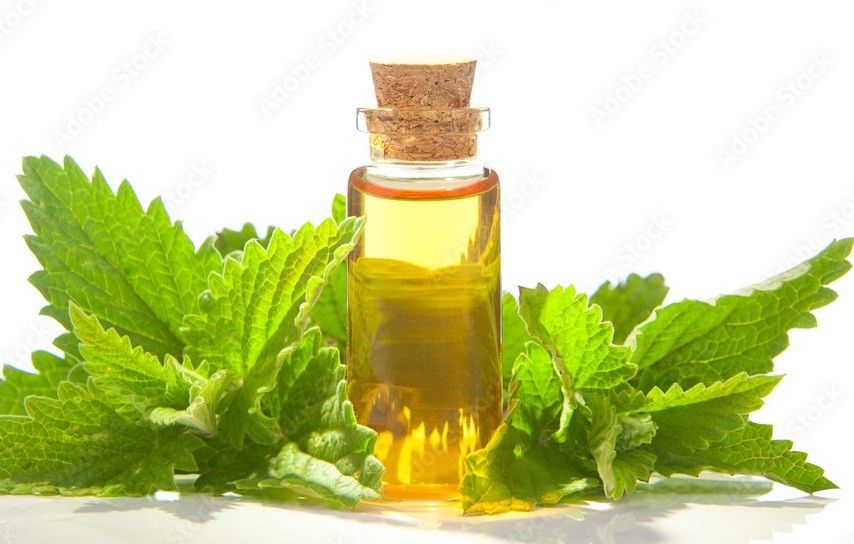
Catnip is often associated with playful cats and their euphoric reactions, but did you know that this humble herb holds remarkable benefits for humans too? Catnip oil, derived from the leaves and flowering tops of the Nepeta cataria plant, is a potent essential oil used in traditional medicine and modern wellness practices. From calming effects to digestive support, this versatile oil has garnered attention for its holistic benefits. In this guide, we’ll explore everything you need to know about catnip oil: its composition, science-backed health benefits, side effects, usage tips, dosage, and more.
What is Catnip Oil?
Catnip oil is an essential oil extracted from the Nepeta cataria plant, a member of the mint family. Traditionally, catnip has been used for its calming and medicinal properties. The oil is obtained through steam distillation of the fresh leaves and flowering tops.
Unlike the dried herb, which is often used for teas or cat treats, catnip oil contains concentrated compounds that make it highly effective for therapeutic purposes. It has a fresh, slightly minty aroma and a yellowish-green hue. Catnip oil is widely known for its use in aromatherapy, herbal remedies, and topical applications. It offers a natural way to relieve stress, support digestion, and even ease menstrual discomfort.
Components of Catnip Oil
The chemical composition of catnip oil is responsible for its diverse effects. The main active compounds include nepetalactone, citronellal, and various flavonoids.
| Component | Description & Role |
|---|---|
| Nepetalactone | Primary active compound; responsible for calming effect and sedative properties |
| Citronellal | Contributes to aroma; may have antibacterial and insect-repellent properties |
| Geraniol | A monoterpenoid with potential antioxidant benefits |
| Citral | Supports anti-inflammatory and antimicrobial activity |
| Flavonoids | Plant compounds with antioxidant properties |
| Tannins | Astringent compounds that may support digestive health |
| Essential oils blend | Minor terpenes contributing to overall aroma and therapeutic effects |
These compounds work together to make catnip oil both versatile and effective. Nepetalactone, in particular, is responsible for most of the oil’s relaxing and calming properties, which is why it’s often used in aromatherapy.
20 Proven Benefits of Catnip Oil
Catnip oil offers a wide array of benefits for both physical and mental well-being.
- Reduces Stress and Anxiety – Nepetalactone in catnip oil interacts with the nervous system, helping calm anxiety and promoting relaxation.
- Supports Sleep – Its mild sedative properties make it ideal for individuals suffering from insomnia or restless sleep.
- Relieves Digestive Issues – Catnip oil can ease bloating, indigestion, and cramping by relaxing the digestive tract.
- Eases Menstrual Discomfort – Its antispasmodic effects help alleviate cramps and discomfort during menstruation.
- Anti-inflammatory Effects – Reduces inflammation, useful for minor aches and joint pain.
- Antimicrobial Properties – Oil can help fight off certain bacteria and fungi, supporting overall health.
- Supports Respiratory Health – Can help ease symptoms of colds, coughs, and congestion due to mild expectorant effects.
- Headache Relief – Its calming properties may help relieve tension headaches.
- Natural Insect Repellent – Acts as a mosquito repellent when applied topically or diffused.
- Mood Booster – The aroma can uplift mood and promote emotional well-being.
- Supports Heart Health – May help regulate blood pressure and improve circulation.
- Digestive Tonic – Helps stimulate appetite and supports digestion.
- Relieves Muscle Tension – Can ease tight muscles when used in massage oils.
- Improves Skin Health – Has astringent and antiseptic properties beneficial for minor skin irritations.
- Reduces Nausea – May help calm stomach upset and motion sickness.
- Supports Immune System – Antioxidants in catnip oil help strengthen the body’s defense mechanisms.
- Promotes Focus and Calm – Helps improve concentration by reducing mental stress.
- Alleviates Cold Symptoms – Can reduce congestion and soothe throat irritation.
- Natural Pet Calmant – Though humans benefit, it’s also used to calm anxious pets.
- Aromatherapy Benefits – Can be diffused to create a calming and refreshing environment.
10 Side Effects of Catnip Oil
While catnip oil is generally safe, excessive use or improper application can cause side effects. Here are ten potential side effects:
- Allergic Reactions – May cause skin irritation or rash in sensitive individuals.
- Nausea or Vomiting – Overconsumption may lead to digestive discomfort.
- Dizziness – Strong aroma or excessive intake may induce lightheadedness.
- Headache – In some people, concentrated oil may trigger mild headaches.
- Diarrhea – High doses can cause loose stools.
- Lowered Blood Pressure – Can cause hypotension if overused.
- Excessive Drowsiness – Strong sedative effects may be too intense for some.
- Interactions with Medications – May interfere with sedatives, blood pressure medications, or diuretics.
- Respiratory Irritation – Inhalation in high concentration may irritate lungs.
- Pregnancy Concerns – Not recommended for pregnant women due to potential uterine stimulation.
How to Use Catnip Oil?
Oil can be used in various ways depending on your desired benefit:
- Aromatherapy: Add a few drops to a diffuser to reduce stress and anxiety.
- Topical Application: Mix with carrier oils like coconut or jojoba oil for massage or skin application.
- Bath: Add a few drops to a warm bath to promote relaxation.
- Inhalation: Place a few drops on a handkerchief and inhale for instant calm.
Other Uses of Catnip Oil
- Natural Mosquito Repellent: Apply diluted oil to skin or clothing.
- Pet Relaxation: Place a few drops near pets to reduce anxiety.
- Air Freshener: Add to sprays or diffusers for a refreshing scent.
- Cleaning Products: Antimicrobial properties make it suitable for natural cleaning solutions.
Tips for Consuming Catnip Oil
- Always dilute oil before oral consumption.
- Start with minimal doses to assess tolerance.
- Avoid combining with strong sedatives or alcohol.
- Use high-quality, pure essential oils for consumption.
How to Take Catnip Oil?
Oil is most commonly used in the following ways:
- Oral Use: Only a few drops diluted in a carrier oil or honey.
- Topical Use: Diluted for massages or applied to affected areas for pain relief.
- Aromatherapy: Diffused or inhaled for stress relief and relaxation.
How to Make Catnip Oil at Home?
Making catnip oil at home is simple and cost-effective:
Ingredients:
- Fresh or dried catnip leaves (1 cup)
- Carrier oil (olive, coconut, or jojoba oil – 2 cups)
- Glass jar with lid
Method:
- Chop the catnip leaves finely.
- Place leaves in the glass jar and pour the carrier oil over them.
- Seal the jar tightly and place in a sunny spot for 2-3 weeks, shaking occasionally.
- Strain the oil using a cheesecloth and store in a dark glass bottle.
This method preserves the active compounds and gives you fresh, potent catnip oil.
How Much Catnip Oil Can You Use Per Day?
For adults, the typical dosage ranges:
- Oral consumption: 1–2 drops, up to 3 times a day, diluted in a carrier oil or beverage.
- Topical use: 2–5 drops mixed with 1 tablespoon of carrier oil.
- Aromatherapy: 3–5 drops in a diffuser.
Catnip Oil Dosage
- For stress relief: 2–3 drops in a diffuser or 1 drop orally.
- For digestive support: 1 drop diluted in honey or tea.
- For sleep aid: 2 drops in warm bath or 3 drops diffused before bedtime.
Always start with minimal doses to gauge tolerance.
Best Time to Use Catnip Oil
- Morning: To ease stress and boost mood.
- Evening: To promote relaxation and improve sleep quality.
- Before meals: For digestive support.
Who Should Use Catnip Oil?
- Individuals with anxiety, stress, or insomnia.
- People with mild digestive discomfort or bloating.
- Those seeking natural alternatives for menstrual pain relief.
- Anyone looking for natural insect repellents.
Who Should Not Use Catnip Oil?
- Pregnant or breastfeeding women.
- Individuals with low blood pressure.
- People on sedatives or certain blood pressure medications.
- Children under 6 years of age without medical guidance.
How to Store Catnip Oil?
- Keep in a dark, airtight glass bottle.
- Store in a cool, dry place away from sunlight.
- Proper storage can preserve potency for up to 1 year.
Precautions and Interactions
- Always dilute before use to avoid skin irritation.
- Do not combine with sedatives or alcohol.
- Consult a healthcare provider if pregnant, breastfeeding, or on medications.
- Discontinue use if adverse reactions occur, such as rash, dizziness, or nausea.
Final Thought
Catnip oil is more than just a herb for cats. Its relaxing aroma, anti-inflammatory properties, and digestive benefits make it a powerful tool in natural wellness. By understanding the correct dosages, uses, and precautions, you can safely incorporate this versatile oil into your daily routine.
FAQ’s
What is catnip oil good for?
Oil is known for reducing stress, promoting relaxation, supporting digestion, easing menstrual cramps, and acting as a natural insect repellent.
Can I use catnip oil every day?
Yes, in small doses. Typically, 1–2 drops orally or a few drops in a diffuser daily are safe for most adults. Avoid excessive use.
Is catnip oil safe for children?
Children under 6 should not use oil without medical guidance. For older children, diluted topical or aromatherapy use may be considered.
Can pregnant or breastfeeding women use catnip oil?
No, it is not recommended due to potential uterine stimulation and other unknown effects.
What does catnip oil smell like?
It has a fresh, slightly minty, herbal aroma with a hint of citrus due to its natural compounds.
Can catnip oil help with sleep?
Yes, its mild sedative properties help calm the nervous system, promoting restful sleep.
How do I apply catnip oil topically?
Mix 2–5 drops of oil with a tablespoon of carrier oil and massage onto the skin or affected area.
Can catnip oil be ingested?
Yes, but only in very small amounts (1–2 drops) diluted in honey, tea, or carrier oils. Consult a healthcare provider before oral use.
Can catnip oil repel insects?
Yes, it acts as a natural mosquito and insect repellent when applied to skin or diffused indoors.
What is catnip oil used for?
Oil is primarily used for reducing stress and anxiety, promoting relaxation, aiding sleep, easing digestive discomfort, relieving menstrual cramps, and acting as a natural insect repellent. It is also used in aromatherapy, massage, and natural wellness routines.
What does catnip oil taste like?
Oil has a slightly bitter, minty, and herbal taste. It is usually not consumed directly due to its strong flavor and potency; instead, it is diluted in carrier oils, honey, or teas when taken orally.
Also Read: