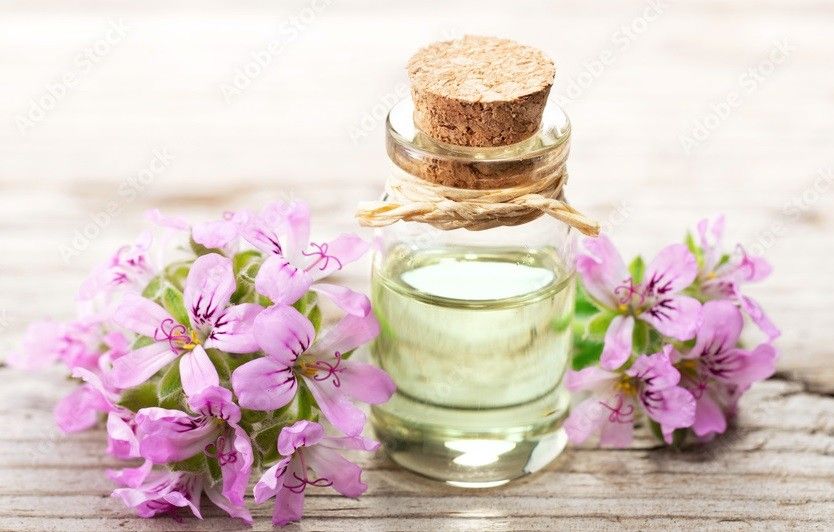
Essential oils often feel like nature’s quiet healers, working gently yet deeply on the body and mind. Among them, Rose Geranium Oil stands out for its beautifully balanced aroma and its wide range of wellness benefits. It is loved not only for its floral, rosy scent but also for its ability to support skin health, emotional well-being, hormonal balance, and overall vitality.
Used for centuries in traditional healing systems and now embraced in modern aromatherapy, rose geranium oil offers a unique blend of effectiveness and gentleness. Whether you are exploring natural skincare, stress relief, or holistic wellness, this oil deserves your attention. In this guide, we will explore everything you need to know about rose geranium oil, from its composition and science-backed health benefits to safe usage, dosage, precautions, and even how to make it at home.
What Is Rose Geranium Oil?
Rose geranium oil is an essential oil extracted from the leaves and stems of the Pelargonium graveolens plant. Despite its name, it is not derived from roses, but its scent closely resembles rose oil, which is why it is often used as a more affordable alternative.
Native to South Africa and widely cultivated in Egypt, Madagascar, and parts of Europe, rose geranium oil is typically obtained through steam distillation. The resulting oil carries a fresh, floral, slightly sweet fragrance with subtle green undertones.
This oil has long been used in aromatherapy, skincare, traditional medicine, and perfumery. Its popularity comes from its ability to support both physical and emotional health without being overly harsh or stimulating.
Components of Rose Geranium Oil
The therapeutic properties of rose geranium oil come from its rich chemical composition.
| Component | Approximate Percentage | Key Benefits |
|---|---|---|
| Citronellol | 20–35% | Antibacterial, anti-inflammatory, skin-soothing |
| Geraniol | 10–20% | Antioxidant, antimicrobial, mood-enhancing |
| Linalool | 5–10% | Calming, stress-relieving, sleep-supporting |
| Isomenthone | 5–10% | Pain-relieving, anti-spasmodic |
| Menthone | 3–8% | Cooling, digestive support |
| Terpineol | Small amounts | Antifungal, immune-supporting |
| Formates and Esters | Trace amounts | Hormonal balance, emotional grounding |
20 Proven Benefits of Rose Geranium Oil
1. Supports Skin Health
Rose geranium oil is widely used in skincare because it helps balance oil production, making it suitable for both dry and oily skin. It can reduce breakouts, calm redness, and promote a healthy glow.
2. Helps Reduce Acne
Its antibacterial and anti-inflammatory properties help fight acne-causing bacteria while soothing irritated skin, making it useful for mild to moderate acne.
3. Promotes Wound Healing
When properly diluted, rose geranium oil may support faster healing of minor cuts, scrapes, and burns by reducing infection risk.
4. Balances Hormones
One of its most valued benefits is hormonal support. It is often used to ease PMS symptoms, menstrual discomfort, and hormonal mood swings.
5. Eases Menstrual Pain
Its anti-spasmodic properties can help relax uterine muscles, reducing cramps when used in massage blends.
6. Supports Menopausal Comfort
Rose geranium oil may help ease hot flashes, emotional changes, and fatigue commonly experienced during menopause.
7. Reduces Stress and Anxiety
The calming aroma helps lower stress levels, quiet racing thoughts, and promote emotional balance.
8. Enhances Mood
Inhaling rose geranium oil can uplift mood and reduce feelings of sadness, irritability, or emotional exhaustion.
9. Improves Sleep Quality
By calming the nervous system, it may help improve sleep quality when used before bedtime.
10. Supports Immune Health
Its antimicrobial properties can support the immune system by helping the body fight minor infections.
11. Acts as a Natural Insect Repellent
Rose geranium oil is commonly used to repel mosquitoes and other insects without harsh chemicals.
12. Reduces Inflammation
It may help reduce inflammation in joints and muscles when used in massage oils.
13. Supports Circulation
Regular massage with diluted rose geranium oil may help improve blood flow and reduce fluid retention.
14. Helps Manage Stress-Related Headaches
Its relaxing aroma can help ease tension headaches caused by stress.
15. Supports Digestive Comfort
When used in aromatherapy, it may help calm digestive discomfort linked to stress or anxiety.
16. Helps Balance Sebum Production
It is especially useful for regulating oil levels on the scalp and skin, reducing both dryness and excess oil.
17. Supports Scalp Health
Rose geranium oil may help reduce dandruff and dryness while promoting a healthier scalp environment.
18. Enhances Emotional Grounding
It helps create a sense of emotional stability, making it useful during times of change or emotional overwhelm.
19. May Support Skin Aging Gracefully
Its antioxidant properties help protect the skin from environmental damage and support a youthful appearance.
20. Encourages Overall Well-Being
By supporting emotional, hormonal, and physical balance, rose geranium oil contributes to overall wellness.
10 Side Effects of Rose Geranium Oil
Although generally safe when used correctly, rose geranium oil can cause side effects in some individuals.
1. Skin Irritation
Undiluted oil may cause redness, itching, or burning sensations.
2. Allergic Reactions
Some people may experience rashes or swelling, especially those with sensitive skin.
3. Headaches
Overuse or strong inhalation may trigger headaches in sensitive individuals.
4. Nausea
Inhaling too much oil may cause nausea or dizziness.
5. Hormonal Sensitivity
Because it may influence hormones, excessive use could affect hormone-sensitive conditions.
6. Photosensitivity (Rare)
In rare cases, it may increase sensitivity to sunlight.
7. Respiratory Irritation
Strong diffusion may irritate the respiratory tract in children or people with asthma.
8. Low Blood Sugar Risk
It may mildly affect blood sugar levels when used internally under professional guidance.
9. Pregnancy Concerns
Improper use during pregnancy may cause unwanted effects.
10. Interaction With Medications
It may interact with hormone-related or blood pressure medications.
How to Use Rose Geranium Oil?
Rose geranium oil can be used in several ways:
- Aromatherapy through diffusers
- Topical application when diluted with carrier oils
- Massage blends
- Bath oils
- Skincare formulations
Other Uses of Rose Geranium Oil
- Natural perfume blends
- Hair oils and scalp treatments
- Insect repellent sprays
- Home fragrance solutions
- Natural cleaning products
Tips for Consuming Rose Geranium Oil
Internal use should only be done under professional guidance. Choose food-grade oil, use very small amounts, and never consume undiluted oil.
How to Take Rose Geranium Oil?
- Aromatic inhalation
- Topical application (diluted)
- Capsules or drops only under expert supervision
How to Make Rose Geranium Oil at Home?
- Harvest fresh rose geranium leaves.
- Wash and air-dry them completely.
- Crush the leaves lightly.
- Place them in a clean glass jar.
- Cover with a carrier oil like jojoba or olive oil.
- Seal and keep in a warm place for 2–4 weeks.
- Strain and store in a dark glass bottle.
How Much Rose Geranium Oil Can You Use Per Day?
- Aromatherapy: 3–5 drops in a diffuser
- Topical use: 1–2% dilution (1–2 drops per teaspoon of carrier oil)
Rose Geranium Oil Dosage
- Adults: Up to 5 drops per day in diluted or aromatic form
- Children: Use only under guidance and at lower dilutions
Best Time to Use Rose Geranium Oil
- Morning for mood balance
- Evening for relaxation and sleep support
- During menstrual cycles for comfort
Who Should Use Rose Geranium Oil?
- People with skin concerns
- Those experiencing stress or anxiety
- Individuals seeking hormonal balance
- Anyone interested in natural wellness support
Who Should Not Use Rose Geranium Oil?
- Pregnant or breastfeeding women without guidance
- People with hormone-sensitive conditions
- Individuals with known essential oil allergies
- Children without professional supervision
How to Store Rose Geranium Oil?
- Store in a dark glass bottle
- Keep away from heat and sunlight
- Ensure the lid is tightly closed
- Store out of reach of children
Precautions and Interactions
- Always perform a patch test
- Dilute before topical use
- Avoid eyes and mucous membranes
- Consult a healthcare professional if on medication
- Do not substitute essential oils for medical treatment
Final Thoughts
Rose geranium oil is a beautifully balanced essential oil that supports both physical and emotional well-being. When used thoughtfully and safely, it can become a valuable part of your daily self-care routine. As with all natural remedies, moderation, quality, and proper guidance are key to experiencing its benefits fully.
FAQ’s
What is rose geranium oil used for?
Oil is used for improving skin health, balancing hormones, reducing stress and anxiety, supporting emotional well-being, and promoting overall relaxation. It is also commonly used in aromatherapy and natural skincare.
Can rose geranium oil be applied directly to the skin?
No, rose geranium oil should always be diluted with a carrier oil before applying to the skin to avoid irritation or allergic reactions.
Is rose geranium oil good for acne?
Yes, oil may help with acne due to its antibacterial and anti-inflammatory properties, which can reduce breakouts and soothe irritated skin when used correctly.
Can rose geranium oil help with stress and anxiety?
Yes, its calming floral aroma helps relax the nervous system, reduce stress levels, and improve emotional balance when used in aromatherapy.
Is rose geranium oil safe during pregnancy?
Oil should be used with caution during pregnancy. It is best to consult a healthcare professional before using it.
Can rose geranium oil be used every day?
Yes, it can be used daily in small, properly diluted amounts for aromatherapy or topical application, as long as no irritation occurs.
Does rose geranium oil help with hormonal balance?
Oil is often used to support hormonal balance, especially during PMS or menopause, but it should not replace medical treatment.
What does rose geranium oil smell like?
Oil has a sweet, floral, rose-like fragrance with fresh green and slightly citrusy undertones.
Is Rose Geranium Oil safe for children?
Oil can be used for children, but only in very small, properly diluted amounts and under adult supervision. It is generally used in aromatherapy or diluted topical applications, not for internal use. A patch test is important, and it should be avoided for infants or children with sensitive skin unless advised by a healthcare professional.
What does Rose Geranium Oil taste like?
Oil has a slightly sweet, floral, and herbaceous taste with mild bitter undertones. However, it is not commonly used for its taste, and internal consumption should only be done under professional guidance.
What is rose geranium oil good for?
Oil is good for supporting skin health, balancing oil production, easing stress and anxiety, promoting emotional well-being, supporting hormonal balance, and improving scalp and hair health. It is also valued for its calming aroma and natural insect-repellent properties.
What is the difference between rose geranium and geranium?
Rose geranium comes from the Pelargonium graveolens plant and has a sweet, rose-like aroma, while regular geranium oil may come from different Pelargonium varieties with more herbaceous or green notes. Rose geranium is especially prized for skincare and emotional balance, whereas other geranium oils are often used more broadly in aromatherapy and household applications.
Also Read: