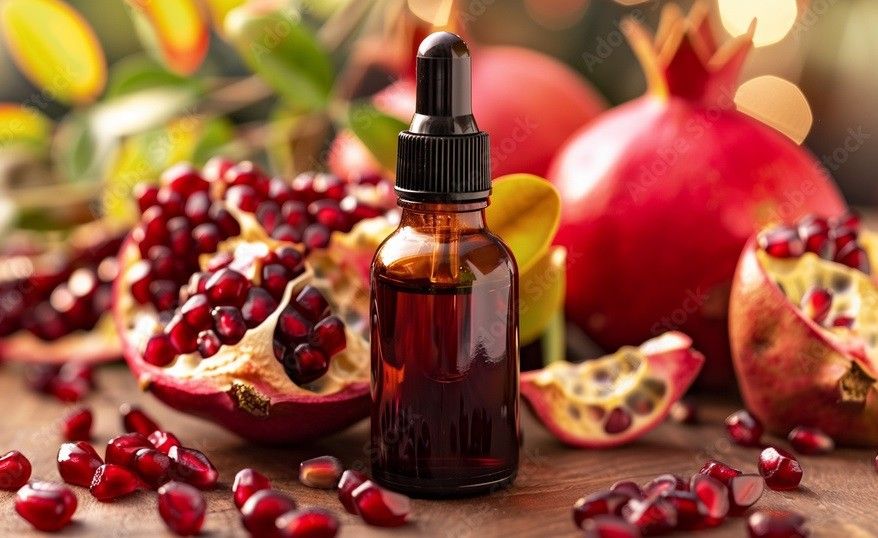
Pomegranate oil, derived from the seeds of the pomegranate fruit (Punica granatum), is a powerhouse of nutrition and therapeutic properties. Celebrated in traditional medicine and modern skincare alike, this oil is rich in antioxidants, essential fatty acids, and polyphenols, making it a valuable addition to your wellness and beauty routine. In this post, we will explore everything about pomegranate oil—from its components and science-backed health benefits to usage tips, side effects, and storage guidelines.
What is Pomegranate Oil?
Pomegranate oil is a natural oil extracted from the seeds of the pomegranate fruit. The oil can be obtained through cold-pressing or solvent extraction methods, with cold-pressed oil retaining most of its beneficial compounds. Pomegranate oil has a distinctive reddish-orange color and a slightly nutty taste. Its applications span skincare, hair care, and overall health due to its rich nutritional profile.
The oil is particularly valued for its punicic acid, a type of omega-5 fatty acid, which is known for its anti-inflammatory and antioxidant properties. Additionally, it contains other fatty acids, vitamins, and phytochemicals that contribute to its effectiveness in supporting skin, hair, and general health.
Components of Pomegranate Oil
| Component | Benefits |
|---|---|
| Punicic Acid (Omega-5) | Anti-inflammatory, helps in skin regeneration, and reduces oxidative stress |
| Oleic Acid (Omega-9) | Supports skin hydration and elasticity |
| Linoleic Acid (Omega-6) | Promotes skin barrier repair and helps in reducing acne |
| Vitamin E | Powerful antioxidant that protects skin and hair |
| Polyphenols | Reduce free radical damage and have anti-aging properties |
| Phytosterols | Support skin health and help in maintaining hormonal balance |
| Tannins | Antimicrobial and antioxidant properties |
| Flavonoids | Anti-inflammatory and help boost immunity |
These components collectively make pomegranate oil a potent natural remedy for multiple health and beauty concerns.
20 Proven Benefits of Pomegranate Oil
1. Promotes Skin Hydration
Pomegranate oil penetrates deeply into the skin, restoring moisture and preventing dryness. It is especially beneficial for dry, flaky, or aging skin.
2. Reduces Signs of Aging
Rich in antioxidants like vitamin E and polyphenols, pomegranate oil helps fight free radical damage, reducing wrinkles, fine lines, and sagging skin.
3. Enhances Skin Elasticity
Punicic acid helps in collagen synthesis, which improves skin elasticity and firmness, making the skin appear youthful and healthy.
4. Supports Acne-Prone Skin
Its anti-inflammatory and antimicrobial properties can reduce redness, swelling, and bacterial growth, making it suitable for acne-prone skin.
5. Heals Wounds and Scars
Pomegranate oil promotes skin regeneration and accelerates the healing of cuts, minor burns, and scars.
6. Protects Against Sun Damage
Its antioxidants help neutralize free radicals generated by UV exposure, reducing sunburn damage and pigmentation.
7. Improves Skin Tone
Regular use of pomegranate oil can lighten dark spots and even out the skin tone by stimulating cell regeneration.
8. Strengthens Hair
When applied to hair, pomegranate oil nourishes hair follicles, strengthens strands, and reduces breakage.
9. Reduces Hair Loss
Punicic acid and antioxidants improve scalp health and stimulate hair growth, making it helpful for thinning hair or hair loss.
10. Treats Dandruff
Its anti-inflammatory and moisturizing properties help reduce dandruff and soothe an itchy scalp.
11. Improves Heart Health
Consuming pomegranate oil may help reduce LDL cholesterol, lower blood pressure, and improve overall cardiovascular health.
12. Anti-Inflammatory Effects
Punicic acid reduces inflammation in the body, which can help manage conditions like arthritis and inflammatory bowel disease.
13. Boosts Immunity
Rich in antioxidants and polyphenols, pomegranate oil strengthens the immune system, protecting against infections.
14. Supports Digestive Health
It may improve gut health by reducing inflammation and supporting the growth of healthy gut bacteria.
15. Regulates Blood Sugar
Pomegranate oil may help improve insulin sensitivity and lower blood sugar levels in people with type 2 diabetes.
16. Supports Weight Management
Its omega-5 fatty acids may aid in reducing body fat and improving metabolic health.
17. Improves Joint Health
Its anti-inflammatory properties can relieve joint pain and stiffness associated with arthritis.
18. Enhances Cognitive Function
Antioxidants in pomegranate oil may protect brain cells from oxidative stress, potentially improving memory and cognitive function.
19. Protects Liver Health
Oil supports liver detoxification and protects liver cells from damage.
20. Hormonal Balance
Certain compounds in oil may help regulate hormones, particularly in women, supporting reproductive and overall health.
10 Side Effects of Pomegranate Oil
While pomegranate oil is generally safe, excessive consumption or topical use can cause some side effects:
1. Allergic Reactions
Some individuals may experience redness, itching, or rashes when applying pomegranate oil topically.
2. Gastrointestinal Issues
Overconsumption may lead to nausea, diarrhea, or stomach discomfort.
3. Blood Pressure Fluctuations
Pomegranate oil can lower blood pressure, which may be risky for people with hypotension.
4. Blood Sugar Alterations
It may affect blood sugar levels, so diabetics should monitor their levels closely.
5. Hormonal Effects
Excessive intake may influence estrogen levels, potentially causing hormonal imbalance.
6. Interactions with Medications
It can interact with blood-thinning or blood pressure medications.
7. Skin Irritation
In sensitive skin, undiluted pomegranate oil may cause irritation.
8. Photosensitivity
Topical application may increase sensitivity to sunlight in some individuals.
9. Headache or Dizziness
High doses may lead to mild dizziness or headache in sensitive people.
10. Pregnancy Concerns
Excessive consumption may affect hormone levels; pregnant women should consult a doctor before use.
How to Use Pomegranate Oil?
Pomegranate oil can be used both topically and internally.
For Skin
- Mix a few drops with a carrier oil (like jojoba or coconut oil) and massage onto the face or body.
- Use as a night serum to combat dryness and wrinkles.
- Blend with your moisturizer for daily hydration.
For Hair
- Massage into the scalp to nourish hair follicles.
- Add a few drops to your shampoo or conditioner for added shine and strength.
- Use as a hot oil treatment once a week.
Internally
- Take 1–2 teaspoons daily in smoothies, salad dressings, or directly under professional guidance.
Other Uses of Pomegranate Oil
- Massage Oil: Soothes sore muscles and relieves tension.
- Aromatherapy: Blended with essential oils for relaxation and mood enhancement.
- Cooking: Can be used in dressings, dips, and sauces in small quantities.
- Cosmetic Formulations: Added to creams, lotions, and serums for skin nourishment.
Tips for Consuming Pomegranate Oil
- Start with small doses to monitor tolerance.
- Combine with meals or smoothies for better absorption.
- Avoid heating oil at high temperatures to prevent loss of nutrients.
- Consult a healthcare provider if taking medications or managing a health condition.
How to Take Pomegranate Oil?
- Orally: 1–2 teaspoons per day, preferably with meals.
- Topically: 2–3 drops for face, neck, or hair, daily or a few times a week depending on your routine.
How to Make Pomegranate Oil at Home?
Ingredients:
- Pomegranate seeds (from 4–5 fruits)
- Carrier oil (like olive or almond oil)
Instructions:
- Dry the pomegranate seeds in sunlight for a day.
- Grind the seeds to a coarse powder.
- Mix with carrier oil in a glass jar.
- Keep in a warm, dark place for 1–2 weeks, shaking daily.
- Strain the mixture to collect the oil.
Homemade pomegranate oil can be stored in a dark glass bottle in a cool, dry place.
How Much Pomegranate Oil Can You Use Per Day?
- Internally: 1–2 teaspoons per day is sufficient for general health.
- Topically: 2–3 drops on affected areas; do not exceed daily recommended amounts to avoid irritation.
Pomegranate Oil Dosage
- Adults: 1–2 teaspoons per day orally.
- Children (if advised by a doctor): ½ teaspoon per day.
- Topical use: apply as needed, up to twice daily.
Best Time to Use Pomegranate Oil
- Morning: For internal use, helps support metabolism and heart health.
- Evening/Night: Topical application is most effective overnight for skin repair.
Who Should Use Pomegranate Oil?
- Individuals with dry or aging skin.
- People with hair thinning or scalp dryness.
- Those seeking anti-inflammatory or antioxidant support.
- Individuals with mild digestive or cardiovascular concerns.
Who Should Not Use Pomegranate Oil?
- People allergic to pomegranate or nuts.
- Individuals with low blood pressure or blood sugar issues without medical supervision.
- Pregnant or breastfeeding women without consulting a healthcare provider.
- Those on blood-thinning or antihypertensive medications without approval.
How to Store Pomegranate Oil?
- Keep in a dark glass bottle away from sunlight.
- Store in a cool, dry place or refrigerate to maintain potency.
- Avoid exposure to heat and moisture.
- Check the oil for rancidity; discard if it smells sour or has changed color.
Precautions and Interactions
- Allergy Test: Always perform a patch test before topical use.
- Medication Interaction: Consult a doctor if on medications for blood pressure, blood sugar, or anticoagulants.
- Pregnancy: Use only under medical supervision.
- Storage: Improper storage can degrade oil quality and reduce benefits.
- Dosage: Avoid excessive use to prevent side effects.
Final Thought
Pomegranate oil is a natural powerhouse with remarkable health and beauty benefits. By understanding its properties, proper usage, and precautions, you can safely integrate it into your wellness routine for skin, hair, and overall health. Its combination of antioxidants, essential fatty acids, and vitamins makes it one of the most versatile oils available today.
FAQ’s
Can I use pomegranate oil every day?
Yes, oil can be used daily in small amounts, both topically and internally, but follow recommended dosages to avoid side effects.
Is pomegranate oil safe for children?
Children can use oil in small doses, but it is best to consult a pediatrician before oral consumption.
What does pomegranate oil smell like?
It has a mild, nutty, slightly fruity aroma with a subtle earthy undertone.
What is pomegranate oil good for?
It is beneficial for skin hydration, anti-aging, hair growth, inflammation reduction, heart health, and overall wellness.
Can pomegranate oil help regrow hair?
Yes, its nutrients nourish hair follicles, strengthen strands, and may reduce hair fall, promoting healthier hair growth.
Can pregnant women use pomegranate oil?
Pregnant women should consult their doctor before using oil orally or topically due to potential hormonal effects.
What is Pomegranate Oil used for?
Oil is used for a variety of purposes, including nourishing and hydrating the skin, reducing signs of aging, promoting hair growth, soothing an itchy scalp, supporting heart health, and reducing inflammation in the body. It’s also used in massage, skincare products, and sometimes in small amounts for cooking or dietary supplementation.
What does Pomegranate Oil taste like?
Oil has a mild, slightly nutty flavor with a subtle fruity undertone. It is not very strong, which makes it easy to add to smoothies, salad dressings, or other recipes in small quantities.
How to use pomegranate oil for face?
For the face, apply 2–3 drops of oil to clean, dry skin. You can use it alone or mix it with a carrier oil or your moisturizer. Gently massage it in circular motions, preferably at night, to help hydrate the skin, reduce fine lines, and improve elasticity.
Is pomegranate oil good for skin whitening?
Oil can help improve skin tone and reduce pigmentation over time due to its antioxidant properties. While it may not drastically “whiten” skin, it can promote a more even, radiant complexion and reduce dark spots.
Can you put pomegranate oil directly on your face?
Yes, you can apply oil directly to your face, but it’s best to start with a patch test to ensure you don’t have any allergic reaction. People with sensitive skin may prefer to mix it with a carrier oil for gentler application.
Also Read: