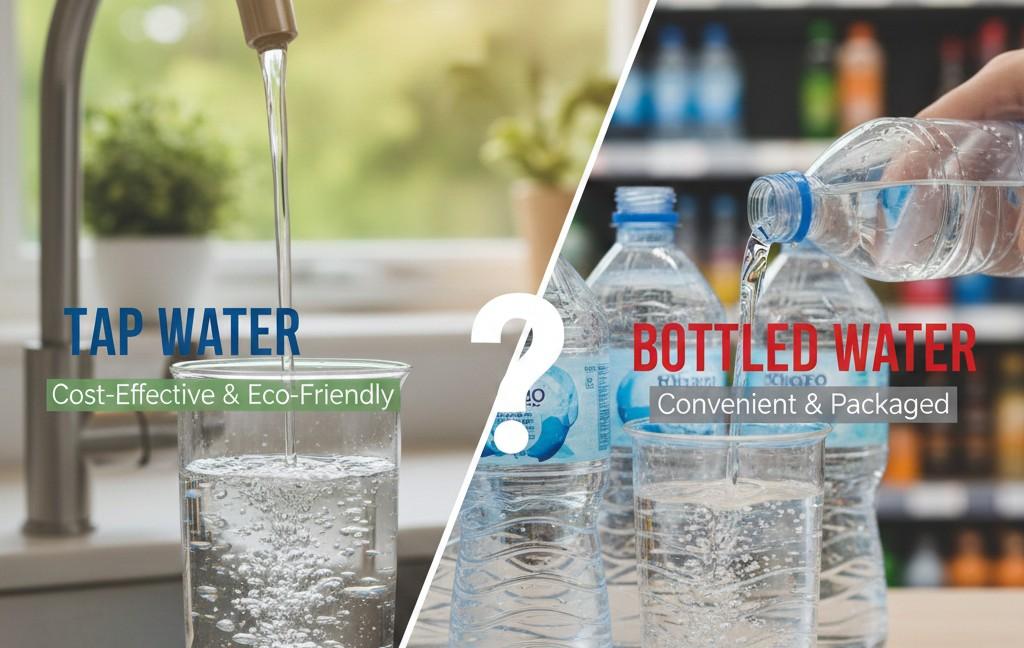
Water is one of the simplest yet most essential parts of our daily lives. We drink it when we wake up, sip it throughout the day, cook with it, bathe in it, and often take its availability for granted. But when it comes to drinking water, a surprisingly common question keeps popping up: Is tap water better, or should we rely on bottled water?
For some people, grabbing a bottle of water feels safer and more convenient. For others, filling a glass straight from the tap seems practical and environmentally responsible. Behind this everyday choice lies a complex discussion involving health, safety, cost, taste, convenience, and environmental impact.
This guide takes a deep dive into tap water vs bottled water, breaking down the facts, myths, and real-world considerations so you can make an informed choice for yourself and your family.
Understanding Tap Water
Tap water is water supplied directly to homes, offices, and public places through a municipal water system. It usually comes from natural sources such as rivers, lakes, reservoirs, or underground aquifers and is treated before being distributed.
How Tap Water Is Treated
Before tap water reaches your home, it goes through multiple treatment stages, including:
- Coagulation and flocculation, where particles clump together
- Sedimentation, allowing heavy particles to settle
- Filtration, removing remaining debris
- Disinfection, often using chlorine or chloramine to kill harmful microorganisms
In many countries, tap water is monitored regularly and must meet strict safety standards set by government agencies.
Common Perception of Tap Water
Despite these regulations, tap water often suffers from a trust issue. Concerns about aging pipes, contaminants, unpleasant taste, or odor lead many people to believe that tap water is unsafe, even when it meets official quality standards.
Understanding Bottled Water
Bottled water is water packaged in plastic or glass bottles and sold commercially. It may come from springs, wells, or municipal sources, depending on the brand.
Types of Bottled Water
Not all bottled water is the same. Common types include:
- Spring water – collected from natural springs
- Mineral water – contains naturally occurring minerals
- Purified water – treated through processes like reverse osmosis or distillation
- Alkaline water – treated to raise pH levels
- Flavored or enhanced water – includes added minerals or flavors
Why People Prefer Bottled Water
Many consumers choose bottled water because it is:
- Convenient for travel
- Perceived as cleaner or safer
- Better tasting
- Heavily marketed as “pure” or “natural”
However, these perceptions don’t always align with reality.
Health and Safety Comparison
Is Tap Water Safe to Drink?
In most developed regions, tap water is safe for daily consumption. Regulatory agencies routinely test for contaminants such as bacteria, heavy metals, and chemicals. When problems arise, public notices are issued.
That said, safety can vary depending on:
- The condition of local plumbing
- Old lead pipes in buildings
- Agricultural or industrial pollution nearby
Using a certified home water filter can significantly reduce most concerns.
Is Bottled Water Safer?
Many people assume bottled water is inherently safer, but this isn’t always true.
- Bottled water is regulated as a food product, often with less frequent testing than tap water
- Some bottled water brands simply repackage treated tap water
- Plastic bottles can leach chemicals if stored improperly
Safety depends more on the source and handling than whether the water is bottled or from the tap.
Taste and Smell Differences
Taste is one of the biggest reasons people choose bottled water.
Why Tap Water May Taste Different
Tap water can have a noticeable taste due to:
- Chlorine or disinfectants
- Minerals such as calcium or magnesium
- Local water source characteristics
These tastes are generally harmless but can be unpleasant for some.
Bottled Water Taste
Bottled water often tastes more “neutral” because:
- It is filtered more extensively
- Mineral levels are adjusted
- It lacks chlorine
However, taste is subjective. Some people actually prefer the mineral-rich taste of tap water.
Cost Comparison: Tap Water vs Bottled Water
The True Cost of Bottled Water
Bottled water is significantly more expensive than tap water.
- A liter of bottled water can cost hundreds of times more than tap water
- Regular consumption can add up to thousands per year for families
- Marketing and packaging contribute heavily to the price
Tap Water Affordability
Tap water is one of the cheapest and most accessible resources available.
- Monthly water bills are relatively low
- Cost per liter is almost negligible
- Filters and pitchers are one-time or occasional expenses
From a financial standpoint, tap water is the clear winner.
Environmental Impact
Environmental Cost of Bottled Water
The environmental footprint of bottled water is significant:
- Plastic bottle production consumes fossil fuels
- Millions of bottles end up in landfills or oceans
- Recycling rates remain low in many regions
- Transportation increases carbon emissions
Even when recycled, plastic bottles require energy to process.
Environmental Benefits of Tap Water
Tap water is far more eco-friendly:
- No plastic waste
- No transportation emissions
- Lower energy consumption
- Sustainable infrastructure in many cities
Choosing tap water is one of the easiest ways to reduce plastic pollution.
Convenience and Lifestyle Factors
Bottled Water Convenience
Bottled water is undeniably convenient:
- Easy to carry
- No need for preparation
- Readily available in stores
This makes it appealing for travel, emergencies, or outdoor activities.
Tap Water Convenience
With modern accessories, tap water can be just as convenient:
- Reusable bottles
- Home filtration systems
- Public water refill stations
Over time, tap water integrates more seamlessly into daily routines.
Regulation and Quality Control
Tap Water Regulations
Tap water is subject to:
- Continuous monitoring
- Public reporting of test results
- Legal limits on contaminants
Violations often result in immediate corrective actions.
Bottled Water Regulations
Bottled water regulations vary:
- Inspections are less frequent
- Quality reports are not always public
- Standards differ by country
In some cases, tap water is actually more strictly regulated.
The Role of Water Filters
Water filters bridge the gap between tap and bottled water.
Benefits of Filtering Tap Water
- Improves taste and odor
- Removes chlorine, heavy metals, and sediments
- Provides bottled-water-like quality at home
- Reduces reliance on plastic bottles
Popular options include pitcher filters, faucet filters, and under-sink systems.
Myths About Tap and Bottled Water
Myth 1: Bottled water is always cleaner
Not necessarily. Some bottled water is simply filtered tap water.
Myth 2: Tap water is unsafe everywhere
In most places, tap water meets safety standards.
Myth 3: Bottled water contains more minerals
Mineral content varies widely in both tap and bottled water.
Myth 4: Plastic bottles are harmless
Plastic can leach chemicals, especially when exposed to heat.
Special Situations to Consider
When Bottled Water Makes Sense
- During natural disasters or water supply disruptions
- While traveling in areas with unsafe tap water
- In medical or emergency settings
When Tap Water Is the Better Choice
- Everyday hydration at home or work
- Cooking and food preparation
- Long-term health and sustainability
Which Is Better for Long-Term Health?
From a health perspective, both tap and bottled water can provide proper hydration if they are safe and clean. However:
- Tap water often contains fluoride, which supports dental health
- Bottled water may lack beneficial minerals
- Filtered tap water offers the best balance
Long-term health benefits depend more on water quality than packaging.
Making the Right Choice for You
Choosing between tap water and bottled water isn’t just about taste or habit. It involves considering:
- Your local water quality
- Your budget
- Environmental responsibility
- Lifestyle needs
For many people, filtered tap water offers the best combination of safety, affordability, and sustainability.
Final Verdict: Tap Water vs Bottled Water
So, which is better?
- Tap water wins in cost, environmental impact, and regulation
- Bottled water offers convenience and perceived purity
- Filtered tap water combines the best of both worlds
In most everyday situations, tap water—especially when filtered—is the smarter, more responsible choice. Bottled water still has its place, but it doesn’t need to be a daily habit.
At the end of the day, staying hydrated matters more than the container your water comes in. Making informed choices can benefit your health, your wallet, and the planet.
FAQ’s
Is tap water safe to drink every day?
In most regions, tap water is safe for daily consumption and is regularly tested to meet safety standards. If you are concerned about taste or local water quality, using a certified water filter can further improve safety and flavor.
Is bottled water healthier than tap water?
Bottled water is not necessarily healthier than tap water. In many cases, bottled water comes from the same sources as tap water and may undergo similar treatment processes. Health benefits depend more on water quality than on whether it is bottled or from the tap.
Why does tap water sometimes taste bad?
Tap water may have a chlorine taste or mineral flavor due to the treatment process and natural mineral content. These tastes are usually harmless and can be reduced with simple filtration.
Can bottled water contain harmful chemicals?
Yes, bottled water stored in plastic containers may be exposed to chemicals that can leach into the water, especially when bottles are exposed to heat or stored for long periods.
Is filtered tap water better than bottled water?
Filtered tap water is often considered the best option because it improves taste and removes common contaminants while being more affordable and environmentally friendly than bottled water.
Why is bottled water more expensive than tap water?
Bottled water costs more due to packaging, transportation, marketing, and storage expenses. The water itself is often inexpensive, but the added costs significantly increase the final price.
Which is better for the environment: tap water or bottled water?
Tap water is far better for the environment because it produces no plastic waste and requires less energy for treatment and distribution compared to bottled water.
When should bottled water be used instead of tap water?
Bottled water is useful during emergencies, natural disasters, or while traveling in areas where tap water is unsafe. For everyday use, tap water is generally the better choice.
Also Read: