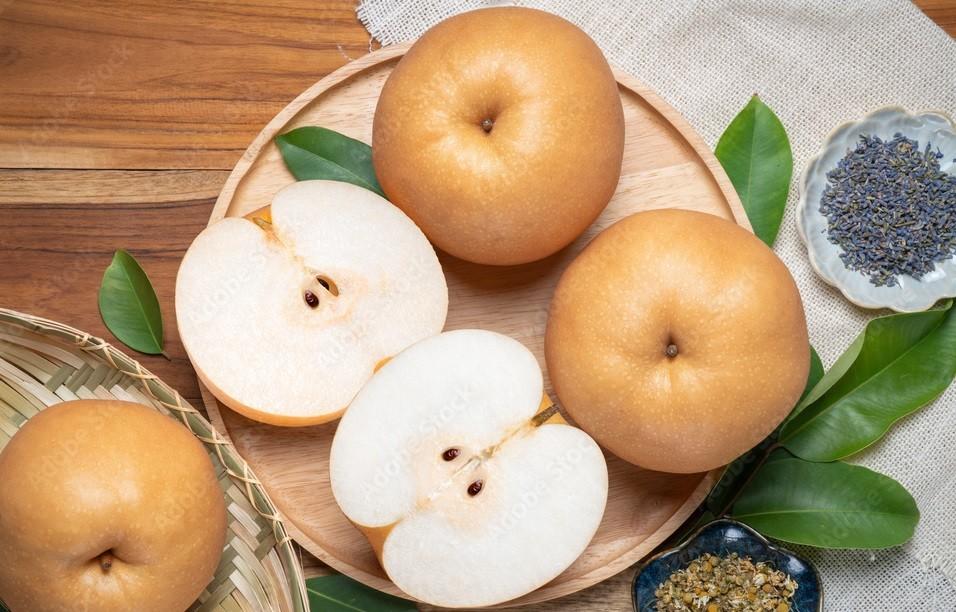
Asian pears are one of those fruits that feel instantly refreshing from the very first bite. Crisp like an apple, juicy like a pear, and mildly sweet without being overpowering, they sit perfectly between indulgence and nutrition. Often enjoyed fresh, Asian pears have also been valued in traditional medicine and culinary practices for centuries.
If you have ever wondered whether Asian pears are good for digestion, hydration, immunity, or overall health, this guide will walk you through everything you need to know—from nutrition facts and science-backed health benefits to side effects, storage tips, and precautions.
What Are Asian Pears?
Asian pears, also known as Nashi pears, apple pears, sand pears, or Chinese pears, are a group of pear varieties native to East Asia, particularly China, Korea, and Japan. Unlike European pears, which are soft and buttery when ripe, Asian pears remain crisp and crunchy even at full maturity.
They usually have:
- A round, apple-like shape
- Light yellow to golden-brown skin
- White, juicy flesh
- A mildly sweet and refreshing flavor
Asian pears are traditionally eaten raw and are widely used in Asian cuisine, desserts, salads, and even marinades for meat due to their natural tenderizing enzymes.
Nutrition Facts of Asian Pears (Per 100 g)
| Nutrient | Amount |
|---|---|
| Calories | 42 kcal |
| Water | 88 g |
| Carbohydrates | 10.7 g |
| Natural Sugars | 7 g |
| Dietary Fiber | 3.6 g |
| Protein | 0.5 g |
| Fat | 0.2 g |
| Vitamin C | 3.8 mg |
| Vitamin K | 4.5 µg |
| Potassium | 121 mg |
| Calcium | 8 mg |
| Magnesium | 7 mg |
| Iron | 0.2 mg |
| Antioxidants | Present |
Asian pears are low in calories, high in water content, and provide a decent amount of fiber and antioxidants, making them a great everyday fruit.
20 Proven Health Benefits of Asian Pears
1. Supports Digestive Health
Asian pear are rich in dietary fiber, which helps regulate bowel movements, prevent constipation, and support a healthy gut. The fiber also feeds beneficial gut bacteria.
2. Keeps the Body Hydrated
With nearly 88 percent water content, Asian pears help keep your body hydrated, especially during hot weather or after physical activity.
3. Boosts Immunity
Vitamin C in Asian pear supports immune function by enhancing white blood cell production and helping the body fight infections.
4. Aids Weight Management
Low in calories but high in volume and fiber, Asian pears help you feel full longer, reducing unnecessary snacking.
5. Improves Heart Health
The potassium and fiber content helps regulate blood pressure and reduce bad cholesterol levels, supporting cardiovascular health.
6. Helps Control Blood Sugar Levels
Asian pears have a low glycemic load when eaten in moderation, making them suitable for people managing blood sugar levels.
7. Supports Liver Health
In traditional medicine, Asian pear are believed to support liver detoxification and help flush toxins from the body.
8. Reduces Inflammation
The antioxidants in Asian pear help fight oxidative stress and reduce low-grade inflammation in the body.
9. Improves Skin Health
Vitamin C supports collagen production, while hydration keeps the skin plump and radiant.
10. Relieves Dry Cough and Sore Throat
Asian pears are traditionally used as a natural remedy for coughs, throat irritation, and dryness, especially in Chinese medicine.
11. Supports Respiratory Health
The cooling nature of Asian pear may help soothe lung irritation and reduce excess heat in the body.
12. Promotes Healthy Digestion During Pregnancy
The gentle fiber content can help prevent constipation during pregnancy when consumed in moderate amounts.
13. Improves Eye Health
Antioxidants help protect eye cells from oxidative damage and support overall vision health.
14. Supports Bone Health
Calcium, magnesium, and vitamin K work together to support bone density and strength.
15. Aids Detoxification
High water content supports kidney function and helps flush waste products through urine.
16. Improves Energy Levels
Natural sugars provide a gentle energy boost without sudden spikes or crashes.
17. Helps Reduce Bad Breath
The high water and fiber content stimulate saliva production, helping cleanse the mouth naturally.
18. Supports Healthy Aging
Antioxidants help protect cells from premature aging and oxidative damage.
19. Gentle on the Stomach
Asian pears are easy to digest and suitable for people with sensitive digestive systems.
20. Supports Overall Wellness
Their balance of hydration, fiber, and nutrients makes Asian pear a wholesome addition to a balanced diet.
10 Side Effects of Asian Pears
1. Digestive Discomfort When Overeaten
Excessive consumption may cause bloating, gas, or loose stools due to high fiber content.
2. Blood Sugar Fluctuations
While generally safe, eating too many Asian pear at once may raise blood sugar levels, especially in diabetics.
3. Cold Sensitivity
In traditional medicine, Asian pears are considered cooling, which may aggravate cold-related symptoms in some individuals.
4. Allergic Reactions
Rarely, some people may experience itching, swelling, or oral allergy symptoms after eating Asian pears.
5. Tooth Sensitivity
Natural sugars and mild acidity can affect dental health if oral hygiene is poor.
6. Interaction With Digestive Weakness
People with weak digestion may experience discomfort when consuming Asian pear raw.
7. May Cause Diarrhea in Excess
High water and fiber content can loosen stools if eaten excessively.
8. Not Ideal During Severe Cold or Flu
The cooling nature may worsen symptoms like chills or congestion in some people.
9. Can Interfere With Certain Medications
Large amounts of fiber may affect medication absorption if eaten simultaneously.
10. Overconsumption May Lead to Nutrient Imbalance
Relying heavily on one fruit may crowd out other essential nutrients from a balanced diet.
How to Eat Asian Pears?
Asian pear are incredibly versatile and easy to enjoy:
- Eat them raw as a snack
- Add to fruit salads
- Slice into green salads
- Blend into smoothies
- Use as a natural sweetener in desserts
- Add grated pear to meat marinades
Tips for Consuming Asian Pears
- Wash thoroughly before eating
- Eat with the skin for maximum fiber
- Pair with protein or nuts for better blood sugar control
- Avoid eating late at night if digestion is weak
- Consume fresh rather than processed
Other Uses of Asian Pears
- Natural cough remedy in traditional medicine
- Meat tenderizer in marinades
- Ingredient in jams and preserves
- Used in skincare masks for hydration
- Cooling food in summer diets
How Much Asian Pears Can You Eat in a Day?
For most people:
- 1 medium Asian pear per day is ideal
- Up to 2 small pears may be safe for active individuals
Moderation is key, especially for people with digestive or blood sugar concerns.
Best Time to Eat Asian Pears
- Morning or mid-day is ideal
- Best eaten between meals
- Avoid eating late at night or on an empty stomach if digestion is sensitive
Who Should Eat Asian Pears?
Asian pears are especially beneficial for:
- People with constipation
- Individuals seeking hydration
- Those aiming for weight management
- People with dry cough or throat irritation
- Those following a heart-healthy diet
Who Should Not Eat Asian Pears?
People who should limit or avoid Asian pear include:
- Individuals with severe digestive issues
- People with pear allergies
- Those experiencing cold or flu with chills
- People advised to restrict fiber intake
How to Store Asian Pears?
- Store at room temperature if unripe
- Refrigerate ripe pears to extend freshness
- Keep in a breathable bag or drawer
- Avoid washing before storage
- Consume within 1–2 weeks when refrigerated
Precautions and Interactions
- Eat in moderation
- Avoid combining with very cold foods if digestion is weak
- Keep a gap between medication and fruit intake
- Consult a doctor if pregnant, diabetic, or managing chronic conditions
- Stop consumption if allergic symptoms appear
Final Thoughts
Asian pear are a refreshing, nourishing fruit that fits beautifully into a balanced lifestyle. Their hydrating nature, gentle sweetness, and impressive nutritional profile make them suitable for people of all ages when eaten mindfully. Like all good things in nutrition, the secret lies in moderation, variety, and listening to your body.
FAQ’s
What does an Asian pear taste like?
Asian pear are crisp and juicy, with a mildly sweet, refreshing flavor, often compared to a blend of apple and pear.
Can you eat Asian pears raw?
Yes, Asian pear are typically eaten raw and are especially enjoyed fresh for their crunch and juiciness.
Are Asian pears good for digestion?
Yes, their high fiber content helps regulate bowel movements and promotes healthy digestion.
Can children eat Asian pears?
Absolutely, they are safe and nutritious for children when eaten in moderation.
Are Asian pears good for diabetics?
Asian pear have a low glycemic load, but diabetics should monitor portion sizes to avoid blood sugar spikes.
Can pregnant women eat Asian pears?
Yes, Asian pear are generally safe during pregnancy and can help with hydration and digestion.
Can Asian pears be used in cooking?
Yes, they can be used in salads, desserts, smoothies, marinades, and jams.
What is Asian Pears good for?
Asian pear are excellent for digestion, hydration, weight management, heart health, and boosting immunity. They are also used to soothe coughs and support overall wellness.
Is Asian Pears safe to consume every day?
Yes, eating one medium Asian pear daily is generally safe for most people. However, moderation is key, as overconsumption may cause digestive discomfort or affect blood sugar levels.
What is Asian Pears commonly used for?
Asian pear are commonly eaten raw, added to salads, blended into smoothies, used in desserts, or incorporated into meat marinades for their natural tenderizing properties.
What is Asian pear called in India?
In India, Asian pears are often referred to as Nashi pears or simply apple pears due to their apple-like appearance.
Why are Asian pears so expensive?
Asian pear tend to be pricier because they are cultivated in smaller quantities, have a delicate harvest process, and require careful storage and transportation to maintain their crispness and freshness.
Which is healthier, apple or Asian pear?
Both are nutritious, but Asian pear have slightly higher water content and fiber, making them excellent for hydration and digestion. Apples provide more vitamin C and some phytonutrients, so both fruits can complement a healthy diet.
Also Read: