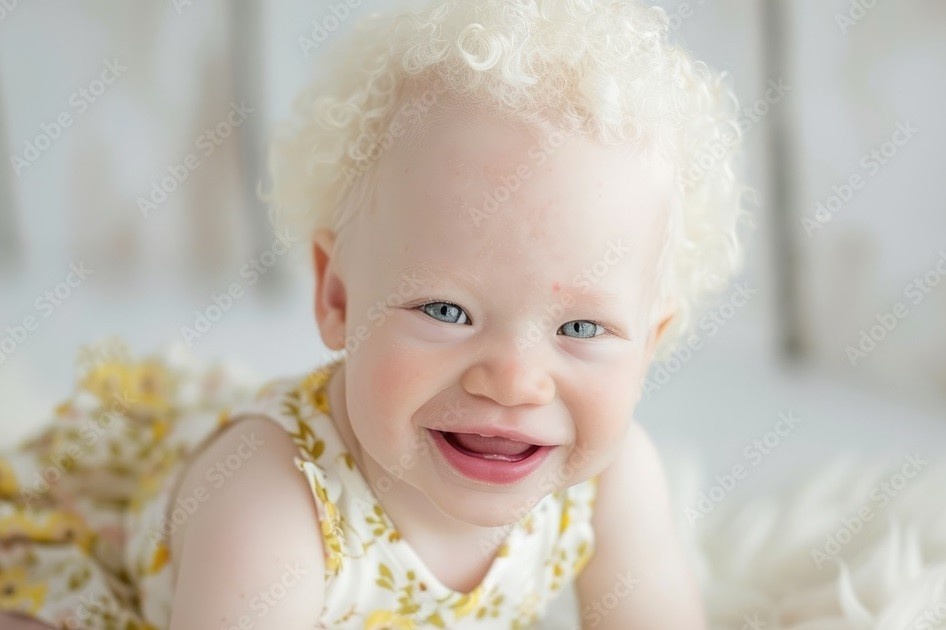
Albinism is often misunderstood. For many people, the word immediately brings to mind very light skin or white hair, but albinism is much more than a difference in appearance. It is a genetic condition that affects pigmentation, vision, and sometimes social experiences in profound ways. Despite being a lifelong condition, people with albinism can lead full, healthy, and meaningful lives when they receive proper medical care, social support, and understanding from society.
This guide explores albinism in depth—what it is, what causes it, its types, symptoms, challenges, myths, and how people with albinism navigate daily life. The goal is not just to explain the science, but also to build awareness, empathy, and acceptance.
What Is Albinism?
Albinism is a genetic condition characterized by little or no production of melanin, the pigment responsible for coloring the skin, hair, and eyes. Melanin also plays a critical role in the development of the optic nerves, which means albinism almost always affects vision to some degree.
People with albinism are born with the condition. It is not contagious, not caused by lifestyle, and not a disease that develops later in life. Albinism occurs in people of all ethnic backgrounds and can affect individuals differently, even within the same family.
The Role of Melanin in the Body
To understand albinism, it helps to understand melanin. Melanin is produced by specialized cells called melanocytes and serves several important functions:
- It gives color to skin, hair, and eyes
- It helps protect the skin from ultraviolet (UV) radiation
- It plays a key role in normal eye and vision development
In people with albinism, the body either produces very little melanin or cannot distribute it properly. As a result, pigmentation is lighter than average, and visual development is affected.
What Causes Albinism?
Albinism is caused by genetic changes that affect the body’s ability to produce or distribute melanin, the pigment responsible for skin, hair, and eye color. These genetic changes are present from birth and are inherited from one or both parents.
1. Genetic Mutations
Albinism occurs due to mutations in specific genes involved in melanin production. These genes control enzymes and proteins needed to make melanin or move it within cells. When these genes do not function properly, melanin production is reduced or absent.
2. Inherited Condition
Most types of albinism are inherited in an autosomal recessive pattern, meaning:
- Both parents carry a faulty gene
- Parents may have normal pigmentation
- A child develops albinism only when both mutated genes are inherited
In some rare cases, albinism follows an X-linked inheritance pattern, which mainly affects males.
3. Types of Genetic Causes
Different genes cause different forms of albinism:
- Some genes stop melanin production completely
- Others allow limited melanin production
- Some affect eye development more than skin pigmentation
This is why the appearance and symptoms of albinism vary among individuals.
4. Not Caused by Lifestyle or Environment
Albinism is not caused by:
- Diet or nutritional deficiencies
- Infections
- Exposure to sunlight
- Pregnancy habits
- Cultural or spiritual factors
A child is born with albinism due to genetics alone.
5. Family History and Chance
Albinism can appear in families with no previous history of the condition. This happens when both parents unknowingly carry the gene mutation. In such cases, albinism may seem to appear unexpectedly.
Symptoms of Albinism
Albinism symptoms vary from person to person, but they mainly affect skin, hair, and eyes. Vision-related symptoms are usually the most significant and lifelong. The severity of symptoms depends on the type of albinism and the amount of melanin the body produces.
1. Skin Symptoms
- Very light or pale skin compared to family members
- Skin that does not tan easily and burns quickly in the sun
- Increased sensitivity to sunlight
- Higher risk of sunburn, freckles, and skin damage
- Increased risk of skin cancer over time without proper protection
2. Hair Symptoms
- White, silver, very light blonde, or light brown hair
- Hair color may darken slightly with age in some types of albinism
- Eyebrows and eyelashes may also be very light
3. Eye and Vision Symptoms
Eye-related symptoms are present in almost all individuals with albinism and often affect daily activities.
- Reduced visual acuity that cannot be fully corrected with glasses
- Involuntary eye movements (nystagmus)
- Crossed eyes or misaligned eyes (strabismus)
- Sensitivity to bright light (photophobia)
- Poor depth perception
- Light-colored or translucent irises
- Difficulty tracking moving objects
4. Facial and Eye Appearance Changes
- Eyes may appear to move rapidly from side to side
- Eyes may appear red or pink in certain lighting due to light reflection
- Head tilting or turning to improve focus
5. Symptoms in Children and Infants
- Noticeably light skin and hair at birth
- Difficulty focusing on objects
- Abnormal eye movements within the first few months
- Sensitivity to light
Early diagnosis helps manage vision and skin protection effectively.
6. Symptoms of Syndromic Albinism (Rare)
In rare forms of albinism, additional symptoms may be present, such as:
- Easy bruising or prolonged bleeding
- Frequent infections
- Lung or bowel issues
- Developmental delays
These symptoms require specialized medical care.
Types of Albinism
Albinism is not a single condition. There are several types, each with distinct genetic causes and characteristics.
1. Oculocutaneous Albinism (OCA)
Oculocutaneous albinism is the most common type and affects the skin, hair, and eyes.
There are several subtypes of OCA, including:
- OCA1: Caused by little or no melanin production throughout life
- OCA2: Allows some melanin production over time
- OCA3: Often seen in people with darker skin tones
- OCA4: Similar to OCA2 but caused by different gene mutations
The degree of pigmentation and vision impairment varies depending on the subtype.
2. Ocular Albinism (OA)
Ocular albinism primarily affects the eyes, with minimal or no changes to skin and hair color. It is often inherited in an X-linked pattern and is more common in males.
People with ocular albinism may not appear visibly different but still experience significant visual challenges.
3. Syndromic Albinism
Some rare forms of albinism are associated with other medical conditions. These include:
- Hermansky–Pudlak Syndrome: Albinism combined with bleeding disorders and lung or bowel issues
- Chediak–Higashi Syndrome: Albinism with immune system problems
These forms require specialized medical care beyond pigmentation and vision management.
Physical Characteristics of Albinism
The physical traits of albinism can vary widely.
Skin
- Very light or pale skin compared to family members
- Increased sensitivity to sunlight
- Higher risk of sunburn and skin damage
Hair
- White, silver, blonde, or very light brown hair
- Hair color may darken slightly with age in some types
Eyes
Eye-related features are present in almost all forms of albinism and may include:
- Light-colored eyes (blue, gray, hazel, or light brown)
- Translucent irises, making eyes appear red in certain lighting
- Sensitivity to bright light
Vision Problems Associated With Albinism
Vision issues are a core feature of albinism and often have a greater impact on daily life than skin or hair color.
Common visual challenges include:
- Reduced visual acuity that cannot be fully corrected with glasses
- Nystagmus, or involuntary eye movements
- Strabismus, where the eyes do not align properly
- Poor depth perception
- Photophobia, or sensitivity to light
These issues occur because melanin is essential for proper development of the retina and optic nerves before birth.
Diagnosing Albinism
Albinism is usually diagnosed through a combination of:
- Physical examination
- Eye exams by an ophthalmologist
- Family history analysis
- Genetic testing, when available
In infants, albinism may be suspected when parents notice unusually light coloring or abnormal eye movements. Early diagnosis is important for vision support and sun protection.
Management and Treatment for Albinism
Albinism has no permanent cure because it is a genetic condition present from birth. Treatment focuses on managing symptoms, preventing complications, and improving quality of life. With proper care and support, people with albinism can live healthy and active lives.
1. Vision Care and Management
Vision problems are one of the most common challenges in albinism. Regular eye care is essential and may include:
- Prescription glasses or contact lenses to improve visual clarity
- Low-vision aids such as magnifiers, telescopic lenses, or screen readers
- Large-print books and digital learning tools
- Regular eye examinations with an ophthalmologist to monitor eye health
While glasses may not fully correct vision, they significantly help with daily activities like reading and studying.
2. Skin Protection and Dermatological Care
Because people with albinism have little or no melanin, their skin is more sensitive to sunlight. Preventive skin care is a crucial part of treatment.
- Daily use of broad-spectrum sunscreen with a high SPF
- Wearing long-sleeved clothing, wide-brimmed hats, and sunglasses
- Avoiding direct sun exposure during peak hours
- Regular skin checkups to detect early signs of sun damage or skin cancer
Consistent sun protection greatly reduces long-term skin risks.
3. Treatment for Eye Alignment and Nystagmus
Some people with albinism experience strabismus (crossed eyes) or nystagmus (involuntary eye movements).
- Eye exercises or visual therapy may help improve coordination
- In certain cases, surgery may be recommended to correct eye alignment
- Surgery may also improve head posture and eye appearance, though it does not fully restore vision
Treatment decisions depend on individual symptoms and eye health.
4. Educational and Assistive Support
Children and adults with albinism benefit from educational accommodations that support their vision needs.
- Front-row seating in classrooms
- Extended time for exams
- Use of assistive technology such as tablets, audio tools, or screen magnifiers
- Individualized education plans where needed
These supports help ensure equal learning opportunities.
5. Emotional and Psychological Support
Living with albinism can sometimes affect emotional well-being due to social stigma or misunderstanding.
- Counseling or therapy can help build self-confidence
- Support groups provide a sense of community and shared experience
- Family education helps create a positive and supportive environment
Mental health care is an important part of overall treatment.
6. Genetic Counseling
For families affected by albinism, genetic counseling can be helpful.
- Explains how albinism is inherited
- Helps families understand future pregnancy risks
- Provides emotional support and informed decision-making
This is especially useful for parents planning more children.
7. Regular Medical Follow-Up
Ongoing medical care helps prevent complications and improves long-term outcomes.
- Routine eye and skin checkups
- Monitoring for associated conditions in rare syndromic forms of albinism
- Early intervention when new symptoms appear
Living With Albinism: Daily Challenges
1. Sun Sensitivity
Due to low melanin levels, people with albinism are more vulnerable to UV radiation. Without proper protection, they face a higher risk of:
- Sunburn
- Premature skin aging
- Skin cancer
Daily sun protection is not optional; it is essential.
2. Vision-Related Limitations
Reading, driving, recognizing faces, and participating in sports may be more difficult. Many people with albinism use:
- Prescription glasses or contact lenses
- Magnifying devices
- Large-print materials
- Assistive technology
With proper tools and accommodations, most visual tasks become manageable.
3. Social and Emotional Challenges
Unfortunately, lack of awareness leads to stigma, teasing, and discrimination in many parts of the world. Children with albinism may face bullying at school, while adults may encounter misconceptions in the workplace.
Common emotional challenges include:
- Low self-esteem
- Social anxiety
- Feeling isolated or misunderstood
Supportive families, inclusive schools, and public education play a crucial role in improving quality of life.
Complications of Albinism
Albinism itself is not life-threatening, but the lack of melanin can lead to several medical, visual, and social complications if not properly managed. Early care and ongoing support help reduce most risks.
1. Vision-Related Complications
Vision problems are the most common complications of albinism and may include:
- Permanently reduced visual acuity
- Difficulty reading, driving, or recognizing faces
- Poor depth perception
- Eye strain and headaches
- Challenges in academic and work environments
These issues are usually lifelong but can be managed with vision aids and accommodations.
2. Skin Damage and Skin Cancer
Low melanin levels reduce natural protection against ultraviolet (UV) rays.
- Frequent sunburns
- Premature skin aging
- Increased risk of actinic damage
- Higher likelihood of developing skin cancer without proper sun protection
Regular sunscreen use and dermatological checkups are essential to prevent serious complications.
3. Eye Strain and Fatigue
- Sensitivity to bright light can cause discomfort
- Prolonged screen use or reading may lead to eye fatigue
- Headaches can occur due to constant visual effort
Protective eyewear and rest breaks help manage these issues.
4. Social and Psychological Complications
Social challenges are common due to lack of awareness and stigma.
- Low self-esteem
- Anxiety or depression
- Social isolation or bullying, especially in childhood
- Workplace discrimination in some settings
Emotional support and awareness play a major role in reducing these effects.
5. Complications in Syndromic Albinism (Rare)
Certain rare types of albinism may involve additional complications such as:
- Bleeding disorders
- Weak immune system
- Lung or bowel problems
These require specialized medical management.
Prognosis of Albinism
The overall prognosis for albinism is good, especially with early diagnosis and proper care. Albinism does not affect intelligence or lifespan in most cases.
Life Expectancy
- People with albinism generally have a normal life expectancy
- Risks mainly arise from preventable complications like skin cancer
Quality of Life
With proper management, individuals with albinism can:
- Attend school and higher education
- Work in a wide range of professions
- Live independently and socially active lives
Long-Term Outlook
- Vision problems are permanent but stable
- Skin complications are largely preventable with sun protection
- Emotional well-being improves significantly with acceptance and support
Importance of Early Care
Early eye exams, consistent sun protection, and social inclusion greatly improve long-term outcomes.
Myths and Misconceptions About Albinism
Despite medical knowledge, many myths still surround albinism.
Myth 1: Albinism is contagious
Albinism cannot be spread from person to person.
Myth 2: People with albinism are blind
Most people with albinism have reduced vision, not complete blindness.
Myth 3: Albinism is a curse or punishment
Albinism is a genetic condition with a scientific explanation.
Myth 4: People with albinism do not live long
With proper healthcare and sun protection, life expectancy is normal.
Dispelling these myths is essential to creating a safer and more inclusive society.
Education and Albinism
Children with albinism often thrive academically when their visual needs are recognized early.
Helpful classroom accommodations include:
- Seating near the front
- Large-print textbooks
- Digital learning tools
- Extra time for reading and exams
Teachers who understand albinism can make a significant difference in a child’s confidence and performance.
Employment and Adult Life
Adults with albinism work in a wide range of professions, including education, technology, arts, healthcare, and business. Success depends not on pigmentation, but on access to:
- Vision aids
- Workplace accommodations
- Inclusive policies
With awareness and reasonable adjustments, albinism does not limit professional potential.
Albinism and Mental Health
Mental health is an often-overlooked aspect of albinism. Constant attention, questions, or discrimination can take an emotional toll.
Building resilience involves:
- Strong family support
- Positive representation in media
- Access to mental health services
Open conversations about identity and self-worth are especially important for children and teenagers.
Albinism Around the World
While albinism exists globally, experiences differ dramatically depending on location.
In some regions, particularly parts of Africa, people with albinism face severe discrimination, violence, and lack of access to healthcare. Advocacy groups work tirelessly to promote safety, education, and human rights.
Global awareness efforts are essential to protect and empower individuals with albinism everywhere.
Famous People With Albinism
Many individuals with albinism have made significant contributions in various fields, proving that the condition does not define ability or ambition.
Their visibility helps challenge stereotypes and inspire others to embrace their uniqueness.
Supporting Someone With Albinism
If you know someone with albinism, support can be as simple as:
- Using respectful language
- Avoiding intrusive questions
- Offering accommodations when needed
- Standing up against discrimination
Inclusion starts with everyday actions.
Parenting a Child With Albinism
For parents, learning that a child has albinism can be overwhelming at first. With time and information, most families adapt confidently.
Key steps include:
- Early eye exams
- Consistent sun protection routines
- Advocating at school
- Encouraging self-confidence
Children with albinism benefit greatly from parents who focus on abilities rather than limitations.
The Importance of Awareness and Acceptance
Albinism is not just a medical condition; it is also a social issue shaped by how society responds to difference. Education, representation, and empathy can transform lives.
When people understand albinism, fear and prejudice fade. What remains is a clearer view of individuals as they truly are—people with talents, dreams, challenges, and strengths like anyone else.
Final Thought
Albinism is a lifelong genetic condition that affects pigmentation and vision, but it does not define a person’s worth or potential. With proper medical care, supportive environments, and increased awareness, people with albinism can live healthy, successful, and fulfilling lives.
Understanding albinism goes beyond recognizing lighter skin or hair. It means acknowledging the challenges, respecting the experiences, and actively working toward a more inclusive world—one where difference is not feared, but accepted.
FAQ’s
Is albinism contagious?
No, albinism is not contagious. It cannot be spread through contact, food, air, or any form of interaction. It is purely a genetic condition.
Are people with albinism completely blind?
Most people with albinism are not completely blind, but they do have varying degrees of vision impairment. Glasses, low-vision aids, and proper eye care can significantly improve daily functioning.
Can albinism be cured?
There is no cure for albinism because it is a genetic condition. However, medical care, vision support, and sun protection help manage its effects effectively.
Does albinism affect life expectancy?
Albinism does not directly reduce life expectancy. With proper skin protection and regular medical care, people with albinism can live normal, healthy lives.
Is albinism only found in certain races or regions?
No, albinism occurs in people of all ethnic backgrounds and in every part of the world. It is not limited to any specific race or country.
Can people with albinism go to school and work normally?
Yes, people with albinism can attend school, pursue higher education, and work in a wide range of professions. With visual aids and reasonable accommodations, they can perform most tasks effectively.
Why do people with albinism have vision problems?
Vision problems occur because melanin is essential for the proper development of the retina and optic nerves before birth. Reduced melanin affects how visual signals are processed by the brain.
How can skin be protected in people with albinism?
Skin protection includes daily use of broad-spectrum sunscreen, wearing protective clothing, avoiding prolonged sun exposure, and regular skin checkups to reduce the risk of sun damage.
Is albinism the same as vitiligo?
No, albinism and vitiligo are different conditions. Albinism is genetic and present at birth, while vitiligo is an autoimmune condition that causes loss of skin pigment later in life.
Can two parents without albinism have a child with albinism?
Yes, if both parents carry the gene mutation for albinism, they can have a child with the condition even if neither parent shows any symptoms.
Is albinism considered a disability?
In many countries, albinism is considered a visual disability due to reduced eyesight. This classification helps individuals access educational support, workplace accommodations, and disability benefits when needed.
Can one parent with albinism have a child with albinism?
Yes, it is possible, but it depends on the genetics of the other parent. If one parent has albinism and the other parent carries the albinism gene, there is a chance the child may have albinism. If the other parent does not carry the gene, the child will not have albinism but may become a carrier.
What limitations does a person with albinism have?
The main limitations are related to vision and sun sensitivity. People with albinism may have difficulty with distance vision, reading small text, depth perception, and bright light. These challenges can usually be managed with visual aids, sun protection, and reasonable accommodations.
Can albinos live a normal life?
Yes, people with albinism can live normal, healthy, and fulfilling lives. With proper eye care, sun protection, and social support, they can study, work, form relationships, and participate fully in society.
Can an albino have a normal child?
Yes, a person with albinism can have a child without albinism. If their partner does not carry the albinism gene, the child will not have the condition, though the child may carry the gene.
Do albinos see in the dark?
No, people with albinism do not have night vision. In fact, they often have difficulty seeing in low-light conditions due to visual impairment and reduced contrast sensitivity.
Also Read: