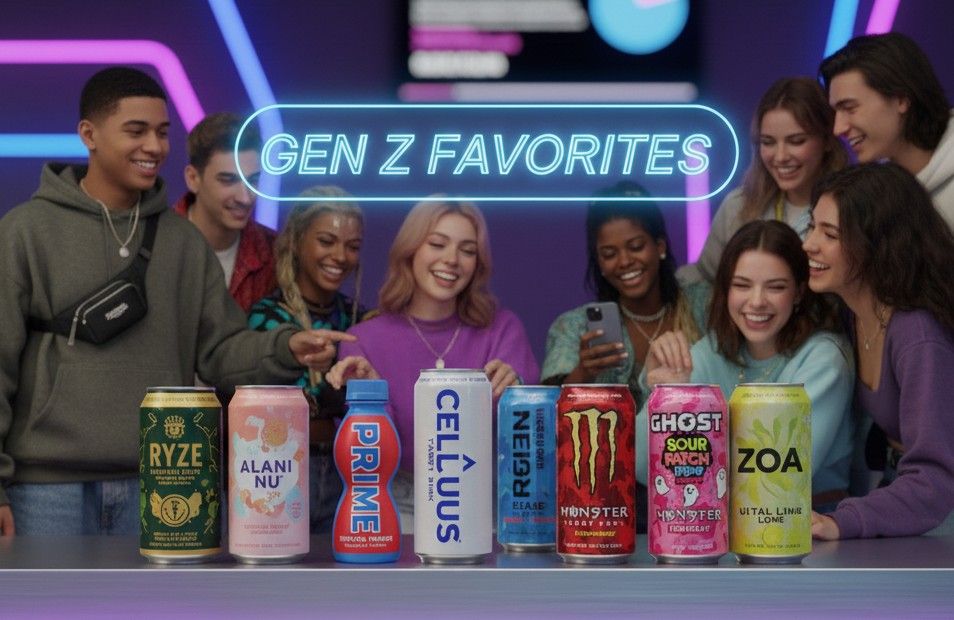
Energy drinks have become more than just a beverage; they’re a cultural phenomenon, especially among Generation Z. Born roughly between the mid-1990s and early 2010s, Gen Z has grown up in a world of social media, high-speed connectivity, and instant access to information. This generation is known for being health-conscious, trend-driven, and digitally savvy. The rise of energy drinks among Gen Z is not just about caffeine; it’s about lifestyle, identity, aesthetics, and the pursuit of performance—both mentally and physically. In this guide, we will explore the most popular energy drinks for Gen Z and why they have captured the attention of this generation.
Understanding Gen Z’s Preference for Energy Drinks
Before diving into specific brands, it’s important to understand why energy drinks appeal to Gen Z. Unlike previous generations who may have focused on coffee or soda, Gen Z is drawn to energy drinks for several reasons:
- Performance Boost: Gen Z faces constant demands from school, work, and social commitments. Energy drinks promise mental alertness, focus, and stamina, helping them balance multiple responsibilities.
- Flavor and Variety: Gen Z prefers beverages that are not just functional but also fun and flavorful. Energy drinks today come in a wide array of flavors—from tropical fruit blends to sour candy-inspired options.
- Aesthetic Appeal: The packaging of energy drinks plays a significant role in Gen Z trends. Sleek cans, vibrant colors, and bold branding make these drinks Instagram-worthy.
- Social Media Influence: Influencers, TikTok trends, and viral challenges have made certain energy drinks go viral almost overnight. This generation is highly influenced by what’s trending online.
- Health-Conscious Choices: Many Gen Z consumers are health-aware and prefer energy drinks with added vitamins, low sugar, or natural ingredients.
Most Popular Energy Drinks for Gen Z in 2026
1. Red Bull
Red Bull has long been a leader in the energy drink market. Its popularity among Gen Z continues for several reasons:
- Cultural Presence: Red Bull is synonymous with extreme sports, music festivals, and esports. These associations resonate strongly with Gen Z.
- Consistency: It offers reliable energy without overly sweet flavors, appealing to young adults who are trying energy drinks for focus rather than taste alone.
- Marketing Power: Red Bull’s sponsorship of events like the Red Bull Gaming Sphere and Red Bull Crashed Ice keeps it relevant among younger audiences.
Why Gen Z Likes It: Red Bull isn’t just an energy drink; it’s a lifestyle brand. Its association with adventure and ambition appeals to the aspirational tendencies of Gen Z.
2. Monster Energy
Monster Energy has carved a niche with its edgy branding and bold flavors.
- Variety: Monster offers a wide range of flavors, including ultra-light and sugar-free options, which appeal to health-conscious Gen Z consumers.
- Collaborations: Partnerships with gaming tournaments, extreme sports, and music festivals make Monster a cultural icon among young audiences.
- Visual Identity: Its black cans with vibrant neon logos stand out on shelves and social media feeds.
Why Gen Z Likes It: Monster aligns with Gen Z’s desire for self-expression and individuality. The brand’s bold, rebellious image resonates with a generation that values uniqueness.
3. Bang Energy
Bang Energy is one of the fastest-growing energy drink brands among Gen Z, largely due to its social media marketing strategy.
- High Caffeine and Performance Ingredients: Bang offers higher caffeine content along with amino acids and electrolytes, appealing to fitness-conscious Gen Z consumers.
- Bold Flavors: Flavors like Sour Heads, Cotton Candy, and Rainbow Unicorn are designed for Instagram-worthy moments.
- Social Media Savvy: Bang’s presence on TikTok, Instagram, and YouTube has created a strong following among young people.
Why Gen Z Likes It: Bang Energy is seen as both a functional beverage and a trend. Its combination of performance benefits and shareable aesthetics makes it irresistible for Gen Z.
4. Reign Total Body Fuel
Reign is a premium energy drink brand from the makers of Monster, targeting fitness enthusiasts and young athletes.
- Performance Focus: Reign contains BCAAs, electrolytes, and natural caffeine from green tea and coffee beans, making it appealing for pre-workout energy.
- Health-Conscious Appeal: With zero sugar and clean labeling, Reign attracts Gen Z consumers concerned about wellness.
- Aesthetic Packaging: Sleek, metallic cans give it a futuristic and premium feel.
Why Gen Z Likes It: Reign combines high performance with health-conscious branding. Its image of empowerment and strength aligns with Gen Z’s fitness and lifestyle aspirations.
5. Celsius Energy
Celsius has gained popularity among Gen Z as a “healthier” energy drink alternative.
- Functional Ingredients: With no artificial preservatives, flavors, or sweeteners, Celsius appeals to young adults seeking clean energy.
- Fitness-Oriented Branding: Often marketed as a calorie-burning, pre-workout drink, it resonates with active Gen Z consumers.
- Flavor Variety: Offers fruit-infused flavors like Watermelon and Sparkling Orange, catering to taste-conscious consumers.
Why Gen Z Likes It: Celsius aligns with the wellness trend. It appeals to Gen Z’s desire for functional, yet enjoyable, beverages that support a healthy lifestyle.
6. ROAR Energy
ROAR Energy is an emerging favorite among younger Gen Z consumers for its creative marketing and bold flavors.
- Unique Flavors: Options like Tropical Mango, White Watermelon, and Cherry Limeade make the drink fun and shareable.
- Lifestyle Branding: Focuses on youth culture, fitness, and social engagement.
- Accessible Price Point: More affordable than premium brands, making it appealing to students and younger consumers.
Why Gen Z Likes It: ROAR combines affordability, aesthetics, and taste, making it a favorite for everyday energy boosts and social moments.
7. Alani Nu Energy
Alani Nu has emerged as a health-conscious, influencer-driven energy drink brand.
- Vegan and Clean Ingredients: Appeals to Gen Z’s preference for ethical, plant-based products.
- Beauty and Wellness Angle: Marketed as an energy drink that supports wellness, skin health, and active lifestyles.
- Influencer Collaborations: Leveraging TikTok and Instagram, Alani Nu reaches Gen Z through trusted social media personalities.
Why Gen Z Likes It: The brand’s combination of wellness, aesthetics, and influencer credibility makes it both trendy and aspirational.
Key Factors Driving Energy Drink Trends Among Gen Z
While each brand has its unique appeal, certain overarching trends define why Gen Z gravitates toward energy drinks:
1. Digital-First Marketing
Gen Z lives online. Brands that leverage social media, memes, challenges, and influencers effectively capture attention. Energy drinks like Bang and Alani Nu thrive because of their viral digital presence.
2. Functional Ingredients
It’s no longer just about caffeine. Young consumers look for amino acids, electrolytes, antioxidants, and other functional ingredients that provide both energy and health benefits.
3. Flavor Innovation
Bold, unique flavors create curiosity and shareable content. Gen Z enjoys experimenting with flavors, making limited-edition releases a huge draw.
4. Aesthetic Packaging
Visual appeal is crucial. Metallic cans, vibrant colors, and sleek designs turn energy drinks into lifestyle accessories that are photographed and shared on social media.
5. Cultural Relevance
Brands that sponsor music festivals, gaming tournaments, or extreme sports resonate more with Gen Z because they align with their interests and lifestyle.
6. Health-Conscious Options
Gen Z is more aware of sugar content and artificial ingredients. Brands offering sugar-free, low-calorie, or naturally-sourced energy drinks are gaining popularity.
Potential Risks and Considerations
While energy drinks are trendy, it’s important to be aware of their risks:
- High Caffeine Content: Excessive caffeine can lead to insomnia, jitteriness, increased heart rate, and anxiety. Gen Z should monitor intake carefully.
- Sugar Levels: Many energy drinks contain high sugar content, contributing to weight gain and dental issues. Choosing sugar-free options can mitigate this risk.
- Mixing with Alcohol: A concerning trend is mixing energy drinks with alcohol, which can mask intoxication and increase the risk of alcohol-related harm.
- Not Suitable for Everyone: Young adults with heart conditions or sensitivity to caffeine should avoid energy drinks. Reading labels and understanding one’s own tolerance is essential.
The Future of Energy Drinks for Gen Z
The energy drink market continues to evolve with Gen Z at its core. Here’s what we can expect:
- Personalization: Customized drinks based on lifestyle, fitness, or flavor preferences.
- Functional Focus: More emphasis on ingredients that support mental clarity, focus, and overall wellness.
- Sustainable Practices: Packaging made from recycled materials and environmentally-conscious production methods.
- Tech-Driven Marketing: Augmented reality labels, interactive social media campaigns, and gamified experiences.
Energy drinks are not just beverages; they are a reflection of Gen Z’s personality, preferences, and aspirations. As this generation continues to shape consumer culture, energy drink brands will need to innovate constantly to stay relevant.
Final Thought
Gen Z’s love for energy drinks goes beyond caffeine—it’s about identity, aesthetics, wellness, and social connection. Brands like Red Bull, Monster, Bang, Reign, Celsius, ROAR, and Alani Nu have captured their attention through strategic marketing, bold flavors, and functional benefits.
Understanding why energy drinks are trendy among Gen Z provides valuable insight for brands, marketers, and even consumers themselves. This is a generation that values authenticity, health-conscious choices, and visually appealing products—all factors that energy drink brands have embraced to create a lasting connection with their audience.
FAQ’s
Which energy drink has the least sugar?
Brands like Reign, Bang, and Celsius offer zero-sugar options that are popular among health-conscious Gen Z consumers.
Are energy drinks safe for Gen Z?
Energy drinks are generally safe when consumed in moderation. However, excessive intake can cause side effects such as jitteriness, insomnia, rapid heart rate, or anxiety. Gen Z should monitor their caffeine intake, especially if they consume multiple caffeinated beverages in a day.
Which energy drinks are healthiest for Gen Z?
Health-conscious Gen Z consumers often prefer drinks like Celsius, Reign, or Alani Nu, which are sugar-free, low-calorie, and contain natural or functional ingredients like BCAAs, electrolytes, and vitamins.
Can energy drinks replace coffee?
Energy drinks can provide a temporary boost in alertness, but they may not provide the same steady energy as coffee. They often contain higher caffeine levels, so it’s important to consume them responsibly.
Why are energy drinks so popular among Gen Z?
Energy drinks appeal to Gen Z because of flavor variety, aesthetic packaging, social media trends, and functional benefits like mental focus and increased stamina. They also resonate as a lifestyle choice rather than just a beverage.
How much caffeine is safe for Gen Z?
Moderate caffeine intake is recommended, roughly 100–200 mg per serving for young adults. Most energy drinks range from 80–300 mg per can, so it’s important to read labels and avoid consuming multiple high-caffeine drinks in a short period.
Are sugar-free energy drinks better?
Sugar-free energy drinks reduce the risk of weight gain and dental issues, making them a healthier alternative. Brands like Bang, Reign, and Monster Ultra offer sugar-free versions that are popular among Gen Z.
Can energy drinks improve focus and performance?
Yes, ingredients like caffeine, BCAAs, and electrolytes can improve alertness, concentration, and physical endurance. However, effects vary by individual, and overconsumption can have negative effects.
Are energy drinks suitable for teenagers?
Most health experts advise that teenagers consume energy drinks cautiously due to higher caffeine content, which can impact heart rate and sleep patterns. Parents should monitor intake, and teenagers should follow recommended limits.
Can mixing energy drinks with alcohol be dangerous?
Yes. Mixing energy drinks with alcohol can mask the effects of intoxication, increasing the risk of accidents, dehydration, and alcohol-related harm. It’s a practice not recommended for Gen Z.
How can I choose the right energy drink?
Consider caffeine content, sugar levels, functional ingredients, flavor preferences, and lifestyle goals. Health-conscious Gen Z consumers often choose drinks that support wellness and focus without excessive sugar or artificial additives.
Also Read: