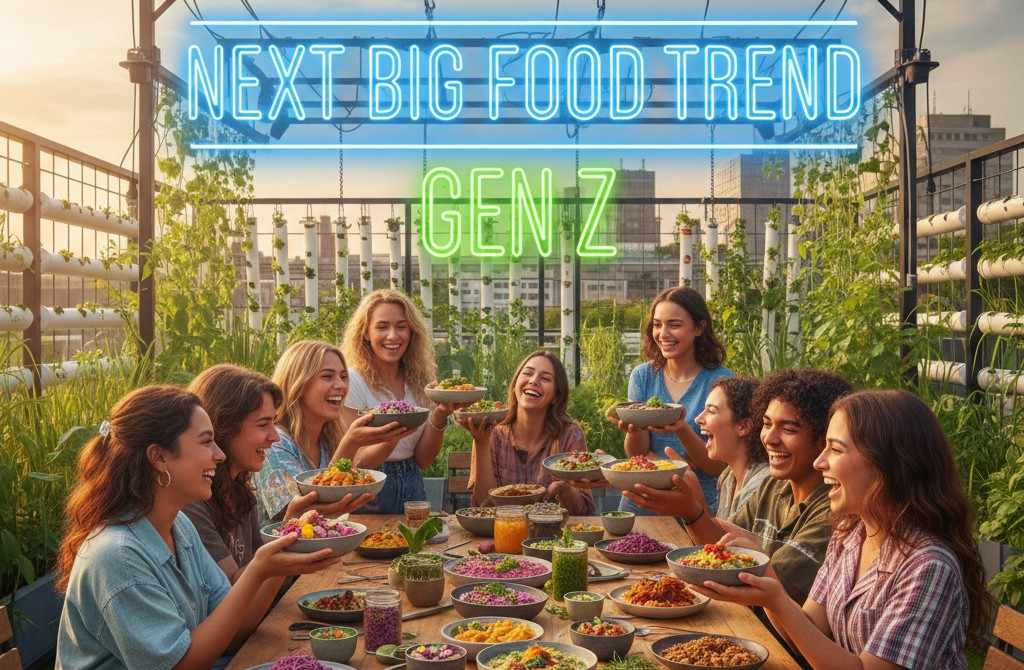
Food trends are not just about taste—they’re a reflection of culture, lifestyle, and values. For Generation Z, a demographic born roughly between 1997 and 2012, food is not merely sustenance; it is an expression of identity, ethics, and creativity. With Gen Z wielding increasing influence over markets, the culinary world is evolving rapidly to meet their expectations. But what exactly is capturing their attention right now, and what is likely to define the next big food trend for this generation?
In this guide, we’ll explore the emerging food trends that resonate with Gen Z, examine the factors shaping their preferences, and take a closer look at what’s next in the food landscape.
Who Is Generation Z and Why Their Food Preferences Matter
Before diving into the trend itself, it’s essential to understand why Gen Z’s preferences are so impactful. Unlike previous generations, Gen Z has grown up with technology, social media, and global connectivity. They have access to information like never before and are keenly aware of social issues such as sustainability, health, and ethical sourcing.
Key characteristics of Gen Z that influence their food choices include:
- Health-consciousness: They prioritize nutrition and functional foods that contribute to overall well-being.
- Environmental awareness: Sustainability, plant-based diets, and eco-friendly packaging are important considerations.
- Digital influence: Social media platforms like Instagram, TikTok, and YouTube are not just entertainment but sources of food inspiration.
- Experimentation and novelty: Gen Z is open to trying bold flavors, new ingredients, and unconventional culinary concepts.
These traits mean that any emerging food trend targeting Gen Z must tick multiple boxes: it should be visually appealing, ethically responsible, innovative, and shareable online.
What Is the Next Big Food Trend for Gen Z?
The Rise of Health-First Foods
One of the most significant drivers of Gen Z’s food choices is health. This generation views food as medicine, with an emphasis on immune-boosting ingredients, functional nutrition, and clean eating.
1) Functional Foods and Adaptogens:
Functional foods, those fortified with nutrients that provide additional health benefits, are increasingly popular. Ingredients like turmeric, ginger, matcha, and collagen have moved beyond niche health circles into mainstream consumption. Adaptogens—natural compounds that help the body manage stress—such as ashwagandha, reishi mushrooms, and holy basil, are also gaining traction among young consumers.
2) Gut Health and Fermented Foods:
Probiotics and prebiotics are no longer just a wellness trend—they’re a Gen Z obsession. Foods like kombucha, kimchi, kefir, and miso are being embraced not only for their digestive benefits but also for their cultural richness and unique flavors. The focus on gut health aligns with the generation’s broader concern for long-term wellness.
Plant-Based and Sustainable Eating
Plant-based diets are no longer confined to vegans or vegetarians; they are a mainstream lifestyle choice for Gen Z. Beyond ethical considerations, the shift toward plant-forward diets is motivated by environmental consciousness and a desire for novel culinary experiences.
1) Meat Alternatives and Lab-Grown Foods:
Companies like Beyond Meat and Impossible Foods have pioneered plant-based meat substitutes that appeal to both taste and environmental ethics. Meanwhile, lab-grown meats, although still emerging, are attracting attention as a sustainable protein source that reduces reliance on traditional livestock farming.
2) Seafood Alternatives:
Another niche gaining momentum is plant-based seafood. Innovative products such as vegan shrimp, fish fillets made from algae, and plant-based sushi cater to eco-conscious Gen Z consumers who love seafood but want to minimize their environmental footprint.
3) Zero-Waste and Sustainable Practices:
Sustainability goes beyond the food itself. Gen Z favors brands that minimize food waste, use eco-friendly packaging, and source ingredients responsibly. Restaurants and food brands are responding by offering zero-waste options and promoting circular food systems.
Global Fusion and Culinary Exploration
Gen Z craves adventure, and this extends to their taste buds. Global fusion cuisines and innovative reinterpretations of traditional dishes are becoming highly popular.
1) Street Food Reinvented:
From Korean tacos to Indian-inspired burritos, Gen Z loves street food that is both portable and Instagram-worthy. The fusion of different culinary traditions satisfies their appetite for novelty and visual appeal.
2) Authentic and Regional Flavors:
At the same time, Gen Z values authenticity. They are keen to explore regional cuisines from around the world, seeking foods that offer genuine cultural experiences rather than generic “ethnic-inspired” dishes. This trend has led to the resurgence of traditional foods like Filipino ube desserts, West African stews, and Japanese onigiri.
3) Bold and Experimental Flavors:
Unconventional flavor pairings, spicy combinations, and umami-rich ingredients are also trending. Gen Z is not afraid to push boundaries with their taste preferences, which has encouraged chefs and food brands to experiment with unexpected ingredients.
Tech-Driven Food Experiences
Digital innovation is playing a crucial role in shaping the next big food trend for Gen Z. This generation grew up in a digital world, and their food experiences are increasingly intertwined with technology.
1) AI and Personalized Nutrition:
Artificial intelligence is being used to craft personalized nutrition plans and recommend foods based on individual health goals. Apps that track nutrient intake, suggest recipes, or provide AI-generated meal plans are gaining popularity.
2) Ghost Kitchens and Food Delivery Apps:
The pandemic accelerated the rise of ghost kitchens—restaurants that operate exclusively through delivery apps. Gen Z is drawn to the convenience, variety, and affordability of these options, which allow them to explore global cuisines without leaving their homes.
3) Virtual Food Experiences:
Augmented reality (AR) and virtual reality (VR) are also entering the food space, offering immersive dining experiences, interactive cooking classes, and gamified food challenges. These tech-driven experiences cater to Gen Z’s desire for entertainment and engagement.
Instagrammable and Shareable Foods
For Gen Z, the visual appeal of food matters as much as taste. Social media platforms have created a culture where food is not just consumed—it is shared, documented, and celebrated.
1) Colorful and Photogenic Dishes:
Vibrant foods like rainbow bagels, galaxy lattes, and neon-hued desserts are designed to be photographed and shared. This aesthetic dimension is crucial in capturing the attention of Gen Z.
2) DIY and Customizable Foods:
Interactive dining experiences, such as build-your-own bowls, mix-and-match snacks, and customizable desserts, empower Gen Z to express creativity. The ability to personalize meals is both fun and engaging, further encouraging social sharing.
3) Limited Edition and Trend Drops:
Scarcity marketing works exceptionally well with Gen Z. Limited edition flavors, seasonal specials, and collaboration-based products generate excitement and a sense of urgency that drives engagement both online and offline.
Mindful and Ethical Consumption
The next big food trend is not only about what tastes good but also about what feels right. Mindful consumption encompasses ethical sourcing, fair trade, and social responsibility.
1) Ethical Sourcing:
Gen Z pays attention to where their food comes from, favoring brands that support local farmers, use organic ingredients, and engage in fair trade practices. Transparency in supply chains is highly valued.
2) Food as a Statement:
For many young consumers, what they eat is a reflection of their values. Choosing plant-based meals, supporting eco-conscious brands, or buying products from socially responsible companies allows Gen Z to align their consumption with their ethics.
3) Minimalist Eating:
There is also a shift toward simplicity and minimalism. Gen Z is drawn to foods that are wholesome, minimally processed, and free from unnecessary additives. This aligns with a broader movement toward mindful living and sustainability.
Potential Next Big Food Trend: Gen Z’s Flavor of the Future
Based on the patterns observed, the next major food trend for Gen Z is likely to combine the following elements:
- Plant-forward and functional: Foods that are plant-based, rich in nutrients, and enhance health.
- Global and experiential: Culinary offerings that offer cultural authenticity, bold flavors, and novel experiences.
- Digitally enhanced: Food that is integrated with tech for personalization, delivery, and shareability.
- Ethically conscious: Sustainable, minimally processed, and sourced with transparency.
In other words, the next big trend is not a single food item but a holistic approach to eating—a fusion of health, ethics, experience, and digital engagement. For brands targeting Gen Z, this means innovating at the intersection of taste, aesthetics, and purpose.
Examples of Emerging Food Trends
To provide more clarity, here are some specific trends that embody the next wave of Gen Z dining:
- Functional Beverages: Drinks infused with adaptogens, collagen, CBD, or nootropics designed for energy, focus, or stress relief.
- Plant-Based Seafood: Vegan shrimp, fish fillets, and sushi options catering to sustainability-conscious consumers.
- Fusion Comfort Foods: Traditional comfort dishes reimagined with global influences and Instagram-worthy presentation.
- DIY Meal Kits and Cloud Kitchens: Interactive cooking experiences delivered via app, blending convenience with creativity.
- Edible Packaging and Zero-Waste Foods: Innovative solutions to reduce environmental impact while offering a unique culinary experience.
- Functional Snacks: Energy-boosting, gut-friendly, or protein-packed snacks that are also visually appealing.
How Brands Can Capitalize on This Trend
For food brands aiming to capture Gen Z, understanding their motivations is key. Here’s how brands can position themselves for success:
- Prioritize transparency: Clearly communicate ingredient sources, sustainability practices, and health benefits.
- Create visually appealing products: Invest in packaging and food aesthetics that are shareable on social media.
- Offer customization and interactivity: Allow consumers to personalize meals or engage with the brand digitally.
- Stay authentic: Focus on genuine flavors, cultural respect, and meaningful storytelling.
- Leverage social media: Collaborate with influencers, create viral content, and engage Gen Z where they spend their time online.
Final Thought
The next big food trend for Gen Z is not just a flavor, a dish, or a drink—it’s a movement. It embodies health, sustainability, cultural exploration, and digital engagement. Gen Z consumers want foods that are good for their body, exciting for their taste buds, visually appealing, and aligned with their values.
For food brands, this means innovation is no longer optional—it is essential. By blending plant-forward ingredients, bold flavors, immersive experiences, and ethical practices, the industry can cater to a generation that eats with purpose, curiosity, and creativity.
FAQ’s
Why are plant-based diets popular among Gen Z?
Gen Z favors plant-based diets for health benefits, environmental impact, and ethical reasons. They enjoy plant-forward meals that are innovative, nutritious, and flavorful.
How does social media influence Gen Z food trends?
Social media platforms like Instagram, TikTok, and YouTube play a major role in shaping Gen Z’s food preferences. Visually appealing, shareable, and trendy foods gain popularity quickly online.
What types of beverages are trending with Gen Z?
Functional beverages like kombucha, adaptogen-infused drinks, collagen waters, and stress-relief teas are highly popular, as they support wellness while offering unique flavors.
How important is sustainability in Gen Z food choices?
Sustainability is extremely important. Gen Z prefers foods with eco-friendly packaging, ethically sourced ingredients, and options that reduce food waste.
Are global flavors popular with Gen Z?
Yes. Gen Z enjoys bold, diverse, and authentic flavors from around the world, including fusion dishes and regional specialties that offer a unique culinary experience.
What role does health play in Gen Z’s eating habits?
Health is a top priority. Gen Z seeks foods that are nutrient-rich, functional, and beneficial for gut health, immunity, and overall wellness.
How can brands attract Gen Z consumers?
Brands can appeal to Gen Z by offering transparent sourcing, visually appealing foods, personalized or interactive experiences, sustainable practices, and strong social media engagement.
Are limited edition and seasonal foods appealing to Gen Z?
Yes. Limited edition flavors and seasonal foods create excitement and a sense of urgency, making them highly shareable and desirable among Gen Z consumers.
What is the future of food experiences for Gen Z?
The future combines plant-forward foods, global flavors, tech-driven personalization, and mindful consumption. Foods that are healthy, ethical, immersive, and visually engaging will lead the way.
Also Read: