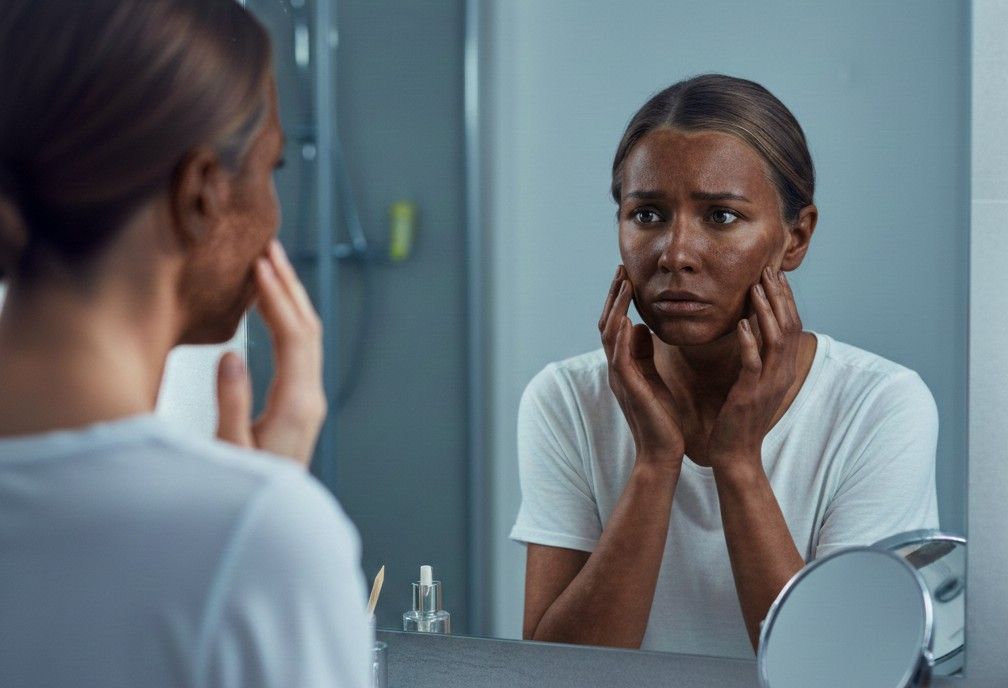
Our skin often reflects what’s happening inside our body. Changes in skin texture, color, or tone are not just cosmetic concerns; they can sometimes be subtle signals of deeper health issues. One such change that often raises concern is sudden skin darkening.
While gradual changes in skin color can be explained by sun exposure or aging, sudden or unexplained darkening should not be ignored. It may be harmless in some cases, but in others, it can point toward hormonal imbalances, nutritional deficiencies, chronic conditions, or even serious systemic diseases. In this guide, we’ll explore what sudden skin darkening can indicate, when it’s normal, when it’s not, and what steps you should take if you notice it.
Understanding Sudden Skin Darkening
Sudden skin darkening refers to a noticeable increase in skin pigmentation that appears over a relatively short period of time. This change may affect:
- The face
- Neck
- Armpits
- Groin area
- Hands and feet
- Knuckles
- Elbows and knees
- Entire body in rare cases
The darkening may appear as patches, uneven tone, or overall discoloration. It may or may not be accompanied by other symptoms such as itching, thickened skin, fatigue, or weight changes.
How Skin Pigmentation Works
To understand why skin darkens suddenly, it helps to know about melanin, the pigment responsible for skin color.
- Melanin is produced by specialized cells called melanocytes.
- Its production increases in response to sun exposure, hormonal changes, inflammation, or certain diseases.
- When melanin production becomes excessive or uneven, skin darkening occurs.
Sudden changes often indicate that something has disrupted this normal balance.
Common Areas Where Sudden Skin Darkening Appears
Sudden pigmentation does not always affect the entire body. Certain areas are more prone, and their location can offer clues about the cause.
- Neck and armpits: Often linked to insulin resistance or hormonal issues
- Face: Commonly related to sun exposure, pregnancy, or hormonal changes
- Knuckles: May indicate vitamin B12 deficiency
- Groin and inner thighs: Can be due to friction, hormonal imbalance, or infections
- Mouth and lips: Sometimes associated with nutritional deficiencies or adrenal disorders
Harmless Causes of Sudden Skin Darkening
Not all cases of sudden skin darkening indicate a serious problem. Some causes are temporary and manageable.
1. Increased Sun Exposure
Even brief but intense sun exposure can trigger sudden pigmentation, especially if you have sensitive skin.
- UV rays stimulate melanin production
- Areas like the face, arms, and neck darken quickly
- Often worsens without sunscreen
This type of darkening usually fades with proper sun protection and skincare.
2. Post-Inflammatory Hyperpigmentation
Skin darkening can occur after inflammation or injury, such as:
- Acne
- Burns
- Cuts
- Allergic reactions
- Rashes
Once the inflammation heals, the skin may leave behind dark patches. These can appear suddenly and may take weeks or months to fade.
3. Friction and Repeated Irritation
Tight clothing, shaving, waxing, or constant rubbing can cause skin thickening and darkening, especially in:
- Inner thighs
- Underarms
- Neck folds
This is usually harmless but can worsen over time if the irritation continues.
Sudden Skin Darkening and Hormonal Changes
Hormones play a major role in skin pigmentation. Any imbalance can trigger noticeable changes.
4. Pregnancy (Melasma)
During pregnancy, sudden darkening of the skin is very common.
- Known as melasma or “mask of pregnancy”
- Affects cheeks, forehead, nose, and upper lip
- Caused by estrogen and progesterone fluctuations
Though harmless, melasma can be emotionally distressing. It often fades after childbirth but may persist in some women.
5. Oral Contraceptives and Hormonal Medications
Birth control pills and hormone therapies can mimic pregnancy-related hormonal changes, leading to sudden pigmentation.
- Affects the face and neck
- More common in people prone to melasma
- Sun exposure worsens the condition
6. Polycystic Ovary Syndrome (PCOS)
PCOS is a common hormonal disorder that can cause sudden skin darkening.
- Dark patches around the neck, armpits, and groin
- Often associated with insulin resistance
- May come with weight gain, acne, and irregular periods
The pigmentation linked to PCOS is often persistent unless the underlying hormonal imbalance is treated.
Sudden Skin Darkening Linked to Metabolic Conditions
7. Acanthosis Nigricans
One of the most important causes of sudden skin darkening is acanthosis nigricans.
- Appears as dark, thick, velvety patches
- Common on the neck, armpits, and groin
- Strongly linked to insulin resistance and type 2 diabetes
In some cases, it may signal an underlying endocrine disorder or, rarely, internal malignancy.
If skin darkening appears suddenly and spreads rapidly, medical evaluation is essential.
8. Diabetes and Prediabetes
Sudden pigmentation changes can be an early warning sign of diabetes.
- Darkening around skin folds
- Slow wound healing
- Accompanied by fatigue, frequent urination, and thirst
Ignoring these signs may delay diagnosis and treatment.
Nutritional Deficiencies That Cause Skin Darkening
Your skin reflects your nutritional status more than you might realize.
9. Vitamin B12 Deficiency
Sudden darkening of the knuckles, palms, and soles can be a sign of vitamin B12 deficiency.
- More common in vegetarians and vegans
- May be accompanied by fatigue, numbness, and memory issues
- Skin changes may reverse with supplementation
10. Iron Deficiency
Iron deficiency anemia can sometimes lead to dull, uneven skin tone.
- Skin may appear darker or pale in different areas
- Often accompanied by hair loss, weakness, and dizziness
11. Niacin (Vitamin B3) Deficiency
A severe deficiency can cause a condition called pellagra.
- Leads to dark, thickened, sun-sensitive skin
- Usually occurs in malnutrition or chronic alcoholism
Sudden Skin Darkening and Autoimmune Conditions
12. Addison’s Disease
One of the most serious causes of sudden skin darkening is Addison’s disease, a disorder of the adrenal glands.
- Causes generalized skin darkening
- More noticeable on scars, gums, knuckles, and creases
- Accompanied by fatigue, weight loss, low blood pressure, and salt cravings
This condition requires urgent medical attention and lifelong management.
13. Thyroid Disorders
Both hypothyroidism and hyperthyroidism can affect skin pigmentation.
- Skin may become darker, dry, or thickened
- Often accompanied by hair thinning, weight changes, and mood disturbances
Skin Darkening Due to Medications
Certain medications can cause sudden pigmentation changes as a side effect.
14. Drug-Induced Hyperpigmentation
Medications that may cause skin darkening include:
- Chemotherapy drugs
- Antimalarial drugs
- Certain antibiotics
- Hormonal treatments
The pigmentation may appear gray, brown, or bluish and often affects sun-exposed areas.
Liver and Kidney Disorders
15. Chronic Liver Disease
Liver dysfunction can lead to changes in skin color.
- Skin may appear darker or yellowish
- Often accompanied by itching and fatigue
16. Chronic Kidney Disease
In kidney disease, waste products build up in the blood, leading to skin changes.
- Skin may darken or appear grayish
- Severe itching is common
Sudden Skin Darkening and Cancer
Although rare, sudden skin darkening can sometimes be associated with cancer.
17. Paraneoplastic Syndromes
Some cancers trigger skin changes as a secondary effect.
- Rapidly spreading acanthosis nigricans
- Unexplained pigmentation changes
- Often associated with gastrointestinal cancers
While uncommon, these signs should never be ignored.
Emotional Stress and Skin Darkening
Chronic stress affects hormone levels, inflammation, and immune function.
- Stress increases cortisol levels
- Can worsen melasma and post-inflammatory pigmentation
- Often linked to sleep disturbances and unhealthy habits
Sudden darkening during stressful periods is not unusual but still deserves attention.
When Should You Be Concerned?
Sudden skin darkening should be evaluated if:
- It appears rapidly without an obvious cause
- It spreads quickly or becomes thickened
- It is accompanied by fatigue, weight loss, or hormonal symptoms
- It affects unusual areas like gums or scars
- It does not improve with basic skincare
How Doctors Diagnose the Cause
Diagnosis depends on the suspected underlying condition and may include:
- Blood tests (hormones, glucose, vitamin levels)
- Thyroid function tests
- Liver and kidney function tests
- Skin biopsy in rare cases
- Review of medications and lifestyle factors
Can Sudden Skin Darkening Be Reversed?
The reversibility depends on the cause.
- Nutritional deficiencies often improve with treatment
- Hormonal causes may improve with medical management
- Sun-induced pigmentation can fade with protection and skincare
- Chronic conditions may require long-term control rather than complete reversal
Treating only the skin without addressing the underlying issue often leads to recurrence.
What You Can Do If You Notice Sudden Skin Darkening
- Do not self-diagnose based on appearance alone
- Avoid harsh skin treatments without medical advice
- Use sun protection consistently
- Maintain a balanced diet rich in vitamins and minerals
- Consult a healthcare professional if changes persist
Prevention Tips
While not all causes are preventable, some steps can reduce risk:
- Maintain healthy blood sugar levels
- Address hormonal issues early
- Eat a nutrient-rich diet
- Protect skin from sun damage
- Manage stress effectively
Final Thoughts
Sudden skin darkening is not just a cosmetic issue. It is often your body’s way of signaling that something needs attention. While many causes are harmless and temporary, others can point to underlying health conditions that require timely care.
Listening to your body, observing changes carefully, and seeking medical advice when needed can make a significant difference. Skin changes may be visible, but the real story often lies beneath the surface. If you or someone you know experiences sudden or unexplained skin darkening, consider it a message worth understanding rather than ignoring.
FAQ’s
Is sudden skin darkening a sign of diabetes?
Yes, sudden skin darkening can be an early sign of diabetes or prediabetes, especially when it appears as dark, thickened patches around the neck, armpits, or groin. This condition is known as acanthosis nigricans and is strongly linked to insulin resistance.
Can stress cause sudden skin darkening?
Chronic stress can indirectly cause or worsen skin darkening. Stress increases cortisol levels, which may trigger hormonal imbalances, inflammation, and flare-ups of pigmentation conditions such as melasma or post-inflammatory hyperpigmentation.
Does vitamin deficiency cause skin to darken suddenly?
Yes, deficiencies in certain vitamins, particularly vitamin B12, can lead to sudden skin darkening. This is commonly seen on the knuckles, palms, soles, and around the mouth. Iron and niacin deficiencies may also contribute to pigmentation changes.
Is sudden skin darkening during pregnancy normal?
Sudden skin darkening during pregnancy is very common and usually harmless. Hormonal changes can cause melasma, which appears as dark patches on the face, neck, or abdomen. This pigmentation often fades after childbirth, though it may persist in some cases.
Can medications cause sudden skin darkening?
Certain medications can cause sudden skin darkening as a side effect. These include hormonal contraceptives, chemotherapy drugs, antimalarials, and some antibiotics. The pigmentation may worsen with sun exposure and can be temporary or long-lasting depending on the drug.
When should I see a doctor for sudden skin darkening?
You should consult a doctor if skin darkening appears suddenly without an obvious cause, spreads rapidly, becomes thickened or velvety, or is accompanied by symptoms such as fatigue, weight loss, irregular periods, or low blood pressure. Medical evaluation is especially important if the pigmentation does not improve over time.
Can sudden skin darkening be reversed?
Whether sudden skin darkening can be reversed depends on its cause. Pigmentation due to nutritional deficiencies or sun exposure often improves with treatment and lifestyle changes. However, skin darkening caused by chronic conditions may require long-term management rather than complete reversal.
Is sudden skin darkening linked to hormonal disorders?
Yes, hormonal disorders such as PCOS, thyroid disease, and adrenal gland disorders can cause sudden changes in skin pigmentation. These conditions often affect areas like the neck, armpits, and face and may be accompanied by other systemic symptoms.
Does sudden skin darkening always mean a serious illness?
No, sudden skin darkening does not always indicate a serious illness. It can result from harmless causes like sun exposure, friction, or post-inflammatory changes. However, because it can sometimes signal underlying health issues, persistent or unexplained darkening should not be ignored.
Can lifestyle changes help improve sudden skin darkening?
Yes, lifestyle changes can play a supportive role. Maintaining healthy blood sugar levels, eating a nutrient-rich diet, managing stress, using sun protection, and avoiding skin irritation can help prevent worsening of pigmentation and support overall skin health.
Also Read: