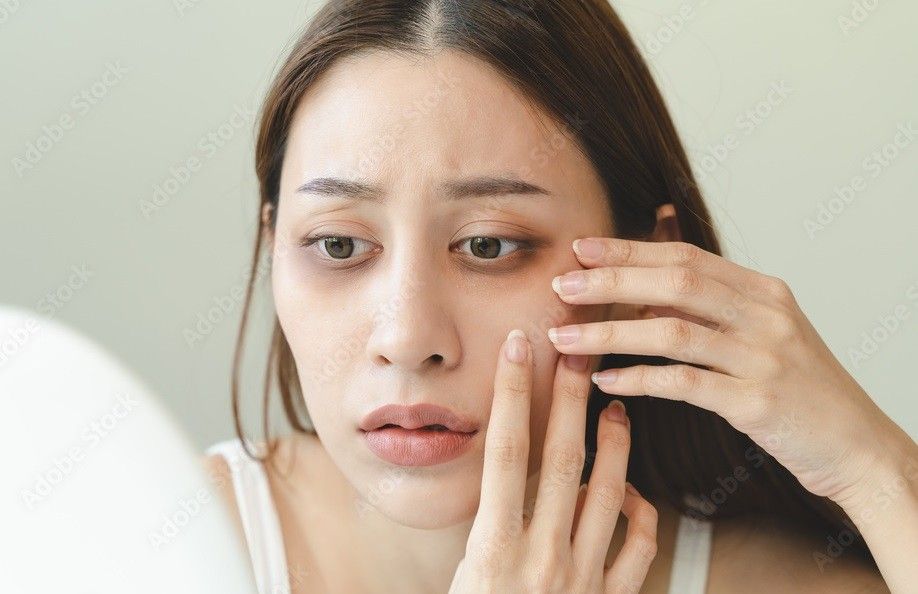
Dark circles under the eyes are one of those things many of us notice in the mirror but often ignore—until they start getting darker, deeper, or more stubborn. For some, they appear after a sleepless night. For others, they seem permanent, no matter how much rest or skincare is involved.
While dark circles are commonly linked to fatigue, they can sometimes hint at deeper health, lifestyle, or nutritional issues. Your under-eye area has some of the thinnest skin on the body, which makes it especially sensitive to changes happening inside your body. This guide takes a closer look at what dark circles under your eyes may indicate about your health, when they’re harmless, when they deserve attention, and what you can do to reduce or prevent them.
Understanding Dark Circles: What Are They Exactly?
Dark circles refer to the darkened appearance of the skin beneath the lower eyelids. They can look brown, bluish, purple, grey, or even black, depending on the cause and your skin tone.
They usually develop due to a combination of:
- Thin under-eye skin
- Blood vessels showing through
- Pigmentation changes
- Loss of fat or collagen
- Lifestyle and health factors
Dark circles are not a disease, but in some cases, they act as visible clues that something inside your body is out of balance.
Why the Under-Eye Area Shows Health Issues First
The skin under your eyes is:
- About 40% thinner than facial skin
- Low in oil glands
- Rich in blood vessels
- One of the first areas to lose collagen
Because of this, even small internal changes—like dehydration, poor circulation, or nutrient deficiency—can show up quickly as dark circles.
Types of Dark Circles and What They May Indicate
Not all dark circles look the same. The color, depth, and texture can offer clues about their underlying cause.
1. Brown or Dark Pigmented Circles
What they look like:
Brown, tan, or darker patches under the eyes, more common in medium to darker skin tones.
What they may indicate:
- Hyperpigmentation
- Excess melanin production
- Sun exposure
- Genetic tendency
Health and lifestyle links:
- Hormonal changes
- Chronic eye rubbing (due to allergies)
- Skin inflammation
- Poor sun protection
While mostly cosmetic, persistent pigmentation can worsen due to hormonal imbalance or chronic inflammation.
2. Blue or Purple Dark Circles
What they look like:
Bluish, purplish, or violet shadows under the eyes.
What they may indicate:
- Poor blood circulation
- Thin skin revealing underlying blood vessels
- Oxygen-poor blood pooling
Health links:
- Poor sleep quality
- Chronic fatigue
- Iron deficiency (anemia)
- Smoking
- Stress
This type is often linked to oxygen and circulation issues, especially when paired with constant tiredness.
3. Black or Greyish Dark Circles
What they look like:
Deep grey or almost black shadows that make the eyes look sunken.
What they may indicate:
- Aging
- Volume loss under the eyes
- Dehydration
- Chronic illness or prolonged stress
These circles can make a person look constantly tired, even when they aren’t.
4. Puffy Dark Circles with Swelling
What they look like:
Dark circles combined with bags or puffiness.
What they may indicate:
- Fluid retention
- Allergies
- Sinus congestion
- Kidney or thyroid imbalance (rare but possible)
Puffiness often worsens in the morning and improves during the day.
What Your Dark Circles Indicate About Your Health?
While dark circles alone are rarely dangerous, persistent or worsening dark circles can sometimes reflect underlying health concerns.
1. Lack of Sleep and Poor Sleep Quality
This is the most common and well-known cause.
How sleep affects dark circles:
- Blood vessels dilate when you’re tired
- Skin looks dull and pale, making shadows more visible
- Fluid pools under the eyes
Even if you sleep for 7–8 hours, poor quality sleep or irregular sleep cycles can still lead to dark circles.
2. Iron Deficiency (Anemia)
Anemia reduces oxygen delivery to tissues, causing:
- Pale skin
- Visible veins under the eyes
- Bluish or purplish dark circles
You may also notice:
- Fatigue
- Dizziness
- Shortness of breath
- Cold hands and feet
If dark circles are accompanied by these symptoms, a blood test may be necessary.
3. Dehydration
Dehydration makes the under-eye area look:
- Sunken
- Dull
- Darker due to volume loss
Even mild dehydration can affect how your skin reflects light, making dark circles appear worse.
4. Allergies and Sinus Problems
Allergies cause inflammation and congestion in nasal passages, leading to:
- Dilated blood vessels
- Poor drainage
- Dark, shadowy under-eye areas known as “allergic shiners”
Frequent eye rubbing due to itching can also worsen pigmentation.
5. Hormonal Imbalances
Hormonal fluctuations—especially in women—can influence skin pigmentation and circulation.
Dark circles may worsen during:
- Menstrual cycles
- Pregnancy
- Perimenopause
- Thyroid disorders
Hormones can affect melanin production and fluid balance, impacting the under-eye area.
6. Chronic Stress and Mental Exhaustion
Stress raises cortisol levels, which can:
- Break down collagen
- Thin the skin
- Worsen blood circulation
- Disturb sleep
Over time, this combination makes dark circles more prominent and harder to fade.
7. Aging and Collagen Loss
As we age:
- Skin becomes thinner
- Fat under the eyes decreases
- Blood vessels become more visible
This natural process can deepen dark circles, even in healthy individuals.
8. Liver Health (Indirect Link)
There’s a popular belief that dark circles are a sign of poor liver health. While this is not always medically accurate, severe liver dysfunction can cause:
- Skin discoloration
- Dull complexion
- Fatigue
Dark circles alone do not indicate liver disease, but when paired with other symptoms, they may warrant medical evaluation.
9. Kidney Issues (Rare but Possible)
Chronic kidney problems can cause:
- Fluid retention
- Puffiness around the eyes
- Dark shadows
This usually occurs alongside other signs like changes in urination, swelling in legs, or persistent fatigue.
Lifestyle Factors That Make Dark Circles Worse
Even without health issues, certain daily habits can deepen dark circles.
Excessive Screen Time
Long hours on screens cause:
- Eye strain
- Poor blinking
- Reduced circulation around the eyes
This can lead to darker, tired-looking under-eyes.
Smoking and Alcohol
Smoking reduces oxygen supply and damages collagen.
Alcohol dehydrates the body and causes blood vessels to dilate.
Both contribute to:
- Thin skin
- Dark shadows
- Premature aging around the eyes
Poor Diet
A diet lacking in:
- Iron
- Vitamin B12
- Vitamin C
- Vitamin K
can worsen dark circles by affecting blood health and skin repair.
Can Dark Circles Be Genetic?
Yes. Genetics play a major role.
If dark circles:
- Appeared early in life
- Are present in family members
- Don’t improve with lifestyle changes
they are likely hereditary. Genetic dark circles are usually harmless but more resistant to treatment.
When Should You Be Concerned?
Dark circles usually aren’t dangerous, but seek medical advice if:
- They appear suddenly
- Only one eye is affected
- They worsen rapidly
- They are accompanied by pain, vision changes, or swelling
- You have unexplained fatigue or weight changes
These signs may indicate an underlying health issue that needs evaluation.
How to Reduce Dark Circles Naturally
Addressing the root cause is more effective than quick cosmetic fixes.
Improve Sleep Quality
- Maintain a consistent sleep schedule
- Avoid screens before bedtime
- Sleep with your head slightly elevated
Stay Hydrated
- Drink enough water throughout the day
- Limit caffeine and alcohol
- Include water-rich fruits and vegetables
Eat a Nutrient-Rich Diet
Focus on foods rich in:
- Iron (leafy greens, lentils)
- Vitamin C (citrus fruits)
- Vitamin K (broccoli, spinach)
- Omega-3 fatty acids (nuts, seeds)
Manage Allergies
- Identify triggers
- Avoid rubbing your eyes
- Use cold compresses for relief
Reduce Stress
- Practice relaxation techniques
- Take regular breaks
- Prioritize mental health
Protect the Under-Eye Skin
- Use sunscreen daily
- Wear sunglasses outdoors
- Avoid harsh rubbing
Medical and Cosmetic Treatments (When Needed)
For stubborn or severe dark circles, treatments may include:
- Topical retinoids or vitamin C
- Chemical peels
- Laser therapy
- Fillers for volume loss
Always consult a qualified dermatologist before opting for procedures.
Myths About Dark Circles You Should Ignore
- “Dark circles mean your liver is failing.”
Not true in most cases. - “Eye creams alone can fix them.”
Creams help, but lifestyle and health matter more. - “Only tired people get dark circles.”
Genetics and pigmentation play a big role.
FAQ’s
Are dark circles a sign of poor health?
Not always. While dark circles can sometimes be linked to health issues like anemia or chronic fatigue, they are often caused by genetics, pigmentation, aging, or lack of sleep.
Can lack of sleep cause dark circles?
Yes. Poor sleep or irregular sleep patterns can cause blood vessels under the eyes to dilate, making dark circles more visible and giving the face a tired appearance.
Do dark circles mean iron deficiency?
Dark circles can be associated with iron deficiency anemia, especially if accompanied by symptoms like fatigue, dizziness, or pale skin. However, a blood test is needed for diagnosis.
Can dehydration cause dark circles?
Yes. Dehydration can make the skin under the eyes look sunken and dull, which can exaggerate the appearance of dark circles.
Are dark circles related to stress?
Chronic stress can worsen dark circles by affecting sleep, increasing cortisol levels, and breaking down collagen, which thins the under-eye skin.
Can allergies cause dark circles?
Yes. Allergies and sinus congestion can cause blood vessels under the eyes to dilate, leading to dark shadows often referred to as “allergic shiners.”
Are dark circles hereditary?
Yes. Genetics play a major role in dark circles, especially in people who develop them at a young age or have family members with similar under-eye pigmentation.
Can dark circles be removed permanently?
Permanent removal depends on the cause. Lifestyle-related dark circles can improve significantly, while genetic or pigmentation-based dark circles may only be reduced, not completely eliminated.
Do dark circles get worse with age?
Yes. Aging causes loss of collagen and fat under the eyes, making blood vessels more visible and dark circles more pronounced.
When should I see a doctor for dark circles?
Consult a doctor if dark circles appear suddenly, affect only one eye, worsen rapidly, or occur along with swelling, pain, fatigue, or other unexplained symptoms.
Are eye creams effective for dark circles?
Eye creams can help reduce the appearance of dark circles by improving hydration and skin texture, but they work best when combined with healthy sleep, nutrition, and lifestyle habits.
Can children have dark circles?
Yes, often due to allergies, genetics, or lack of sleep.
Final Thoughts
Dark circles under your eyes are more than just a cosmetic concern—they can reflect your sleep habits, stress levels, hydration, nutrition, and overall health. While most dark circles are harmless, persistent or worsening ones deserve attention, especially when paired with other symptoms.
Instead of hiding them with concealer alone, it’s worth listening to what your body may be trying to tell you. Sometimes, small lifestyle changes can make a visible difference—not just to your appearance, but to your overall well-being.
Also Read: