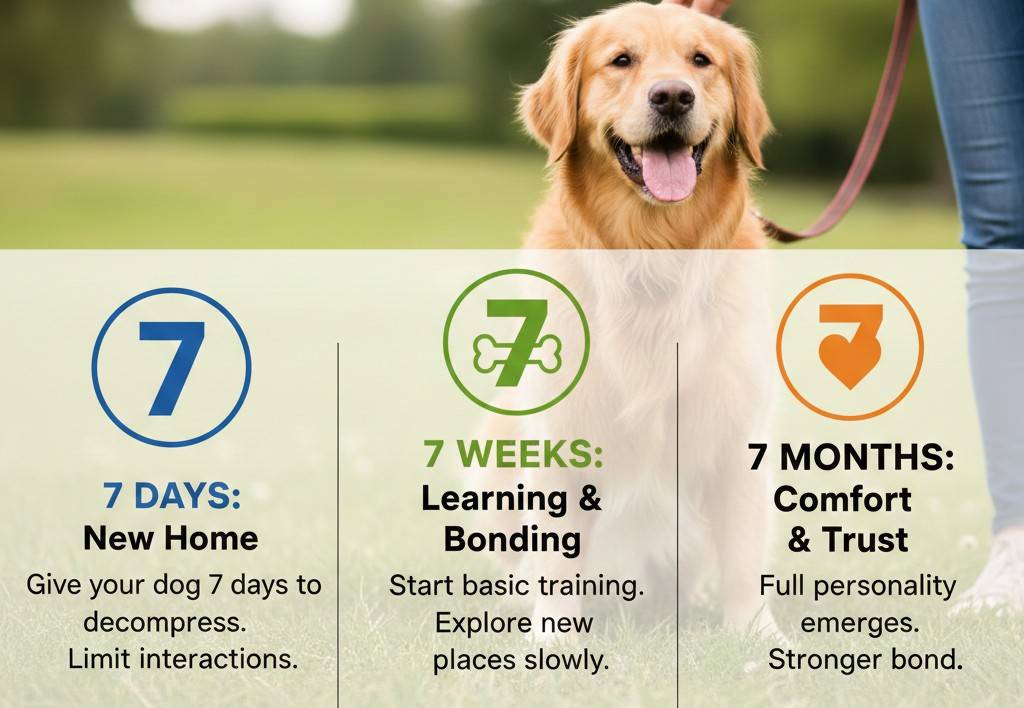
Bringing a new dog into your home is an exciting and emotional experience. Whether you have adopted a rescue dog, welcomed a shelter puppy, or rehomed an adult dog, the transition period can be confusing for both the dog and the owner. Many new pet parents expect instant bonding, obedience, and affection, but the reality is often very different.
Dogs, just like humans, need time to adapt to new surroundings, routines, and relationships. This is where the 7-7-7 Rule for dogs becomes incredibly helpful. The rule offers a simple yet powerful framework to understand what a dog may experience during the first three weeks in a new home. In this guide, we will explore what the 7-7-7 Rule is, why it matters, how dogs behave during each stage, common challenges owners face, and how you can support your dog through every phase of adjustment.
What Is the 7-7-7 Rule for Dogs?
The 7-7-7 Rule for dogs is a general guideline that describes how dogs typically adjust after being adopted or moved into a new home. It breaks the adjustment period into three stages:
- First 7 days: The dog is overwhelmed and unsure
- Next 7 days: The dog starts settling in and testing boundaries
- Final 7 days: The dog begins to feel comfortable and show their true personality
This rule is not a strict timeline or scientific formula. Instead, it is a behavioral framework used by trainers, shelters, and veterinarians to help owners set realistic expectations.
Some dogs may take less time, while others may take several months. Factors such as past trauma, age, breed, health, and environment all influence how quickly a dog adjusts.
Why the 7-7-7 Rule Is Important for Dog Owners?
Many adoption returns happen because owners misunderstand normal adjustment behaviors. A dog that hides, refuses food, has accidents, or seems distant is often labeled as “problematic” when they are simply overwhelmed.
Understanding the 7-7-7 Rule helps dog owners:
- Develop patience and empathy
- Avoid unrealistic expectations
- Prevent unnecessary punishment
- Build trust gradually
- Strengthen long-term bonding
By recognizing that adjustment is a process, owners are better equipped to support their dog emotionally and behaviorally.
The First 7 Days: The Shutdown Phase
What Your Dog Is Experiencing
The first week in a new home is often the most stressful time for a dog. Everything is unfamiliar: smells, sounds, people, routines, and rules. Even friendly and confident dogs may seem withdrawn during this period.
Dogs may feel confused, anxious, or fearful. Their survival instincts are active, and many enter a state often referred to as “shutdown.”
Common Behaviors in the First 7 Days
During this stage, you may notice:
- Hiding under furniture or in corners
- Limited eye contact
- Excessive sleeping
- Loss of appetite or picky eating
- Whining or pacing
- Fear of household noises
- Accidents indoors
- Minimal interest in play
Some dogs appear unusually calm, which can be misleading. This calmness is often a sign of emotional overload rather than comfort.
What Dog Owners Should Do in the First 7 Days
Your main role during this stage is to provide safety and consistency.
Helpful actions include:
- Create a quiet, designated safe space
- Keep routines simple and predictable
- Avoid overwhelming visitors
- Use a calm, gentle voice
- Do not force affection or interaction
- Allow the dog to approach you first
Training expectations should be minimal. Focus on basic needs such as food, water, potty breaks, and rest.
The Second 7 Days: The Learning and Testing Phase
What Changes During the Second Week
By the second week, most dogs begin to feel slightly more secure. They are starting to understand that this new place may be permanent. As fear decreases, curiosity increases.
This is often when a dog’s real behavior begins to emerge.
Common Behaviors in the Second 7 Days
During this phase, you may notice:
- Increased confidence and exploration
- Testing boundaries
- Selective listening
- Chewing or digging
- Jumping or barking
- Resource guarding behaviors
- Stronger attachment to certain family members
This stage can surprise owners because the dog may seem more difficult than during the first week. This is completely normal.
Why Dogs Test Boundaries
Testing boundaries is not disobedience or dominance. It is how dogs learn rules and expectations. They are trying to understand what is allowed and what is not.
For example, a dog may jump on furniture, pull on the leash, or ignore commands simply because they are learning the environment’s structure.
How to Support Your Dog in the Second 7 Days
This is the ideal time to gently introduce structure.
Helpful strategies include:
- Establish consistent feeding and walking times
- Begin basic training with positive reinforcement
- Set clear household rules
- Redirect unwanted behaviors calmly
- Continue socialization at a slow pace
Avoid harsh corrections or punishment. Dogs learn best when they feel safe and guided, not intimidated.
The Third 7 Days: The Comfort and Bonding Phase
What Happens in the Third Week
By the third week, many dogs begin to feel genuinely at home. They recognize routines, trust their caregivers, and start showing their true personality.
This is often when emotional bonds deepen.
Common Behaviors in the Third 7 Days
You may notice:
- Increased affection
- Playfulness and excitement
- Better response to training
- Strong attachment to family members
- Confidence in exploring the home
- Clear preferences and habits
At this stage, dogs often feel secure enough to express themselves fully, including quirks and individual traits.
Building a Strong Bond in the Third Week
Bonding does not happen overnight. The third week is an opportunity to strengthen trust through positive experiences.
Focus on:
- Interactive play
- Reward-based training
- Calm companionship
- Regular exercise
- Mental stimulation
This is also a good time to identify long-term training goals or behavioral concerns.
Does the 7-7-7 Rule Apply to All Dogs?
The 7-7-7 Rule is a guideline, not a rulebook. While many dogs follow this general pattern, others may take more or less time.
Factors That Influence Adjustment Time
- Rescue or trauma history
- Age of the dog
- Breed traits
- Previous training
- Health conditions
- Home environment
Some dogs may take several months to fully adjust, especially those with anxiety or past neglect.
The 3-3-3 Rule vs the 7-7-7 Rule
You may have heard of the 3-3-3 Rule, which focuses on three days, three weeks, and three months. Both frameworks describe the same adjustment process but at different levels of detail.
- The 7-7-7 Rule offers a more detailed weekly breakdown
- The 3-3-3 Rule provides a longer-term perspective
Both are useful, and many trainers use them together to explain canine adjustment.
Common Mistakes Owners Make During the Adjustment Period
Expecting Immediate Results
Dogs do not instantly understand commands, rules, or expectations. Patience is essential.
Over-Socializing Too Soon
Introducing too many people, pets, or environments too quickly can overwhelm a dog.
Inconsistent Rules
Allowing behaviors one day and discouraging them the next creates confusion.
Punishing Fear-Based Behaviors
Growling, hiding, or barking are communication signals. Punishment can worsen fear and damage trust.
How Long Does It Really Take for a Dog to Feel at Home?
While the 7-7-7 Rule covers the first three weeks, full adjustment often takes three to six months, and sometimes longer.
Trust, confidence, and obedience develop gradually. Every positive interaction strengthens the relationship.
Signs Your Dog Is Adjusting Well
- Relaxed body language
- Healthy appetite
- Interest in play
- Curiosity without fear
- Ability to rest comfortably
- Willingness to engage with family members
These signs indicate emotional security and trust.
When to Seek Professional Help
If your dog shows severe anxiety, aggression, or withdrawal beyond the initial adjustment period, consult:
- A veterinarian
- A certified dog trainer
- A canine behaviorist
Early intervention can prevent long-term behavioral issues.
Final Thoughts on the 7-7-7 Rule for Dogs
The 7-7-7 Rule for dogs is a compassionate and realistic way to understand your dog’s emotional journey during the early weeks in a new home. It reminds us that adjustment takes time, patience, and empathy.
Dogs are not machines that instantly adapt to change. They are sensitive, intelligent beings who rely on consistency, kindness, and trust. By honoring each stage of the 7-7-7 Rule, you give your dog the best possible foundation for a happy, healthy, and lifelong relationship.
A calm beginning leads to a confident future, and the effort you invest in the first few weeks will shape your bond for years to come.
FAQ’s
Is the 7-7-7 Rule scientifically proven?
No, the 7-7-7 Rule is not a scientific formula. It is a practical framework used by trainers, shelters, and veterinarians based on observed canine behavior during adoption and rehoming.
Does the 7-7-7 Rule apply to puppies?
Yes, the rule can apply to puppies, but puppies often adjust faster than adult dogs. However, they may still experience stress, confusion, and boundary testing during the first few weeks.
Does the rule apply only to rescue dogs?
No, the 7-7-7 Rule applies to any dog entering a new environment, including breeder puppies, rehomed pets, foster dogs, and dogs moving to a new household.
What if my dog takes longer than 21 days to adjust?
That is completely normal. Some dogs, especially those with past trauma or anxiety, may take several months to feel fully comfortable. The rule is a guideline, not a deadline.
Why does my dog seem worse in the second week?
During the second week, dogs often feel safe enough to test boundaries and express themselves. This can include behaviors like barking, chewing, or ignoring commands. It is a sign of growing confidence, not bad behavior.
Should I start training my dog during the first 7 days?
Training should be minimal during the first week. Focus on building trust, establishing routines, and meeting basic needs. Formal training can begin gradually during the second week using positive reinforcement.
Can I leave my dog alone during the adjustment period?
Yes, but it should be done gradually. Start with short periods and slowly increase the duration to prevent separation anxiety.
How can I help my dog adjust faster?
Consistency, patience, calm interactions, positive reinforcement, and a predictable routine help dogs adjust more smoothly. Avoid overwhelming your dog with too many new experiences at once.
What are signs that my dog is adjusting well?
Signs include relaxed body language, steady eating habits, willingness to play, curiosity, improved response to commands, and comfort resting around family members.
What should I avoid during the 7-7-7 adjustment period?
Avoid punishment, forced interactions, inconsistent rules, and introducing too many people or environments too quickly. These can increase stress and slow adjustment.
When should I seek professional help?
If your dog shows persistent fear, aggression, extreme withdrawal, or anxiety beyond the initial adjustment phase, consult a veterinarian, certified dog trainer, or canine behaviorist.
Is the 7-7-7 Rule the same as the 3-3-3 Rule?
No, but they are related. The 7-7-7 Rule focuses on the first three weeks, while the 3-3-3 Rule looks at three days, three weeks, and three months of adjustment. Both describe the same transition process at different levels.
Can following the 7-7-7 Rule improve bonding?
Yes, understanding and respecting each stage helps build trust and reduces misunderstandings, leading to a stronger, healthier bond between you and your dog.
Will my dog’s true personality appear after 21 days?
Many dogs start showing their real personality within three weeks, but full emotional comfort and confidence often continue to develop over several months.
Also Read: