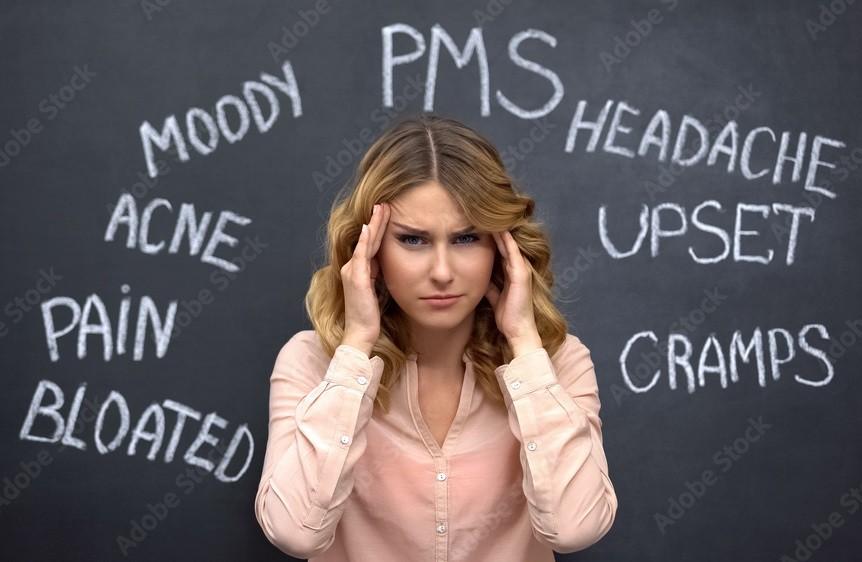
Premenstrual syndrome (PMS) is often brushed off as a “normal part of being a woman.” Mild mood changes, bloating, or fatigue before a period are commonly expected. But what happens when PMS symptoms are severe, long-lasting, or interfere with daily life month after month? Persistent PMS is not just uncomfortable—it can be a meaningful signal about your underlying health.
Understanding what ongoing PMS symptoms may indicate can help you identify hormonal imbalances, nutritional deficiencies, lifestyle stressors, or even medical conditions that deserve attention. This guide explores the deeper health implications of persistent PMS, what your body may be trying to communicate, and when it’s time to seek professional support.
Understanding Premenstrual Syndrome (PMS)
PMS refers to a collection of physical, emotional, and behavioral symptoms that typically appear one to two weeks before menstruation and resolve once bleeding begins. These symptoms are linked to hormonal fluctuations during the luteal phase of the menstrual cycle.
Common PMS symptoms include:
- Mood swings
- Irritability or anxiety
- Fatigue
- Breast tenderness
- Bloating
- Food cravings
- Headaches
- Sleep disturbances
For many women, these symptoms are mild and manageable. However, persistent PMS—symptoms that are intense, prolonged, or progressively worsening—can point to deeper health concerns.
What Does “Persistent PMS” Really Mean?
Persistent PMS may involve:
- Symptoms that start earlier than usual (more than 10–14 days before your period)
- Symptoms that do not improve once menstruation begins
- Symptoms that worsen over time
- PMS that disrupts work, relationships, or mental well-being
- Emotional symptoms that feel overwhelming or uncontrollable
When PMS becomes chronic rather than cyclical, it deserves closer examination.
The Role of Hormonal Imbalance
One of the most common underlying causes of persistent PMS is hormonal imbalance.
Estrogen Dominance
Estrogen dominance occurs when estrogen levels are high relative to progesterone. This imbalance can happen even when estrogen is within the “normal” range.
Symptoms linked to estrogen dominance include:
- Severe bloating and water retention
- Breast tenderness
- Heavy or painful periods
- Mood swings and irritability
- Anxiety or depression before periods
- Headaches or migraines
Estrogen dominance can be influenced by:
- Chronic stress
- Poor liver detoxification
- Excess body fat
- Exposure to environmental toxins
- Hormonal birth control use
Persistent PMS may be your body’s way of signaling that estrogen is not being properly balanced or cleared.
Low Progesterone Levels
Progesterone is a calming, stabilizing hormone that counterbalances estrogen. Low progesterone can intensify PMS symptoms.
Signs of low progesterone include:
- Anxiety or panic before periods
- Insomnia during the luteal phase
- Short menstrual cycles
- Spotting before periods
- Worsening PMS as you age
Low progesterone is common during times of stress, postpartum phases, perimenopause, or in women with irregular ovulation.
Chronic Stress and Its Impact on PMS
Stress is one of the most underestimated contributors to persistent PMS.
Cortisol vs. Reproductive Hormones
When your body is under chronic stress, it prioritizes cortisol (the stress hormone) over reproductive hormones like progesterone. This phenomenon is sometimes referred to as “progesterone steal.”
As a result, you may experience:
- Heightened irritability or emotional sensitivity
- Fatigue that worsens before periods
- Sugar or salt cravings
- Sleep problems
- Increased PMS severity
Persistent PMS may reflect that your nervous system is stuck in a constant state of stress, leaving little room for hormonal balance.
Nutritional Deficiencies and PMS
Your menstrual cycle is nutritionally demanding. Ongoing PMS symptoms can be a sign that your body lacks key nutrients.
Magnesium Deficiency
Magnesium plays a crucial role in muscle relaxation, mood regulation, and nervous system health.
Low magnesium levels can contribute to:
- Menstrual cramps
- Headaches
- Anxiety or irritability
- Sleep disturbances
- Sugar cravings
Women with persistent PMS often show signs of magnesium deficiency, especially if they experience stress or consume high amounts of caffeine or processed foods.
Vitamin B6 Deficiency
Vitamin B6 supports neurotransmitter production and hormone metabolism.
Low B6 may lead to:
- Mood swings
- Depression before periods
- Fatigue
- Brain fog
Persistent emotional PMS symptoms may signal a need for improved B-vitamin intake.
Iron Deficiency
Heavy periods combined with PMS can result in low iron levels.
Signs include:
- Extreme fatigue
- Dizziness
- Shortness of breath
- Worsening PMS symptoms
Iron deficiency can amplify both physical and emotional discomfort during the premenstrual phase.
Blood Sugar Imbalances and PMS
Blood sugar instability is another often-overlooked cause of persistent PMS.
How Blood Sugar Affects Hormones
Fluctuating blood sugar levels can increase cortisol and disrupt estrogen and progesterone balance.
Symptoms linked to blood sugar issues include:
- Intense sugar cravings before periods
- Mood swings
- Fatigue or shakiness
- Irritability when hungry
If PMS symptoms worsen when meals are skipped or after sugary foods, your body may be struggling to regulate glucose effectively.
Gut Health and PMS Connection
Your gut plays a major role in hormone regulation, particularly estrogen metabolism.
The Estrobolome
The estrobolome is a collection of gut bacteria involved in processing and eliminating estrogen. Poor gut health can lead to estrogen being reabsorbed rather than excreted.
Signs your gut may be affecting PMS include:
- Bloating that worsens before periods
- Constipation or diarrhea during the luteal phase
- Food sensitivities
- Persistent estrogen-related PMS symptoms
Chronic PMS may indicate an imbalance in gut bacteria or sluggish digestion.
PMS and Thyroid Health
Thyroid dysfunction is frequently overlooked in women with persistent PMS.
Hypothyroidism and PMS
An underactive thyroid can cause:
- Fatigue
- Depression
- Weight gain
- Heavy or irregular periods
- Cold intolerance
Thyroid hormones interact closely with estrogen and progesterone. When thyroid function is impaired, PMS symptoms may become more severe or prolonged.
Mental Health and Persistent PMS
While PMS is hormonally driven, mental health plays a significant role in symptom perception and severity.
PMS vs. PMDD
Premenstrual Dysphoric Disorder (PMDD) is a severe form of PMS characterized by intense emotional symptoms.
Key signs include:
- Severe depression before periods
- Anger or rage episodes
- Anxiety or panic attacks
- Feeling out of control emotionally
Persistent PMS with severe mood symptoms may require mental health evaluation, not just hormonal support.
Inflammation and Chronic PMS
Low-grade chronic inflammation can worsen PMS symptoms.
Inflammatory PMS signs include:
- Joint or muscle pain
- Headaches
- Breast tenderness
- Severe cramps
Inflammation may stem from poor diet, stress, lack of sleep, or underlying conditions such as insulin resistance or autoimmune disorders.
Lifestyle Factors That Worsen PMS
Persistent PMS often reflects cumulative lifestyle stressors rather than a single cause.
Poor Sleep
Lack of quality sleep disrupts cortisol and reproductive hormone balance, worsening PMS symptoms.
Sedentary Lifestyle
Inadequate movement can slow circulation, increase inflammation, and impair hormone detoxification.
Excess Caffeine and Alcohol
Both can deplete nutrients, strain the liver, and exacerbate anxiety, breast tenderness, and bloating.
When PMS Signals a Medical Condition
Persistent PMS may sometimes indicate an underlying medical issue.
Possible conditions include:
- Polycystic Ovary Syndrome (PCOS)
- Endometriosis
- Thyroid disorders
- Insulin resistance
- Depression or anxiety disorders
If PMS symptoms are severe, worsening, or accompanied by unusual menstrual changes, medical evaluation is important.
When to See a Doctor
You should consider professional help if:
- PMS symptoms interfere with daily life
- Emotional symptoms feel unmanageable
- Periods are extremely painful or heavy
- PMS lasts most of the month
- Symptoms worsen over time
Tracking your symptoms for at least three cycles can help healthcare providers identify patterns.
Managing Persistent PMS Naturally
While treatment depends on the root cause, supportive strategies may include:
- Balanced meals with adequate protein and fiber
- Stress management techniques
- Regular physical activity
- Improved sleep hygiene
- Limiting processed foods and sugar
- Supporting gut and liver health
Persistent PMS is not something you have to “just live with.”
Listening to Your Body’s Signals
Your menstrual cycle is a monthly health report. Persistent PMS is often a sign that your body is under strain—hormonally, emotionally, nutritionally, or metabolically.
Rather than dismissing ongoing PMS as normal, viewing it as feedback can empower you to make informed choices about your health. With proper attention, support, and lifestyle adjustments, many women experience significant relief and improved quality of life.
Final Thoughts
Persistent PMS is not a personal weakness, exaggeration, or inevitable fate. It is a meaningful signal that deserves respect and understanding. By identifying the root causes—whether hormonal, nutritional, stress-related, or medical—you can take proactive steps toward balance and well-being. Your body speaks every month. Learning to listen can transform your relationship with your health.
FAQ’s
Is it normal for PMS symptoms to get worse with age?
Yes, PMS symptoms can worsen with age, especially during perimenopause. Hormonal fluctuations, declining progesterone levels, increased stress, and lifestyle changes can all contribute to more intense or prolonged PMS.
Can stress really make PMS symptoms worse?
Yes, chronic stress significantly affects PMS. High stress levels increase cortisol production, which can disrupt the balance between estrogen and progesterone, leading to heightened emotional and physical PMS symptoms.
What hormonal imbalance causes severe PMS?
Severe PMS is often linked to estrogen dominance or low progesterone levels. These imbalances can intensify symptoms such as mood swings, bloating, breast tenderness, anxiety, and fatigue.
Can nutritional deficiencies cause PMS symptoms?
Yes, deficiencies in nutrients such as magnesium, vitamin B6, iron, and calcium are commonly associated with persistent PMS. These nutrients play essential roles in hormone regulation, mood stability, and muscle function.
How does gut health affect PMS?
Gut health influences how estrogen is metabolized and eliminated from the body. Poor digestion or an imbalance in gut bacteria can cause estrogen to be reabsorbed, worsening PMS symptoms like bloating and mood changes.
Can thyroid problems cause PMS-like symptoms?
Yes, thyroid disorders—especially hypothyroidism—can mimic or worsen PMS symptoms, including fatigue, depression, heavy periods, and hormonal irregularities.
What is the difference between PMS and PMDD?
PMDD (Premenstrual Dysphoric Disorder) is a severe form of PMS marked by intense emotional symptoms such as depression, anxiety, anger, or mood swings that significantly impact daily functioning.
Can lifestyle changes really improve persistent PMS?
Yes, many women experience improvement through balanced nutrition, regular exercise, stress management, adequate sleep, and reducing sugar, caffeine, and processed foods. Addressing the root cause is key to long-term relief.
Is persistent PMS a sign of an underlying medical condition?
Sometimes. Conditions such as PCOS, endometriosis, thyroid disorders, insulin resistance, or mental health disorders may present with PMS-like symptoms. Persistent or worsening PMS should not be ignored.
Can PMS symptoms be managed without medication?
In many cases, yes. Lifestyle changes, nutritional support, stress reduction, and cycle tracking can help manage symptoms. However, medical treatment may be necessary for severe or underlying conditions.
Also Read: