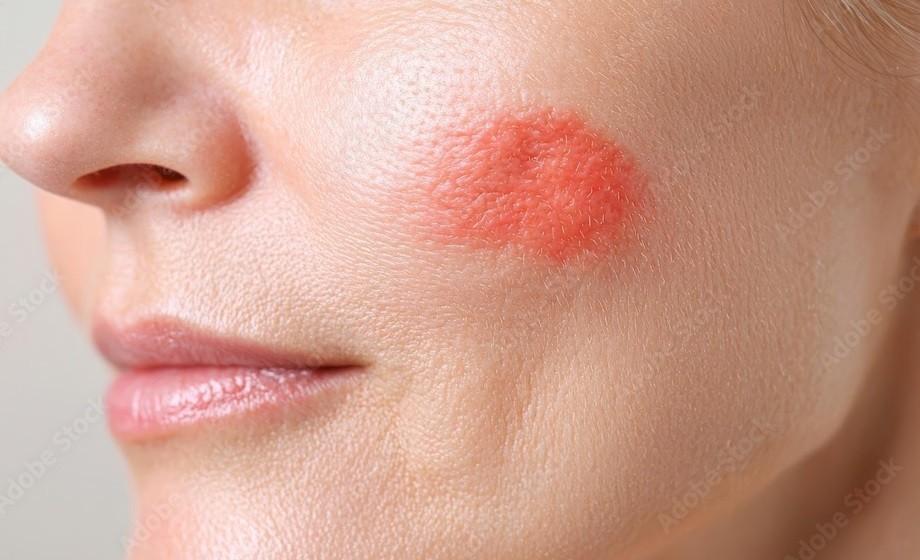
Our skin often reflects what’s happening beneath the surface of our bodies. Changes in skin texture, temperature, and color can sometimes be harmless and temporary, but in other cases, they may signal underlying health concerns. One such sign that often goes unnoticed or misunderstood is patchy skin color. Uneven or blotchy skin tones can be more than a cosmetic issue—they may reveal problems related to blood circulation.
Circulation plays a critical role in delivering oxygen and nutrients to tissues while removing waste products. When blood flow is compromised, the skin is often one of the first places where visible signs appear. Patchy skin color can manifest as pale spots, reddish blotches, bluish or purplish areas, or mottled patterns. Understanding what these changes mean can help you identify potential circulation problems early and seek timely medical care. In this guide, we’ll explore how circulation works, what patchy skin color looks like, the various patterns and colors involved, possible underlying causes, risk factors, when to worry, diagnosis, treatment options, and lifestyle measures to improve circulation and skin health.
Understanding Blood Circulation and Skin Health
Blood circulation is the continuous movement of blood through the heart and blood vessels. The circulatory system consists of arteries, veins, and capillaries that transport oxygen-rich blood to tissues and return oxygen-poor blood back to the heart and lungs.
How Circulation Affects Skin Color
Skin color is influenced by several factors, including:
- Blood flow
- Oxygen levels in the blood
- The size and health of blood vessels
- Pigmentation (melanin)
- Skin thickness and temperature
When circulation is healthy, blood flows evenly, giving the skin a uniform tone. When circulation is impaired, certain areas may receive less oxygenated blood, while others may experience pooling or inflammation, resulting in patchy or uneven coloration.
What Is Patchy Skin Color?
Patchy skin color refers to areas of skin that differ in color from the surrounding tissue. These patches may appear suddenly or gradually and can be temporary or persistent.
Common descriptions include:
- Blotchy or mottled skin
- Irregular red, purple, blue, or pale patches
- Uneven coloration that worsens with cold, heat, or prolonged standing
Patchy skin may occur anywhere on the body but is most commonly seen on:
- Legs and feet
- Hands and arms
- Face and neck
- Torso
Types of Patchy Skin Colors and What They Reveal About Circulation
Different colors and patterns of patchy skin can provide clues about the type and severity of circulation issues.
1. Pale or White Patches
Pale or white patches often indicate reduced blood flow to a specific area.
Possible Causes:
- Peripheral artery disease (PAD)
- Vasoconstriction (narrowing of blood vessels)
- Cold exposure
- Raynaud’s phenomenon
- Severe anemia
When arteries narrow or become blocked, less oxygenated blood reaches the skin, causing it to appear pale or white. These patches may be accompanied by coldness, numbness, or tingling.
2. Red or Reddish Patches
Red patches often signal increased blood flow or inflammation.
Possible Causes:
- Venous insufficiency
- Capillary dilation
- Inflammation of blood vessels
- Infection or irritation
- Early stages of circulatory congestion
In chronic venous insufficiency, blood pools in the veins of the legs, increasing pressure and causing redness, warmth, and swelling.
3. Blue or Purple Patches
Bluish or purplish discoloration is a strong indicator of poor oxygenation.
Possible Causes:
- Cyanosis
- Deep vein thrombosis
- Severe peripheral artery disease
- Heart or lung conditions affecting oxygen delivery
- Cold-induced circulation issues
This color change occurs when blood lacks adequate oxygen or when blood flow slows significantly.
4. Mottled or Marbled Skin (Livedo Reticularis)
Mottled skin appears as a net-like or lace-like pattern of purplish or bluish discoloration.
Possible Causes:
- Poor blood flow in small blood vessels
- Cold exposure
- Autoimmune diseases
- Vascular disorders
- Sepsis or shock (in severe cases)
While mottling can be temporary and harmless, persistent mottled skin may indicate serious circulatory or systemic issues.
5. Brown or Dark Patches on the Legs
Darkened patches, especially around the ankles or lower legs, are often linked to chronic venous problems.
Possible Causes:
- Chronic venous insufficiency
- Blood leakage from damaged veins
- Hemosiderin deposition (iron from broken red blood cells)
Over time, untreated venous issues can lead to skin thickening, ulcers, and permanent discoloration.
Common Circulation Problems Linked to Patchy Skin
Peripheral Artery Disease (PAD)
PAD occurs when plaque builds up in the arteries, reducing blood flow to the limbs. Patchy skin color, especially paleness or bluish tones, is a common symptom.
Other signs include:
- Leg pain when walking
- Cold feet or toes
- Slow-healing wounds
- Weak pulses
Chronic Venous Insufficiency (CVI)
CVI happens when veins struggle to return blood to the heart. Blood pools in the legs, causing patchy redness, brown discoloration, swelling, and varicose veins.
Raynaud’s Phenomenon
Raynaud’s causes sudden narrowing of blood vessels in response to cold or stress. Affected areas may turn white, then blue, and finally red as blood flow returns.
Blood Clots
Blood clots can partially or fully block blood flow, leading to sudden patchy discoloration, swelling, pain, and warmth.
Diabetes-Related Circulation Issues
Diabetes can damage blood vessels and nerves, leading to uneven skin color, especially on the feet and legs.
Risk Factors for Circulation-Related Patchy Skin
Several factors increase the likelihood of developing circulation problems:
- Smoking
- Diabetes
- High blood pressure
- High cholesterol
- Obesity
- Sedentary lifestyle
- Aging
- Family history of vascular disease
- Prolonged standing or sitting
- Pregnancy
When Patchy Skin Color Is a Medical Emergency
While some patchy skin changes are harmless, others require immediate medical attention.
Seek urgent care if patchy skin is accompanied by:
- Sudden pain or swelling
- Shortness of breath
- Chest pain
- Skin that is cold, numb, or blackened
- Rapid spreading discoloration
- Fever or signs of infection
These symptoms may indicate a serious circulatory blockage or systemic condition.
How Doctors Diagnose Circulation Problems
A healthcare provider may use several methods to determine the cause of patchy skin color:
Physical Examination
- Checking skin color, temperature, and pulses
- Assessing swelling or ulcers
Medical History
- Reviewing symptoms, lifestyle, and family history
Diagnostic Tests
- Doppler ultrasound
- Ankle-brachial index (ABI)
- Blood tests
- CT or MR angiography
- Venous reflux studies
Treatment Options for Circulation-Related Skin Changes
Treatment depends on the underlying cause and severity of the circulation problem.
Medical Treatments
- Blood-thinning medications
- Cholesterol-lowering drugs
- Medications to improve blood flow
- Treatment for underlying conditions such as diabetes or hypertension
Compression Therapy
Compression stockings help improve venous blood flow and reduce swelling and discoloration.
Lifestyle Modifications
- Quitting smoking
- Regular physical activity
- Maintaining a healthy weight
- Elevating legs to reduce pooling
- Staying hydrated
Surgical or Interventional Procedures
In severe cases:
- Angioplasty or stent placement
- Vein ablation
- Bypass surgery
- Clot removal
Can Patchy Skin Color Be Reversed?
In many cases, yes—especially when the underlying circulation problem is detected early. Improved blood flow can restore more even skin tone over time. However, long-standing or severe conditions may cause permanent skin changes.
Home Care Tips to Support Healthy Circulation
- Move regularly, especially during long periods of sitting
- Wear loose-fitting clothing
- Keep extremities warm in cold weather
- Massage affected areas gently
- Eat a balanced diet rich in antioxidants
- Limit salt intake to reduce swelling
Patchy Skin vs. Other Skin Conditions
Not all patchy skin is circulation-related. Conditions such as vitiligo, eczema, fungal infections, or allergic reactions can also cause uneven skin color. A proper medical evaluation is essential for accurate diagnosis.
Prevention: Protecting Your Circulation and Skin
Preventive steps include:
- Managing chronic conditions
- Regular health check-ups
- Avoiding tobacco
- Staying physically active
- Monitoring skin changes regularly
FAQ’s
Why is patchy skin more common on the legs?
The legs are farther from the heart and more affected by gravity, making circulation problems more noticeable.
Is patchy skin color a sign of poor circulation?
Yes, uneven or blotchy skin color is often linked to poor circulation. Reduced or uneven blood flow can affect oxygen delivery to the skin, leading to pale, red, blue, or purple patches.
Which body parts are most affected by circulation-related skin changes?
The legs, feet, hands, and arms are most commonly affected because they are farther from the heart and more vulnerable to blood flow issues.
Can patchy skin color be temporary?
Yes, patchy skin color can be temporary, especially when caused by cold temperatures, pressure, or short-term blood vessel constriction. Persistent discoloration should be medically evaluated.
Does patchy skin always indicate a serious health problem?
Not always. While some cases are harmless, long-lasting or worsening patchy skin may indicate circulation disorders or other health issues that require medical attention.
Can poor circulation cause purple or blue skin patches?
Yes, blue or purple patches often occur when blood is low in oxygen or when circulation slows significantly, which may signal serious vascular problems.
How can circulation-related patchy skin be treated?
Treatment depends on the cause and may include lifestyle changes, medications, compression therapy, or medical procedures to improve blood flow.
Can exercise improve patchy skin caused by circulation problems?
Regular physical activity can improve blood circulation, strengthen blood vessels, and help reduce patchy skin discoloration over time.
When should I see a doctor for patchy skin color?
You should seek medical advice if patchy skin is persistent, painful, spreading, associated with swelling or numbness, or accompanied by symptoms like chest pain or shortness of breath.
Can patchy skin color be prevented?
Maintaining a healthy lifestyle, staying active, avoiding smoking, managing chronic conditions, and monitoring skin changes can help reduce the risk of circulation-related patchy skin.
Final Thoughts
Patchy skin color is more than a surface-level concern. It can be a visible sign of circulation problems that affect overall health and quality of life. By paying attention to skin changes, understanding what they may indicate, and seeking appropriate care, you can address circulation issues early and protect both your skin and your long-term health.
Also Read: