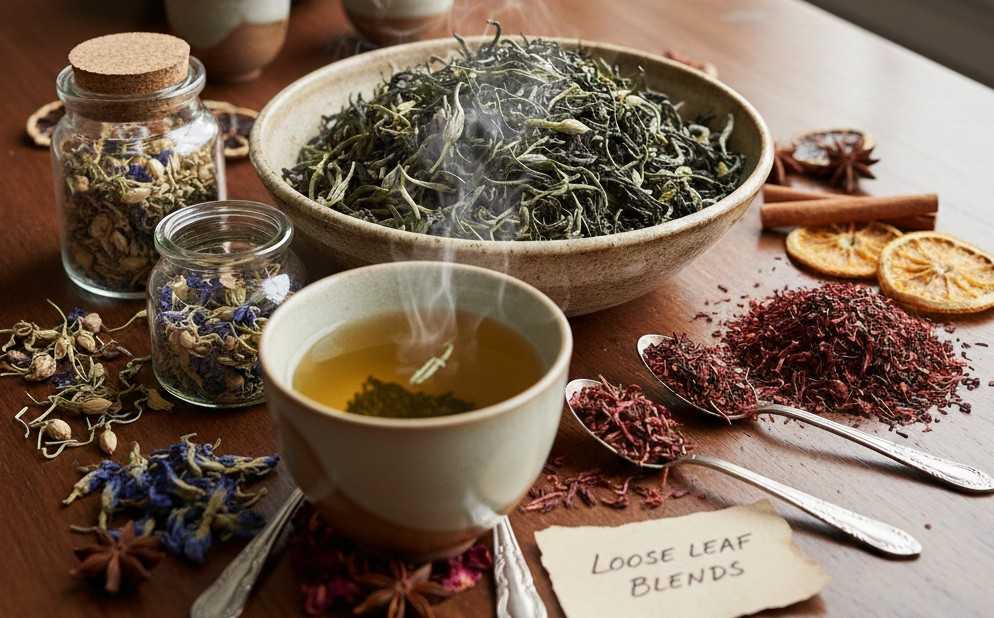
Loose leaf tea (also known as whole leaf tea) is one of the oldest and most respected forms of tea consumption in the world. Long before tea bags became common, people brewed tea using whole or partially processed tea leaves, flowers, roots, and herbs. Today, loose leaf tea is making a strong comeback among health-conscious individuals and tea enthusiasts who value purity, flavor, and wellness benefits. This guide explores everything you need to know about loose leaf tea, from its nutritional profile and proven health benefits to possible side effects, preparation methods, and safety precautions.
What is Loose Leaf Tea?
Loose leaf tea refers to tea leaves that are not packaged in tea bags. These leaves are usually whole or minimally broken, allowing them to retain more of their natural oils, antioxidants, and flavor compounds. Loose leaf tea can be made from the Camellia sinensis plant, which includes green, black, white, oolong, and pu-erh teas, as well as from herbal ingredients such as chamomile, hibiscus, peppermint, ginger, and rooibos.
Unlike tea bags, which often contain finely ground tea dust or fannings, loose leaf tea offers better quality, freshness, and complexity. The larger surface area of the leaves allows them to unfurl fully during brewing, releasing a richer taste and higher concentration of beneficial compounds. Whole leaf tea is commonly brewed using a tea infuser, strainer, teapot, or French press and is enjoyed both for its sensory experience and its health-promoting properties.
Components of Loose Leaf Tea
The nutritional content of loose leaf tea varies depending on the type of tea, brewing time, and ingredients used. Below is a general nutritional profile for a cup of plain brewed whole leaf tea (without milk or sugar).
| Nutrient | Approximate Amount (per 240 ml cup) |
|---|---|
| Calories | 0–3 kcal |
| Protein | 0 g |
| Fat | 0 g |
| Carbohydrates | 0–1 g |
| Caffeine | 20–60 mg (varies by type) |
| Polyphenols | High |
| Flavonoids | High |
| Catechins | Moderate to High |
| Theanine | Moderate |
| Potassium | Small amounts |
| Magnesium | Trace amounts |
Herbal loose leaf teas are usually caffeine-free and may contain additional vitamins, minerals, and plant compounds depending on the herbs used.
20 Science-Backed Benefits of Loose Leaf Tea
1. Rich in Antioxidants
Loose leaf tea contains high levels of antioxidants such as polyphenols, flavonoids, and catechins. These compounds help neutralize free radicals in the body, reducing oxidative stress and lowering the risk of chronic diseases.
2. Supports Heart Health
Regular consumption of tea has been linked to improved cardiovascular health. Tea polyphenols may help lower LDL cholesterol levels, improve blood vessel function, and reduce blood pressure when consumed as part of a balanced diet.
3. Enhances Brain Function
Loose leaf tea contains caffeine and L-theanine, a unique amino acid that promotes relaxation without drowsiness. Together, they can improve focus, alertness, memory, and overall cognitive performance.
4. Aids Weight Management
Certain teas, especially green and oolong teas, may support fat oxidation and metabolic rate. Drinking whole leaf tea without added sugar can be a helpful addition to weight management efforts.
5. Supports Digestive Health
Herbal loose leaf teas such as peppermint, ginger, and fennel can help relieve bloating, gas, and indigestion. Even traditional teas may stimulate digestive enzymes and promote smoother digestion.
6. Helps Regulate Blood Sugar
Some studies suggest that tea polyphenols may improve insulin sensitivity and help regulate blood glucose levels, making tea beneficial for people managing blood sugar fluctuations.
7. Strengthens the Immune System
Whole leaf tea contains antimicrobial and anti-inflammatory compounds that support immune function. Herbal varieties like echinacea, tulsi, and chamomile further enhance immune defense.
8. Promotes Oral Health
Tea contains natural fluoride and antibacterial compounds that may reduce plaque formation, inhibit cavity-causing bacteria, and improve overall oral hygiene when consumed without sugar.
9. Reduces Inflammation
Chronic inflammation is linked to many diseases. Tea polyphenols help reduce inflammatory markers in the body, supporting long-term health.
10. Supports Liver Health
Green and white teas, in particular, have been associated with improved liver enzyme levels and reduced fat accumulation in the liver when consumed moderately.
11. Improves Skin Health
Antioxidants in loose leaf tea help protect skin cells from damage caused by UV radiation and pollution. Tea may also support collagen production and slow visible signs of aging.
12. Enhances Mood and Reduces Stress
L-theanine promotes relaxation and may help reduce anxiety and stress levels. Herbal teas such as lavender and chamomile are especially known for their calming effects.
13. Supports Bone Health
Some research suggests that regular tea drinkers may have higher bone mineral density, possibly due to flavonoids that support bone metabolism.
14. Improves Gut Microbiome
Polyphenols in tea act as prebiotics, feeding beneficial gut bacteria and promoting a healthier gut microbiome.
15. May Lower Cancer Risk
While not a cure or treatment, tea antioxidants may help protect cells from DNA damage and inhibit tumor growth, potentially lowering the risk of certain cancers.
16. Helps Maintain Hydration
Despite its caffeine content, loose leaf tea contributes to daily fluid intake and helps keep the body hydrated.
17. Supports Respiratory Health
Herbal whole leaf teas such as eucalyptus, licorice root, and ginger can help soothe the respiratory tract and ease congestion.
18. Improves Sleep Quality (Herbal Teas)
Caffeine-free herbal loose leaf teas can promote relaxation and improve sleep quality when consumed before bedtime.
19. Supports Detoxification
Loose leaf tea supports the body’s natural detox processes by improving liver function, digestion, and hydration.
20. Encourages Mindful Living
Preparing and drinking whole leaf tea encourages mindfulness and relaxation, which can positively impact mental and emotional well-being.
10 Side Effects of Loose Leaf Tea
1. Excess Caffeine Intake
Drinking too much caffeinated loose leaf tea may lead to restlessness, insomnia, increased heart rate, and anxiety.
2. Iron Absorption Interference
Tea tannins can reduce the absorption of non-heme iron from plant-based foods when consumed with meals.
3. Stomach Irritation
Strong or excessive tea consumption may cause stomach discomfort, acidity, or nausea in sensitive individuals.
4. Headaches
Sudden increases in caffeine intake or caffeine withdrawal may trigger headaches.
5. Dehydration Risk (Excessive Use)
Very high caffeine intake may have a mild diuretic effect, especially in people not accustomed to caffeine.
6. Tooth Staining
Dark teas such as black and pu-erh may stain teeth over time if oral hygiene is poor.
7. Sleep Disturbances
Consuming caffeinated loose leaf tea late in the day may interfere with sleep patterns.
8. Interactions with Medications
Certain herbal teas may interact with medications, affecting absorption or effectiveness.
9. Allergic Reactions
Rarely, individuals may experience allergic reactions to specific herbs used in whole leaf tea.
10. Overconsumption of Herbal Compounds
Excessive intake of certain herbs may cause adverse effects, especially when consumed daily over long periods.
How to Make Loose Leaf Tea?
- Boil fresh, filtered water.
- Add 1–2 teaspoons of loose leaf tea per cup into an infuser or teapot.
- Pour hot water over the leaves.
- Steep according to tea type (2–3 minutes for green tea, 3–5 minutes for black tea, 5–7 minutes for herbal tea).
- Strain and enjoy plain or with minimal additives.
Other Uses of Loose Leaf Tea
- Used in cooking and baking for flavoring
- Added to bathwater for relaxation
- Applied topically as a skin toner
- Used as a natural deodorizer
- Added to compost as organic matter
How Much Loose Leaf Tea Can You Drink a Day?
For most healthy adults, 3–5 cups of loose leaf tea per day is considered safe. Caffeine intake should generally stay below 400 mg per day. Herbal teas may have different limits depending on the ingredients used.
Tips for Consuming Loose Leaf Tea
- Use high-quality, fresh tea leaves
- Avoid over-steeping to reduce bitterness
- Drink tea between meals if iron absorption is a concern
- Rotate different tea types to avoid overexposure to specific compounds
- Store tea in airtight containers away from light and moisture
Best Time to Drink Loose Leaf Tea
- Morning: Black or green tea for energy
- Midday: Oolong or herbal blends for digestion
- Evening: Caffeine-free herbal teas for relaxation
Who Should Drink Loose Leaf Tea?
- Adults seeking antioxidant-rich beverages
- Individuals looking to reduce sugary drink intake
- People interested in mindful wellness practices
- Those looking for gentle digestive and immune support
Who Should Not Drink Loose Leaf Tea?
- People sensitive to caffeine
- Individuals with severe iron deficiency
- Those with known allergies to specific herbs
- Pregnant or breastfeeding individuals without medical advice
Precautions and Interactions
Loose leaf tea should be consumed in moderation. Individuals taking medications, managing chronic health conditions, or consuming herbal teas regularly should consult a healthcare professional. Avoid mixing multiple strong herbal teas without understanding their combined effects.
Conclusion
Loose leaf tea is more than just a beverage; it is a tradition rooted in health, mindfulness, and quality. With its rich antioxidant content, diverse health benefits, and superior flavor, tea offers a wholesome alternative to heavily processed drinks. When consumed thoughtfully and in moderation, it can be a valuable part of a balanced and healthy lifestyle.
FAQ’s
Is loose leaf tea healthier than tea bags?
Loose leaf tea is generally considered healthier because it contains whole or minimally processed leaves, which retain more antioxidants, essential oils, and flavor compounds compared to the fine dust often found in tea bags.
Does loose leaf tea contain caffeine?
Yes, loose leaf tea made from Camellia sinensis (green, black, white, oolong) contains caffeine. However, the amount varies by tea type, leaf size, and brewing time. Herbal whole leaf teas are naturally caffeine-free.
Can you drink loose leaf tea every day?
Yes, most people can safely drink tea daily in moderation. For caffeinated teas, 3–5 cups per day is generally considered safe for healthy adults.
Is loose leaf tea good for weight loss?
Loose leaf tea, especially green and oolong varieties, may support weight management by boosting metabolism and fat oxidation when combined with a healthy diet and lifestyle.
Can loose leaf tea help with digestion?
Yes, both traditional and herbal loose leaf teas can aid digestion. Herbal options like ginger, peppermint, and fennel are particularly effective for bloating and indigestion.
Is loose leaf tea safe during pregnancy?
Some loose leaf teas are safe during pregnancy, but caffeinated and certain herbal teas may not be suitable. Pregnant women should consult a healthcare professional before consuming tea regularly.
Does loose leaf tea interfere with iron absorption?
Yes, tannins in tea can reduce the absorption of non-heme iron when consumed with meals. Drinking tea between meals can help minimize this effect.
What is the best way to store loose leaf tea?
Tea should be stored in an airtight container away from light, heat, moisture, and strong odors to preserve freshness and flavor.
Is loose leaf tea better for hydration than coffee?
Yes, tea contributes to daily fluid intake and is generally less dehydrating than coffee due to its lower caffeine content.
What is Loose Leaf Tea made from?
Loose leaf tea is made from whole or minimally processed tea leaves, herbs, flowers, roots, or spices. Traditional whole leaf teas come from the Camellia sinensis plant, while herbal teas use ingredients such as chamomile, peppermint, ginger, hibiscus, or rooibos.
How long does it take for Loose Leaf Tea to work?
The effects of loose leaf tea can be felt within 30 minutes to a few hours, depending on the type of tea and its purpose. Caffeinated teas provide quicker energy and alertness, while digestive or calming herbal teas may take several hours or a few days of regular use to show noticeable benefits.
Is Loose Leaf Tea safe for children?
Caffeine-free herbal teas may be safe for children in small amounts. However, caffeinated whole leaf teas are generally not recommended for children. Always consult a pediatrician before giving any herbal tea to a child.
What is Loose Leaf Tea good for?
Tea is good for supporting overall health, hydration, digestion, mental alertness, and antioxidant intake. Certain varieties may help with stress management, heart health, weight management, and immune support when consumed regularly.
What does Loose Leaf Tea taste like?
The taste of loose leaf tea varies by type. It can range from light and floral to earthy, grassy, malty, or slightly sweet. Because the leaves are less processed, tea often has a fresher, richer, and more complex flavor than tea bags.
Also Read: