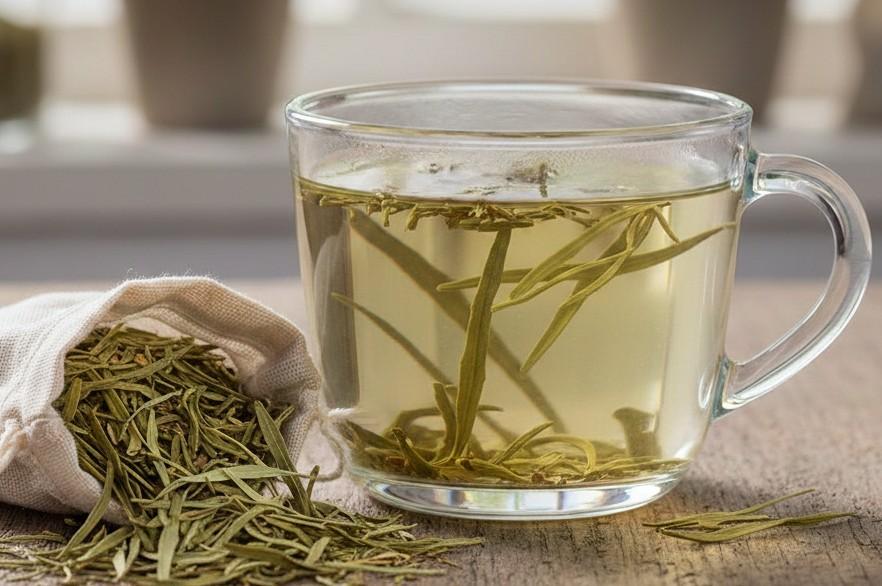
Green Rooibos tea is gaining attention among health enthusiasts and herbal tea lovers around the world. While traditional red rooibos has long been appreciated for its soothing taste and caffeine-free nature, green rooibos offers a less processed alternative that retains higher levels of antioxidants and plant compounds. With its mild flavor and potential health-supporting properties, this herbal infusion is becoming a valuable addition to wellness routines. This guide explores everything you need to know about green rooibos tea — from its origins and nutritional content to its benefits, side effects, preparation methods, and safe consumption practices.
What is Green Rooibos Tea?
Green Rooibos tea is an herbal infusion made from the leaves of the Aspalathus linearis plant, which grows primarily in the Cederberg region of South Africa. Unlike traditional red rooibos, green rooibos is not fermented after harvesting. Instead, the leaves are quickly dried to prevent oxidation, preserving their green color and higher concentration of beneficial phytochemicals.
Because it is naturally caffeine-free, green rooibos is often chosen as an alternative to black or green tea. It has a lighter, more grassy flavor compared to the sweet, nutty taste of red rooibos. The lack of fermentation also means it contains higher levels of antioxidants such as aspalathin and nothofagin, which are being studied for their potential health benefits. Green rooibos tea is consumed hot or cold and can also be used in skincare, cooking, and herbal blends.
Components of Green Rooibos Tea
The nutritional profile of green rooibos tea is relatively low in calories but rich in plant compounds and trace minerals. Values vary based on preparation and concentration, but the following table reflects approximate components per cup (240 ml) of brewed tea:
| Nutrient / Compound | Approximate Amount |
|---|---|
| Calories | 0–2 kcal |
| Caffeine | 0 mg |
| Protein | 0 g |
| Fat | 0 g |
| Carbohydrates | 0 g |
| Calcium | Trace |
| Magnesium | Trace |
| Zinc | Trace |
| Iron | Trace |
| Polyphenols | Present |
| Aspalathin | High |
| Nothofagin | Present |
| Flavonoids | Present |
| Antioxidant Capacity | High |
While not a significant source of macronutrients, its value lies in bioactive compounds that may contribute to overall wellness.
20 Science-Backed Benefits of Green Rooibos Tea
Below are benefits supported by research into rooibos and its phytochemical content. Though promising, these findings should not replace medical advice.
1. Rich in Antioxidants
Green rooibos contains higher antioxidant levels than fermented rooibos, which may help neutralize oxidative stress in the body.
2. Supports Heart Health
Polyphenols in rooibos may improve cholesterol balance and support vascular function.
3. May Aid Blood Sugar Regulation
Aspalathin has shown potential in studies for supporting glucose metabolism and insulin sensitivity.
4. Caffeine-Free Relaxation
Since it contains no caffeine, it can be consumed without causing stimulation or sleep disturbances.
5. Supports Skin Health
Antioxidants may protect skin cells from environmental stressors and premature aging.
6. May Reduce Inflammation
Plant compounds in rooibos exhibit anti-inflammatory properties that could support general wellness.
7. Promotes Digestive Comfort
Traditionally used to soothe stomach discomfort and mild digestive issues.
8. Supports Immune Function
Antioxidant activity may help strengthen natural defense mechanisms.
9. May Improve Bone Health
Trace minerals and flavonoids may contribute to bone-supportive activity.
10. Helps Hydration
A flavorful, caffeine-free beverage that encourages fluid intake.
11. Potential Anti-Aging Effects
Antioxidants may reduce oxidative processes linked to aging.
12. Supports Respiratory Comfort
Traditionally used for calming mild throat irritation.
13. May Help Stress Reduction
Herbal teas are often associated with relaxation rituals that reduce stress.
14. Supports Oral Health
Polyphenols may help reduce bacteria associated with dental concerns.
15. May Assist Weight Management
Zero-calorie content makes it a healthy beverage alternative.
16. Liver Support Potential
Some studies suggest antioxidant compounds may support liver function.
17. May Reduce Allergy Symptoms
Traditionally associated with histamine modulation, though evidence is limited.
18. Supports Healthy Circulation
Flavonoids may help maintain blood vessel flexibility.
19. Promotes Better Sleep
Absence of caffeine makes it suitable before bedtime.
20. May Protect Cellular Health
Antioxidant activity may support long-term cellular maintenance.
10 Side Effects of Green Rooibos Tea
Green rooibos is generally safe, but excessive or inappropriate use may cause issues.
1. Possible Allergic Reactions
Rarely, some individuals may experience sensitivity.
2. Hormonal Interference
Certain compounds may influence estrogen activity in sensitive individuals.
3. Liver Concerns
Very high consumption has been linked to rare liver complications.
4. Drug Interactions
Herbal compounds may interfere with certain medications.
5. Digestive Upset
Overconsumption may cause mild stomach discomfort.
6. Headaches
Rare reactions reported in sensitive individuals.
7. Blood Pressure Effects
May influence blood pressure levels in susceptible people.
8. Mineral Absorption Issues
Polyphenols may interfere with iron absorption if consumed excessively.
9. Skin Irritation (Topical Use)
External application may cause irritation in sensitive skin.
10. Pregnancy Uncertainty
Limited safety data means moderation is advisable.
How to Make Green Rooibos Tea?
Ingredients
- 1 teaspoon green rooibos leaves or 1 tea bag
- 1 cup boiling water
Steps
- Boil fresh water.
- Place tea leaves or bag into a cup.
- Pour hot water over the tea.
- Steep for 5–7 minutes.
- Strain if needed and serve.
Optional additions include honey, lemon, or plant milk.
Other Uses of Green Rooibos Tea
- Skincare rinse for soothing skin
- Hair rinse for scalp freshness
- Smoothie infusion
- Soup or broth base
- Ice cubes for beverages
- Homemade face masks
- Aromatic bath addition
How Much Green Rooibos Tea Can You Drink a Day?
Most people can safely consume 2–4 cups daily. Moderate intake provides benefits while minimizing potential risks. Individuals with medical conditions should consult a healthcare professional.
Tips for Consuming Green Rooibos Tea
- Choose high-quality loose leaves
- Avoid oversteeping for balanced flavor
- Store in airtight containers
- Combine with herbs for variety
- Drink without excess sweeteners
- Monitor personal tolerance
Best Time to Drink Green Rooibos Tea
- Morning as a caffeine-free alternative
- Afternoon hydration break
- Evening relaxation ritual
- After meals for digestion support
Because it lacks caffeine, it can be enjoyed at almost any time.
Who Should Drink Green Rooibos Tea?
- Individuals seeking caffeine-free beverages
- People interested in antioxidant-rich drinks
- Those wanting mild herbal support
- Tea enthusiasts exploring new flavors
- Individuals reducing sugar-sweetened beverages
Who Should Not Drink Green Rooibos Tea?
- People with known allergies to herbal teas
- Individuals on certain medications
- Those with hormone-sensitive conditions
- People advised by doctors to limit herbal intake
- Anyone experiencing adverse reactions
Precautions and Interactions
- Consult a healthcare provider if pregnant or breastfeeding
- Monitor for reactions if taking prescription medication
- Avoid excessive daily intake
- Discontinue use if unusual symptoms appear
- Purchase from reputable suppliers
Final Thoughts
Green Rooibos tea offers a unique blend of flavor, tradition, and potential wellness benefits. Its caffeine-free nature and antioxidant richness make it appealing for those seeking a gentle herbal beverage to complement a healthy lifestyle. However, like any herbal product, it should be consumed thoughtfully and in moderation. When used responsibly, green rooibos tea can be a refreshing and valuable addition to daily routines.
FAQ’s
What does green rooibos tea taste like?
Green rooibos tea has a light, fresh, and slightly grassy flavor compared to the naturally sweet and nutty taste of fermented red rooibos. It is mild and smooth, making it easy to drink plain or with natural additions like lemon or honey.
Is green rooibos tea caffeine-free?
Yes. Green rooibos tea is naturally caffeine-free, making it suitable for people who are sensitive to caffeine or want a calming beverage before bedtime.
Is green rooibos healthier than red rooibos?
Both types offer benefits, but green rooibos typically contains higher antioxidant levels because it is unfermented. This may give it a slight advantage in supporting overall wellness.
Can I drink green rooibos tea every day?
Yes, moderate daily consumption (2–4 cups) is generally considered safe for most healthy individuals. However, excessive intake should be avoided.
Does green rooibos tea help with weight loss?
It does not directly cause weight loss, but its zero-calorie nature makes it a healthy replacement for sugary beverages, which can support weight management efforts.
Can pregnant or breastfeeding women drink green rooibos tea?
Limited research is available, so it’s best to consult a healthcare professional before regular consumption during pregnancy or breastfeeding.
Does green rooibos tea stain teeth?
It is less likely to stain teeth compared to black tea due to lower tannin levels, though regular oral hygiene is still recommended.
Can children drink green rooibos tea?
Because it is caffeine-free, small amounts are generally considered safe, but it’s best to consult a pediatric professional for regular use.
How should green rooibos tea be stored?
Store it in an airtight container away from heat, moisture, and sunlight to preserve freshness and potency.
Can green rooibos tea be consumed cold?
Yes. It can be brewed hot and chilled to make iced tea, which retains its flavor and potential benefits.
What is Green Rooibos Tea made from?
Green rooibos tea is made from the unfermented leaves and stems of the Aspalathus linearis plant, native to South Africa. The leaves are harvested and quickly dried to prevent oxidation, which preserves their green color and higher antioxidant content.
How long does it take for Green Rooibos Tea to work?
Green rooibos tea is not a medication, so it does not produce immediate measurable effects. Some people may feel relaxation or hydration benefits shortly after drinking, while potential wellness effects from antioxidants typically occur gradually with consistent consumption over time.
What is Green Rooibos Tea good for?
It is commonly consumed for its antioxidant content, caffeine-free nature, and potential support for heart health, skin health, hydration, digestion, and relaxation. It is also used as a healthier alternative to sugary or caffeinated drinks.
Is green rooibos the same as green tea?
No. Green rooibos comes from the rooibos plant and is naturally caffeine-free, while green tea comes from the Camellia sinensis plant and contains caffeine. They differ in flavor, origin, and chemical composition.
Is green rooibos tea good for sleep?
Yes, it may be suitable before bedtime because it contains no caffeine. While it is not a sleep aid, its calming nature and warm preparation can support relaxation as part of a nighttime routine.
Also Read: