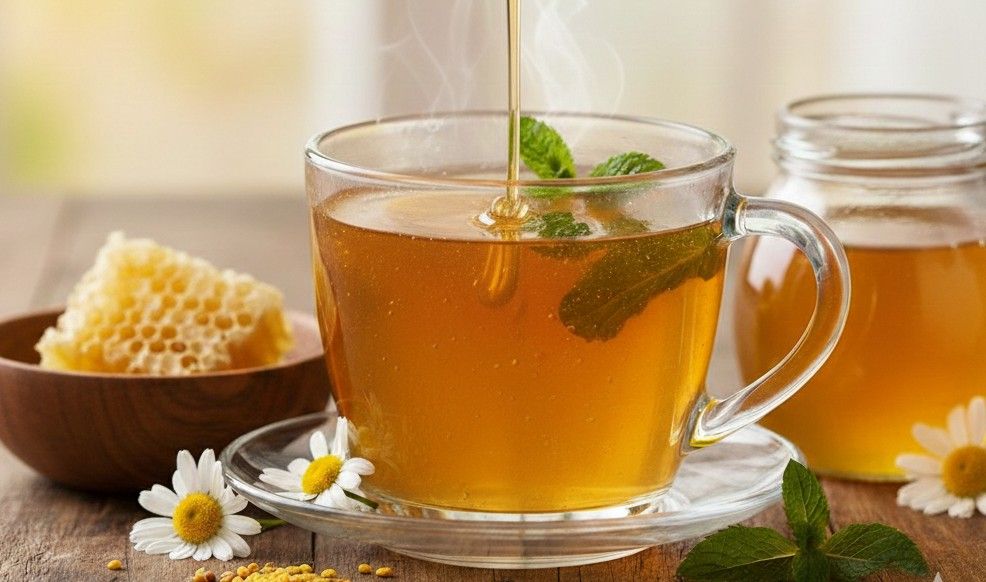
Honey tea is one of the simplest yet most comforting beverages enjoyed across cultures. Made by mixing natural honey into warm water or brewed tea, this drink has been used for centuries as a soothing remedy for sore throats, digestive discomfort, and general wellness support. Beyond its comforting taste, honey tea contains bioactive compounds, antioxidants, and natural sugars that may provide a range of health benefits when consumed in moderation. This guide explores what honey tea is, its nutritional facts, proven health benefits, possible side effects, preparation methods, and tips for safe consumption.
What is Honey Tea?
Honey tea is a warm beverage prepared by dissolving natural honey into hot water or herbal tea. It can be consumed plain or enhanced with ingredients like lemon, ginger, cinnamon, or herbs. Honey itself is produced by bees from flower nectar and contains natural sugars, enzymes, vitamins, minerals, and antioxidants.
Unlike refined sugar-sweetened drinks, honey tea is often considered a healthier alternative because honey provides additional nutritional value and bioactive compounds. It has long been used in traditional medicine systems such as Ayurveda, Traditional Chinese Medicine, and folk remedies to support respiratory health, digestion, and immune function.
Honey tea may be served:
- Plain (honey and warm water)
- With herbal infusions
- With lemon or ginger
- As a sweetener in black or green tea
Its versatility, natural sweetness, and therapeutic reputation have contributed to its global popularity.
Nutritional Facts of Honey Tea
The nutritional profile depends largely on the amount of honey used. The following table shows approximate nutrition for one cup of honey tea made with 1 tablespoon (21 g) of honey.
| Nutrient | Approximate Amount |
|---|---|
| Calories | 64 kcal |
| Carbohydrates | 17 g |
| Sugars | 17 g |
| Protein | 0 g |
| Fat | 0 g |
| Fiber | 0 g |
| Calcium | 1 mg |
| Potassium | 11 mg |
| Iron | 0.1 mg |
| Magnesium | Trace |
| Antioxidants | Present |
Honey also contains small amounts of enzymes, phenolic compounds, and flavonoids that contribute to its functional properties.
20 Science-Backed Benefits of Honey Tea
1. Supports Immune Function
Honey contains antioxidants and antimicrobial compounds that may enhance immune defense by helping the body combat infections and oxidative stress.
2. Soothes Sore Throat
Research suggests honey can coat the throat and reduce irritation, making honey tea a common remedy for coughs and throat discomfort.
3. Provides Natural Energy
The natural sugars in honey offer a quick energy boost without the rapid spike associated with refined sugar.
4. Rich in Antioxidants
Honey contains polyphenols that help neutralize free radicals, potentially reducing chronic disease risk.
5. Supports Digestive Health
Honey has prebiotic properties that encourage beneficial gut bacteria growth.
6. May Reduce Cough Frequency
Studies show honey may be as effective as some over-the-counter remedies for relieving nighttime cough in children over one year old.
7. Helps Hydration
Warm honey tea encourages fluid intake, which is important for overall bodily function.
8. May Promote Better Sleep
Consuming honey before bedtime may support melatonin release through liver glycogen replenishment.
9. Supports Heart Health
Antioxidants in honey may reduce inflammation and support cardiovascular wellness.
10. Anti-Inflammatory Properties
Honey’s natural compounds may help reduce inflammatory markers in the body.
11. Supports Wound Healing Internally
While best known for topical use, internal consumption of honey may support tissue repair due to its nutrient content.
12. May Improve Cholesterol Profile
Some studies suggest moderate honey intake may improve HDL cholesterol levels.
13. Helps Manage Cold Symptoms
Warm honey tea can relieve nasal congestion and throat dryness.
14. Supports Metabolic Function
Replacing refined sugar with honey may improve metabolic markers when used moderately.
15. May Aid Weight Management
Used instead of sugary beverages, honey tea can help reduce overall calorie intake.
16. Supports Skin Health
Antioxidants may promote healthier skin by reducing oxidative damage.
17. Helps Relieve Stress
Warm beverages have calming psychological effects that promote relaxation.
18. May Improve Oral Health
Honey’s antibacterial properties may inhibit certain harmful bacteria, though oral hygiene is still essential.
19. Supports Liver Function
Some evidence suggests honey may assist glycogen storage and liver health.
20. Provides Mild Detox Support
Hydration combined with antioxidants supports natural detoxification processes.
10 Side Effects of Honey Tea
1. High Sugar Content
Excess consumption may lead to increased calorie intake and weight gain.
2. Blood Sugar Spikes
People with diabetes should monitor intake due to natural sugars.
3. Allergic Reactions
Rarely, individuals sensitive to pollen or bee products may experience reactions.
4. Tooth Decay Risk
Sugars may contribute to dental issues if oral hygiene is neglected.
5. Infant Risk
Honey should never be given to infants under one year due to botulism risk.
6. Digestive Discomfort
Overconsumption may cause bloating or diarrhea.
7. Potential Medication Interactions
Honey may interfere with certain herbal or metabolic treatments.
8. Caloric Excess
Frequent intake may add hidden calories to the diet.
9. Contamination Risk
Poor-quality honey may contain impurities or additives.
10. Overheating Loss of Nutrients
Adding honey to boiling liquids can degrade beneficial compounds.
How to Make Honey Tea?
Basic Recipe
- Boil one cup of water.
- Let it cool slightly for a minute.
- Add one tablespoon of honey.
- Stir well and serve warm.
Variations
- Add lemon juice for vitamin C
- Add ginger slices for digestion
- Add cinnamon for flavor
Other Uses of Honey Tea
- Natural sweetener alternative
- Base for herbal infusions
- Comfort drink during illness
- Hydration beverage during winter
- Digestive support after meals
How Much Honey Tea Can You Drink a Day?
Moderation is key. For most healthy adults:
- 1–2 cups per day is generally considered safe
- Limit honey intake to 1–2 tablespoons daily
Those with medical conditions should consult a professional for personalized guidance.
Tips for Consuming Honey Tea
- Use raw or minimally processed honey when possible
- Avoid adding honey to boiling water
- Consume in moderation
- Pair with balanced nutrition
- Maintain dental hygiene after drinking
Best Time to Drink Honey Tea
- Morning: Gentle energy boost
- Afternoon: Hydration and relaxation
- Evening: Throat soothing and sleep support
- During illness: Symptom relief
Who Should Drink Honey Tea?
- Individuals with mild throat irritation
- Those seeking natural sweet alternatives
- People needing hydration support
- Adults looking for calming warm beverages
Who Should Not Drink Honey Tea?
- Infants under one year
- Individuals allergic to honey or pollen
- People with uncontrolled diabetes without medical advice
- Those on strict sugar-restricted diets
Precautions and Interactions
- Monitor intake if diabetic
- Check honey quality and source
- Consult healthcare professionals if pregnant, nursing, or medicated
- Avoid excessive consumption
- Store honey properly to prevent contamination
Conclusion
Honey tea is more than just a comforting beverage. It offers nutritional value, antioxidant support, soothing properties, and versatility in preparation. When consumed responsibly, it can be a beneficial addition to a balanced lifestyle. However, moderation, awareness of potential side effects, and consideration of individual health conditions are essential for safe consumption. By incorporating tea thoughtfully into daily routines, individuals can enjoy its warmth, flavor, and wellness-supporting qualities while maintaining overall health balance.
FAQ’s
What is honey tea made from?
Tea is made by mixing natural honey into warm water or brewed tea. It can also include ingredients like lemon, ginger, or herbs for additional flavor and potential wellness benefits.
Is honey tea good for a sore throat?
Tea may help soothe throat irritation because honey coats the throat and has natural antimicrobial properties. It is commonly used as a comforting home remedy for mild throat discomfort.
Can I drink honey tea every day?
Most healthy adults can safely drink 1–2 cups per day in moderation. However, excessive consumption may increase sugar intake, so balance is important.
Does honey tea help with cough?
Some research suggests honey may reduce cough frequency and improve sleep quality in individuals with mild respiratory irritation. Warm tea also helps keep the throat hydrated.
Can honey tea help with digestion?
Honey contains prebiotic compounds that may support beneficial gut bacteria, and warm liquids can help stimulate digestion.
Is honey tea safe for children?
Honey tea should never be given to infants under one year old due to the risk of botulism. Older children can consume it in small amounts.
Can people with diabetes drink honey tea?
Individuals with diabetes should consult a healthcare professional before consuming tea, as honey contains natural sugars that affect blood glucose levels.
Does heating honey destroy its benefits?
Adding honey to boiling water may reduce some beneficial compounds. It is best to let the water cool slightly before mixing in honey.
Can honey tea help with weight management?
When used as a substitute for sugary beverages, honey tea may support healthier calorie control. However, it still contains calories and should be consumed moderately.
Is honey tea caffeine-free?
Plain honey tea made with warm water is caffeine-free. If added to black or green tea, the caffeine content will depend on the base tea used.
Can I add other ingredients to honey tea?
Yes. Lemon, ginger, cinnamon, or mint are commonly added for flavor and additional wellness support.
Also Read: