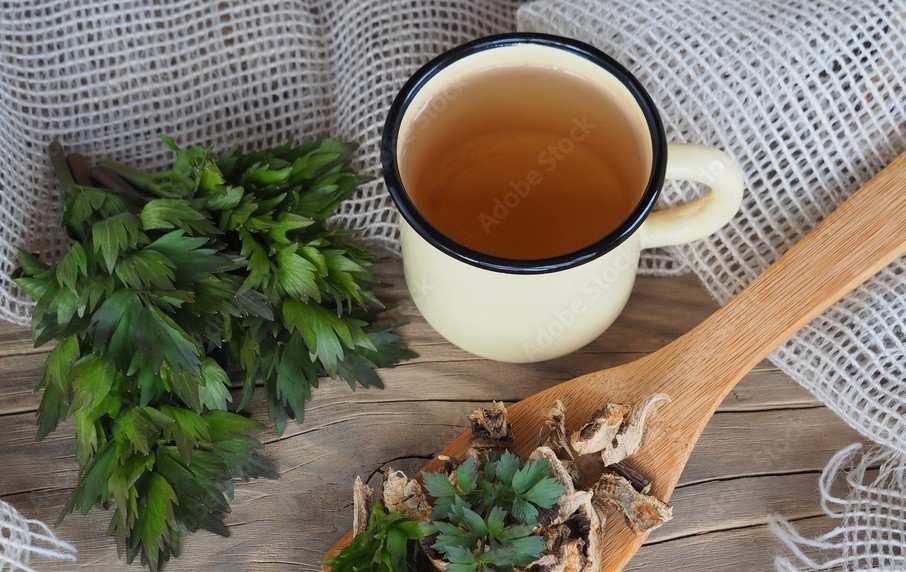
Herbal teas have been used for centuries across cultures as gentle remedies for digestion, inflammation, and overall wellness. While chamomile and peppermint often take center stage, lovage tea remains an underrated herbal infusion with a long history in traditional European and herbal medicine. Made from the leaves, stems, or roots of the lovage plant (Levisticum officinale), this aromatic tea offers a flavor similar to celery and carries a range of potential health benefits.
Lovage has traditionally been valued for its digestive support, mild diuretic effects, and anti-inflammatory compounds. Today, interest in herbal wellness has revived attention toward lovage tea, with researchers exploring its phytochemical profile and potential therapeutic roles. This guide explores everything you need to know about lovage tea, including proven health benefits, preparation, safety considerations, and practical consumption tips.
What is Lovage Tea?
Lovage tea is a herbal infusion prepared from the leaves, seeds, or roots of the lovage plant, a perennial herb belonging to the Apiaceae family. Native to the Mediterranean region but now cultivated worldwide, lovage has been used both as a culinary herb and medicinal plant for hundreds of years.
The tea is typically brewed by steeping dried or fresh lovage parts in hot water. It produces a savory, celery-like taste with mild bitterness and herbal undertones. Historically, lovage tea has been used in folk medicine to:
- Support digestion
- Promote urination
- Relieve bloating
- Ease menstrual discomfort
- Help with respiratory congestion
Modern phytochemical research shows that lovage contains compounds such as flavonoids, essential oils, coumarins, and phenolic acids. These compounds contribute to its antioxidant, antimicrobial, and anti-inflammatory properties.
Components of Lovage Tea
Since lovage tea is an infusion rather than a whole-food consumption, its nutritional contribution is modest. However, bioactive compounds extracted during brewing provide functional benefits. Below is an approximate nutritional and phytochemical profile per 1 cup (240 ml) of brewed lovage tea:
| Nutrient / Compound | Approximate Amount | Role in Health |
|---|---|---|
| Calories | 2–5 kcal | Minimal energy contribution |
| Vitamin C | Trace | Antioxidant support |
| Potassium | Small amounts | Fluid balance and nerve function |
| Calcium | Trace | Bone health |
| Iron | Trace | Oxygen transport |
| Flavonoids | Present | Antioxidant activity |
| Essential oils | Present | Digestive and antimicrobial effects |
| Coumarins | Present | Circulation support (in moderation) |
| Phenolic compounds | Present | Anti-inflammatory effects |
Note: Exact values vary depending on preparation strength and plant part used.
20 Science-Backed Benefits of Lovage Tea
While research on lovage tea specifically is still developing, studies on Levisticum officinale and its compounds provide insight into its potential benefits.
1. Supports Digestive Health
Lovage has traditionally been used to stimulate digestive secretions. Bitter compounds may help increase gastric enzyme production, supporting smoother digestion.
2. Reduces Bloating and Gas
Carminative properties in lovage may relieve intestinal gas and abdominal discomfort.
3. Mild Diuretic Effect
Research indicates lovage root extracts may increase urine output, helping reduce water retention and supporting kidney function.
4. Antioxidant Protection
Flavonoids and phenolic compounds combat oxidative stress, protecting cells from free radical damage.
5. Anti-Inflammatory Properties
Plant extracts show anti-inflammatory activity, which may support joint and tissue health.
6. Supports Urinary Tract Health
Increased urination can help flush bacteria and support urinary tract cleanliness.
7. Respiratory Relief
Traditionally used for coughs and congestion, lovage may help loosen mucus and soothe airways.
8. Menstrual Comfort
Herbal traditions suggest lovage tea may ease cramps due to its relaxing and circulatory effects.
9. Potential Antimicrobial Action
Studies have identified compounds that inhibit certain bacteria and fungi.
10. Circulatory Support
Coumarins may contribute to improved blood flow when consumed responsibly.
11. Promotes Detoxification
Its diuretic nature supports elimination of metabolic waste through urine.
12. Skin Health Support
Antioxidants help reduce inflammation that contributes to skin aging.
13. Appetite Stimulation
Bitters may encourage appetite in individuals with reduced hunger.
14. Liver Function Support
Traditional herbal practices use lovage for liver stimulation and bile flow support.
15. Kidney Stone Prevention Support
By promoting urination, lovage may help reduce mineral buildup risk.
16. Immune System Support
Antioxidant compounds assist immune defense.
17. Stress Relief
Warm herbal infusions can encourage relaxation and mild calming effects.
18. Weight Management Support
Low-calorie herbal tea may replace sugary beverages.
19. Joint Comfort
Anti-inflammatory effects may support those with occasional stiffness.
20. Oral Health Benefits
Antimicrobial compounds may reduce oral bacteria when consumed regularly.
10 Side Effects of Lovage Tea
Despite potential benefits, excessive or inappropriate use can lead to unwanted effects.
1. Photosensitivity
Lovage may increase skin sensitivity to sunlight, potentially causing irritation.
2. Allergic Reactions
People allergic to celery or carrot family plants may react.
3. Pregnancy Risks
Traditionally associated with uterine stimulation; not recommended.
4. Kidney Irritation
Overuse of diuretics may strain kidneys.
5. Blood Pressure Changes
Fluid loss may influence blood pressure levels.
6. Drug Interactions
May interact with diuretics or anticoagulants.
7. Digestive Upset
Large quantities may cause nausea or cramps.
8. Dehydration
Excess diuretic effect can reduce hydration.
9. Skin Irritation
Topical contact may irritate sensitive individuals.
10. Unknown Long-Term Safety
Limited long-term human trials exist.
How to Make Lovage Tea?
Ingredients:
- 1 teaspoon dried lovage leaves or roots (or 1 tablespoon fresh)
- 1 cup hot water
Instructions:
- Bring water to a boil.
- Place lovage in a teacup or infuser.
- Pour hot water over herb.
- Steep 5–10 minutes.
- Strain and serve.
Optional additions:
- Honey
- Lemon
- Ginger
Other Uses of Lovage Tea
- Facial steam for skin cleansing
- Hair rinse for scalp freshness
- Culinary broth base
- Gargle for throat soothing
- Aromatic bath addition
How Much Lovage Tea Can You Drink a Day?
Moderation is key. General herbal guidelines suggest:
- 1–2 cups daily for most healthy adults
- Avoid prolonged heavy consumption
- Consult a healthcare professional for medicinal use
Tips for Consuming Lovage Tea
- Start with small amounts
- Use high-quality dried herbs
- Avoid over-steeping to reduce bitterness
- Combine with milder herbs for flavor balance
- Stay hydrated
Best Time to Drink Lovage Tea
- After meals for digestion
- Morning for gentle detox support
- Early evening for relaxation
Avoid excessive intake before bedtime due to diuretic effects.
Who Should Drink Lovage Tea?
- Adults seeking digestive support
- Individuals managing mild bloating
- Those replacing sugary beverages
- Herbal tea enthusiasts
Who Should Not Drink Lovage Tea?
- Pregnant or breastfeeding individuals
- People with kidney disorders
- Those on blood-thinning medication
- Individuals with celery-family allergies
- Children without medical guidance
Precautions and Interactions
- Consult a healthcare provider if taking medication
- Avoid before surgery due to circulatory effects
- Limit sun exposure due to photosensitivity
- Monitor hydration levels
- Discontinue use if adverse reactions occur
Conclusion
Lovage tea is a flavorful and historically valued herbal infusion with potential benefits ranging from digestive support to antioxidant protection. While research continues to expand, traditional use and emerging scientific insights suggest that moderate consumption can be part of a balanced wellness routine. However, like any herbal remedy, it should be consumed thoughtfully, respecting dosage guidelines and individual health considerations.
Incorporating lovage tea into your routine offers an opportunity to explore a lesser-known botanical with both culinary and wellness value. With careful preparation and responsible consumption, it can become a distinctive addition to your herbal tea collection.
FAQ’s
What does lovage tea taste like?
Lovage tea has a savory, herbal flavor often compared to celery or parsley. Depending on brewing strength, it may taste slightly bitter, which can be balanced with lemon or honey.
Is lovage tea safe to drink daily?
For most healthy adults, drinking 1–2 cups per day in moderation is generally considered safe. However, long-term daily use should be discussed with a healthcare professional, especially if you have underlying health conditions.
Can lovage tea help with digestion?
Lovage has traditionally been used to support digestion and reduce bloating. Its bitter compounds may stimulate digestive secretions, helping the body process food more efficiently.
Does lovage tea have caffeine?
No, lovage tea is naturally caffeine-free, making it suitable for those avoiding stimulants or seeking a relaxing beverage option.
Can lovage tea support weight loss?
Lovage tea itself is not a weight-loss solution, but as a low-calorie beverage it can replace sugary drinks. Its mild diuretic effect may temporarily reduce water retention.
Is lovage tea safe during pregnancy?
It is generally not recommended during pregnancy due to its potential uterine-stimulating properties. Always consult a healthcare provider before using herbal teas while pregnant.
Can children drink lovage tea?
Lovage tea is not typically recommended for children without medical guidance due to limited safety research.
What part of the lovage plant is best for tea?
Leaves, seeds, and roots can all be used. Leaves are most common for mild flavor, while roots produce a stronger medicinal infusion.
Can lovage tea cause allergies?
Yes, individuals allergic to plants in the celery or carrot family may experience reactions and should avoid it.
How should lovage tea be stored?
Store dried lovage in an airtight container away from light and moisture. Brewed tea should be consumed fresh or refrigerated and used within 24 hours.
What is lovage tea made from?
Lovage tea is made by steeping the leaves, seeds, or roots of the lovage plant (Levisticum officinale) in hot water. It produces a savory herbal infusion similar in flavor to celery.
How long does it take for lovage tea to work?
Effects vary, but digestive or diuretic benefits may be noticed within a few hours. Long-term wellness benefits typically require regular consumption.
What is lovage tea good for?
Lovage tea is commonly used to support digestion, reduce bloating, promote fluid balance, and provide antioxidant support while serving as a caffeine-free herbal drink.
Also Read: