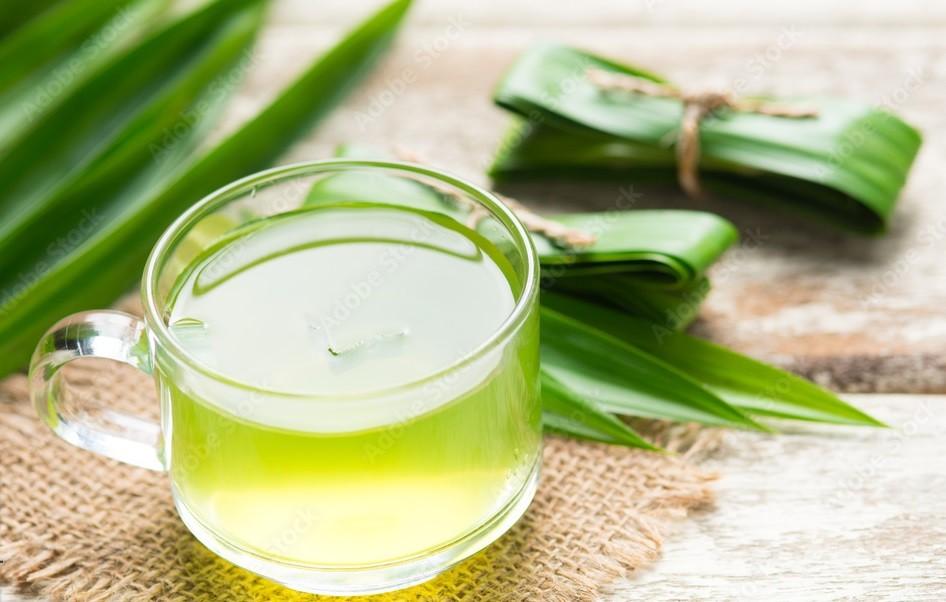
Pandan tea is gaining attention among herbal tea enthusiasts for its soothing aroma, mild sweetness, and potential health-supporting properties. Made from the leaves of the pandan plant, this tea has long been used in Southeast Asian culinary and traditional wellness practices. Although it is not as globally mainstream as green or chamomile tea, pandan tea offers a distinctive blend of flavor and functionality that appeals to people seeking natural beverage options.
This guide explores what pandan tea is, its nutritional profile, proven health benefits, possible side effects, preparation methods, and practical tips for safe consumption. Whether you’re new to herbal teas or expanding your wellness routine.
What is Pandan Tea?
Pandan tea is an herbal infusion made from the leaves of the pandan plant (Pandanus amaryllifolius), a tropical plant widely cultivated in Southeast Asia. The leaves are prized for their fragrant, vanilla-like aroma and are commonly used to flavor rice dishes, desserts, and beverages.
To prepare pandan tea, fresh or dried leaves are steeped in hot water, releasing their natural compounds, subtle sweetness, and characteristic scent. Unlike traditional teas derived from Camellia sinensis, pandan tea is caffeine-free, making it suitable for those who prefer or require non-stimulating beverages.
Traditionally, pandan leaves have been used in folk remedies to promote relaxation, support digestion, and soothe minor discomforts. Modern interest in herbal wellness has sparked research into their phytochemical content, including flavonoids, alkaloids, and antioxidants, which may contribute to potential health benefits. While many advantages are supported by preliminary scientific findings or nutritional reasoning, they should not replace medical treatment or professional guidance.
Components of Pandan Tea
The nutritional value of pandan tea varies depending on leaf quantity, steeping time, and whether fresh or dried leaves are used. Since it is an infusion, nutrient levels are relatively mild but still contribute beneficial plant compounds.
| Nutrient / Compound | Approximate Presence | Role in Health |
|---|---|---|
| Calories | Very low | Suitable for calorie-controlled diets |
| Carbohydrates | Trace | Minimal impact on blood sugar |
| Vitamin A | Small amounts | Supports vision and immune function |
| Vitamin C | Trace | Antioxidant and skin support |
| Calcium | Small amounts | Bone health contribution |
| Iron | Trace | Helps maintain red blood cell function |
| Flavonoids | Present | Antioxidant protection |
| Alkaloids | Present | May support physiological balance |
| Polyphenols | Present | Linked to reduced oxidative stress |
| Essential oils | Present | Contribute aroma and calming effect |
Note: Exact values are not standardized due to natural variation and preparation differences.
20 Science-Backed Benefits of Pandan Tea
- Rich in Antioxidants – Pandan tea contains flavonoids and polyphenols that may help neutralize harmful free radicals and reduce oxidative stress in the body.
- Supports Relaxation – Aromatic compounds in pandan leaves may promote a calming effect that contributes to stress reduction and mental relaxation.
- May Aid Sleep Quality – Being caffeine-free and mildly soothing, drinking pandan tea in the evening may help prepare the body for restful sleep.
- Potential Blood Sugar Support – Early research suggests pandan leaf extracts may assist in maintaining healthy glucose levels when paired with balanced nutrition.
- Supports Digestive Comfort – Traditionally consumed after meals, pandan tea may help ease minor bloating and digestive discomfort.
- May Reduce Mild Headaches – Herbal compounds associated with muscle relaxation may contribute to relief from occasional tension headaches.
- Supports Heart Health – Antioxidants present in the infusion may assist in protecting cardiovascular tissues from oxidative damage.
- Promotes Skin Health – Nutrients and antioxidants in pandan tea may indirectly support healthy skin through improved hydration and reduced oxidative stress.
- Mild Anti-Inflammatory Properties – Certain plant compounds found in pandan leaves may help reduce low-grade inflammation markers.
- Supports Detoxification Processes – Hydration combined with plant phytochemicals may assist the body’s natural detoxification pathways.
- May Help Manage Blood Pressure – Traditional use suggests mild relaxation effects on blood vessels, potentially contributing to balanced blood pressure levels.
- Encourages Hydration – Its pleasant taste can motivate increased fluid intake, benefiting overall bodily function.
- May Reduce Anxiety Symptoms – Aromatherapy-like scent qualities may play a role in calming nervous tension.
- Supports Joint Comfort – Folk applications have linked pandan infusions to relief from minor joint discomfort due to potential anti-inflammatory actions.
- May Improve Appetite Balance – Gentle digestive support may contribute to healthier appetite regulation.
- Provides Natural Flavor Without Sugar – Offers a naturally sweet aroma that can help reduce dependence on sugary drinks.
- Supports Oral Freshness – Traditional use indicates the aromatic compounds may help maintain breath freshness.
- May Contribute to Immune Function – Antioxidants and micronutrients can support the body’s immune responses when part of a balanced diet.
- Encourages Mindful Drinking Rituals – Herbal tea routines may foster relaxation and mental clarity through mindful consumption habits.
- Low Calorie Wellness Beverage – Its minimal caloric content makes it a supportive addition to healthy lifestyle plans.
10 Side Effects of Pandan Tea
- Allergic Reactions – Individuals sensitive to pandan leaves may experience itching, rash, or mild discomfort after consumption.
- Digestive Upset – Excessive intake may cause nausea or stomach irritation in sensitive individuals.
- Possible Blood Sugar Drops – Those managing diabetes should monitor intake, as herbal compounds may influence glucose levels.
- Blood Pressure Changes – Individuals with hypotension should exercise caution if consuming frequently.
- Medication Interactions – Herbal components may interact with certain prescriptions, altering their effectiveness.
- Overconsumption Risks – Drinking very large quantities may lead to imbalances due to cumulative herbal compounds.
- Pregnancy Concerns – Insufficient research means pregnant individuals should consult professionals before regular use.
- Breastfeeding Uncertainty – Limited data exists regarding safety during lactation.
- Contamination Risks – Poorly sourced leaves may carry pesticides or environmental contaminants.
- Individual Sensitivity – As with any herbal beverage, personal tolerance varies and mild side effects may occur.
How to Make Pandan Tea?
Preparing pandan tea is simple and adaptable.
Ingredients
- 3–5 fresh pandan leaves or 1–2 teaspoons dried leaves
- 2–3 cups water
Instructions
- Rinse leaves thoroughly and tie them into knots for easy observation.
- Bring water to a gentle boil.
- Add leaves and simmer for 10–15 minutes.
- Remove from heat and allow steeping for an additional 5 minutes.
- Strain and serve warm or chilled.
Optional additions include honey, lemon, or ginger for enhanced flavor.
Other Uses of Pandan Tea
Beyond drinking, pandan tea has alternative applications:
- As a base for smoothies or herbal blends
- Mixed into rice or dessert recipes for aroma
- Used in herbal steam inhalation
- Applied as a cooled rinse for skin or hair
- Incorporated into wellness routines as an aromatic beverage
How Much Pandan Tea Can You Drink a Day?
Moderation is key. For most healthy adults:
- 1–2 cups daily is generally considered moderate
- Up to 3 cups may be acceptable depending on tolerance
- Begin with small quantities to assess reaction
Always adjust intake based on health conditions or professional guidance.
Tips for Consuming Pandan Tea
- Use fresh, pesticide-free leaves whenever possible
- Avoid over-boiling to preserve aroma and nutrients
- Combine with other herbs cautiously
- Store brewed tea in refrigeration for limited periods
- Observe your body’s response when introducing it into your routine
Best Time to Drink Pandan Tea
- Evening for relaxation and unwinding
- After meals for digestive comfort
- Afternoon as a caffeine-free refreshment
Avoid treating it as a medical remedy for sleep or health conditions without consultation.
Who Should Drink Pandan Tea?
- Individuals seeking caffeine-free alternatives
- Those interested in herbal wellness routines
- People wanting aromatic hydration options
- Adults exploring traditional plant infusions
Who Should Not Drink Pandan Tea?
- Pregnant or breastfeeding individuals without professional advice
- People with known plant allergies
- Individuals on sensitive medications
- Those experiencing adverse reactions after consumption
Precautions and Interactions
- Consult healthcare professionals if you have chronic conditions
- Monitor for allergic or digestive responses
- Avoid replacing medical treatments with herbal beverages
- Ensure leaves are properly sourced and cleaned
- Keep consumption balanced and moderate
Conclusion
Pandan tea offers a unique fusion of fragrance, flavor, and potential wellness support rooted in traditional practice and emerging scientific interest. While it may provide antioxidants, relaxation benefits, and digestive comfort, it is best approached as a complementary beverage rather than a therapeutic solution. Understanding its nutritional composition, potential benefits, and precautions helps ensure safe and enjoyable consumption.
FAQ’s
What is pandan tea made from?
Pandan tea is made by steeping fresh or dried leaves of the pandan plant (Pandanus amaryllifolius) in hot water, creating a fragrant herbal infusion.
Does pandan tea contain caffeine?
No, pandan tea is naturally caffeine-free, making it suitable for people who want a relaxing beverage without stimulants.
What does pandan tea taste like?
Pandan tea has a mild, slightly sweet flavor with a distinctive aroma often compared to vanilla, coconut, or freshly baked rice.
Is pandan tea good for health?
It may offer antioxidant support, relaxation benefits, and digestive comfort, but it should be consumed as part of a balanced lifestyle rather than used as medical treatment.
Can pandan tea help with sleep?
Its calming aroma and caffeine-free nature may promote relaxation, which can indirectly support better sleep routines.
Is pandan tea safe during pregnancy?
There is limited scientific research on safety during pregnancy, so consulting a healthcare professional is recommended before regular consumption.
Can children drink pandan tea?
Small amounts may be safe, but it is best to introduce herbal teas cautiously and seek guidance from a healthcare provider.
How long should pandan leaves be boiled?
Typically, simmering leaves for 10–15 minutes followed by a short steeping period extracts flavor and aroma effectively.
Can pandan tea be stored for later use?
Yes, brewed tea can be refrigerated in a sealed container and consumed within 24–48 hours for best freshness and safety.
Can I drink pandan tea every day?
Yes, most healthy adults can drink pandan tea daily in moderation. About 1–2 cups per day is generally considered reasonable, but it’s best to monitor how your body responds and consult a healthcare professional if you have medical conditions or take medication.
How long does it take for pandan tea to work?
Pandan tea is not a fast-acting remedy, so effects such as relaxation or digestive comfort may be noticed within 20–60 minutes after drinking. Long-term wellness benefits depend on consistent consumption as part of a balanced lifestyle.
What is pandan tea good for?
Pandan tea is commonly consumed for its antioxidant content, calming aroma, digestive support, hydration, and as a caffeine-free alternative to regular tea. It may also contribute to relaxation and overall wellness when included in healthy habits.
What is pandan called in India?
In India, pandan is sometimes referred to as “screw pine” or “kewda plant,” although regional naming can vary and true culinary pandan leaves are less commonly used compared to Southeast Asia. Availability may depend on specialty or imported herb suppliers.
Also Read: