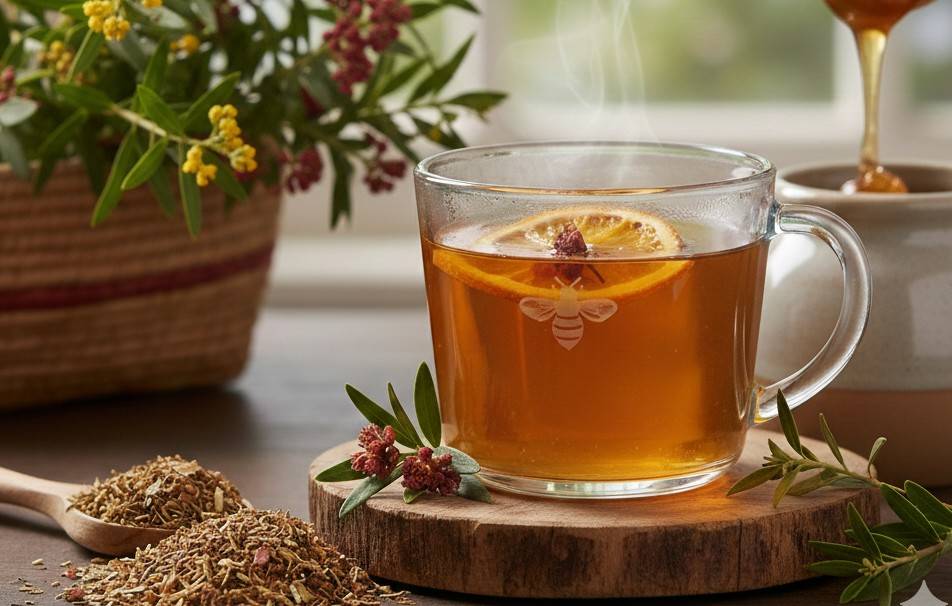
Honeybush tea has quietly gained popularity among herbal tea enthusiasts who are looking for a naturally sweet, caffeine-free beverage that supports overall wellness. Originating from South Africa, this herbal infusion is often compared to rooibos tea because of its warm, honey-like flavor and potential health benefits. Though not as widely known globally, honeybush tea is increasingly appreciated for its antioxidant content, soothing taste, and traditional medicinal uses. This guide explores what honeybush tea is, its proven health benefits, possible side effects, preparation methods, and practical tips for safe and enjoyable consumption.
What is Honeybush Tea?
Honeybush tea is a herbal infusion made from the leaves, stems, and flowers of plants belonging to the Cyclopia genus, native to the mountainous regions of South Africa’s Eastern and Western Cape provinces. The tea gets its name from the sweet aroma of the plant’s bright yellow flowers, which smell like honey when in bloom.
Traditionally, local communities brewed honeybush tea as a natural remedy for coughs, digestive discomfort, and general relaxation. The harvested plant material is fermented and dried, producing a reddish-brown tea similar in appearance to black tea, though naturally caffeine-free.
Unlike traditional teas derived from the Camellia sinensis plant, honeybush tea is classified as a herbal infusion. It contains naturally occurring antioxidants such as flavonoids and polyphenols, which contribute to its potential health-supporting properties.
Key characteristics of honeybush tea:
- Naturally caffeine-free
- Mildly sweet flavor with honey-like notes
- Low tannin content
- Suitable hot or cold
- Often blended with herbs or spices
Components of Honeybush Tea
Honeybush tea is not consumed for its macronutrient content but for its phytochemicals and micronutrients. Exact values vary depending on preparation and plant species, but the following table provides general estimates per cup (240 ml) of brewed tea:
| Nutrient / Compound | Approximate Amount |
|---|---|
| Calories | 0–2 kcal |
| Protein | 0 g |
| Fat | 0 g |
| Carbohydrates | 0 g |
| Caffeine | 0 mg |
| Calcium | Trace |
| Potassium | Trace |
| Magnesium | Trace |
| Iron | Trace |
| Polyphenols | Present |
| Flavonoids | Present |
| Antioxidants | Moderate levels |
| Tannins | Low |
Because it contains negligible calories and caffeine, honeybush tea is often incorporated into hydration or wellness routines.
20 Science-Backed Benefits of Honeybush Tea
Below are potential benefits supported by research on honeybush compounds or related herbal tea phytochemicals. While promising, these findings should not replace medical advice.
- Rich in Antioxidants: Honeybush tea contains polyphenols and flavonoids that help neutralize free radicals and protect cells from oxidative stress.
- Supports Immune Function: Its antioxidant compounds may assist the immune system by helping the body manage inflammation and environmental stressors.
- Promotes Relaxation: Being naturally caffeine-free, honeybush tea encourages calmness and can support mental relaxation without stimulating the nervous system.
- Aids Digestive Comfort: Traditional use and herbal research suggest it may soothe mild digestive discomfort and promote gut relaxation.
- Supports Heart Health: Polyphenols found in honeybush tea may help maintain healthy blood vessels and support cardiovascular wellness.
- Encourages Hydration: Its pleasant taste makes it easier to increase daily fluid intake, supporting overall hydration.
- May Reduce Inflammation: Bioactive plant compounds show anti-inflammatory properties in preliminary scientific studies.
- Supports Skin Health: Antioxidants may help protect skin cells from damage linked to premature aging and environmental stress.
- May Help Regulate Blood Sugar: Some plant flavonoids in honeybush have been studied for their potential role in glucose metabolism support.
- Soothes the Respiratory System: Traditionally consumed to ease coughs and throat irritation, it may provide gentle respiratory comfort.
- Improves Sleep Readiness: The absence of caffeine makes it suitable for evening consumption and sleep-friendly routines.
- Supports Bone Maintenance: Trace minerals and phytochemicals may contribute to maintaining healthy bone function.
- Helps Manage Stress: The ritual of drinking warm herbal tea combined with calming properties may reduce stress levels.
- Supports Weight Management Goals: Zero calories and natural sweetness make it a helpful alternative to sugary beverages.
- Promotes Liver Health: Antioxidant compounds may support natural detoxification processes in the liver.
- Protects Oral Health: Low tannin levels reduce enamel staining and may help maintain oral hygiene balance.
- May Ease Menopausal Symptoms: Phytoestrogen-like compounds are being researched for potential support in hormonal transitions.
- Supports Metabolic Wellness: Antioxidant activity may positively influence metabolic health markers.
- Protects Cellular Integrity: Free radical scavenging properties may help preserve healthy cell structure over time.
- Encourages Healthy Lifestyle Habits: Incorporating herbal tea into routines often promotes mindful hydration and healthier beverage choices.
10 Side Effects of Honeybush Tea
Though generally safe, overconsumption or individual sensitivities can lead to concerns.
- Possible Allergic Reactions: Individuals sensitive to herbal plants may experience itching, swelling, or irritation after consumption.
- Hormonal Sensitivity Concerns: Naturally occurring phytoestrogen-like compounds may affect people with hormone-sensitive conditions.
- Medication Interaction Risk: Active plant compounds could potentially interfere with certain prescription medications.
- Digestive Discomfort: Drinking large amounts may lead to mild stomach upset or bloating in sensitive individuals.
- Headache Potential: Rare sensitivities to herbal infusions may trigger headaches in some people.
- Blood Sugar Fluctuations: Individuals managing diabetes should monitor intake due to possible effects on glucose metabolism.
- Pregnancy Safety Uncertainty: Limited research means its safety during pregnancy is not fully established.
- Breastfeeding Considerations: Insufficient evidence exists regarding its transfer through breast milk or infant effects.
- Quality and Contamination Risks: Low-quality products may contain contaminants or additives if not sourced properly.
- Overconsumption Concerns: Excessive intake of any beverage may disrupt hydration balance or electrolyte levels.
How to Make Honeybush Tea?
Preparing honeybush tea is simple and similar to brewing other herbal infusions.
Ingredients:
- 1 teaspoon loose honeybush tea or 1 tea bag
- 1 cup boiling water
Instructions:
- Bring water to a boil.
- Add tea leaves or tea bag to a cup or teapot.
- Pour hot water over the tea.
- Steep for 5–7 minutes for full flavor extraction.
- Strain leaves or remove tea bag.
- Serve plain or with optional additions such as lemon or honey.
It can also be chilled and served as iced tea.
Other Uses of Honeybush Tea
Honeybush tea has applications beyond drinking:
- As a base for smoothies or herbal lattes
- Used in desserts or baked goods
- Added to bathwater for relaxation
- Used as a natural facial rinse
- Infused into syrups or sauces
- Combined with spices for aromatherapy-style beverages
How Much Honeybush Tea Can You Drink a Day?
Moderation is key for any herbal beverage.
- General safe range: 1–3 cups daily
- Occasional consumption above this is typically fine for healthy individuals
- Those with health conditions should consult professionals
Since it lacks caffeine, it is less restrictive than traditional tea, but balance is still recommended.
Tips for Consuming Honeybush Tea
- Choose high-quality organic sources
- Store in airtight containers
- Avoid excessive sweeteners
- Combine with a balanced diet
- Observe personal tolerance
- Drink fresh brews rather than storing long periods
- Rotate herbal beverages for variety
Best Time to Drink Honeybush Tea
- Morning: Gentle start without caffeine
- Afternoon: Hydrating alternative to sugary drinks
- Evening: Ideal for relaxation and winding down
- Before Bed: Supports calming routines
Because it contains no caffeine, timing is flexible.
Who Should Drink Honeybush Tea?
This tea may be suitable for:
- Individuals avoiding caffeine
- People seeking antioxidant-rich beverages
- Those wanting low-calorie hydration
- Adults seeking relaxation rituals
- Individuals exploring herbal wellness options
Who Should Not Drink Honeybush Tea?
Certain groups should exercise caution:
- Pregnant or breastfeeding individuals
- People with hormone-sensitive conditions
- Individuals with plant allergies
- Those on medication without medical consultation
- Children in large quantities
Precautions and Interactions
- Consult healthcare providers if on medication
- Avoid using as a substitute for medical treatment
- Monitor reactions during first use
- Purchase from reputable suppliers
- Maintain moderate intake
Potential interactions may involve medications affecting hormones, blood sugar, or metabolism, though research is limited and evolving.
Conclusion
Honeybush tea is a naturally sweet, caffeine-free herbal infusion with a long history of traditional use and growing recognition in modern wellness communities. Its antioxidant content, soothing flavor, and versatility make it an appealing addition to daily routines. While early research suggests promising health-supporting properties, it should be viewed as a complementary lifestyle beverage rather than a cure-all solution.
FAQ’s
What is honeybush tea made from?
Honeybush tea is made from the dried leaves, stems, and flowers of plants from the Cyclopia genus, native to South Africa, and brewed as a caffeine-free herbal infusion.
Does honeybush tea contain caffeine?
No, honeybush tea is naturally caffeine-free, making it suitable for people who want to avoid stimulants or enjoy tea in the evening.
What does honeybush tea taste like?
Honeybush tea has a naturally sweet, smooth flavor with mild honey-like and floral notes, and it is less bitter than many traditional teas.
Is honeybush tea healthy?
Honeybush tea contains antioxidants and plant compounds that may support general wellness when consumed as part of a balanced lifestyle.
Can honeybush tea help with sleep?
Because it contains no caffeine and has calming qualities, it may be a good addition to a bedtime relaxation routine.
Is honeybush tea safe during pregnancy?
There is limited scientific research on its safety during pregnancy, so consulting a healthcare professional before consuming it is recommended.
Can children drink honeybush tea?
Small amounts are generally considered safe due to the absence of caffeine, but large quantities should be avoided and guidance from a healthcare provider is advisable.
How is honeybush tea different from rooibos tea?
Both originate from South Africa and are caffeine-free, but they come from different plants, and honeybush typically has a sweeter, more floral flavor.
Can honeybush tea aid digestion?
Traditional use suggests it may help soothe mild digestive discomfort, although more research is needed to confirm specific effects.
Does honeybush tea support weight loss?
It is calorie-free and may replace sugary beverages, which can support weight management goals, but it is not a direct weight-loss solution.
How should honeybush tea be stored?
It should be kept in an airtight container in a cool, dry place away from sunlight to maintain freshness and flavor.
Can honeybush tea be consumed cold?
Yes, it can be brewed hot and chilled to create iced tea or used as a base for refreshing beverages.
Where can you buy honeybush tea?
It is available in health food stores, specialty tea shops, and online retailers that sell herbal teas.
Can I drink Honeybush Tea every day?
Yes, most adults can safely drink 1–3 cups daily since it is caffeine-free, but those pregnant, on medication, or with health conditions should consult a professional.
How long does it take for Honeybush Tea to work?
Its calming effects may be noticed shortly after drinking, while general wellness benefits develop gradually with regular use.
What is Honeybush Tea good for?
It supports hydration and relaxation and provides antioxidants that contribute to overall wellness as part of a healthy lifestyle.
Also Read: