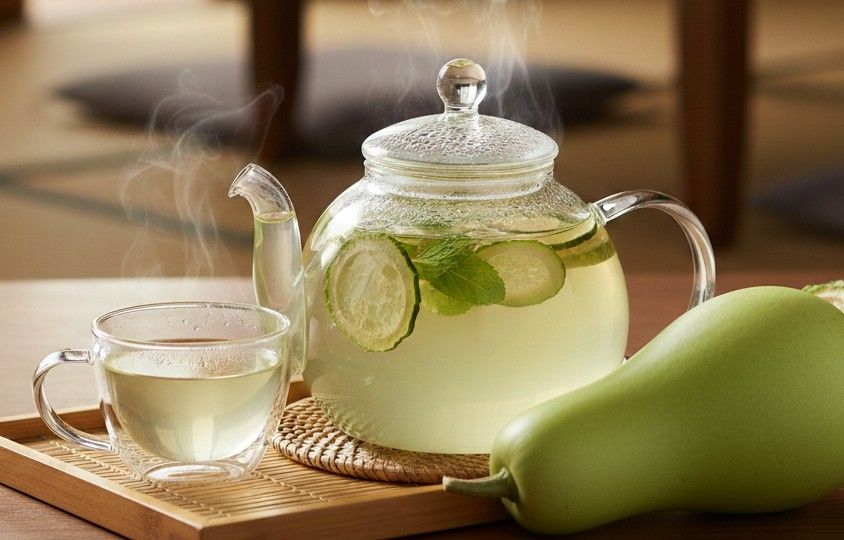
Herbal teas made from vegetables and plant extracts have become increasingly popular in natural wellness circles, and bottle gourd tea is one such emerging option. Bottle gourd — known as Lagenaria siceraria, lauki, or calabash — has long been used in traditional diets and Ayurvedic practices for hydration, digestion, and cooling the body. While it is commonly cooked as a vegetable or consumed as juice, preparing it as a tea offers a milder, soothing way to enjoy its potential benefits. This guide explores everything you need to know about bottle gourd tea — from proven health benefits to side effects, preparation, and precautions.
What is Bottle Gourd Tea?
Bottle gourd tea is a light herbal infusion made by boiling fresh bottle gourd pieces, dried slices, or sometimes powdered extracts in water. Unlike conventional teas derived from the Camellia sinensis plant, this beverage is caffeine-free and valued primarily for its hydrating and nutritional properties.
Bottle gourd is composed of nearly 90–92% water and contains small amounts of vitamins, minerals, and phytonutrients. In traditional wellness practices, it is regarded as cooling, easy to digest, and supportive of heart and liver health. When brewed into tea, these mild nutrients and plant compounds dissolve into the water, producing a subtle, earthy drink that can be consumed warm or cooled. It is important to note that bottle gourd should never taste bitter. Bitterness may indicate toxic compounds called cucurbitacins, and such gourds must be discarded immediately.
Nutritional Facts of Bottle Gourd Tea
Since bottle gourd tea is diluted, its nutritional density is lower than eating the vegetable itself. However, it still provides trace nutrients. The following values are approximate per 1 cup (240 ml) of unsweetened tea prepared from fresh gourd.
| Nutrient | Approximate Amount |
|---|---|
| Calories | 5–10 kcal |
| Carbohydrates | 1–2 g |
| Protein | <0.5 g |
| Fat | 0 g |
| Vitamin C | Trace amounts |
| Vitamin B Complex | Trace amounts |
| Potassium | 40–60 mg |
| Magnesium | Small traces |
| Calcium | Small traces |
| Fiber | Negligible |
| Water Content | Very high |
20 Science-Backed Benefits of Bottle Gourd Tea
Below are benefits linked to nutrients and plant compounds present in bottle gourd, supported by nutritional and physiological research on its components.
1. Supports Hydration
Its high water content contributes to fluid intake and helps maintain electrolyte balance.
2. May Promote Heart Health
Potassium and low sodium content support normal blood pressure regulation.
3. Aids Digestion
Traditionally used for soothing digestion due to its mild and easily digestible composition.
4. Helps in Weight Management
Low calories and high satiety potential make it useful in calorie-conscious diets.
5. May Assist Blood Sugar Regulation
Fiber and plant compounds in bottle gourd are associated with improved glycemic control.
6. Cooling Effect on the Body
Often consumed in warm climates for its refreshing and thermoregulating qualities.
7. Supports Liver Function
Traditional use and emerging research suggest antioxidant compounds may support liver health.
8. Provides Antioxidant Support
Contains vitamin C and phenolic compounds that help combat oxidative stress.
9. May Improve Sleep Quality
Light herbal beverages before bedtime may promote relaxation without caffeine interference.
10. Supports Urinary Health
Mild diuretic properties may help flush excess fluids.
11. Beneficial for Skin Health
Hydration and antioxidants contribute to skin vitality.
12. May Reduce Acidity
Its alkaline nature may soothe mild gastric discomfort.
13. Supports Detoxification Processes
Hydration and plant compounds assist natural body cleansing mechanisms.
14. May Enhance Metabolic Function
Micronutrients contribute to enzyme activity involved in metabolism.
15. Helps Maintain Electrolyte Balance
Potassium aids muscle and nerve function.
16. May Reduce Inflammation
Antioxidants help modulate inflammatory responses.
17. Supports Kidney Health
Hydration and low mineral load are gentle on renal processes.
18. May Improve Energy Levels
Light nourishment without heaviness can reduce fatigue linked to dehydration.
19. Gentle on the Digestive System
Suitable for sensitive stomachs when properly prepared.
20. Encourages Healthy Lifestyle Habits
Replacing sugary drinks with herbal tea supports overall wellness.
10 Side Effects of Bottle Gourd Tea
Although generally safe when prepared correctly, excessive or improper consumption may lead to issues.
1. Risk of Toxicity from Bitter Gourd
Consumption of bitter-tasting gourd can cause severe digestive reactions due to cucurbitacins.
2. Digestive Discomfort
Overconsumption may cause bloating or cramps.
3. Low Blood Sugar Episodes
May amplify effects of diabetes medications.
4. Hypotension Risk
Can contribute to lower blood pressure in sensitive individuals.
5. Allergic Reactions
Rare cases of sensitivity may occur.
6. Nutrient Dilution
Excess intake might reduce appetite for nutrient-dense foods.
7. Frequent Urination
Mild diuretic effects may cause inconvenience.
8. Nausea from Improper Preparation
Using spoiled or bitter gourds can trigger nausea.
9. Electrolyte Imbalance
Extreme consumption without dietary balance may disturb minerals.
10. Medication Interference
Possible interactions with antihypertensive or antidiabetic drugs.
How to Make Bottle Gourd Tea?
Ingredients:
- 1 cup fresh bottle gourd, peeled and chopped
- 2 cups water
- Optional: ginger slice, lemon juice, or mint
Steps:
- Wash thoroughly and taste a tiny raw piece to ensure it is not bitter.
- Peel and chop into small cubes.
- Boil water in a saucepan.
- Add gourd pieces and simmer for 10–12 minutes.
- Strain into a cup.
- Add optional flavorings if desired.
- Drink warm or chilled.
Other Uses of Bottle Gourd Tea
- As a base for soups or broths
- Cooling summer beverage
- Herbal detox routine addition
- Mixed with green tea or herbs
- Used as a mild fasting drink
How Much Bottle Gourd Tea Can You Drink a Day?
Moderation is key. Most healthy adults can safely consume:
- 1–2 cups daily for general wellness
- Up to 3 cups occasionally if tolerated
Excessive intake is not recommended due to potential digestive and metabolic effects.
Tips for Consuming Bottle Gourd Tea
- Always ensure the gourd is fresh and non-bitter
- Drink without added sugar
- Consume shortly after preparation
- Pair with balanced nutrition
- Start with small quantities
- Avoid overboiling to preserve nutrients
Best Time to Drink Bottle Gourd Tea
- Morning on an empty stomach for hydration
- Midday as a refreshing beverage
- Evening for relaxation and light digestion
Avoid immediately before intense physical activity due to mild diuretic effects.
Who Should Drink Bottle Gourd Tea?
- Individuals seeking low-calorie beverages
- People managing weight goals
- Those wanting caffeine-free tea alternatives
- Individuals needing hydration support
- People exploring traditional herbal drinks
Who Should Not Drink Bottle Gourd Tea?
- Those with known vegetable allergies
- People experiencing low blood pressure
- Individuals with unstable blood sugar levels
- Pregnant or breastfeeding individuals without medical advice
- Anyone who detects bitterness in the gourd
Precautions and Interactions
- Always discard bitter gourds
- Consult healthcare providers if taking medication
- Do not substitute for medical treatment
- Maintain variety in diet
- Monitor body reactions when trying for the first time
- Store ingredients properly to avoid spoilage
Final Thoughts
Bottle gourd tea represents a gentle, hydrating herbal beverage rooted in traditional dietary practices. While it offers potential benefits tied to hydration, micronutrients, and antioxidants, it should be consumed responsibly and with awareness of preparation quality. Like most natural remedies, its greatest value lies as part of a balanced lifestyle rather than a cure-all solution.
FAQ’s
Is bottle gourd tea safe to drink daily?
Yes, bottle gourd tea can generally be consumed daily in moderation, typically 1–2 cups per day. However, always ensure the gourd is fresh and not bitter, and consult a healthcare professional if you have underlying medical conditions or take medications.
What does bottle gourd tea taste like?
Bottle gourd tea has a very mild, slightly earthy taste with a watery vegetable undertone. Many people add ginger, mint, or lemon to enhance its flavor.
Can bottle gourd tea help with weight loss?
Bottle gourd tea is low in calories and hydrating, which may support weight management when combined with a balanced diet and physical activity. It should not be considered a standalone weight loss solution.
Is bottle gourd tea good for digestion?
Yes, its light and soothing nature may help support digestion and reduce mild discomfort such as acidity or bloating when consumed in moderation.
Can I drink bottle gourd tea on an empty stomach?
Many people drink it in the morning on an empty stomach for hydration and digestive support, but individuals with sensitive stomachs should start with small amounts.
How do I know if bottle gourd is unsafe to use?
Taste a tiny raw piece before cooking. If it tastes bitter, discard it immediately because bitterness may indicate toxic compounds that can cause serious health issues.
Does bottle gourd tea contain caffeine?
No, bottle gourd tea is naturally caffeine-free, making it suitable for people avoiding stimulants.
Can people with diabetes drink bottle gourd tea?
It may be suitable due to its low sugar content, but individuals managing diabetes should consult a healthcare professional before adding it regularly to their routine.
Can pregnant or breastfeeding women drink bottle gourd tea?
Safety data is limited, so it is best to consult a healthcare provider before consuming it regularly during pregnancy or breastfeeding.
How long can bottle gourd tea be stored?
It is best consumed fresh. If necessary, it can be refrigerated in a sealed container for up to 24 hours, but freshness and nutritional quality may decline.
What is Bottle Gourd Tea made from?
Bottle gourd tea is made from fresh or dried pieces of bottle gourd (also known as lauki or Lagenaria siceraria) that are boiled or steeped in water to create a mild herbal infusion. Some variations include added ingredients like ginger, mint, or lemon for flavor.
How long does it take for Bottle Gourd Tea to work?
Bottle gourd tea is not a medicinal treatment, so effects are generally subtle and vary by individual. Hydration or digestive comfort may be noticed shortly after consumption, while potential wellness benefits associated with regular intake typically depend on consistent use alongside a healthy lifestyle.
Is Bottle Gourd Tea safe for children?
In small, diluted amounts made from fresh, non-bitter bottle gourd, it is generally considered safe for older children. However, it should not replace nutritious meals, and parents should consult a pediatric healthcare professional before introducing it regularly.
What is Bottle Gourd Tea good for?
Bottle gourd tea is commonly consumed for hydration, digestive support, low-calorie refreshment, and as a caffeine-free alternative to traditional teas. It may also contribute small amounts of nutrients and antioxidants that support overall wellness when included in a balanced diet.
Also Read: