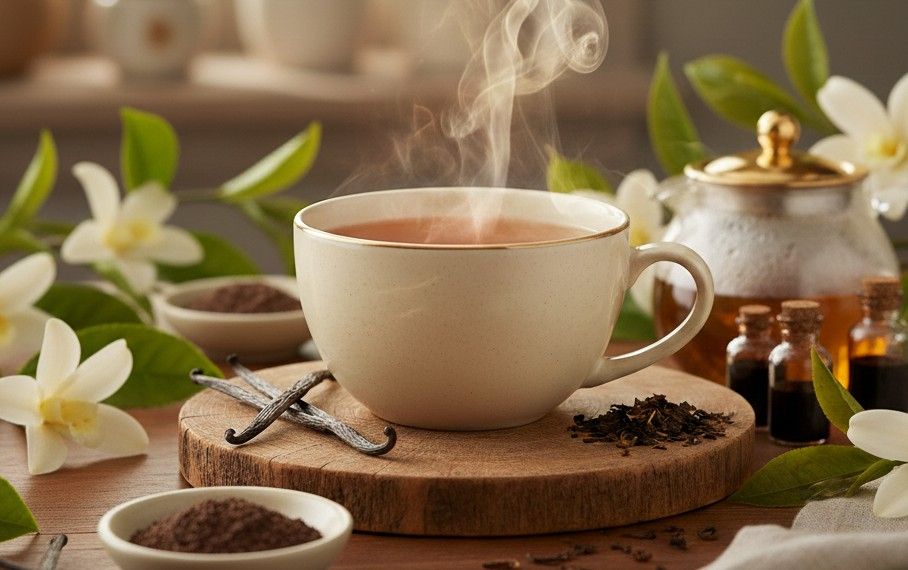
Vanilla is widely recognized as one of the most beloved flavors in the world, often associated with desserts, fragrances, and comforting aromas. Yet beyond its culinary role, vanilla can also be brewed into a soothing beverage known as vanilla tea. Whether made from vanilla beans, extract, or blended with traditional tea leaves, this drink offers more than just pleasant taste and aroma. It contains bioactive compounds that may contribute to overall wellness, relaxation, and digestive health. In this guide, you will learn what vanilla tea is, its proven health benefits, potential side effects, preparation methods, and practical tips for safe consumption.
What is Vanilla Tea?
Vanilla tea is an infused beverage prepared by steeping vanilla beans, vanilla extract, or vanilla-flavored tea blends in hot water. Unlike conventional teas derived from the Camellia sinensis plant, pure vanilla tea is technically an herbal infusion unless it includes black, green, or white tea leaves.
The flavor comes primarily from vanillin, the key aromatic compound found in vanilla pods. Vanilla has been used traditionally in beverages for its calming scent, digestive support, and mild antioxidant properties. Today, vanilla tea may be consumed on its own or blended with ingredients such as cinnamon, milk, honey, or herbal leaves for additional taste and health benefits. Depending on preparation, vanilla tea may be caffeine-free or contain caffeine if combined with true tea leaves.
Nutritional Facts of Vanilla Tea
The nutritional profile of vanilla tea varies based on preparation strength and added ingredients.
| Nutrient | Approximate Amount per Cup |
|---|---|
| Calories | 2–5 kcal |
| Carbohydrates | 0–1 g |
| Sugars | 0 g |
| Protein | 0 g |
| Fat | 0 g |
| Sodium | 1–3 mg |
| Potassium | Trace |
| Antioxidant Compounds | Present (trace levels) |
| Vanillin | Small natural quantity |
Note: Values are approximate and depend on brewing method and additives such as milk or sugar.
20 Science-Backed Benefits of Vanilla Tea
- Rich in Antioxidants: Vanilla contains phenolic compounds that may help neutralize free radicals and protect cells from oxidative stress.
- Supports Relaxation: The natural aroma of vanilla has been shown in studies to promote calmness and reduce anxiety levels.
- Mood Enhancement: Vanillin’s fragrance may stimulate neurotransmitter responses associated with emotional well-being.
- Digestive Comfort: Drinking warm vanilla tea may aid mild digestion discomfort and promote smoother digestion.
- Anti-Inflammatory Potential: Certain compounds in vanilla demonstrate mild anti-inflammatory activity in laboratory research.
- May Aid Sleep Quality: Consuming caffeine-free vanilla tea before bedtime may support relaxation and better sleep routines.
- Heart Health Support: Antioxidant components may contribute to maintaining cardiovascular health over time.
- Blood Sugar Balance: Vanilla’s flavor may reduce the need for added sugars in beverages, indirectly helping glucose management.
- Mild Appetite Control: The soothing aroma may help reduce cravings for sweets in some individuals.
- Respiratory Comfort: Warm herbal infusions may soothe throat irritation and mild respiratory discomfort.
- Cognitive Calmness: Aromatherapy research suggests vanilla scent may assist in reducing mental tension.
- Skin Health Support: Antioxidants in vanilla may contribute to healthier skin through oxidative stress reduction.
- Antibacterial Properties: Laboratory findings indicate vanillin exhibits mild antimicrobial activity.
- Supports Hydration: Drinking herbal tea contributes to daily fluid intake and hydration balance.
- Menstrual Comfort: Warm beverages may ease mild menstrual discomfort through relaxation effects.
- Nausea Relief: Gentle herbal infusions can sometimes help settle mild nausea symptoms.
- Immune Support: Antioxidants and hydration together may contribute to general immune resilience.
- Oral Freshness: Natural aromatic compounds may help temporarily improve breath freshness.
- Stress Reduction: Sensory relaxation from flavor and aroma may lower perceived stress levels.
- Weight Management Support: Replacing sugary drinks with low-calorie vanilla tea may assist calorie control.
10 Side Effects of Vanilla Tea
Although generally safe, excessive or improper use may produce unwanted effects.
- Allergic Reactions: Some individuals may experience sensitivity to vanilla compounds causing itching or swelling.
- Headaches: Strong vanilla aromas may trigger headaches in sensitive people.
- Digestive Upset: Consuming large amounts could lead to stomach discomfort.
- Blood Sugar Concerns: Sweetened vanilla tea may negatively impact glucose control.
- Medication Interactions: Herbal compounds may interfere with certain drugs if consumed excessively.
- Skin Sensitivity: Contact with concentrated extracts may irritate skin in rare cases.
- Pregnancy Concerns: High intake of concentrated vanilla products should be discussed with a healthcare provider.
- Caloric Additives: Milk or sugar additions may increase calorie intake unexpectedly.
- Caffeine Exposure: Blends containing black or green tea may cause jitteriness.
- Overconsumption Effects: Drinking excessive amounts may cause mild dizziness or imbalance.
How to Make Vanilla Tea?
Simple Vanilla Bean Tea
- Split one vanilla bean lengthwise.
- Add it to a cup of boiling water.
- Let it steep for 5–10 minutes.
- Remove bean and serve warm.
Vanilla Extract Tea
- Boil one cup of water.
- Add 1–2 drops of pure vanilla extract.
- Stir gently and drink.
Vanilla Milk Tea Variation
- Brew vanilla tea using bean or extract.
- Add warm milk and optional honey.
- Mix and enjoy.
Other Uses of Vanilla Tea
Vanilla tea is versatile beyond drinking alone.
- Used as a base for smoothies or iced beverages
- Incorporated into dessert recipes for flavor
- Applied as aromatic relaxation beverage during meditation
- Utilized in homemade beauty routines for skin rinses
- Served as a caffeine-free alternative to sweet drinks
How Much Vanilla Tea Can You Drink a Day?
For most healthy adults, consuming 1–3 cups daily is considered moderate and safe when prepared from natural vanilla sources. This quantity provides aroma and mild antioxidant benefits without excessive intake of compounds or additives.
Individuals sensitive to herbal products or using concentrated extracts should limit consumption and consult professionals if uncertain.
Tips for Consuming Vanilla Tea
- Choose natural vanilla beans or pure extract for quality flavor.
- Avoid excessive sweeteners to maintain health benefits.
- Combine with herbs like cinnamon for variety.
- Drink warm rather than extremely hot to protect throat tissues.
- Store vanilla ingredients properly to preserve aroma.
- Monitor portion size when using extract due to concentration.
- Pair with balanced meals for digestive comfort.
Best Time to Drink Vanilla Tea
Vanilla tea may be enjoyed throughout the day depending on preparation.
- Morning: Light infusion for calm start without caffeine
- Afternoon: Refreshing break from sugary beverages
- Evening: Ideal caffeine-free relaxation drink
- Before Bed: May promote calmness and sleep readiness
Who Should Drink Vanilla Tea?
Vanilla tea may be suitable for:
- Individuals seeking caffeine-free beverage alternatives
- Those interested in relaxing herbal drinks
- People aiming to reduce sugar consumption
- Individuals wanting mild digestive comfort support
- Anyone enjoying aromatic soothing teas
Who Should Not Drink Vanilla Tea?
Certain individuals should exercise caution.
- People with known vanilla allergies
- Those sensitive to strong aromas
- Pregnant individuals consuming concentrated extracts
- Individuals on medications without medical guidance
- People limiting herbal intake for medical reasons
Precautions and Interactions
- Consult healthcare professionals if using vanilla tea alongside medication.
- Avoid excessive extract use due to concentration strength.
- Ensure vanilla sources are food-grade and uncontaminated.
- Monitor reactions when introducing herbal beverages.
- Keep intake moderate and balanced within overall diet.
Conclusion
Vanilla tea is a soothing, aromatic beverage that combines comforting flavor with potential wellness benefits. From antioxidant support and relaxation effects to digestive comfort and hydration, it offers a gentle addition to daily routines. However, like any herbal infusion, moderation and awareness of individual sensitivity remain important.
FAQ’s
What is Vanilla Tea made from?
Vanilla tea is typically made by steeping vanilla beans, vanilla extract, or vanilla-flavored tea blends in hot water, sometimes combined with traditional tea leaves, milk, or spices.
What is Vanilla Tea good for?
Vanilla tea may support relaxation, hydration, mild digestive comfort, and antioxidant intake while providing a naturally soothing aroma and flavor.
Is Vanilla Tea caffeine-free?
Pure vanilla herbal tea made only from vanilla beans or extract is caffeine-free, but blends containing black or green tea leaves may include caffeine.
Can I drink Vanilla Tea every day?
Most healthy adults can safely drink 1–3 cups daily when prepared with natural ingredients and consumed in moderation.
Does Vanilla Tea help with sleep?
Caffeine-free vanilla tea consumed in the evening may promote relaxation due to its calming aroma and warm nature.
Can Vanilla Tea help with weight management?
Vanilla tea itself is low in calories and may help replace sugary beverages, which could indirectly support weight management goals.
Is Vanilla Tea safe during pregnancy?
Occasional moderate consumption is generally considered safe, but pregnant individuals should consult a healthcare professional before regular intake.
How long should Vanilla Tea be steeped?
Vanilla beans or extract are typically steeped in hot water for about 5–10 minutes for optimal flavor extraction.
Can I drink Vanilla Tea cold?
Yes, vanilla tea can be chilled and served as iced tea while retaining its flavor and aromatic properties.
Does Vanilla Tea contain nutrients?
Vanilla tea contains very small amounts of nutrients but provides antioxidant compounds that may contribute to overall wellness.
How long does it take for Vanilla Tea to work?
Vanilla tea does not produce immediate medicinal effects, but its calming aroma and warmth may promote relaxation shortly after consumption. Any general wellness benefits associated with hydration or antioxidants typically occur gradually with consistent intake.
How should Vanilla Tea be stored?
Prepared vanilla tea should be kept in a sealed container in the refrigerator and consumed within 24–48 hours. Dry vanilla beans or tea blends should be stored in an airtight container in a cool, dark place to preserve flavor and quality.
Is Vanilla Tea safe for children?
Mild vanilla tea made from natural vanilla beans without caffeine or added sugar is generally safe for older children in small amounts, but parents should consult a healthcare professional before introducing herbal beverages to young children.
What does Vanilla Tea taste like?
Vanilla tea has a smooth, naturally sweet, and creamy flavor with warm aromatic notes. It is typically mild and comforting, especially when blended with milk or spices.
Also Read: