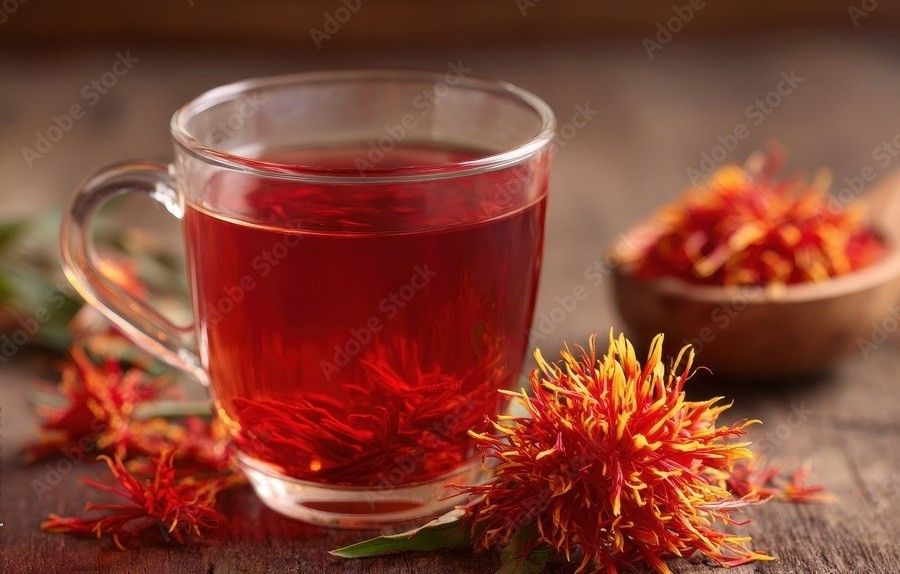
Safflower tea is a vibrant, herbal infusion made from the dried petals of the safflower plant. Known for its striking reddish-orange color and mild earthy flavor, this traditional beverage has been used for centuries in various cultures for its potential health-promoting properties. Today, safflower tea is gaining renewed interest for its antioxidant content, heart-supporting benefits, and potential role in women’s health. In this guide, we will explore everything you need to know about safflower tea — from its proven health benefits to possible side effects and preparation tips.
What is Safflower Tea?
Safflower tea is an herbal infusion made from the dried petals of the safflower plant, scientifically known as Carthamus tinctorius. This plant belongs to the Asteraceae family and is primarily cultivated for its oil-rich seeds and colorful petals.
Unlike true saffron derived from Crocus sativus, safflower is often referred to as “false saffron” because of its similar appearance and vibrant hue. However, the two plants differ significantly in flavor, chemical composition, and medicinal properties.
Safflower tea has been traditionally used in systems of medicine such as Traditional Chinese Medicine and Ayurveda, where it is valued for improving blood circulation, supporting menstrual health, and promoting cardiovascular wellness. The tea has a light, slightly earthy flavor with subtle floral notes, making it easy to incorporate into a daily routine.
Components of Safflower Tea
Safflower tea is naturally low in calories and contains beneficial plant compounds. While it is not a significant source of macronutrients, it provides bioactive compounds that may contribute to its health benefits. Below is an approximate nutritional profile per 1 cup (240 ml) of brewed safflower tea:
| Nutrient | Approximate Amount |
|---|---|
| Calories | 0–5 kcal |
| Carbohydrates | 0 g |
| Protein | 0 g |
| Fat | 0 g |
| Fiber | 0 g |
| Vitamin E (trace) | Small amounts |
| Flavonoids | Present |
| Polyphenols | Present |
| Linoleic Acid Compounds | Trace |
| Antioxidants | Present |
Note: The exact nutritional composition may vary depending on the concentration of petals used and brewing time.
20 Science-Backed Benefits of Safflower Tea
- Supports Heart Health: Safflower tea contains antioxidant compounds that may help protect the heart from oxidative stress and support healthy cardiovascular function.
- Improves Blood Circulation: It has traditionally been used to stimulate blood flow and reduce stagnation in the body.
- May Help Lower Inflammation: The flavonoids and polyphenols in safflower tea may help reduce inflammation associated with chronic conditions.
- Supports Healthy Cholesterol Levels: Certain plant compounds may assist in maintaining balanced LDL and HDL cholesterol levels.
- May Aid Blood Sugar Control: Safflower tea may help support insulin sensitivity and stable blood glucose levels when consumed moderately.
- Relieves Menstrual Cramps: It has been traditionally used to ease menstrual pain by promoting smoother blood flow.
- Encourages Regular Menstrual Cycles: Safflower tea may help regulate menstrual cycles in some women.
- Provides Antioxidant Protection: The antioxidants present in safflower tea help neutralize harmful free radicals in the body.
- Supports Digestive Function: It may gently stimulate digestion and reduce mild bloating or discomfort.
- May Assist in Weight Management: Some studies suggest safflower-related compounds may support fat metabolism when paired with healthy habits.
- Promotes Skin Health: Its antioxidant and anti-inflammatory properties may help maintain clearer and healthier-looking skin.
- May Reduce Fluid Retention: Safflower tea may have mild diuretic properties that help decrease excess water retention.
- Supports Joint Comfort: Its anti-inflammatory effects may contribute to improved joint flexibility and reduced discomfort.
- May Boost Immune Function: The antioxidant content may help strengthen the body’s natural defense system.
- Supports Liver Health: Traditional use suggests safflower may assist liver detoxification processes.
- May Improve Mood Balance: Certain plant compounds may support emotional well-being and reduce mild stress.
- Supports Respiratory Health: In traditional medicine, safflower has been used to ease mild respiratory discomfort.
- May Help Reduce Risk of Blood Clots: Its circulation-promoting properties may help reduce unhealthy clot formation, though more research is needed.
- Encourages Healthy Metabolism: Safflower tea may support metabolic activity as part of a balanced lifestyle.
- May Support Postpartum Recovery: Traditionally, safflower has been used to promote circulation during postpartum healing.
10 Side Effects of Safflower Tea
While generally considered safe in moderate amounts, safflower tea may cause side effects in certain individuals.
- Increased Bleeding Risk: Safflower tea may thin the blood and increase bleeding risk, especially for individuals taking anticoagulant medications.
- Heavy Menstrual Flow: Because it promotes circulation, it may increase menstrual bleeding in some women.
- Pregnancy Concerns: Safflower tea may stimulate uterine contractions and is generally not recommended during pregnancy.
- Allergic Reactions: Individuals allergic to plants in the Asteraceae family may experience rash, itching, or respiratory discomfort.
- Digestive Upset: Some people may experience mild stomach discomfort, nausea, or diarrhea.
- Low Blood Pressure: Safflower tea may slightly lower blood pressure, potentially causing dizziness in sensitive individuals.
- Headaches: Excessive consumption may trigger headaches in some people.
- Interaction with Blood Thinners: It may enhance the effects of medications like warfarin, increasing bleeding risk.
- Interaction with Diabetes Medications: Safflower tea may influence blood sugar levels and interact with glucose-lowering drugs.
- Pre-Surgery Risk: Due to its potential blood-thinning effects, it should be discontinued at least two weeks before surgery.
How to Make Safflower Tea?
Making safflower tea at home is simple.
Ingredients:
- 1–2 teaspoons dried safflower petals
- 1 cup hot water
- Honey or lemon (optional)
Instructions:
- Bring water to a gentle boil.
- Place safflower petals in a teapot or cup.
- Pour hot water over the petals.
- Steep for 5–10 minutes.
- Strain and serve warm.
- Add honey or lemon if desired.
For stronger tea, increase steeping time but avoid excessive concentration.
Other Uses of Safflower Tea
- Used as a natural food coloring.
- Added to herbal blends.
- Applied topically (cooled tea) for mild skin soothing.
- Used in traditional wellness tonics.
- Combined with ginger or cinnamon for enhanced flavor.
How Much Safflower Tea Can You Drink a Day?
For most healthy adults, 1–2 cups per day is considered moderate and generally safe. High doses or concentrated extracts should be avoided unless supervised by a healthcare professional.
Always start with small amounts to assess tolerance.
Tips for Consuming Safflower Tea
- Use high-quality, food-grade dried petals.
- Avoid excessive steeping to prevent bitterness.
- Do not combine with blood-thinning herbs without medical advice.
- Stay hydrated alongside herbal teas.
- Discontinue use if unusual symptoms appear.
Best Time to Drink Safflower Tea
- During mid-morning for circulation support.
- Before menstruation to help with cycle regulation.
- After meals to support digestion.
- Avoid right before surgery due to bleeding risk.
Who Should Drink Safflower Tea?
- Adults seeking natural antioxidant support.
- Women looking for menstrual cycle support.
- Individuals aiming to improve circulation.
- Those interested in herbal cardiovascular support.
Who Should Not Drink Safflower Tea?
- Pregnant women.
- Individuals with bleeding disorders.
- People on blood thinners.
- Those scheduled for surgery.
- Individuals allergic to ragweed or related plants.
Precautions and Interactions
Safflower tea may interact with:
- Anticoagulants and antiplatelet drugs.
- Blood pressure medications.
- Diabetes medications.
- Hormonal therapies.
Stop consumption at least two weeks before any surgical procedure. Always consult a healthcare provider if you have underlying health conditions or are taking prescription medications.
Final Thoughts
Safflower tea is a vibrant herbal beverage with a long history of traditional use. Its antioxidant content, circulation-supporting properties, and potential benefits for heart and menstrual health make it an appealing addition to a balanced wellness routine. However, like any herbal remedy, moderation is key.
FAQ’s
What is Safflower Tea made from?
Safflower tea is made from the dried petals of the safflower plant, scientifically known as Carthamus tinctorius. The bright orange-red petals are steeped in hot water to create a mild, herbal infusion.
How long does it take for Safflower Tea to work?
The effects of safflower tea vary depending on the individual and the purpose for which it is consumed. Some people may notice mild digestive or circulatory support within a few hours, while benefits related to menstrual regulation or cholesterol support may take several weeks of consistent use.
Is Safflower Tea safe for children?
Safflower tea is generally not recommended for young children unless advised by a healthcare professional. Its circulation-stimulating and blood-thinning properties may not be suitable for children without medical supervision.
What is Safflower Tea good for?
Safflower tea is commonly used to support heart health, improve blood circulation, relieve menstrual discomfort, reduce inflammation, and provide antioxidant protection. It is also valued in traditional medicine for promoting overall wellness and hormonal balance.
Is safflower tea the same as saffron tea?
No, safflower tea is made from the petals of Carthamus tinctorius, while saffron tea comes from the stigmas of Crocus sativus. Although safflower is sometimes called “false saffron” because of its similar color, the two plants differ in taste, chemical composition, and health properties.
Can I drink safflower tea every day?
Yes, most healthy adults can safely drink 1–2 cups per day in moderation. However, long-term daily use should be discussed with a healthcare provider, especially if you have underlying health conditions.
Does safflower tea help with menstrual cramps?
Safflower tea has traditionally been used to promote blood circulation and ease menstrual discomfort, and some women report relief from cramps and irregular cycles.
Is safflower tea good for heart health?
Safflower contains antioxidant compounds that may support cardiovascular health by reducing oxidative stress and promoting healthy circulation.
Can safflower tea help with weight loss?
Safflower tea may support metabolism and fat regulation when combined with a healthy diet and exercise, but it is not a standalone weight-loss solution.
Is safflower tea safe during pregnancy?
No, safflower tea is generally not recommended during pregnancy because it may stimulate uterine contractions and increase bleeding risk.
Does safflower tea thin the blood?
Yes, safflower has mild blood-thinning properties, which may increase bleeding risk, especially if taken with anticoagulant medications.
Can safflower tea lower blood sugar?
Some research suggests safflower compounds may influence blood sugar levels, so individuals with diabetes should monitor glucose levels and consult their doctor before regular use.
What does safflower tea taste like?
Safflower tea has a mild, slightly earthy and floral flavor with a light herbal aroma, making it easy to drink plain or with lemon and honey.
Can men drink safflower tea?
Yes, safflower tea is not limited to women. Men may benefit from its antioxidant and cardiovascular-supporting properties.
Does safflower tea contain caffeine?
No, safflower tea is naturally caffeine-free and can be enjoyed in the evening without affecting sleep in most people.
Can safflower tea cause allergies?
People allergic to plants in the Asteraceae family, such as ragweed or daisies, may experience allergic reactions.
Is safflower tea good for skin health?
The antioxidants in safflower tea may help protect skin cells from oxidative stress and support a healthy complexion.
How should safflower tea be stored?
Store dried safflower petals in an airtight container in a cool, dry place away from direct sunlight to preserve freshness and potency.
Also Read: