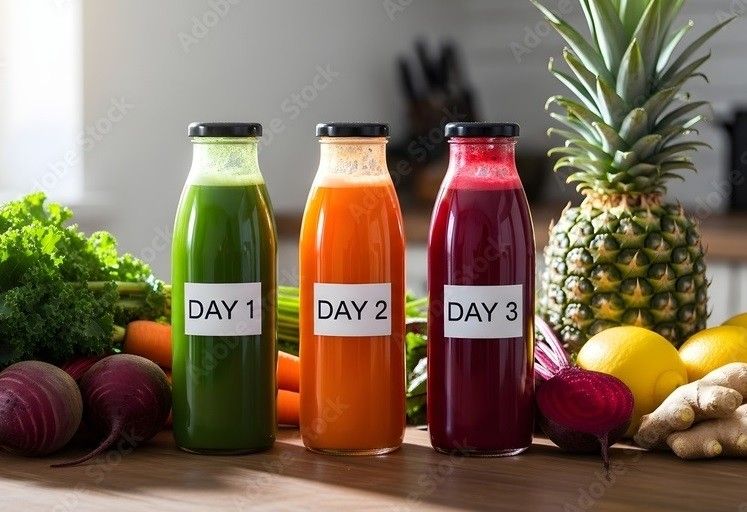
Juice cleanses have become a popular wellness trend, often promoted as a quick way to detox the body, lose weight, improve digestion, and boost energy. From celebrity endorsements to social media influencers, juice cleanses are frequently portrayed as a reset button for your health. But is a juice cleanse actually good for you?
In this guide, we’ll explore what a juice cleanse really is, how it affects your body, the potential benefits, the risks, what science says, and whether there are safer alternatives for achieving your health goals.
What Is a Juice Cleanse?
A juice cleanse, sometimes called a juice detox or juice fast, involves consuming only fruit and vegetable juices for a set period — typically anywhere from 1 to 10 days. During this time, solid foods are eliminated, and calorie intake is often significantly reduced.
Popular commercial programs such as those from BluePrint and Pressed Juicery offer pre-packaged juice cleanse plans that promise detoxification, weight loss, and improved vitality. Most juice cleanses include:
- Green juices (spinach, kale, cucumber, celery)
- Fruit juices (apple, pineapple, berries)
- Citrus blends (lemon, orange, grapefruit)
- Nut milks or plant-based protein drinks
- Herbal teas and water
Some programs include supplements or detox shots with ingredients like ginger, turmeric, or cayenne pepper.
Why Do People Do Juice Cleanses?
People are drawn to juice cleanses for several reasons:
- To “detox” their body
- To lose weight quickly
- To reduce bloating
- To improve skin clarity
- To reset unhealthy eating habits
- To boost energy
The appeal is understandable. The idea that you can flush out toxins and start fresh in just a few days is tempting. However, the real question is whether your body actually needs help detoxifying — and whether juice cleanses deliver on their promises.
Does Your Body Need a Detox?
The concept of detoxification is often misunderstood.
Your body already has a highly effective detox system, primarily managed by:
- The liver
- The kidneys
- The lungs
- The digestive system
The liver plays the central role in detoxification by filtering harmful substances and metabolizing waste. The kidneys then help eliminate these substances through urine. Unless you have liver or kidney disease, your body is already detoxifying itself every day.
There is currently no strong scientific evidence showing that juice cleanses enhance this natural detox process in healthy individuals.
Potential Benefits of Juice Cleanse
While many claims are exaggerated, juice cleanses may offer some short-term benefits under certain conditions.
1. Increased Intake of Fruits and Vegetables
Most people do not meet recommended daily fruit and vegetable intake. A juice cleanse can temporarily increase your consumption of plant-based nutrients such as:
- Vitamin C
- Potassium
- Folate
- Antioxidants
This nutrient boost may support immune function and overall health in the short term.
2. Temporary Weight Loss
Many people lose weight during a juice cleanse. However, this weight loss is usually due to:
- Calorie restriction
- Water loss
- Reduced glycogen stores
Because juice cleanses are very low in protein and calories, the body may also break down muscle tissue. Once regular eating resumes, most of the lost weight returns.
3. Reduced Processed Food Intake
For individuals who regularly consume highly processed foods, sugar-sweetened beverages, and fast food, switching to vegetable-based juices can reduce sodium, unhealthy fats, and additives temporarily.
This may lead to feeling lighter or less bloated, but it does not necessarily indicate toxin removal.
4. Increased Awareness of Eating Habits
Some people use juice cleanses as a psychological reset. By temporarily eliminating solid foods, they may become more mindful about their future food choices.
However, sustainable habit change typically requires structured lifestyle modifications rather than extreme short-term interventions.
Risks and Side Effects of Juice Cleanses
Despite potential short-term benefits, there are significant drawbacks to consider.
1. Lack of Protein
Juice cleanses are typically very low in protein. Protein is essential for:
- Maintaining muscle mass
- Supporting immune function
- Repairing tissues
- Stabilizing blood sugar
Even a few days of very low protein intake can contribute to muscle breakdown, especially in active individuals.
2. Blood Sugar Spikes
Fruit juices contain concentrated natural sugars without the fiber found in whole fruits. Without fiber, sugar is absorbed quickly into the bloodstream, causing rapid spikes and crashes in blood glucose.
This can lead to:
- Fatigue
- Irritability
- Headaches
- Increased hunger
For people with insulin resistance or diabetes, juice cleanses can be particularly risky.
3. Low Fiber Intake
Juicing removes most of the fiber from fruits and vegetables. Fiber is essential for:
- Digestive health
- Gut microbiome balance
- Blood sugar regulation
- Cholesterol control
Ironically, many juice cleanses claim to improve gut health, yet they eliminate one of the most important components for digestive wellness.
4. Nutrient Imbalances
While juices contain vitamins and antioxidants, they often lack:
- Healthy fats
- Adequate protein
- Iron
- Vitamin B12
- Zinc
Prolonged cleanses can lead to nutrient deficiencies, fatigue, and dizziness.
5. Slowed Metabolism
Severe calorie restriction can signal the body to conserve energy. Over time, this may slow metabolic rate, making long-term weight maintenance more difficult.
6. Risk of Disordered Eating Patterns
Juice cleanses promote an all-or-nothing approach to eating. For some individuals, this can contribute to unhealthy relationships with food, guilt, or binge-restrict cycles.
What Does Science Say About Juice Cleanses?
Research on juice cleanses is limited. Most detox claims are not supported by high-quality scientific evidence.
Some small studies have examined short-term juice fasting and found temporary changes in gut bacteria and weight. However:
- Results are often short-lived
- Sample sizes are small
- Long-term effects are unknown
Major health organizations do not recommend juice cleanses as a method for detoxification or sustainable weight loss.
Are Juice Cleanses Safe for Everyone?
Juice cleanses are not appropriate for certain groups, including:
- Pregnant or breastfeeding individuals
- People with diabetes
- Individuals with kidney disease
- Those with a history of eating disorders
- People taking certain medications
If someone has a medical condition, it is important to consult a healthcare provider before attempting a cleanse.
Juice Cleanse vs. Whole Food Diet
A balanced whole food diet offers significant advantages over a juice cleanse.
Whole foods provide:
- Fiber
- Protein
- Healthy fats
- Complex carbohydrates
- Micronutrients in natural balance
Instead of removing solid food, focusing on adding more vegetables, fruits, lean proteins, whole grains, and healthy fats can support detoxification naturally by supporting liver and kidney function.
Can a Short Juice Cleanse Ever Be Helpful?
For generally healthy adults, a very short juice cleanse (1–2 days) is unlikely to cause serious harm. However, it should not be viewed as:
- A long-term health strategy
- A solution for chronic disease
- A permanent weight-loss method
If someone chooses to try a short cleanse, it is important to:
- Stay hydrated
- Avoid strenuous exercise
- Include some protein if possible
- Return to balanced meals gradually
Better Alternatives to a Juice Cleanse
If your goal is to feel lighter, reduce bloating, or improve overall health, there are more effective and sustainable approaches.
1. Increase Whole Vegetables and Fruits
Instead of juicing, try:
- Smoothies with whole fruits and vegetables
- Salads with lean protein
- Roasted vegetables
Blending preserves fiber, which supports gut and metabolic health.
2. Stay Hydrated
Drinking enough water helps kidneys eliminate waste efficiently.
3. Reduce Processed Foods
Cutting back on highly processed, high-sodium, and sugary foods can significantly improve how you feel within days.
4. Prioritize Sleep
Sleep plays a critical role in metabolic regulation and toxin processing.
5. Support Gut Health
Include:
- Fermented foods (yogurt, kefir, sauerkraut)
- High-fiber foods
- Prebiotic-rich vegetables
6. Exercise Regularly
Physical activity supports circulation, lymphatic movement, and overall metabolic health.
3-Day Juice Cleanse for Beginners
Preparation Phase (3–5 Days Before Starting)
| Phase | What to Reduce | What to Increase | Why It Matters |
|---|---|---|---|
| 3–5 Days Before | Caffeine, alcohol, processed foods, added sugar, fried foods | Water, vegetables, fruits, whole grains | Reduces withdrawal symptoms and prepares your body for lower calorie intake |
Daily Juice Plan
| Day | Focus | What You May Feel | Key Tip |
|---|---|---|---|
| Day 1 | Adjustment | Hunger, mild headache, caffeine withdrawal | Drink plenty of water |
| Day 2 | Low-Energy Phase | Fatigue, lighter feeling, possible irritability | Rest and avoid intense workouts |
| Day 3 | Adaptation | Reduced bloating, possible weakness | Prepare for gentle reintroduction of solid food |
3-Day Juice Cleanse Plan
Day 1
| Time | Juice | Ingredients | Purpose |
|---|---|---|---|
| Morning | Warm Lemon Water | Lemon + warm water | Hydration and digestion support |
| Breakfast | Green Juice | Spinach, cucumber, celery, green apple, lemon | Nutrient boost |
| Mid-Morning | Carrot Ginger Juice | Carrot, ginger, orange | Antioxidants and flavor |
| Lunch | Green Detox Juice | Kale, cucumber, celery, parsley | Alkalizing vegetables |
| Afternoon | Beet Juice | Beetroot, carrot, apple | Circulation support |
| Evening | Light Green Juice | Cucumber, spinach, lemon | Light hydration |
| Before Bed | Herbal Tea | Chamomile or peppermint | Relaxation |
Day 2
| Time | Juice | Ingredients | Purpose |
|---|---|---|---|
| Morning | Lemon Water | Lemon + warm water | Hydration |
| Breakfast | Green Juice | Kale, cucumber, celery, lemon | Electrolytes |
| Mid-Morning | Carrot Apple Juice | Carrot, green apple | Natural sweetness |
| Lunch | Green Protein Option (Optional) | Spinach, cucumber + plant protein powder | Muscle support |
| Afternoon | Beet Ginger Juice | Beet, ginger, cucumber | Energy support |
| Evening | Vegetable Broth (Optional) | Homemade vegetable broth | Sodium balance |
| Before Bed | Herbal Tea | Ginger or chamomile | Calming effect |
Day 3
| Time | Juice | Ingredients | Purpose |
|---|---|---|---|
| Morning | Lemon Water | Lemon + warm water | Hydration |
| Breakfast | Green Juice | Spinach, cucumber, celery | Nutrient intake |
| Mid-Morning | Carrot Ginger Juice | Carrot, ginger | Antioxidants |
| Lunch | Green Juice with Apple | Kale, cucumber, small apple | Mild sweetness |
| Afternoon | Beet Juice | Beet, carrot | Circulation |
| Evening | Light Green Juice | Cucumber, parsley | Gentle finish |
| Before Bed | Herbal Tea | Chamomile | Relaxation |
Daily Nutritional Overview (Approximate)
| Nutrient | Estimated Intake | Notes |
|---|---|---|
| Calories | 800–1200 kcal | Depends on juice quantity |
| Protein | Very low (10–20g unless added) | Consider plant protein supplement |
| Fiber | Very low | Most fiber removed during juicing |
| Sugar | Moderate to high | Limit fruit-heavy juices |
| Fat | Minimal | May cause low satiety |
Post-Cleanse Reintroduction Plan (Day 4)
| Meal | Recommended Foods | Purpose |
|---|---|---|
| Breakfast | Smoothie or fresh fruit | Gentle digestion |
| Lunch | Steamed vegetables + quinoa | Reintroduce fiber |
| Dinner | Lean protein + vegetables | Restore balance |
Important Safety Notes for Beginners
| Recommendation | Reason |
|---|---|
| Avoid intense exercise | Low calorie intake reduces stamina |
| Stay hydrated | Prevent dizziness |
| Limit cleanse to 3 days | Avoid nutrient deficiencies |
| Consult doctor if medical condition exists | Safety first |
Common Myths About Juice Cleanses
Myth 1: Juice Cleanses Remove Toxins
There is no scientific evidence that juice cleanses remove toxins beyond what the liver and kidneys already handle.
Myth 2: Weight Loss from Juice Cleanses Is Permanent
Most weight lost during a cleanse is water weight and glycogen, not fat.
Myth 3: More Juice Means Better Health
Excessive juice consumption can increase sugar intake and reduce protein and fat intake, leading to imbalances.
The Psychological Appeal of Juice Cleanses
Juice cleanses often represent control, renewal, and simplicity. In a world of complex diet advice, a simple “drink this for three days” plan feels manageable. However, sustainable health rarely comes from extreme short-term strategies. Long-term consistency matters far more than temporary restriction.
The Bottom Line: Is a Juice Cleanse Good for You?
For most healthy individuals, a short juice cleanse is unlikely to cause serious harm. However, it is not necessary for detoxification and is not a sustainable approach to weight loss or long-term health.
The body already has powerful detox systems in place. Supporting those systems through:
- Balanced nutrition
- Hydration
- Sleep
- Physical activity
- Stress management
is far more effective than restricting yourself to juice alone.
If your goal is improved energy, clearer skin, weight loss, or digestive health, a balanced whole-food approach will provide better and more lasting results.
Before starting any extreme dietary change, especially if you have underlying medical conditions, consult a qualified healthcare professional.
Final Thoughts
Juice cleanses can feel like a fresh start, but real health is built through consistent daily habits. Instead of looking for quick fixes, focus on nourishing your body with a variety of whole foods, staying active, and supporting your natural detox systems.
Health is not about deprivation. It is about balance, sustainability, and informed choices grounded in science. If you are considering a juice cleanse, ask yourself what you hope to achieve. There is almost always a safer, more effective path to that goal — and it does not require eliminating solid food.
FAQ’s
Does a juice cleanse really detox your body?
There is no strong scientific evidence that juice cleanses remove toxins from the body. Your liver, kidneys, lungs, and digestive system already detoxify your body naturally. For most healthy people, additional detox programs are unnecessary.
How much weight can you lose on a juice cleanse?
Weight loss varies, but most people lose a few pounds during a juice cleanse due to reduced calorie intake and water loss. However, much of this weight is temporary and may return once normal eating resumes.
Is the weight loss from a juice cleanse permanent?
In most cases, no. The weight lost during a cleanse is largely water weight and depleted glycogen stores rather than body fat. Sustainable weight loss typically requires long-term dietary and lifestyle changes.
Are juice cleanses safe?
Short-term juice cleanses may be tolerated by some healthy adults, but they are not suitable for everyone. They can cause fatigue, dizziness, low blood sugar, and nutrient deficiencies, especially if done for extended periods.
Can a juice cleanse improve digestion?
Some people report feeling less bloated during a cleanse, possibly due to reduced intake of processed foods. However, juices lack fiber, which is essential for healthy digestion. Whole fruits and vegetables are generally better for long-term gut health.
Do juice cleanses boost energy?
Energy levels vary. Some individuals initially feel energized due to increased vitamin intake, but many experience fatigue due to low calorie and protein intake. Blood sugar fluctuations can also cause energy crashes.
How long should a juice cleanse last?
If someone chooses to try a juice cleanse, it is generally safer to limit it to 1–2 days. Longer cleanses increase the risk of nutrient deficiencies and muscle loss.
Can you exercise during a juice cleanse?
Light activity such as walking or stretching may be fine, but intense workouts are not recommended. Low calorie and protein intake can reduce stamina and increase the risk of dizziness or injury.
Is juicing better than eating whole fruits and vegetables?
No. Juicing removes most of the fiber found in whole fruits and vegetables. Fiber plays a critical role in digestion, blood sugar control, and heart health. Eating whole foods provides more balanced nutrition.
Can a juice cleanse reset your metabolism?
There is no scientific evidence that juice cleanses “reset” metabolism. In fact, severe calorie restriction may temporarily slow metabolic rate as the body adapts to conserve energy.
Are green juices healthier than fruit juices?
Green juices are generally lower in sugar than fruit-only juices and may provide more vitamins and minerals per serving. However, they still lack fiber unless blended into smoothies rather than juiced.
Is a smoothie cleanse better than a juice cleanse?
Smoothies can be more balanced because they retain fiber and can include protein and healthy fats. A well-constructed smoothie plan may be more nutritious than a juice-only cleanse, though whole foods are still preferable.
Can juice cleanses improve skin health?
There is limited scientific evidence supporting this claim. Increased intake of vitamins and antioxidants may temporarily improve hydration and glow, but lasting skin health depends on overall diet, hydration, sleep, and genetics.
How often can you do a juice cleanse?
Frequent juice cleanses are not recommended due to potential nutrient imbalances and metabolic disruption. Instead of repeated cleanses, focusing on a balanced diet is more sustainable.
Can juice cleanses harm your kidneys?
In some cases, yes. Certain juices, especially those high in oxalates (such as spinach-based juices), may increase the risk of kidney issues in susceptible individuals. People with kidney disease should avoid cleanses unless approved by a doctor.
Is a juice cleanse worth trying?
For most people, juice cleanses are not necessary and offer no proven long-term health benefits. While a very short cleanse may not cause serious harm for healthy individuals, sustainable improvements in diet and lifestyle provide far greater benefits.
Also Read: