Respiratory syncytial virus (RSV) is a common and highly contagious virus that affects the respiratory tract. While many people experience RSV as a mild cold-like illness, it can become serious—especially for infants, older adults, and individuals with weakened immune systems. Each year, RSV contributes to significant hospitalizations worldwide, particularly during seasonal outbreaks.
Understanding RSV, how it spreads, who is most at risk, and how to prevent complications is essential for protecting vulnerable populations. This guide explores everything you need to know about RSV—from symptoms and diagnosis to treatment and prevention strategies.
What Is Respiratory Syncytial Virus?
Respiratory syncytial virus (RSV) is a respiratory virus that infects the nose, throat, and lungs. It belongs to the same general category of viruses that cause colds and other respiratory illnesses. Most children will have been infected with RSV by the age of two.
RSV spreads easily through respiratory droplets when an infected person coughs or sneezes. It can also survive on surfaces for hours, making transmission through contact common. In healthy adults and older children, Respiratory Syncytial Virus typically causes mild, cold-like symptoms. However, in infants and older adults, it can lead to more serious conditions such as bronchiolitis and pneumonia.
History and Discovery of RSV
RSV was first identified in 1956 by researchers studying respiratory infections in chimpanzees. Shortly afterward, it was found to infect humans as well. Over time, researchers recognized Respiratory Syncytial Virus as a major cause of lower respiratory tract infections in young children. The virus is now acknowledged globally as one of the leading causes of hospitalization in infants under one year of age.
How RSV Spreads?
Respiratory Syncytial Virus is extremely contagious. It spreads through:
- Coughing and sneezing
- Direct contact, such as kissing a baby
- Touching contaminated surfaces and then touching the face
- Close contact in crowded environments like schools and daycare centers
The virus can live on hard surfaces such as tables and doorknobs for several hours. It can also survive on hands for around 30 minutes, increasing the likelihood of transmission. RSV infections typically occur during seasonal outbreaks, often in fall and winter months in many regions.
Causes of Respiratory Syncytial Virus
Below are the main causes and contributing factors of Respiratory Syncytial Virus infection:
1. Viral Infection by RSV
RSV is caused specifically by the respiratory syncytial virus, which belongs to the Paramyxoviridae family. Once the virus enters the body through the nose or mouth, it attaches to cells lining the airways and begins to multiply. This replication causes irritation, swelling, and excess mucus production in the respiratory passages.
2. Close Contact with an Infected Person
The most common cause of Respiratory Syncytial Virus transmission is close contact with someone who is infected. The virus spreads through:
- Coughing and sneezing
- Talking at close range
- Kissing an infant
- Sharing utensils or cups
Children in daycare settings are especially vulnerable due to close interaction with others.
3. Touching Contaminated Surfaces
RSV can survive for several hours on hard surfaces such as:
- Doorknobs
- Toys
- Tables
- Mobile phones
When someone touches a contaminated surface and then touches their face, nose, or mouth, the virus can enter the body and cause infection.
4. Seasonal Outbreaks
Respiratory Syncytial Virus infections are more common during fall, winter, and early spring in many regions. Seasonal crowding indoors during colder months increases close contact and transmission.
5. Weak Immune System
Individuals with weakened immune systems are more susceptible to RSV infection. This includes:
- Premature infants
- Elderly adults
- People undergoing chemotherapy
- Organ transplant recipients
A weaker immune response allows the virus to multiply more easily and increases the risk of severe illness.
6. Premature Birth
Premature babies are at higher risk because their lungs and immune systems are not fully developed. This makes them more vulnerable to severe Respiratory Syncytial Virus infection and complications such as bronchiolitis.
7. Chronic Lung or Heart Disease
Children and adults with chronic respiratory or heart conditions are more likely to experience severe RSV symptoms. The virus can worsen underlying medical problems and cause breathing difficulties.
8. Exposure to Crowded Environments
Places with high population density, such as:
- Schools
- Daycare centers
- Nursing homes
- Public transportation
increase the likelihood of exposure and infection.
9. Exposure to Tobacco Smoke
Secondhand smoke can irritate the airways and weaken natural respiratory defenses. Infants and children exposed to tobacco smoke are at higher risk of developing severe RSV infections.
Who Is Most at Risk?
Although anyone can get RSV, certain groups are at higher risk for severe illness.
1. Infants and Young Children
- Babies under 6 months old
- Premature infants
- Infants with congenital heart disease
- Babies with chronic lung conditions
Respiratory Syncytial Virus is the most common cause of bronchiolitis in infants.
2. Older Adults
Adults aged 65 and older are at higher risk for complications such as pneumonia and worsening of chronic conditions like asthma or heart disease.
3. Immunocompromised Individuals
People undergoing chemotherapy, organ transplant recipients, and those with immune deficiencies are more vulnerable to severe RSV infections.
4. Individuals with Chronic Medical Conditions
Those with:
- Asthma
- Chronic obstructive pulmonary disease (COPD)
- Congestive heart failure
are at increased risk of severe outcomes.
Symptoms of RSV
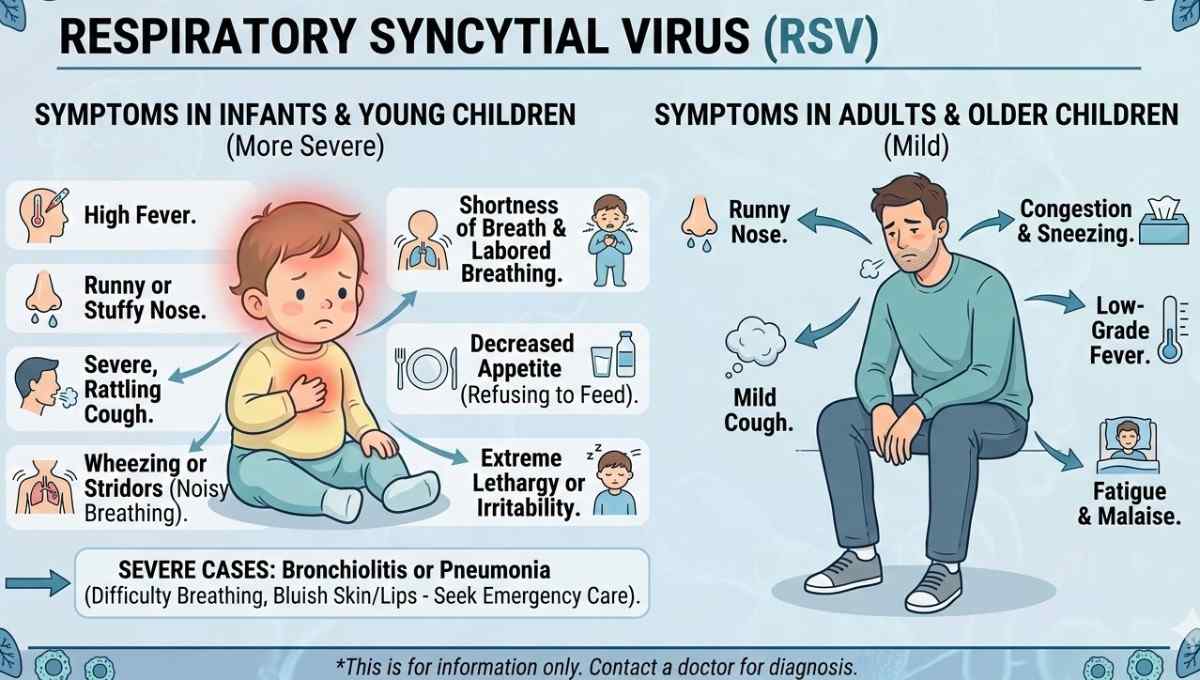
Symptoms typically appear 4 to 6 days after exposure. In most cases, RSV symptoms resemble those of the common cold.
Mild Symptoms
- Runny nose
- Decreased appetite
- Coughing
- Sneezing
- Fever
- Wheezing
Severe Symptoms (Especially in Infants)
- Rapid or difficult breathing
- Flaring nostrils
- Head bobbing with breathing
- Bluish lips or fingernails (cyanosis)
- Severe coughing
- Lethargy
Infants may show irritability, decreased feeding, or breathing pauses (apnea) as early signs.
RSV in Babies
Respiratory Syncytial Virus is the leading cause of bronchiolitis and pneumonia in infants under one year old. Bronchiolitis occurs when the small airways in the lungs become inflamed and filled with mucus, making breathing difficult.
Infants may require hospitalization for oxygen support, intravenous fluids, or mechanical ventilation in severe cases. Parents should seek medical attention if a baby shows signs of difficulty breathing, dehydration, or unusual sleepiness.
RSV in Adults
Healthy adults typically experience mild symptoms that resolve within one to two weeks. However, older adults or those with underlying conditions may develop serious complications such as:
- Pneumonia
- Exacerbation of COPD
- Heart failure complications
In nursing homes and long-term care facilities, RSV can spread rapidly and cause outbreaks.
RSV vs. Common Cold vs. Flu vs. COVID-19
Respiratory Syncytial Virus symptoms overlap with other respiratory infections, making it difficult to distinguish without testing.
RSV
- Common in infants
- Wheezing is common
- Often causes bronchiolitis
Influenza
- Sudden onset
- High fever
- Body aches and fatigue
COVID-19
- Loss of taste or smell (in some cases)
- Wide range of severity
- Can affect multiple organ systems
Common Cold
- Mild symptoms
- Usually resolves quickly
- Rarely causes lower respiratory complications
Accurate diagnosis may require laboratory testing.
Complications of RSV
While most cases are mild, RSV can cause serious complications.
1) Bronchiolitis: Inflammation of small airways leading to breathing difficulty.
2) Pneumonia: Infection of the lungs that may require hospitalization.
3) Apnea: Temporary pauses in breathing, especially in premature infants.
4) Recurrent Wheezing: Some children who have severe Respiratory Syncytial Virus may experience recurrent wheezing later in childhood.
5) Hospitalization: Severe cases may require intensive care.
How is RSV Diagnosed?
Healthcare providers diagnose RSV based on symptoms and physical examination. In some cases, additional tests may be used:
- Nasal swab test to detect the virus
- Chest X-ray to evaluate lung involvement
- Pulse oximetry to measure oxygen levels
- Blood tests in severe cases
Testing is more common in hospitalized patients or high-risk individuals.
Treatment of RSV
There is no specific antiviral treatment routinely used for RSV in most cases. Treatment focuses on relieving symptoms and supporting breathing.
Home Care for Mild Cases
- Rest
- Adequate hydration
- Saline nasal drops
- Humidified air
- Fever reducers such as acetaminophen (as advised by a healthcare provider)
Hospital Treatment
In severe cases:
- Oxygen therapy
- Intravenous fluids
- Mechanical ventilation (rare cases)
Antibiotics are not effective against RSV unless a secondary bacterial infection develops.
RSV Vaccines
Respiratory Syncytial Virus vaccines are a major advancement in preventing severe RSV disease, particularly in older adults and newborns. For decades, RSV prevention relied mainly on hygiene and supportive care, but recent medical developments have introduced effective vaccines and preventive antibody options.
Why RSV Vaccines Are Important?
RSV is one of the leading causes of hospitalization in:
- Infants under one year old
- Adults aged 60 and older
- Individuals with chronic heart or lung disease
Vaccination helps reduce the risk of severe illness, hospitalization, and complications such as pneumonia.
RSV Vaccines for Older Adults
Several RSV vaccines are approved for adults aged 60 years and older. These vaccines work by stimulating the immune system to produce protective antibodies against the RSV virus.
Who Should Consider It?
- Adults 60 years and older
- Adults with chronic lung disease (such as COPD)
- Adults with heart disease
- Individuals with weakened immune systems
Vaccination is especially important before or during RSV season (typically fall and winter in many regions).
Benefits:
- Reduces the risk of severe RSV disease
- Lowers chances of hospitalization
- Decreases complications in high-risk individuals
RSV Vaccine During Pregnancy
An RSV vaccine is also recommended during pregnancy (usually in the late second or third trimester) to help protect newborns after birth.
How It Works:
When a pregnant person receives the RSV vaccine, protective antibodies are passed to the baby through the placenta. This provides the infant with passive immunity during the first few months of life, when they are most vulnerable.
Benefits for Newborns:
- Reduces the risk of severe RSV infection
- Lowers hospitalization rates in infants
- Offers protection during early infancy
RSV Preventive Antibody for Infants
In addition to vaccines, certain high-risk infants may receive a monoclonal antibody injection during RSV season.
Who Is Eligible?
- Premature babies
- Infants with congenital heart disease
- Babies with chronic lung disease
- Some infants entering their first RSV season
This is not a traditional vaccine but provides immediate protective antibodies to reduce the severity of infection.
Who Should Not Receive the RSV Vaccine?
Individuals who have had a severe allergic reaction to a previous dose or vaccine component should not receive it. A healthcare provider can help determine eligibility.
When to Get the RSV Vaccine?
RSV vaccines are typically administered before the start of RSV season. Timing may vary depending on geographic location.
- Older adults should consult their healthcare provider annually before RSV season.
- Pregnant individuals should receive the vaccine during the recommended weeks of pregnancy for optimal infant protection.
How to Prevent Respiratory Syncytial Virus?
- Wash your hands frequently with soap and water for at least 20 seconds to reduce the spread of RSV.
- Avoid close contact with people who have cold-like symptoms, especially around infants and older adults.
- Stay home when you are sick to prevent spreading RSV to others.
- Clean and disinfect frequently touched surfaces such as doorknobs, toys, and mobile phones regularly.
- Cover your mouth and nose with a tissue or your elbow when coughing or sneezing.
- Avoid kissing babies on the face or hands during Respiratory Syncytial Virus season.
- Limit infants’ exposure to crowded places during peak RSV months.
- Ensure high-risk infants receive preventive monoclonal antibody treatment if recommended by a healthcare provider.
- Consider RSV vaccination if you are an eligible older adult or pregnant individual.
- Keep children away from tobacco smoke, as it increases the risk of severe RSV infection.
- Encourage breastfeeding to help strengthen an infant’s immune protection against infections.
- Maintain a healthy lifestyle with balanced nutrition, proper sleep, and regular physical activity to support immune health.
Everyday Prevention Measures
Simple steps can reduce the spread of Respiratory Syncytial Virus:
- Wash hands frequently
- Avoid close contact with sick individuals
- Clean and disinfect surfaces
- Cover coughs and sneezes
- Avoid kissing babies on the face during RSV season
- Keep infants away from crowded places
These measures are especially important during peak RSV season.
RSV Seasonality
RSV outbreaks typically occur in fall, winter, and early spring in many parts of the world. However, seasonal patterns can vary depending on climate and region. Monitoring local health advisories can help families prepare during peak months.
Long-Term Effects of RSV
Most individuals recover completely without long-term issues. However, severe Respiratory Syncytial Virus in infancy has been associated with:
- Increased risk of recurrent wheezing
- Higher likelihood of developing asthma later in childhood
Research is ongoing to determine the exact relationship between early RSV infection and chronic respiratory conditions.
RSV in Developing Countries
RSV remains a significant cause of infant mortality in low-resource settings due to limited access to healthcare, oxygen therapy, and preventive treatments. Improving access to vaccines and supportive care is a global health priority.
When to See a Doctor?
Seek immediate medical attention if an infant or adult experiences:
- Difficulty breathing
- Blue lips or fingertips
- High fever that does not improve
- Signs of dehydration
- Severe lethargy
Early intervention can prevent complications.
Caring for a Child with RSV at Home
If your child has mild RSV:
- Keep them hydrated.
- Use a cool-mist humidifier.
- Clear nasal passages gently.
- Monitor breathing patterns.
- Ensure plenty of rest.
Avoid over-the-counter cough and cold medications in young children unless recommended by a doctor.
Future Research and Outlook
Ongoing research continues to focus on:
- Improved vaccines
- Antiviral treatments
- Understanding long-term respiratory outcomes
- Enhancing global access to preventive care
The development of effective RSV vaccines marks a significant milestone in reducing severe disease in vulnerable populations.
Conclusion
Respiratory syncytial virus (RSV) is a common but potentially serious respiratory infection that affects millions each year. While most people experience mild symptoms, infants, older adults, and those with underlying health conditions face a higher risk of complications.
Awareness, early recognition of symptoms, proper supportive care, and preventive measures—including vaccination—are key to reducing the impact of Respiratory Syncytial Virus. As medical research advances, improved prevention and treatment strategies promise to lessen the global burden of this widespread virus. By understanding RSV and taking appropriate precautions, families and healthcare providers can work together to protect those most vulnerable.
FAQ’s
How long is a person with RSV contagious?
People with RSV are typically contagious for 3 to 8 days. However, infants and individuals with weakened immune systems may spread the virus for up to four weeks.
What are the early signs of RSV in babies?
Early signs in babies include a runny nose, decreased appetite, coughing, and irritability. As the illness progresses, wheezing and difficulty breathing may develop.
How is RSV different from the common cold?
RSV can look like a common cold in older children and adults. However, in infants, it is more likely to cause lower respiratory infections such as bronchiolitis.
Is RSV dangerous for adults?
RSV can be serious for adults over 65 and those with chronic heart or lung disease. It may lead to pneumonia or worsening of existing medical conditions.
How long does RSV last?
Mild Respiratory Syncytial Virus infections typically last 1 to 2 weeks. Severe cases may take longer to fully resolve, especially if hospitalization is required.
When should I take my child to the doctor for RSV?
Seek medical care if your child has difficulty breathing, bluish lips, signs of dehydration, high fever, or unusual sleepiness. Immediate medical attention is necessary if breathing becomes labored or irregular.
Is there a cure for RSV?
There is no specific cure for Respiratory Syncytial Virus in most cases. Treatment focuses on relieving symptoms and supporting breathing if necessary.
Are antibiotics effective against RSV?
Antibiotics do not work against Respiratory Syncytial Virus because it is a viral infection. They are only used if a secondary bacterial infection develops.
Can RSV cause pneumonia?
Yes, RSV can lead to pneumonia, especially in infants, older adults, and high-risk individuals. Severe lung infection may require hospitalization.
Is RSV seasonal?
Yes, Respiratory Syncytial Virus infections typically occur during fall, winter, and early spring. The exact timing can vary depending on geographic location.
Is there a vaccine for RSV?
Vaccines are available for older adults and may be recommended for certain pregnant individuals to protect newborns. Preventive antibody treatments are also available for high-risk infants.
Does RSV always require hospitalization?
No, most RSV infections are mild and can be managed at home. Hospitalization is needed only in severe cases involving breathing difficulties or dehydration.
Can RSV lead to asthma later in life?
Severe RSV infection in infancy has been associated with an increased risk of recurrent wheezing and asthma. However, not all children who get RSV develop long-term respiratory problems.
Is RSV more serious than the flu?
RSV and influenza are different viruses, and severity depends on age and health status. In infants and older adults, Respiratory Syncytial Virus can be just as serious as the flu.
Is RSV contagious?
Yes, RSV is highly contagious and spreads through respiratory droplets from coughing or sneezing, as well as through direct contact with contaminated surfaces. People are usually contagious for 3 to 8 days, but infants and immunocompromised individuals may spread it for longer.
Is RSV a serious disease?
RSV is usually mild in healthy children and adults, causing cold-like symptoms. However, it can be serious in infants, older adults, and people with chronic heart or lung conditions, sometimes leading to bronchiolitis or pneumonia.
Is RSV as serious as COVID?
Respiratory Syncytial Virus and COVID-19 are caused by different viruses and affect people differently. In healthy adults, RSV is typically milder than COVID-19, but in infants and older adults, Respiratory Syncytial Virus can be just as serious and may require hospitalization.
How long must you quarantine with RSV?
There is no strict quarantine guideline like there was for COVID-19, but individuals with Respiratory Syncytial Virus should stay home while they have active symptoms, especially fever and significant coughing. Most people remain contagious for about 3 to 8 days.
Do you need to isolate if you have RSV?
Formal isolation is not usually required, but it is recommended to avoid close contact with infants, elderly individuals, and high-risk people until symptoms improve. Practicing good hygiene and staying home when sick helps prevent spread.
Can you get RSV twice?
Yes, you can get Respiratory Syncytial Virus multiple times throughout your life. Reinfections are common, but they are usually milder than the first infection, especially in healthy individuals.
Also Read: