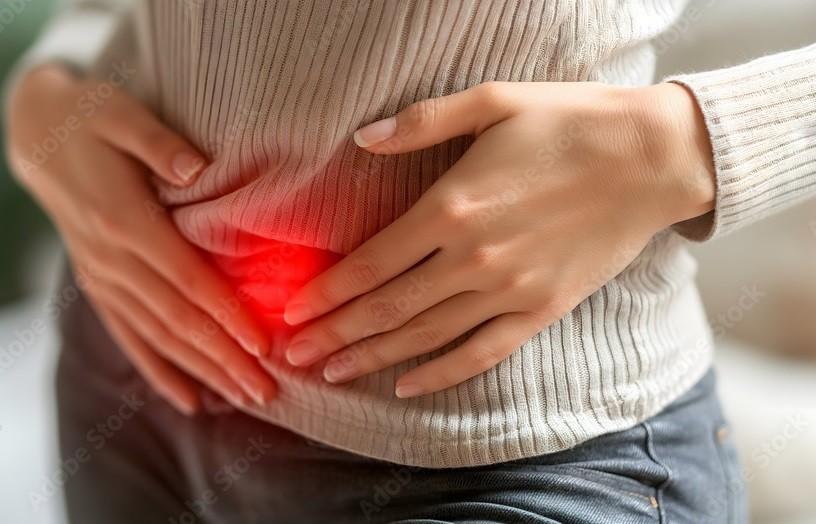
Pelvic pain is a common yet often misunderstood health concern that affects millions of people worldwide. It can range from mild discomfort to severe, debilitating pain that interferes with daily life, work, relationships, and emotional well-being. Pelvic pain may be sudden and short-lived, or it can persist for months or even years, becoming a chronic condition that requires comprehensive care.
Understanding pelvic pain begins with recognizing that the pelvis houses multiple organs, muscles, nerves, and connective tissues. Because so many structures are involved, pinpointing the exact cause can sometimes be challenging. However, with proper evaluation, diagnosis, and treatment, most people can find relief and regain control over their health. This guide explores what pelvic pain is, its possible causes, symptoms, diagnostic process, and available treatment options.
What Is Pelvic Pain?
Pelvic pain refers to discomfort felt in the lower abdomen, below the belly button and between the hips. It can affect people of all genders and ages, though it is especially common in women due to menstrual and reproductive health factors.
Pelvic pain may be:
- Sharp or dull
- Constant or intermittent
- Mild or severe
- Localized to one area or spread across the pelvis
- Triggered by specific activities like urination, bowel movements, or sexual intercourse
Pain can also radiate to the lower back, hips, buttocks, or thighs.
Types of Pelvic Pain
Pelvic pain is generally classified into two main categories:
1. Acute Pelvic Pain
Acute pelvic pain comes on suddenly and is usually caused by an identifiable problem such as infection, injury, or a medical emergency. It often requires prompt medical evaluation.
2. Chronic Pelvic Pain
Chronic pelvic pain lasts for six months or longer. It may be constant or occur intermittently. Chronic pelvic pain can be complex and sometimes continues even after the original cause has been treated.
Causes of Pelvic Pain in Women
Women are more likely to experience pelvic pain due to reproductive system conditions. Some common causes include:
1. Menstrual Cramps (Dysmenorrhea)
Painful periods are a leading cause of pelvic discomfort. The pain usually begins before or during menstruation and may last for several days.
2. Endometriosis
Endometriosis occurs when tissue similar to the lining of the uterus grows outside the uterus. This condition can cause severe pelvic pain, especially during menstruation, and may lead to infertility.
3. Ovarian Cysts
Fluid-filled sacs on the ovaries can cause pain if they rupture, twist, or grow large.
4. Pelvic Inflammatory Disease (PID)
PID is an infection of the reproductive organs, often caused by untreated sexually transmitted infections. It can lead to chronic pelvic pain if not treated promptly.
5. Uterine Fibroids
Fibroids are noncancerous growths in the uterus. They may cause pressure, heavy bleeding, and pelvic discomfort.
6. Ectopic Pregnancy
An ectopic pregnancy occurs when a fertilized egg implants outside the uterus. This is a medical emergency and can cause sudden, severe pelvic pain.
7. Ovulation Pain (Mittelschmerz)
Some women experience mild pain during ovulation, usually on one side of the lower abdomen.
Causes of Pelvic Pain in Men
While pelvic pain is often associated with women, men can also experience it. Causes may include:
1. Prostatitis
Inflammation of the prostate gland can cause pelvic, groin, or lower back pain.
2. Chronic Pelvic Pain Syndrome
This condition involves ongoing pelvic discomfort without a clear infection or identifiable cause.
3. Hernias
Inguinal hernias can cause pain in the lower abdomen or groin area.
4. Urinary Tract Issues
Bladder infections or kidney stones may cause pain that radiates to the pelvic region.
Other Causes of Pelvic Pain in All Genders
Some conditions affect people regardless of gender:
1. Urinary Tract Infections (UTIs)
UTIs can cause burning during urination and pelvic pressure.
2. Interstitial Cystitis
Also known as painful bladder syndrome, this condition leads to chronic bladder pressure and pelvic discomfort.
3. Irritable Bowel Syndrome (IBS)
IBS can cause cramping, bloating, and pelvic pain associated with bowel movements.
4. Appendicitis
Inflammation of the appendix can cause severe pain that begins near the belly button and moves to the lower right abdomen.
5. Musculoskeletal Problems
Pelvic floor muscle tension, nerve compression, or injuries can cause persistent pain.
Symptoms Associated with Pelvic Pain
Pelvic pain often occurs alongside other symptoms. These may include:
- Abnormal vaginal bleeding
- Pain during intercourse
- Painful urination
- Constipation or diarrhea
- Fever or chills
- Nausea or vomiting
- Lower back pain
- Bloating
The presence of additional symptoms can help healthcare providers determine the underlying cause.
When to Seek Immediate Medical Attention?
Seek emergency care if pelvic pain is accompanied by:
- Sudden, severe pain
- Fainting or dizziness
- Heavy vaginal bleeding
- High fever
- Signs of pregnancy with severe pain
These symptoms may indicate serious conditions such as ectopic pregnancy, ruptured cyst, or appendicitis.
How Pelvic Pain Is Diagnosed?
Diagnosing pelvic pain often requires a comprehensive approach.
1. Medical History
A healthcare provider will ask about:
- Duration and intensity of pain
- Menstrual history
- Sexual history
- Urinary and bowel habits
- Previous surgeries or infections
2. Physical Examination
This may include an abdominal and pelvic exam to check for tenderness, masses, or signs of infection.
3. Imaging Tests
Common imaging methods include:
- Ultrasound
- CT scan
- MRI
These tests help visualize organs and detect abnormalities.
4. Laboratory Tests
Blood tests, urine tests, and swabs may be used to detect infection or inflammation.
5. Laparoscopy
In some cases, minimally invasive surgery is used to directly examine pelvic organs, especially when endometriosis is suspected.
Treatments for Pelvic Pain
Treatment options depend on the underlying cause.
1. Medications
- Pain relievers such as NSAIDs
- Hormonal therapy for menstrual-related pain
- Antibiotics for infections
- Antidepressants or nerve pain medications for chronic pain
2. Physical Therapy
Pelvic floor physical therapy can relieve muscle tension and improve mobility.
3. Lifestyle Changes
- Regular exercise
- Stress management
- Dietary modifications
- Adequate hydration
4. Counseling or Cognitive Behavioral Therapy
Chronic pain can affect mental health. Therapy can help manage the emotional impact.
5. Surgical Options
Surgery may be recommended for conditions such as fibroids, endometriosis, hernias, or ovarian cysts.
Chronic Pelvic Pain and Mental Health
Living with chronic pelvic pain can be emotionally exhausting. It may lead to anxiety, depression, sleep disturbances, and relationship challenges. Pain that persists for months can alter how the nervous system processes signals, making the pain feel more intense over time. A multidisciplinary approach that includes medical treatment, physical therapy, and psychological support often produces the best outcomes.
Pelvic Floor Dysfunction
The pelvic floor consists of muscles that support the bladder, uterus, prostate, and rectum. When these muscles become too tight, weak, or uncoordinated, pelvic pain can occur.
Symptoms of pelvic floor dysfunction include:
- Pain during intercourse
- Difficulty starting urination
- Constipation
- A feeling of pressure
Pelvic floor therapy is highly effective in many cases.
How to Prevent Pelvic Pain?
Not all pelvic pain can be prevented, but certain steps may reduce risk:
- Practice safe sex to prevent infections
- Maintain regular gynecological or urological checkups
- Treat infections promptly
- Exercise regularly to strengthen core and pelvic muscles
- Manage stress effectively
Early treatment of underlying conditions can prevent complications and chronic pain.
Pelvic Pain During Pregnancy
Mild pelvic discomfort during pregnancy can be normal due to hormonal changes and pressure from the growing uterus. However, severe pain should always be evaluated. Conditions such as round ligament pain, pelvic girdle pain, or urinary infections can cause discomfort during pregnancy.
Pelvic Pain After Surgery
Scar tissue, nerve irritation, or muscle tension can cause pelvic pain after abdominal or pelvic surgery. Physical therapy and targeted treatments may help alleviate post-surgical discomfort.
Sexual Health and Pelvic Pain
Pelvic pain can significantly impact sexual health. Pain during intercourse, also known as dyspareunia, may result from infections, endometriosis, pelvic floor dysfunction, or psychological factors. Open communication with healthcare providers and partners is essential for addressing these concerns.
The Importance of Early Evaluation
Ignoring pelvic pain can allow underlying conditions to worsen. Early medical evaluation increases the chances of effective treatment and reduces the risk of long-term complications. Many people delay seeking care due to embarrassment or fear. However, pelvic pain is a medical issue like any other and deserves proper attention.
Living Well with Pelvic Pain
If you are dealing with chronic pelvic pain, remember that you are not alone. Support groups, specialized pain clinics, and multidisciplinary treatment plans can significantly improve quality of life. Keeping a pain diary, tracking triggers, and maintaining open communication with healthcare providers can help identify patterns and guide treatment decisions.
Final Thoughts
Pelvic pain is a complex condition with many possible causes. It can affect anyone, regardless of age or gender, and may stem from reproductive, urinary, digestive, musculoskeletal, or neurological issues.
The key to managing pelvic pain is understanding its potential origins and seeking appropriate medical care. With accurate diagnosis and tailored treatment, most people can find relief and restore balance to their daily lives. If you or someone you know is experiencing persistent or severe pelvic pain, consult a healthcare professional for proper evaluation and guidance. Early intervention can make a significant difference in long-term outcomes.
FAQ’s
What does pelvic pain feel like?
Pelvic pain can feel sharp, dull, cramp-like, stabbing, or like pressure in the lower abdomen. It may be constant or come and go, and sometimes spreads to the lower back, hips, or thighs.
Is pelvic pain always related to menstruation?
No, pelvic pain is not always related to menstruation. While menstrual cramps are common, pelvic pain can also be caused by infections, urinary problems, digestive issues, muscle tension, or reproductive conditions.
Can stress cause pelvic pain?
Yes, chronic stress can contribute to pelvic floor muscle tension, which may lead to pelvic pain. Stress can also worsen existing pain conditions by increasing muscle tightness and inflammation.
Can pelvic pain be a sign of pregnancy?
Mild pelvic discomfort can occur in early pregnancy due to hormonal changes. However, severe pain during pregnancy may signal a complication and should be evaluated immediately.
Is pelvic pain a symptom of infection?
Yes, infections such as urinary tract infections or pelvic inflammatory disease can cause pelvic pain. These are often accompanied by fever, abnormal discharge, or painful urination.
Can men experience pelvic pain?
Yes, men can experience pelvic pain due to conditions like prostatitis, hernias, urinary issues, or chronic pelvic pain syndrome. The pain may be felt in the groin, lower abdomen, or lower back.
Does pelvic pain always require surgery?
No, many causes of pelvic pain can be treated with medications, physical therapy, or lifestyle changes. Surgery is usually considered only when conservative treatments do not work or when there is a structural problem.
Can digestive problems cause pelvic pain?
Yes, conditions such as irritable bowel syndrome, constipation, or inflammatory bowel disease can lead to pelvic discomfort. Digestive-related pelvic pain is often associated with changes in bowel habits.
Can pelvic pain go away on its own?
Some mild cases, such as ovulation pain or minor muscle strain, may resolve without treatment. Persistent or worsening pain should always be evaluated by a healthcare professional.
How can I manage pelvic pain at home?
Applying heat, taking over-the-counter pain relievers, practicing relaxation techniques, and gentle stretching exercises may help relieve mild pelvic pain. However, ongoing pain requires proper medical assessment to address the root cause.
Is walking good for pelvic pain?
Yes, gentle walking can help improve blood circulation, reduce stiffness, and ease mild pelvic discomfort. However, if walking worsens the pain, you should stop and consult a healthcare professional.
How to check pelvic pain at home?
You can monitor pelvic pain at home by noting its location, intensity, duration, and triggers in a pain diary. However, a proper pelvic examination can only be performed by a qualified healthcare provider.
Why am I suddenly getting pelvic pain?
Sudden pelvic pain can result from infections, ovarian cysts, muscle strain, digestive issues, or urinary problems. In some cases, it may indicate a medical emergency, especially if the pain is severe or accompanied by fever or bleeding.
What can I drink to stop pelvic pain?
Warm fluids like herbal teas or warm water may help relax muscles and reduce mild cramping. Staying hydrated can also prevent constipation and urinary irritation, which sometimes contribute to pelvic discomfort.
Can gas cause pelvic pain?
Yes, trapped gas or bloating can cause pressure and pain in the lower abdomen that feels like pelvic pain. This type of discomfort is often linked to digestive changes and may improve after passing gas or having a bowel movement.
Also Read: