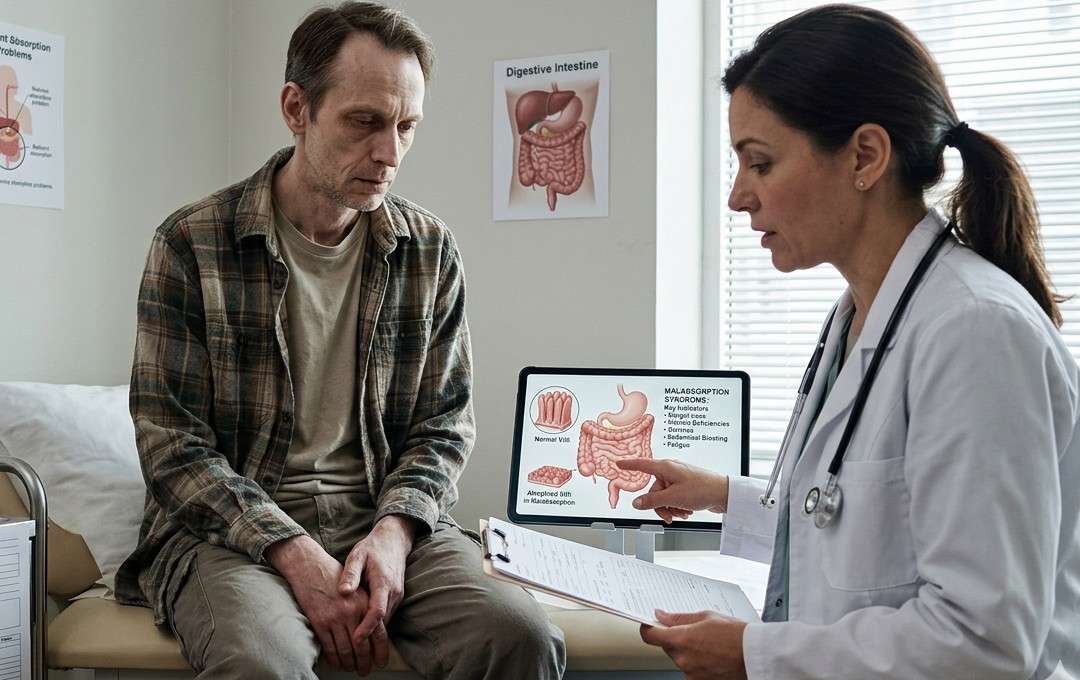
Malabsorption syndrome is a medical condition in which the body fails to absorb essential nutrients from food efficiently. These nutrients include carbohydrates, proteins, fats, vitamins, minerals, and fluids. Since nutrient absorption primarily occurs in the small intestine, any disorder affecting this organ can lead to malabsorption.
The consequences of untreated malabsorption can be serious. Deficiencies in vitamins and minerals can cause fatigue, anemia, bone disorders, weight loss, weakened immunity, and neurological complications. In children, malabsorption may lead to growth delays and developmental issues. This guide explains everything you need to know about Malabsorption Syndrome — including its causes, symptoms, risk factors, diagnosis, treatment, diet management, home remedies, and complications.
What Is Malabsorption Syndrome?
Malabsorption syndrome is not a single disease but rather a group of disorders that interfere with the absorption of nutrients from the digestive tract into the bloodstream. Digestion involves three major steps:
- Breaking down food into smaller molecules.
- Absorbing nutrients through the intestinal lining.
- Transporting nutrients via blood and lymphatic systems.
When any of these steps fail, malabsorption can occur. The most common type is fat malabsorption, which results in fatty stools (steatorrhea). However, protein, carbohydrate, vitamin, and mineral malabsorption can also occur.
How Nutrient Absorption Works?
To understand malabsorption, it helps to know how digestion normally works.
- The stomach breaks down food using acid and enzymes.
- The pancreas releases digestive enzymes.
- The liver produces bile to help digest fats.
- The small intestine absorbs nutrients into the bloodstream.
If there is damage to the small intestine lining, insufficient enzyme production, or blockage in bile flow, nutrients cannot be absorbed properly.
Types of Malabsorption
Malabsorption can be categorized based on the type of nutrient affected:
1. Fat Malabsorption
- Most common type
- Causes greasy, foul-smelling stools
- Leads to deficiencies in vitamins A, D, E, and K
2. Carbohydrate Malabsorption
- Example: lactose intolerance
- Causes bloating, gas, diarrhea
3. Protein Malabsorption
- Leads to muscle wasting
- Causes swelling due to low protein levels
4. Vitamin and Mineral Malabsorption
- Iron deficiency leads to anemia
- Calcium deficiency causes bone weakness
- Vitamin B12 deficiency causes nerve problems
Causes of Malabsorption Syndrome
Malabsorption may result from various digestive or systemic disorders.
1. Intestinal Diseases
- Celiac disease
- Crohn’s disease
- Tropical sprue
- Whipple’s disease
2. Pancreatic Disorders
- Chronic pancreatitis
- Cystic fibrosis
- Pancreatic cancer
3. Liver and Bile Duct Disorders
- Cirrhosis
- Primary biliary cholangitis
- Gallstones blocking bile ducts
4. Infections
- Bacterial overgrowth
- Parasitic infections
- Viral gastroenteritis
5. Surgical Causes
- Bariatric surgery
- Removal of part of the small intestine
6. Congenital Conditions
- Lactase deficiency
- Abetalipoproteinemia
7. Medications
- Certain antibiotics
- Cholesterol-lowering drugs
- Laxative overuse
Risk Factors
Certain individuals are at higher risk of developing Malabsorption Syndrome:
- People with chronic gastrointestinal diseases
- Individuals with autoimmune disorders
- Those who have undergone intestinal surgery
- People with chronic alcohol use
- Residents in tropical regions
- Elderly individuals
Symptoms of Malabsorption Syndrome
Symptoms vary depending on which nutrient is not being absorbed.
General Symptoms
- Chronic diarrhea
- Weight loss
- Fatigue
- Weakness
- Bloating
- Abdominal pain
Fat Malabsorption Symptoms
- Pale, greasy, floating stools
- Foul-smelling stools
- Vitamin deficiencies
Vitamin Deficiency Symptoms
- Easy bruising (Vitamin K deficiency)
- Night blindness (Vitamin A deficiency)
- Bone pain (Vitamin D deficiency)
- Tingling or numbness (Vitamin B12 deficiency)
In Children
- Poor growth
- Delayed puberty
- Irritability
- Swollen abdomen
Complications of Malabsorption Syndrome
Untreated malabsorption can lead to serious complications:
- Severe malnutrition
- Osteoporosis
- Anemia
- Neurological damage
- Fertility issues
- Increased infection risk
In children, long-term malnutrition can permanently affect physical and cognitive development.
Diagnosis of Malabsorption Syndrome
Diagnosis involves medical history, physical examination, and laboratory tests.
1. Stool Tests
- Check for excess fat
- Detect parasites or infections
2. Blood Tests
- Measure vitamin levels
- Check for anemia
- Detect inflammatory markers
3. Breath Tests
- Diagnose lactose intolerance
- Detect bacterial overgrowth
4. Endoscopy
- Visual examination of small intestine
- Biopsy to check for celiac disease or inflammation
5. Imaging Tests
- CT scan
- MRI
- Ultrasound
Early diagnosis improves treatment outcomes significantly.
Treatment of Malabsorption Syndrome
Treatment depends on the underlying cause.
1. Treating the Root Cause
- Gluten-free diet for celiac disease
- Antibiotics for infections
- Anti-inflammatory drugs for Crohn’s disease
- Enzyme replacement for pancreatic insufficiency
2. Nutritional Support
- Vitamin supplements
- Iron supplements
- Calcium and vitamin D
- Protein supplementation
3. Enzyme Therapy
- Pancreatic enzyme replacement therapy (PERT)
4. Intravenous Nutrition
In severe cases, patients may require IV fluids or parenteral nutrition.
Diet Plan for Malabsorption Syndrome
Diet plays a crucial role in managing malabsorption.
General Diet Guidelines
- Eat small, frequent meals
- Choose easily digestible foods
- Avoid trigger foods
- Stay hydrated
Foods to Include
- Lean proteins (chicken, fish)
- Rice and oats
- Bananas
- Cooked vegetables
- Lactose-free dairy (if lactose intolerant)
Foods to Avoid
- High-fat fried foods
- Processed foods
- Excess caffeine
- Alcohol
- Gluten (if celiac disease)
Vitamin-Rich Foods
- Leafy greens for iron
- Dairy or fortified products for calcium
- Sunlight exposure for vitamin D
Consulting a dietitian is highly recommended.
Home Remedies for Malabsorption Support
While medical treatment is essential, some supportive measures may help improve digestion:
1. Probiotics
May support gut bacteria balance.
2. Ginger Tea
Helps reduce bloating and improve digestion.
3. Peppermint
Relieves abdominal discomfort.
4. Digestive Enzymes
Available over the counter for mild cases.
5. Hydration
Electrolyte solutions can prevent dehydration.
Always consult a healthcare provider before trying new supplements.
How to Prevent Malabsorption Syndrome?
Not all causes are preventable, but some strategies reduce risk:
- Practice good hygiene to prevent infections.
- Avoid excessive alcohol consumption.
- Manage chronic digestive conditions early.
- Follow prescribed dietary plans.
- Regular health checkups.
Malabsorption Syndrome in Children
Children are particularly vulnerable because they need adequate nutrition for growth and development.
Signs in Children
- Failure to thrive
- Frequent diarrhea
- Swollen abdomen
- Delayed milestones
Early medical intervention can prevent long-term complications.
When to See a Doctor?
Seek medical care if you experience:
- Persistent diarrhea lasting more than two weeks
- Unexplained weight loss
- Fatty stools
- Severe fatigue
- Nutritional deficiencies
Immediate treatment prevents complications.
Living with Malabsorption Syndrome
With proper diagnosis and treatment, many people can lead normal lives.
Lifestyle adjustments may include:
- Strict dietary modifications
- Regular vitamin supplementation
- Monitoring symptoms
- Routine blood tests
Support groups and dietitian consultations can help manage long-term care.
Conclusion
Malabsorption Syndrome is a complex condition that interferes with the body’s ability to absorb essential nutrients. While it can lead to serious complications if untreated, early diagnosis and proper management significantly improve outcomes.
Understanding the symptoms, seeking timely medical advice, following an appropriate diet, and addressing underlying causes are crucial steps toward recovery. With medical support and dietary adjustments, most individuals can manage the condition effectively and maintain a healthy quality of life.
FAQ’s
Is Malabsorption Syndrome serious?
Yes, if left untreated, it can lead to severe malnutrition, anemia, osteoporosis, and long-term health complications. Early diagnosis and treatment significantly reduce risks.
Can Malabsorption Syndrome be cured?
Some forms, such as lactose intolerance, can be managed effectively by avoiding trigger foods. Others, like celiac disease, require lifelong dietary management rather than a complete cure.
Does malabsorption always cause diarrhea?
Chronic diarrhea is common but not always present. Some people may mainly experience weight loss, fatigue, or nutrient deficiencies.
What vitamin deficiencies are common in malabsorption?
Vitamins A, D, E, K, B12, iron, calcium, and folate are commonly affected. Deficiencies depend on the type and severity of malabsorption.
Can malabsorption cause weight loss?
Yes, because the body cannot absorb enough calories and nutrients from food. This can result in unintended weight loss and muscle wasting.
Is Malabsorption Syndrome genetic?
Some causes, such as cystic fibrosis and certain enzyme deficiencies, are inherited. However, many cases result from acquired digestive disorders.
What foods should be avoided?
High-fat, processed, or trigger foods should be limited depending on the underlying cause. People with celiac disease must strictly avoid gluten-containing foods.
Can probiotics help with malabsorption?
Probiotics may support gut health and improve digestion in some cases. However, they do not replace medical treatment for the underlying condition.
Can children develop Malabsorption Syndrome?
Yes, children can develop it due to genetic conditions, infections, or intestinal diseases. Early treatment is essential to prevent growth and developmental delays.
How long does treatment take?
Treatment duration depends on the cause and severity of the condition. Some cases improve within weeks, while others require lifelong management and monitoring.
Is malabsorption life-threatening?
It can become serious if left untreated due to severe nutrient deficiencies.
Can stress cause malabsorption?
Stress alone does not cause it but may worsen digestive symptoms.
How long does recovery take?
It depends on the cause and severity. Some improve within weeks; others require long-term management.
Also Read: