Tea has always been more than just a beverage. It is ritual, wellness, culture, and innovation in a cup. As we move into 2026, tea is evolving faster than ever. From functional blends targeting specific health goals to sustainable sourcing practices and high-tech brewing methods, the tea industry is transforming to meet modern lifestyles.
Consumers are more informed, more health-conscious, and more adventurous in their tastes. They want clean ingredients, ethical production, convenience without compromise, and flavors that surprise them. In 2026, tea brands are responding with creativity, science-backed formulations, and global inspiration.
10 Game-Changing Tea Trends to Watch in 2026
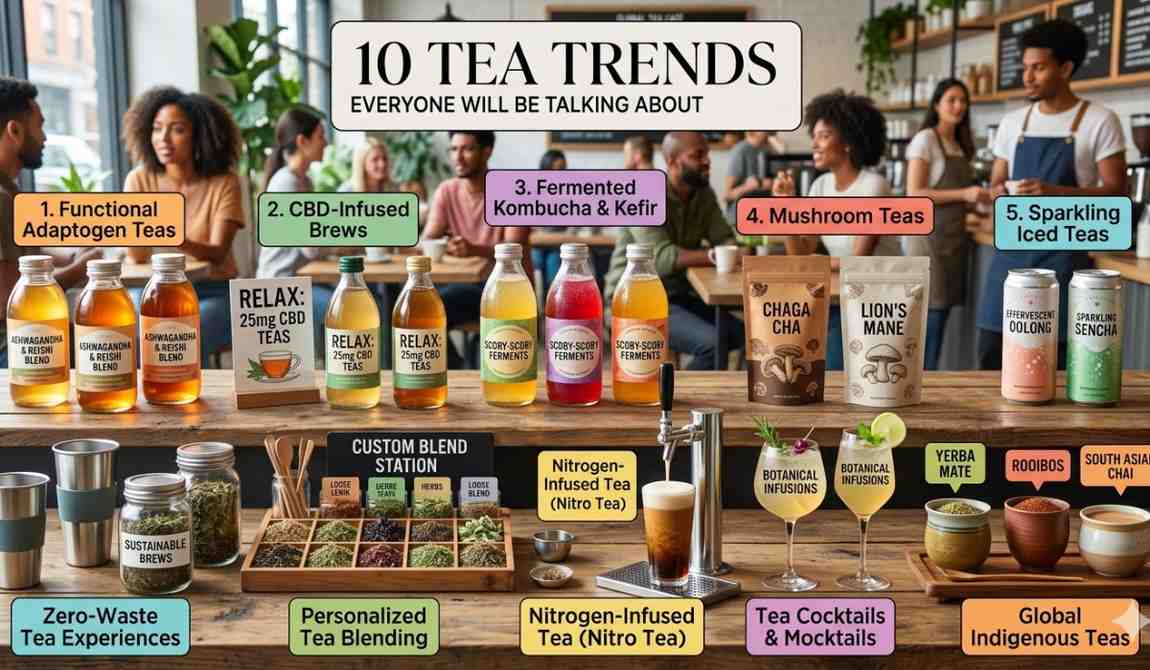
Here are the 10 tea trends everyone will be talking about in 2026.
1. Functional Teas with Targeted Health Benefits
Functional teas are no longer just a niche wellness product. In 2026, they are mainstream. Consumers want teas designed for specific outcomes such as better sleep, improved digestion, enhanced focus, hormonal balance, and immune support.
Rather than generic “wellness tea,” brands are clearly labeling benefits like:
- Stress relief and anxiety support
- Gut health and bloating reduction
- Cognitive performance and focus
- Blood sugar balance
- Skin health and anti-aging
Adaptogenic herbs such as ashwagandha, holy basil, and rhodiola are increasingly blended with traditional teas like green, oolong, and black. Mushroom-infused teas featuring reishi, lion’s mane, and chaga are gaining popularity among people seeking brain and immune support.
Transparency is key. In 2026, customers expect scientific backing and clear ingredient sourcing. Brands that provide research references and explain how each herb works will stand out.
2. Mushroom and Nootropic Tea Blends
Mushroom coffee had its moment. Now, mushroom tea is taking over. In 2026, nootropic teas infused with functional mushrooms and brain-supporting compounds are trending strongly.
Popular ingredients include:
- Lion’s mane for focus and mental clarity
- Reishi for relaxation and immune balance
- Cordyceps for energy and stamina
- Ginkgo biloba for cognitive performance
These blends are particularly appealing to remote workers, students, and entrepreneurs who want sustained energy without caffeine crashes. Many formulations are caffeine-free or contain low levels of natural caffeine for smoother performance.
Consumers are moving away from high-stimulant drinks and toward balanced mental energy. Tea offers a gentler delivery system, making it ideal for this trend.
3. Tea Mocktails and Zero-Proof Mixology
The sober-curious movement continues to grow in 2026, and tea is playing a major role. Tea-based mocktails are replacing sugary sodas and alcoholic beverages at social gatherings.
Specialty tea bars and cafés now offer tea mocktail menus featuring:
- Hibiscus and citrus spritzers
- Matcha tonic with fresh herbs
- Oolong and peach iced blends
- Smoked lapsang souchong “whiskey-style” drinks
Cold-brewed teas with botanicals such as rosemary, lavender, cardamom, and rose are being used as cocktail bases. Sparkling tea beverages are also expanding, offering complexity without alcohol.
This trend is fueled by consumers seeking sophisticated, adult beverages that support health rather than compromise it.
4. Hyper-Local and Single-Origin Teas
In 2026, tea drinkers want to know exactly where their tea comes from. Just as single-origin coffee became a status symbol, single-origin tea is becoming a mark of quality and transparency.
Consumers are asking questions like:
- Which region was this tea grown in?
- What altitude was it harvested at?
- Was it shade-grown?
- How were workers treated?
Tea estates are highlighting terroir, seasonal harvests, and farmer stories. Micro-batch releases and limited-edition harvests are attracting connoisseurs.
Local tea cultivation is also expanding in unexpected regions due to climate shifts and agricultural experimentation. Consumers are excited to explore teas grown closer to home.
5. Sustainable and Regenerative Tea Farming
Sustainability is no longer optional. In 2026, it is expected.
Tea brands are moving beyond “organic” labels and embracing regenerative agriculture. This includes:
- Soil restoration practices
- Reduced water consumption
- Biodiversity protection
- Carbon-neutral shipping
- Plastic-free packaging
Compostable tea bags, reusable tins, and loose-leaf formats are becoming standard. Consumers are rejecting excessive packaging and demanding minimal waste options.
Brands that can demonstrate measurable environmental impact are earning strong loyalty. Ethical sourcing, fair wages, and transparent supply chains are critical to long-term success in the tea market.
6. AI-Personalized Tea Blends
Personalization is entering the tea world in a big way. In 2026, AI-driven quizzes and health profiling tools help customers create custom tea blends based on their goals and preferences.
Users input information about:
- Sleep patterns
- Stress levels
- Dietary habits
- Hormonal concerns
- Caffeine sensitivity
- Flavor preferences
Based on this data, platforms recommend personalized blends or subscription boxes tailored to individual needs.
Some companies are integrating wearable health data to suggest daily tea routines. While still emerging, this trend signals the merging of technology and ancient herbal traditions.
7. Cold Brew and Ready-to-Drink Premium Teas
Convenience remains important, but quality is non-negotiable. In 2026, ready-to-drink teas are cleaner, lower in sugar, and more premium than ever.
Cold brew teas are especially popular because they:
- Reduce bitterness
- Highlight subtle flavors
- Preserve delicate antioxidants
- Offer smoother taste
RTD (ready-to-drink) teas now feature functional ingredients such as electrolytes, collagen, probiotics, and plant-based protein. Packaging is sleek and eco-conscious.
Unlike earlier generations of bottled tea that were loaded with sugar, modern versions focus on:
- Zero added sugar
- Natural sweeteners like monk fruit
- Organic ingredients
- Transparent labeling
This trend appeals to busy professionals and fitness enthusiasts who want wellness on the go.
8. Floral and Botanical Flavor Exploration
In 2026, flavor exploration is expanding beyond traditional mint and chamomile. Floral and botanical teas are having a renaissance.
Trending ingredients include:
- Butterfly pea flower
- Blue lotus
- Rose petals
- Jasmine blossoms
- Elderflower
- Orange blossom
- Chrysanthemum
Consumers are drawn to visually striking teas with vibrant natural colors. Social media continues to influence tea aesthetics, and color-changing teas like butterfly pea remain popular.
Botanical blends offer delicate, layered flavor profiles that feel luxurious and calming. These teas also align with the desire for caffeine-free evening rituals.
9. Tea and Beauty Crossover Products
The beauty-from-within movement is driving new tea innovations. In 2026, teas formulated for skin, hair, and nail health are gaining traction.
Common ingredients include:
- Collagen-supporting herbs
- Antioxidant-rich green tea
- White tea for anti-aging
- Nettle leaf for hair support
- Hibiscus for skin elasticity
Tea brands are partnering with skincare companies to create coordinated product lines, such as drinkable beauty teas paired with topical serums.
Consumers appreciate multi-functional products that support both inner wellness and outer glow. This crossover trend reflects the growing connection between nutrition and aesthetics.
10. Cultural Revival and Heritage Teas
While innovation is booming, 2026 also brings a renewed appreciation for traditional tea ceremonies and heritage blends.
Consumers are rediscovering:
- Matcha preparation rituals
- Traditional Chinese gongfu brewing
- Ayurvedic herbal infusions
- Moroccan mint tea culture
Younger generations are embracing slow rituals as an antidote to digital overload. Tea ceremonies are being modernized but still respect cultural roots.
Brands that educate consumers about the history and significance of different tea traditions are building deeper connections.
This revival balances innovation with authenticity, ensuring tea’s rich heritage remains central to its future.
Why Tea Is Thriving in 2026
Several forces are driving these trends:
- Increased focus on preventative health
- Reduced alcohol consumption
- Demand for clean-label beverages
- Sustainability awareness
- Desire for ritual and mindfulness
- Growth of e-commerce and subscriptions
- Influence of global flavors
Tea fits perfectly into modern lifestyles. It can energize, calm, nourish, and connect people. It adapts to busy schedules yet supports intentional living.
What This Means for Tea Businesses
Brands that want to succeed in 2026 should:
- Prioritize ingredient transparency
- Invest in sustainable packaging
- Offer functional benefits backed by science
- Embrace personalization technology
- Tell authentic sourcing stories
- Innovate with flavor while respecting tradition
Tea is no longer just a pantry staple. It is a wellness tool, a lifestyle statement, and a premium experience.
Final Thoughts
The tea industry in 2026 is dynamic, innovative, and deeply rooted in wellness. From AI-personalized blends and mushroom infusions to sustainable farming and heritage revival, tea is evolving in powerful ways.
Consumers want more than just a hot drink. They want intention, quality, transparency, and purpose in every cup. Whether you are a casual tea drinker or a dedicated connoisseur, these 10 tea trends show that the future of tea is both exciting and deeply nourishing.
FAQ’s
What is the biggest tea trend in 2026?
The biggest tea trend in 2026 is functional tea blends designed for specific health goals such as stress relief, gut health, sleep support, and focus. Consumers are choosing teas with clearly labeled benefits and science-backed ingredients.
Are mushroom teas safe to drink daily?
Most mushroom teas made with ingredients like lion’s mane and reishi are generally considered safe when consumed in recommended amounts. However, people with medical conditions or those taking medications should consult a healthcare professional before daily use.
What are functional teas?
Functional teas are blends formulated to deliver targeted health benefits beyond basic hydration. They often include adaptogens, herbs, vitamins, or botanicals that support energy, immunity, digestion, or relaxation.
Why are tea mocktails becoming popular?
Tea mocktails are gaining popularity due to the sober-curious movement and reduced alcohol consumption. They offer complex flavors and a sophisticated experience without the negative health effects of alcohol.
What is single-origin tea?
Single-origin tea comes from one specific region, estate, or farm rather than being blended from multiple locations. It allows consumers to experience the unique flavor profile and terroir of that particular area.
How is sustainability influencing tea trends in 2026?
Consumers are demanding eco-friendly packaging, regenerative farming practices, and ethical sourcing. Brands that reduce plastic waste and support fair labor practices are gaining stronger customer loyalty.
What is cold brew tea and why is it trending?
Cold brew tea is steeped in cold water over several hours instead of hot water. It produces a smoother, less bitter flavor and preserves delicate compounds, making it popular for ready-to-drink options.
Are personalized tea subscriptions worth it?
Personalized tea subscriptions can be beneficial for people with specific health goals or flavor preferences. They use quizzes or health data to recommend blends tailored to individual needs.
What are botanical teas?
Botanical teas are made from flowers, herbs, spices, and plant materials rather than traditional tea leaves. Popular options include hibiscus, butterfly pea flower, rose, and elderflower.
Will traditional tea ceremonies remain relevant in 2026?
Yes, traditional tea rituals are experiencing a revival as people seek mindfulness and cultural connection. Many consumers are embracing heritage brewing methods alongside modern innovations.
Are ready-to-drink teas healthy?
Modern ready-to-drink teas in 2026 are generally healthier than older versions because they contain less sugar and cleaner ingredients. However, it is still important to check labels for added sweeteners and artificial additives.
Can tea replace coffee in 2026?
Many consumers are partially replacing coffee with tea, especially nootropic or mushroom blends that provide steady energy without jitters. While tea may not fully replace coffee for everyone, it is becoming a popular alternative.
What are adaptogens in tea?
Adaptogens are natural herbs that help the body manage stress and maintain balance. Common adaptogens used in tea include ashwagandha, holy basil, and rhodiola.
Is tea good for skin health?
Certain teas rich in antioxidants, such as green tea and hibiscus, may support skin health by reducing oxidative stress. Beauty-focused tea blends are increasingly popular for promoting skin glow and elasticity.
How do I choose the right tea trend to try?
Start by identifying your personal goal, whether it is better sleep, improved focus, or exploring new flavors. From there, select a trend that aligns with your lifestyle, health needs, and taste preferences.
Also Read: